
الموارد
استكشف مجموعة واسعة من الموارد القيمة حول تعليم المواطنة العالمية لتعميق فهمك وتعزيز البحث والمناصرة والتعليم والتعلم.
تم العثور على 3,451 نتيجة
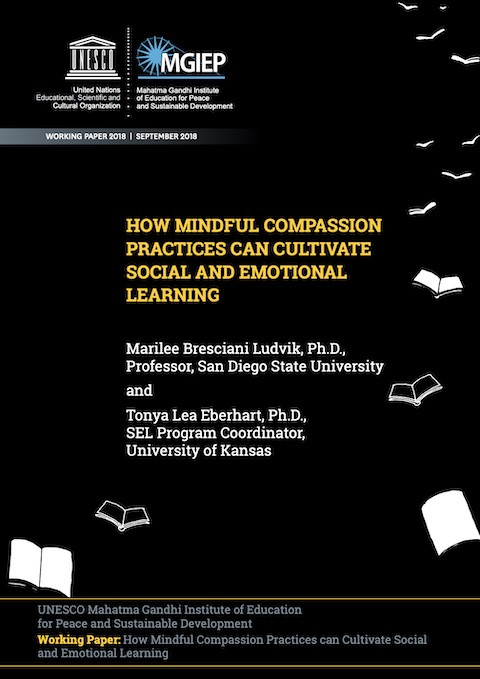 How Mindful Compassion Practices Can Cultivate Social and Emotional Learning سنة النشر: 2018 المؤلف: Marilee Bresciani Ludvik | Tonya Lea Eberhart المؤلف المؤسسي: Mahatma Gandhi Institute of Education for Peace and Sustainable Development (MGIEP) A fundamental purpose of social-emotional learning (SEL) is to provide students with opportunities to develop self-awareness, self-management, and social awareness, which in turn would lead to positive goal-oriented behaviors and the cultivation of collaborative relationships. While scholarly literature lists several strategies to foster SEL skills, there is little evidence of their effectiveness. There is research to support that mindful compassion practices (MCPs) cultivate specific outcomes that align with SEL outcomes. However, questions as to how much of each of these practices and how long they need to be practiced in order to realize effective integration into school curricula remain unanswered. Nevertheless, it has been determined that in order for these approaches to have a positive effect, schools need support to define, implement, evaluate, and modify SEL curriculum according to their needs.
 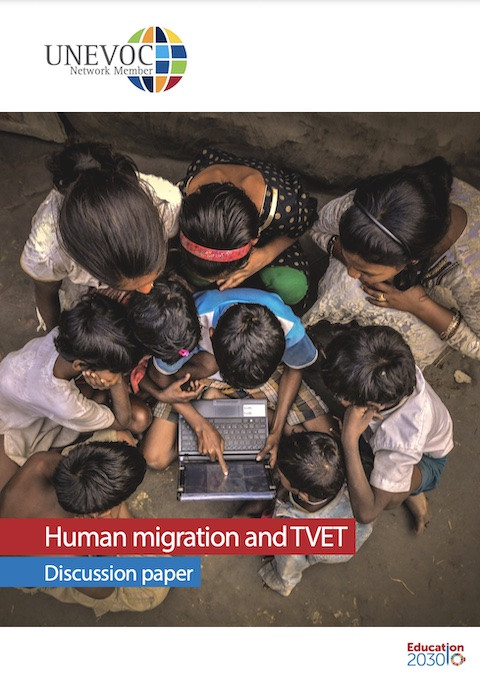 Human Migration and TVET سنة النشر: 2019 المؤلف: Volker Wedekind | Haya Fakoush | Joyceline Alla-Mensah المؤلف المؤسسي: UNESCO International Centre for Technical and Vocational Education and Training (UNEVOC) In the context of increased international migration, the importance of education and training and a global governance of migration is widely acknowledged in academic and international development debates. This discussion paper looks at the relationship between migration and technical and vocational education and training (TVET), distinguishing between forced, labour and environmental migration.
 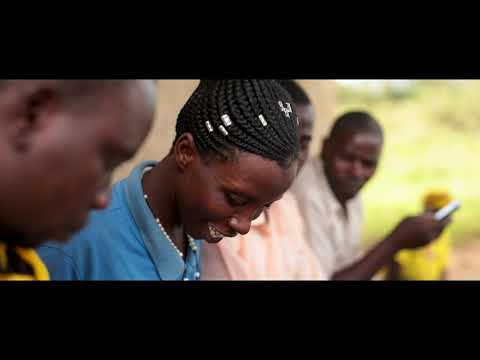 Mpanga سنة النشر: 2020 المؤلف المؤسسي: Îles de Paix This 15-minute report allows you to discover the life of rural populations in the Kabambiro areas in Uganda, but also the challenges these people face. This report shows how solutions are put in place to overcome these various difficulties, in particular by addressing the issue of sustainable family farming. Mpanga سنة النشر: 2020 المؤلف المؤسسي: Îles de Paix Ce reportage d’une quinzaine de minutes permet de découvrir la vie des populations rurales des zones de Kabambiro en Ouganda, mais aussi des défis que ces personnes sont amenées à relever. Ce reportage montre comment des solutions sont mises en place pour pallier à ces différents difficultés, en abordant notamment la question de l’agriculture familiale durable.
  Democracy and the Accommodation of Diversity: Advancing Pluralism Through Power Sharing, Self-Governance and Limited Government سنة النشر: 2018 المؤلف: Rotimi Suberu المؤلف المؤسسي: Global Centre for Pluralism (Canada) Democracy is, paradoxically, both essential and precarious in diverse and divided societies with deep cultural or ethnic (i.e., linguistic, regional, religious, racial, and other attributes of identity) divides. group). There are examples of relatively non-violent management of ethnic diversity in undemocratic systems, including the Ottoman Empire's millet system to accommodate non-Muslim communities; the British colonial system of indirect administration; and the informal ethnic balancing practices of many African dictatorships. However, the majority of ethnicity scholars agree that undemocratic regimes are often unsuccessful - and ultimately, unsustainable - managers of ethnic diversity, and that there are "no viable alternatives. democracy ”as a pluralist, peaceful, just and sustainable system of governance of such diversity. This is because basic democratic practices, including credible multiparty elections and effective protections for civil rights and freedoms, are essential for the proper articulation, representation and accommodation of competing ethnic interests. La démocratie et l’accommodement de la diversité : Faire progresser le pluralisme par le partage du pouvoir, l’autogouvernance et le gouvernement limité سنة النشر: 2018 المؤلف: Rotimi Suberu المؤلف المؤسسي: Global Centre for Pluralism (Canada) La démocratie est, paradoxalement, à la fois essentielle et précaire dans les sociétés diversifiées et divisées ayant de profondes fractures culturelles ou ethniques (c.-à-d., linguistiques, régionales, religieuses, raciales, et autres attributs de l’identité de groupe). Il existe des exemples de gestion relativement non violente de la diversité ethnique dans des systèmes non démocratiques, y compris le système des millets de l’Empire ottoman pour accommoder les communautés non musulmanes; le système colonial britannique d’administration indirecte; et les pratiques informelles d’équilibrage ethnique de nombreuses dictatures africaines1. Toutefois, la majorité des spécialistes de l’ethnicité conviennent que les régimes non démocratiques sont souvent des gestionnaires infructueux – et en fin de compte, insoutenables – de la diversité ethnique, et qu’il n’y a « aucune option de rechange viable à la démocratie » en tant que système de gouvernance pluraliste, pacifique, juste et durable d’une telle diversité2. Cela s’explique par le fait que les pratiques démocratiques fondamentales, y compris des élections multipartites crédibles et des protections efficaces pour les droits et libertés civiles, sont indispensables pour l’articulation, la représentation et l’accommodement adéquats d’intérêts ethniques divergents.
 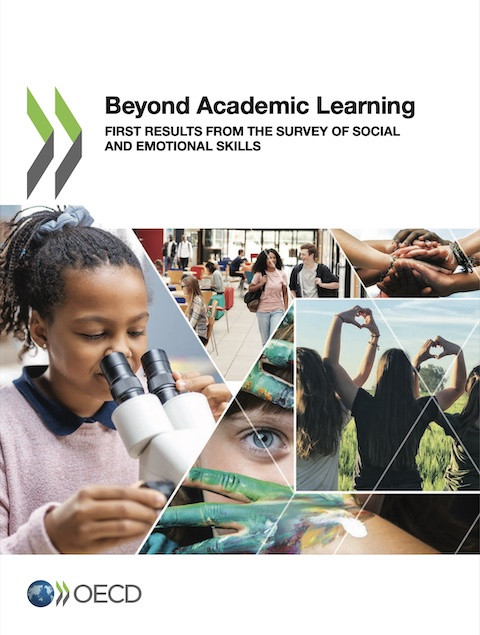 Beyond Academic Learning: First Results from the Survey of Social and Emotional Skills سنة النشر: 2021 المؤلف: Marta Encinas-Martin | Eva Feron | Francesco Avvisati | Marco Paccagnella | Javier Suárez-Alvarez | Michelle Cherian المؤلف المؤسسي: Organisation for Economic Co-operation and Development (OECD) Over the last few years, social and emotional skills have been rising on the education policy agenda and in the public debate. Policy makers and education practitioners are seeking ways to complement the focus on academic learning, with attention to social and emotional skill development. Social and emotional skills are a subset of an individual’s abilities, attributes and characteristics important for individual success and social functioning. Together, they encompass a comprehensive set of skills essential for students to be able to succeed at school, at work and fully participate in society as active citizens.The benefits of developing children’s social‐emotional skills go beyond cognitive development and academic outcomes; they are also important drivers of mental health and labour market prospects. The ability of citizens to adapt, be resourceful, respect and work well with others, and to take personal and collective responsibility is increasingly becoming the hallmark of a well‐functioning society. The OECD’s Survey of Social and Emotional Skills (SSES) is one of the first international efforts to collect data from students, parents and teachers on the social and emotional skills of students at ages 10 and 15. This report presents the first results from this survey. It describes students’ social and emotional skills and how they relate to individual, family, and school characteristics. It also examines broader policy and socio‐economic contexts related to these skills, and sheds light on ways to help education leaders and policy makers monitor and foster students’ social and emotional skills.
  The Future of Global Citizenship Education After COVID سنة النشر: 2020 المؤلف المؤسسي: Spur Change This is a video from the Spur Change webinar titled "The Future of Global Citizenship Education After Covid" "which took place on October 22, 2020. L'avenir de l'éducation à la citoyenneté mondiale après COVID سنة النشر: 2020 المؤلف المؤسسي: Spur Change Ceci est une vidéo du webinaire Activer le changement intitulé "L'Avenir de l'éducation à la citoyenneté mondiale apres Covid" qui a eu lieu le 22 octobre 2020.
 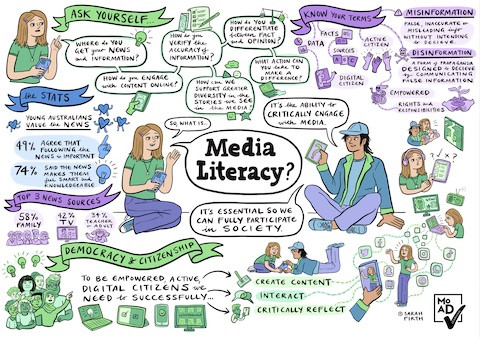 Media Literacy المؤلف: Sarah Firth المؤلف المؤسسي: Museum of Australian Democracy at Old Parliament House This infographic helps hook students into reflecting and considering a range of questions and information about media literacy.