
الموارد
استكشف مجموعة واسعة من الموارد القيمة حول تعليم المواطنة العالمية لتعميق فهمك وتعزيز البحث والمناصرة والتعليم والتعلم.
تم العثور على 3,451 نتيجة
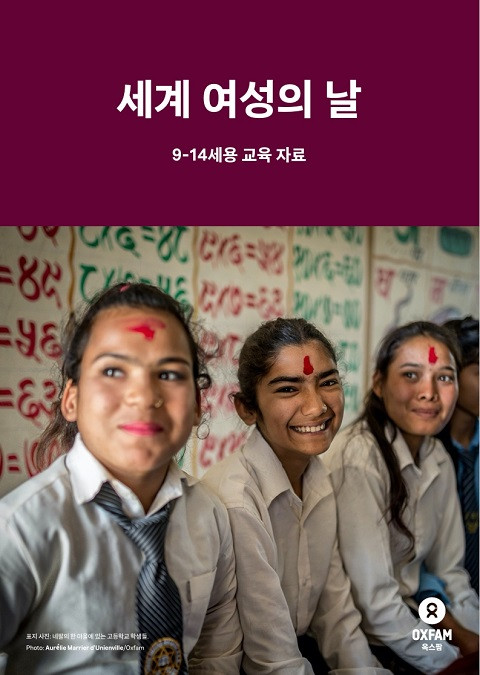 세계 여성의 날: 9-14세용 교육 자료 سنة النشر: 2024 المؤلف المؤسسي: 옥스팜 세계 여성의 날은 매년 3월 8일을 기념한다. 이날은 미국 뉴욕에서 15,000명의 여성 노동자들이 노동시간 단축, 임금 인상, 투표권 보장을 요구하며 행진한 것에서 처음 시작되었다. 세계 여성의 날은 전 세계가 함께 모여 여성과 소녀들이 이룬 업적을 기념하고 성별 격차 해소를 위한 새로운 행동을 촉구하는 날이다. 이 교육 자료는 성평등과 관련된 이슈를 소개하고, 비판적 사고를 돕고, 청소년들이 취할 수 있는 행동이 무엇인지 생각해 볼 수 있도록 돕는데 사용할 수 있다. 자료에 소개된 활동들은 유연하게 적용할 수 있도록 설계되었기 때문에 수업 시간 외에 언제 어디서든 활용할 수 있다.
  دور المعلم في خلق اجـواء التعايـش السلمي (المجلة العربية للعلوم التربوية والنفسية; Vol. 4, No. 15) سنة النشر: 2020 المؤلف: Farah Ghanem Saleh | Zeina Salem Mohy المؤلف المؤسسي: Ibn Rushd College of Education المعلم هو العصب الرئيس في العملية التعليمية، وإذ تتأثر فعالية هذه العملية بکفاءته ، فالمعلم المبتکر هو الذي ينوع من أساليب تقديم الأنشطة وطرائقها ، بما يناسب نمو طلبته، وعليه مواکبة أحدث ماوصلت إليه نظريات التعلم وتقنيات التعليم، فهو يؤدي ادوارا ونشاطات تدريسية متعددة لمساعدة المتعلمين على التعلم في مراحل التعليم المختلفة. ولابد من أن يکون لدى المعلم إطلاع على کل ماهو جديد في ميداني التربية وعلم النفس وغيرهما من فروع المعرفة المتعددة التي توسع الأَفق وتصقل الشخصية، وبذلک يصبح المعلم مصدراً مهماً وأساسيا من مصادر المعرفة التي يرجع إليها المتعلم في بحثه عن العلم، ومن سمات المعلم حتى يحقق النجاح لميدان التربية والتعليم، أن يتعرف على اهداف الطلبة وإشراکهم في التعليم فضلاً عن تحديد قواعد صفية وفتح باب التواصل مع الطلبة وجعل التعليم ممتعاً، وما يبين دور المعلم وأهميته في إعداد إجيال واعية هناک واجب ومسؤولية کبيرة تقع على عاتقه تُعد من أولويات عمله قضية التعايش السلمي في القاعات الدراسية، إذ و المعلم يتعايش مع طلبته على وفق منظومة التسامح وحرية الرأي وقبول الطرف الأخر، ولابد من ضرورة تضمين المناهج الدراسية موضوعات التعايش السلمي والتعاون والسلام والمواطنة الصالحة The Role of the Teacher in Creating an Atmosphere of Peaceful Coexistence (Arab Journal of Educational and Psychological Sciences; Vol.4, No.15) سنة النشر: 2020 المؤلف: Farah Ghanem Saleh | Zeina Salem Mohy المؤلف المؤسسي: Ibn Rushd College of Education The teacher is the main nerve in the educational process, and the effectiveness of this process is affected by his competence. The innovative teacher is the one who diversifies the approaches and methods of presenting activities to suit the growth of his students. He must keep up with the latest developments in learning theories and teaching techniques. He performs multiple teaching roles and activities to help learners achieve Learning at different stages of education. The teacher must have knowledge of everything new in the fields of education, psychology, and other multiple branches of knowledge that broaden the horizon and refine the personality. Thus, the teacher becomes an important and essential source of knowledge that the learner returns to in his search for knowledge. One of the characteristics of a teacher, in order to achieve success in the field of education, is to know the goals of students and involve them in education, in addition to setting classroom rules, opening the door to communication with students, and making education enjoyable. What shows the role of the teacher and his importance in preparing conscious generations is that there is a great duty and responsibility that falls on his shoulders, which is considered one of the priorities of his work are the issue of peaceful coexistence in the classrooms, as the teacher coexists with his students according to the system of tolerance, freedom of opinion, and acceptance of the other party, and it is necessary to include in the school curricula the topics of peaceful coexistence, cooperation, peace, and good citizenship.
  Strengthening Social and Emotional Learning in Hybrid Modes of Education: Building Support for Students, Teachers, Schools and Families; A UNESCO-IBE Discussion Paper سنة النشر: 2024 المؤلف المؤسسي: UNESCO International Bureau of Education (IBE) The COVID-19 pandemic intensified existing educational disparities globally, prompting a reevaluation of school curricula to include Social and Emotional Learning (SEL). This shift recognized the holistic needs of learners, teachers, and families, emphasizing competencies beyond traditional knowledge acquisition. Despite SEL's increasing global recognition, it is often absent from formal curricula, prompting the UNESCO-IBE to address this gap. This Discussion Paper explores the crucial role of SEL in the broader transformation of global education, particularly in the post-COVID-19 era. It highlights six key topics, presenting diverse experiences in integrating SEL into education. Experts from various fields contribute insights, focusing on socio-emotional and hybrid learning advancements worldwide. The report aims to inspire global change-makers, advocating for robust policies aligned with UNESCO's Futures of Education framework. This call to action aligns with the UNESCO-IBE's HELA initiative, promoting flexible hybrid learning models for crisis response and sustainable educational strategies in line with the UN Transforming Education Summit's vision.
  United Nations Strategy and Plan of Action on Hate Speech: Detailed Guidance on Implementation for United Nations Field Presences سنة النشر: 2020 المؤلف المؤسسي: United Nations (UN) The Strategy and Plan of Action acknowledges that hate speech has the potential to incite violence and undermine social unity. It recognizes that hate speech has been a precursor to atrocity crimes, including genocide, over the past 75 years. This approach to coordinating efforts across the UN system to identify, prevent and confront hate speech is grounded in international human rights standards, including the right to freedom of opinion and expression, principles of equality and non-discrimination, as well as other fundamental rights. The Strategy aims to give the United Nations the room and the resources to address hate speech, which poses a threat to UN principles, values and programmes. It guides the UN system on how to address hate speech and includes ways to support United Nations Resident Coordinators’ action in addressing and countering hate speech on the ground.
  Reflections and Countermeasures on Traditional Education in the Age of Artificial Intelligence: Taking ChatGPT as an Example (Advances in Education; Vol.13, No.5) سنة النشر: 2023 المؤلف: 罗蕾 | 张祖国 | 幸丽君 Since the turn of the century, the pace of scientific and technological advancement has been increasing rapidly, like a rolling wave gaining momentum. As a result, the topic of artificial intelli-gence and its potential applications has remained a hot topic in the field of education. The introduction of ChatGPT had an immediate and significant impact on the domestic education industry. Addressing how to manage this impact on teaching activities has become an urgent issue that requires prompt consideration and resolution. In light of the ongoing impact of artificial intelligence technology on traditional teaching methods, this article focuses on ChatGPT’s response as an intervention point, delving into a thorough analysis of the inherent strengths and weaknesses of traditional teaching modes, as well as the opportunities and challenges presented by intelligent teaching. Through our analysis of artificial intelligence, we aim to propose effective measures and explore new directions for the development of education in its influence. 人工智能时代传统教育反思与应对: 以ChatGPT为例 (教育进展; Vol.13, No.5) سنة النشر: 2023 المؤلف: 罗蕾 | 张祖国 | 幸丽君 新世纪以来,科学技术的进步犹如滚滚的浪潮不断加速前进,关于人工智能应用的讨论,在教育领域内一直是一个比较热点的话题,而ChatGPT推出,立即引起了国内教育行业的重大震荡。如何应对ChatGPT对教学活动造成的巨大冲击,成为当下急需思考、解决的问题。本文在人工智能技术持续影响传统教学模式的背景下,以ChatGPT对现有教学引发的反应为介入点,通过对传统教学模式固有利弊的审视,及智能化教学所带来的机遇与挑战进行深入的分析,尝试提出相关有效措施,力求探寻人工智能影响下教育发展新方向。
 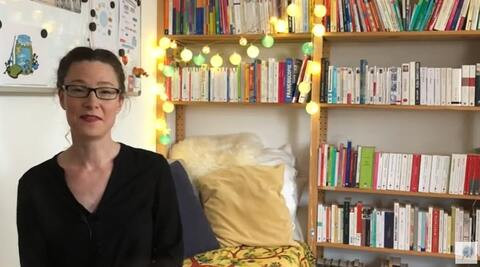 Freinet Pedagogy Adapted to French as a Foreign Language (FLE) سنة النشر: 2021 المؤلف: Alice Lenesley | Marianne Viader المؤلف المؤسسي: Culture FLE Interview with Alice Lenesley, who presents the Freinet method adapted to French as a Foreign Language (FLE) classes. In this video, she presents the teaching tools developed by Célestin Freinet, a teacher who adapted his way of teaching to his pupils and their physical constraints. Here are the tools presented in the video: getting out into nature, the "quoi de neuf", non-masterly teaching, the unexpected and spontaneity, autonomy, free text and little books. La pédagogie Freinet adaptée au FLE سنة النشر: 2021 المؤلف: Alice Lenesley | Marianne Viader المؤلف المؤسسي: Culture FLE Interview d'Alice Lenesley qui présente la méthode Freinet adaptée aux cours de Français Langue Étrangère (FLE), elle y présente les outils pédagogiques développés par Célestin Freinet, un instituteur qui a adapté sa manière d'enseigner aux élèves et à ses contraites physiques. Voici les outils présentés dans la vidéo : sortir dans la nature, le "quoi de neuf", un enseignement non magistral, l'imprévu et la spontanéité, l'autonomie, le texte libre et les petits livres.
  Bonjourjesuis سنة النشر: 2021 المؤلف: Alice Lenesley المؤلف المؤسسي: Bonjourjesuis Ce site internet recense plusieurs outils et des pédagogies alternatives pour enseigner le français langue étrangère ou l'alphabétisation. Ces outils issus de l'éducation populaire favorisent l'apprentissage des apprenants via une implication des étudiants dans les cours et les discussions, les apprenants ne sont plus en position de passivité mais deviennent acteurs du cours d'alphabétisation ou de français langue étrangère.Ces outils sont inspirés de la méthode Freinet. This website lists several tools and alternative pedagogies for teaching French as a foreign language or literacy. These popular education tools encourage learner learning by involving students in lessons and discussions. Learners are no longer in a passive position, but become actors in the literacy or French as a foreign language course. These tools are inspired by the Freinet's method.