
الموارد
استكشف مجموعة واسعة من الموارد القيمة حول تعليم المواطنة العالمية لتعميق فهمك وتعزيز البحث والمناصرة والتعليم والتعلم.
تم العثور على 1,444 نتيجة
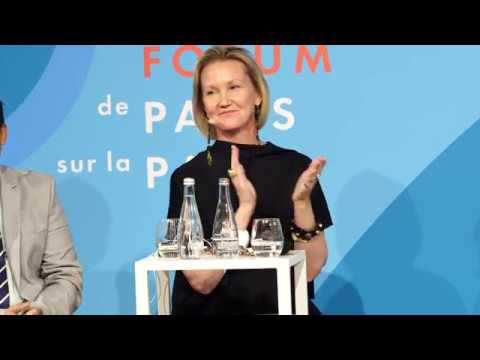 Comment le pluralisme peut-il renforcer la paix?: Centre mondial du pluralisme au Forum de la paix de Paris 2019 سنة النشر: 2019 المؤلف: Meredith P. Mcghie | Aung K. Moe | Bojana Dujkovic المؤلف المؤسسي: Global Pluralism Award Plusieurs des épineux défis auxquels nous faisons face aujourd’hui – de l’appauvrissement endémique à la migration causée par des conflits – découlent de l’exclusion de groupes définis comme « l’autre » et du ressentiment à leur égard.Les griefs collectifs résultant de l’inégalité, de l’exclusion et de sentiments d’injustice augmentent le risque d’instabilité et de conflit. Le pluralisme est une option pour que la diversité contribue au bien commun. Il est essentiel de faire ce choix pour bâtir des sociétés plus sécuritaires, pacifiques et résilientes.Meredith Preston McGhie, secrétaire générale du Centre mondial du pluralisme, était accompagnée de deux lauréats du Prix mondial du pluralisme 2019 pour aborder la manière dont l’enseignement de l’histoire et la réconciliation à l’échelle communautaire peuvent aider à renforcer le pluralisme, entretenir la paix et prévenir l’éclatement de conflits dans les sociétés diversifiées.
  Pour mettre en lien des jeunes du monde au coeur de la transition سنة النشر: 2017 المؤلف: Maryse Clary | Jacqueline Charron المؤلف المؤسسي: Alliance pour une Éducation à la Citoyenneté Planétaire (AECP) | Les Amis de Circée Ce groupe d’initiative, en tant qu’experts dans le domaine de l’éducation, anime le réseau, conduit le projet de recherche et se veut porte-parole auprès des instances éducatives. Il est intervenu lors du sommet « Climate Chance » à Nantes en septembre 2016 et suite à la COP 21, intervient à Marrakech lors de la journée éducation du 14 novembre 2016. Il a le soutien des autres membres fondateurs, des signataires de la charte et des partenaires que sont le World Environmental Education Congress (WEEC), le réseau Climates et l’Alliance pour les sociétés responsables et durables. Les équipes de 12 pays sont membres actifs du réseau, comme acteurs de terrain. Elles mettent les jeunes au cœur du système éducatif, sont à leur écoute, travaillent en partenariat réel sur des projets concrets en prise directe avec leur territoire. Ensemble, les experts, et les équipes montrent que les résultats de tous ces projets au Nord comme au Sud visent un changement des systèmes éducatifs pour répondre aux défis du développement durable et du changement climatique.Cette publication relate les données d’expériences innovantes, en propose une capitalisation et une analyse afin de permettre des échanges entre équipes en vue d’une amélioration des pratiques. Ce réseau, fort de sa diversité culturelle, du nombre de jeunes impliqués et de son engagement dans les valeurs de citoyenneté planétaire, souhaite jouer un rôle de lobbying auprès des autorités éducatives pour faire évoluer positivement les systèmes éducatifs.
  Un projet européen d’éducation à la citoyenneté et à la solidarité internationale سنة النشر: 2020 المؤلف: Elżbieta Swidrowska | Michał Tragarz المؤلف المؤسسي: Le Partenariat | Global Issues, Global Subjects (GIGS) | Union européenne Cette brochure nous permet de prendre conscience de l’importance d’une démarche citoyenne ayant pour but de favoriser une solidarité entre les territoires, les générations, les groupes sociaux et d’agir pour la construction d’un monde solidaire.
  Creativity, Resilience and Global Citizenship: Activity Toolkit سنة النشر: 2015 المؤلف المؤسسي: CIT Crawford College of Art and Design | Youth Work Ireland This publication is a step by step guide to a range of activities exploring the themes of Creativity, Resilience & Global Citizenship through a wide range of workshops, sharing creative methods and tools. It has been co-developed by the Fast Forward training programme which brought together young people and youth workers from Ireland, Hungary, Italy and UK in Cork, Ireland in January 2015. It was developed with thirty young people: youth workers, artists and educators who are passionate about supporting young people to grow as global citizens. It is useful to provide a context for anyone engaging others in the creative activities presented in this toolkit.
 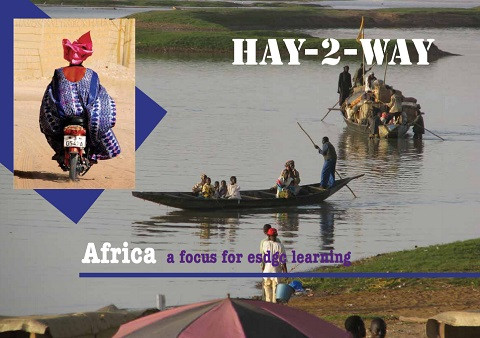 HAY-2-WAY: Africa; A Focus for ESDGC learning سنة النشر: 2014 المؤلف: Scott Sinclair المؤلف المؤسسي: Hay 2 Timbuktu This resource describes the education work that was part of the Two Towns One World project. It makes the case for an Africa focus as a significant theme in Education for Sustainable Development and global citizenship learning (ESDGC).The Two Towns One World project had two main strands: Locally in the Hay-on-Wye area with the Gwernfed cluster of schools and Nationally in Wales through a series of workshops and conferences.The scope of the work was enhanced through partnership with other initiatives on the themes ‘Unpacking Africa’ and ‘Debating Development’. A conference in Llandrindod Wells in November 2013 brought the strands of work together and provided the main narrative of this publication.
  Building Cross-Sectoral Cooperation: Estonian Coalition for Sustainable Development سنة النشر: 2020 المؤلف المؤسسي: Estonian Roundtable for Development Cooperation (AKÜ) | Bridge 47 | European Union (EU) This publication presents the members of Estonian Coalition for Sustainable Development, examples of their actions towards a more sustainable future and also some of the activities that the partnerships together have carried over the past few years. It is a great example of a cross-sectoral cooperation and a way of sharing knowledge.
 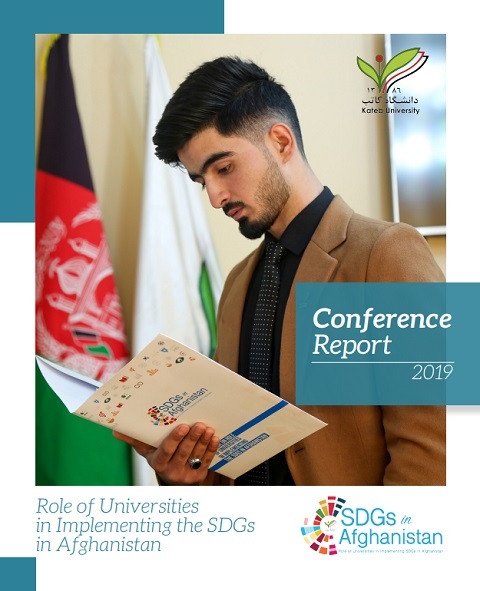 Role of Universities in Implementing the SDGs in Afghanistan: Conference Report (2019) سنة النشر: 2019 المؤلف المؤسسي: Kateb University On August 29, 2019, Kateb University, in partnership with the Sustainable Development Solutions Network (SDSN) and Ministry of Economy of Afghanistan (MoEC), UNDP, and Afghanistan Research and Evaluation Unit (AREU), organized a one-day conference titled ‘Role of Universities in Implementation of the SDGs in Afghanistan’. The event was held at Government Media and Information Center with over 250 participants from different universities, CSOs, Development Organizations and the government organizations. They came together to discuss the current status quo of the SDGs in Afghanistan and to discuss the role universities can play in achieving the SDGs in Afghanistan. The conference was a gateway for further cooperation among universities in Afghanistan to play their roles in the fields of Teaching and Learning, Research, External Leadership and Operation and Governance. This report provides a summary of the key issues discussed at the conference and abstracts every presentation.
  التعددية الثقافية ومفهوم الهوية المتعددة الأبعاد سنة النشر: 2009 المؤلف: Mohamed Ben Jemaa المؤلف المؤسسي: King Saud University يمثل الاعتراف بأوجه التشابه والاختلاف الاجتماعيين حجر الزاوية في دراسة التفاعلات الاجتماعية. وتتأسس كثير من الدراسات على ضرورة تحديد ما إذا كانت (الذات) متشاة مع (الآخر) أو أا مختلفة مع (الآخر)، من خلال البحث عن جملة المعايير والعوامل التي تشكل هوية الأفراد، بغية معرفة متى يكون الأنا (أنا) وأنت (أنت)، ومتى يكوّن (أنا) مع (أنت) ما يمثل (نحن) في مقابل الآخرين (هم).وقد اهتمت الدراسات الاجتماعية منذ مدة طويلة بتحليل ظواهر (الوحدة الاجتماعية) و(التفرقة الاجتماعية) و(الهوية الجماعية)، من خلال دراسة تكوّن (الهوية) لدى الأفراد، وتراكم الانتماءات وتزاحمها لدى الأفراد، وعوامل الاجتماع والافتراق التي يعتمدها الأفراد لمشاركة الآخرين في تكوين الجماعات والانتماء إليها. كما سعت الدراسات إلى استكشاف عوامل رسم "حدود جماعات الانتماء" (كيف ترسم هذه الحدود؟ لماذا؟ متى؟ وأين؟)، ودراسة الشروط والظروف التي يمكن أن تتغير على أساسها هذه الحدود المرسومة.ويمثل وضع تصوّر لتقاطعات التنوع الثقافي والقواسم المشتركة بين أفراد اتمع أحد التحديات الأساسية التي تواجه الباحثين وواضعي السياسات العامة.تحتوي الورقة المقترحة على قسمين. وتعرض في القسم الأول تجارب ست دول في تطبيق سياسة (التعدد الثقافي)، هي: أستراليا، الهند، هولندا، سنغفورة، جنوب أفريقيا، وكندا. وتلقي الضوء بصفة خاصة على التجربة الكندية التي تعتمد نموذجين مختلفين في التعاطي مع (التعددية الثقافية) المميزة للمجتمع الكندي بسبب تركيبته التكوينية تاريخيا، والجامعة بين الهنود الحمر (أو الأمم الأولى) والفرنسيين والإنجليز، وبسبب الانفتاح الفريد على قبول المهاجرين. ويعرف النموذج الأول باسم وهو النموذج المعتمد من الحكومة الفيدرالية الكندية. ،(Multiculturalism) " "التعددية الثقافية .(Interculturalism) " أما الثاني فهو معتمد من قبل مقاطعة كيبك ويعرف باسم "التفاعل الثقافي ثم تعرض في القسم الثاني إطارا نظريا لمفهوم (الهوية متعددة الأبعاد)، يسعى لفهم أشكال التراكم والتزاحم بين الانتماءات، وتحديد عدد من العوامل المؤثرة فيها. كما تعرض أخطاء اعتماد الهوية ذات البعد الواحد في تصنيف الأفراد والجماعات، وعلاقة ذلك بالعنف، من خلال محاولة لتحديد معالم الهوية الإسلامية المختزلة التي يرسمها تنظيم القاعدة لنفسه في الصراع الذي يخوضه على المست وى الدولي. Multiculturalism and the Concept of Multi-Dimensional Identity سنة النشر: 2009 المؤلف: Mohamed Ben Jemaa المؤلف المؤسسي: King Saud University A conference paper discussing multiculturalism and contains two parts, where the first part discusses multiculturalism policies in 6 countries. While the second part shows the multi-dimensional identity.
 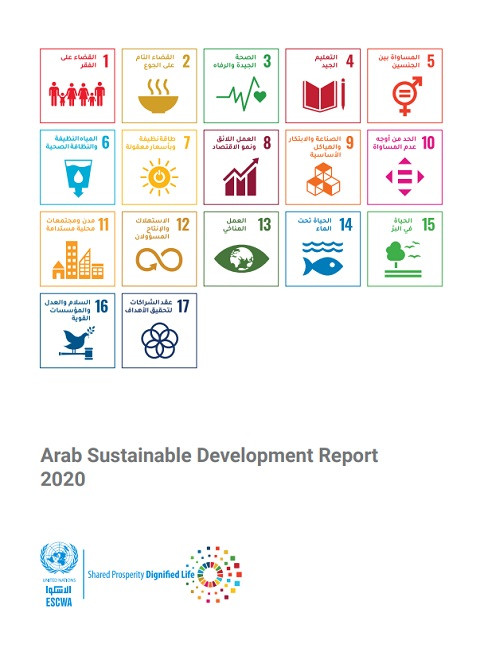 Arab Sustainable Development Report 2020 سنة النشر: 2020 المؤلف المؤسسي: United Nations Economic and Social Commission for Western Asia (ESCWA) The 2030 Agenda calls for transformative change and paradigm shifts. Mobilizing domestic and external resources is a pressing challenge in the Arab region, and the pace of efforts on the SDGs must accelerate. However, transformative change not only requires financial resources and an acceleration of efforts but, above all, demands a shift in orientation and approach towards policy integration, environmental sustainability, and universal human rights with their emphasis on equality, justice, inclusion, fundamental freedoms and participatory politics.The story of the SDGs in the Arab region, therefore, is also a story of human rights, gender equality, sustainability and integrated development. The gravity of the task, and the scale of the ambition, are greater than measuring progress at goal, target and indicator level. Five years into the era of the 2030 Agenda and the SDGs, the present report is a reminder that the starting point for implementation and the horizon for achievement must be aligned for change to be transformative. It is only through the alignment of policies and other interventions with the overarching framework of the 2030 Agenda that the region, and the world, can hope to achieve the 2030 Agenda. How close, or how far, the Arab region is from this alignment is the story the present report aims to tell.