
الموارد
استكشف مجموعة واسعة من الموارد القيمة حول تعليم المواطنة العالمية لتعميق فهمك وتعزيز البحث والمناصرة والتعليم والتعلم.
تم العثور على 1,444 نتيجة
 التقرير العربي للتنمية المسـتدامة 2020 سنة النشر: 2020 المؤلف المؤسسي: United Nations Economic and Social Commission for Western Asia (ESCWA) تدعو خطة عام 2030 إلى تغيير جذري وتحوّل في الأنماط السائدة. فحشد الموارد المحلية والخارجية يُعدّ من التحدّيات الملحة في المنطقة العربية، كما يُعدّ تكثيف الجهود نحو تحقيق أهداف التنمية المستدامة أمراً مُلحاً. إلّا أنّ التحوّل الجذري، لا يستلزم موارد مالية وتسريع الجهود فحسب، بل يتطلب، أكثر ما يتطلب، تحولًا في التوجه والنهج نحو التكامل في السياسات والاستدامة البيئية والحقوق مع التركيز على المساواة، والعدالة، والشمول الاجتماعي، والحريات الأساسية، والمشاركة في السياسة.قصة أهداف التنمية المستدامة في المنطقة العربية هي إذاً قصة الحقوق والمساواة بين الجنسين والاستدامة والتنمية المتكاملة. ولهذه المهمة من الضخامة والطموح ما يتعدى قياس التقدم على مستوى الأهداف والمقاصد والمؤشرات. وهذا التقرير، الصادر بعد مرور خمسة أعوام على اعتماد خطة عام 2030 وأهداف التنمية المستدامة، هو بمثابة تذكير بضرورة تحديد نقطة الانطلاق في التنفيذ على ضوء الإنجاز المنشود، حتى يكون في التغيير تحوّلٌ حقيقي. وإنّما المواءمة بين السياسات وسائر التدخلات مع الإطار الشامل لخطة عام 2030 هي الطريق الوحيد لعبور المنطقة والعالم إلى تنفيذ خطة عام 2030. أما مدى قرب المنطقة العربية من هذه المواءمة أو بعدها عنها، فهو ما يسرده هذا التقرير.
  Education and Migration: An Assessment of the Types and Range of IOM’s Education and Vocational Training Projects سنة النشر: 2018 المؤلف: Rocio Sanz المؤلف المؤسسي: International Organization for Migration (IOM) This report presents the results of the assessment of the range and types of IOM’s education and vocational training programmes as of December 2017. Within an overall framework of reviewing the Organization’s role in supporting the development and implementation of migration policy, the purpose of this assessment is to understand how these programmes contribute to education and vocational training outcomes, especially in the specific context of SDG 4 (Quality Education) of the 2030 Agenda for Sustainable Development.
  Education Disrupted Education Reimagined: Responses from Education’s Frontline During the COVID-19 Pandemic and Beyond سنة النشر: 2020 المؤلف المؤسسي: WISE | Salzburg Global Seminar | Diplomatic Courier The special edition E-Book you are reading about today was produced in real time, as WISE, in partnership with Salzburg Global Seminar, convened key stakeholders and education leaders from over 98 countries in a three-part series of global conferences aimed at bringing the global education community together. The result is a contemporary historical record of how schools, NGOs, governments, and international organizations responded to school closures during the crisis and how they are attempting to use this crisis as a springboard to reimagine—and even transform—education in their communities and countries.The E-Book offers an opportunity to a global audience to make sense of what happened but it also offers a breeding ground of ideas from some of the world’s top education thinkers. It is the editors’ sincere hope that through this publication we provide the education community with a reference point from the crisis from which future research, policy, and innovation can grow.
  The Teaching of Regional and Minority Languages in Schools in Europe: Eurydice Report سنة النشر: 2019 المؤلف المؤسسي: European Commission This Eurydice report provides a short overview of policy efforts made across Europe in support of the teaching of regional or minority languages in schools. It firstly presents the reference made to regional or minority languages by top-level education authorities in official documents. It then illustrates some of the policies and measures related to the teaching of regional or minority languages that are in place in the different European education systems. This is followed by an overview of some of the EU-funded projects and initiatives aiming to support the teaching of regional or minority languages in schools in Europe. L’enseignement des à l’école en Europe langues régionales ou minoritaires: Rapport Eurydice سنة النشر: 2019 المؤلف المؤسسي: European Commission Ce rapport d’Eurydice offre un bref aperçu des efforts politiques déployés dans toute l’Europe pour soutenir l’enseignement des langues régionales ou minoritaires à l’école. Il présente tout d’abord les références aux langues régionales ou minoritaires figurant dans les documents officiels émanant des plus hautes autorités responsables de l’éducation. Sont ensuite illustrées certaines des stratégies et mesures liées à l’enseignement de langues régionales ou minoritaires qui sont déployées dans les différents systèmes éducatifs européens. Enfin, le rapport donne un aperçu de certains projets et initiatives financés par l’Union européenne afin de soutenir l’enseignement des langues régionales ou minoritaires à l’école en Europe.
  Citoyenneté mondiale: Citoyens du monde au 21e siècle سنة النشر: 2016 المؤلف المؤسسي: Conseil Arts Canada Des participants de la Conférence nationale des écoles UNESCO se sont exprimés sur la définition de la citoyenneté mondiale et sur les qualités d'un citoyen du monde. L’événement avait lieu dans le cadre de la 56e Assemblée générale annuelle de la Commission canadienne pour l’UNESCO et avait pour but de promouvoir le rôle de chef de file de l'UNESCO dans l'Agenda 2030 pour l'éducation. Cette vidéo a été produite au Musée canadien pour les droits de la personne, à Winnipeg, au Manitoba.
 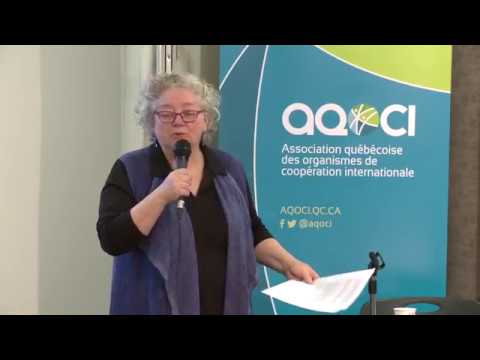 1er rendez-vous de l'éducation à la citoyenneté mondiale: Mot d'ouverture سنة النشر: 2017 المؤلف المؤسسي: Association québécoise des organismes de coopération internationale (AQOCI) La Directrice générale de l’AQOCI, Michèle Asselin, souhaite la bienvenue aux personnes participantes du 1er rendez-vous de l’AQOCI sur l’éducation à la citoyenneté mondiale. Elle a expliqué sur la valeur de l’éducation à la citoyenneté mondial et souligné comme ci-dessous :« L’ÉCM promeut des valeurs et des comportements qui encouragent le changement social et la solidarité internationale »
 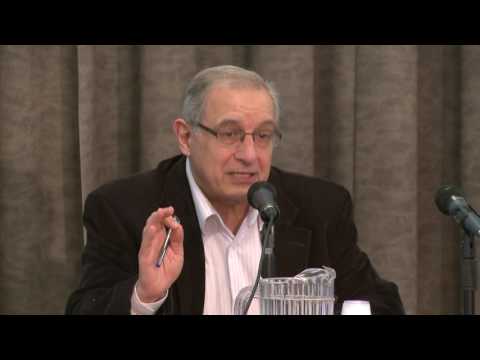 1er rendez-vous de l'éducation à la citoyenneté mondiale de l'AQOCI: Panel d'experts سنة النشر: 2017 المؤلف المؤسسي: Association québécoise des organismes de coopération internationale (AQOCI) Panel d'experts: l'ÉCM en contextes social et scolaire.Rachad Antonius, professeur de sociologie à l’UQÀM, chercheur, consultant et personne-ressource dans les milieux de la solidarité internationale, propose des éléments de réflexion sur l’éducation, sur le rôle de différents intervenants – militants, OCI, chercheurs et intellectuels - en ÉCM, sur le sens et les dimensions du concept de citoyenneté dans le contexte et face aux enjeux actuels et sur les réponses que le travail en ÉCM est appelé à apporter face à la mondialisation.La présentation de Marie-Hélène Chastenay, responsable de l’éducation interculturelle à la Direction des services d’accueil et d’éducation interculturelle du ministère de l’Éducation et de l’Enseignement supérieur (MÉES), examine l’apport de l’ÉCM à l’éducation des jeunes du Québec; l’intégration actuelle de l’ÉCM aux curriculums et à la vie scolaires; les enjeux et les défis de l’ÉCM en milieux scolaires et académiques et le rôle des organismes de coopération internationale et de la société civile dans la promotion de l’ÉCM en contextes scolaires et académiques.
  Management of Transboundary Water Resources in the Danube and the Sava River Basins سنة النشر: 2019 المؤلف: Aksulu Kushanova المؤلف المؤسسي: Regional Environmental Centre for Central Asia (CAREC) This analytical work “Management of transboundary water resources in the Danube and Sava River Basins” conveys knowledge and information on the management of the transboundary water resources by acknowledging the importance of the WEF Nexus in the Danube and Sava River Basins. Firsthand information was received during face-to-face meetings with the ICPDR and the ISRBC and the summarized work at hand shares the European experience with a wider audience.The analytical work narrates the institutional and legislative frameworks within the sectoral characteristics on the management of two River Basins: the Danube River Basin, which is the largest and the most international one in Europe, and the Sava River Basin, which serves as the greatest tributary to the Danube River. The study reviews the operations of the ICPDR and the ISRBC and technical tools applied at the basin level, which include accident emergency warning systems, monitoring networks, flood forecasting and more. Управление трансграничными водными ресурсами в бассейнах рек Дунай и Сава سنة النشر: 2019 المؤلف: Aksulu Kushanova المؤلف المؤسسي: Regional Environmental Centre for Central Asia (CAREC) Настоящая аналитическая записка «Управление трансграничными водными ресурсами в бассейнах рек Дунай и Сава» передает знания и информацию по вопросам управления ТВР, которые еще раз подчеркивают важную роль взаимосвязи (нексуса) «вода-энергия-продовольствие» (ВЭП), в данном случае на примере трансграничных рек Дунай и Сава. Информация из первых рук была получена в ходе рабочих встреч с представителями МКОРД и МКБРС и впоследствии обобщены для ознакомления с европейским опытом более широкой аудитории.В настоящей аналитической работе описываются институциональные и нормативно-правовые принципы построения и характеристики систем управления двумя речными бассейнами, а именно, бассейном р. Дунай – крупнейшим в Европе с наибольшим количеством прибрежных государств, и бассейном р. Сава – самого крупного притока Дуная. В документе анализируется деятельность МКОРД и МКБРС и технический инструментарий, применяемый ими на бассейновом уровне, включая системы предупреждения о чрезвычайных ситуациях, мониторинговые сети, системы прогнозирования наводнений и др.