
الموارد
استكشف مجموعة واسعة من الموارد القيمة حول تعليم المواطنة العالمية لتعميق فهمك وتعزيز البحث والمناصرة والتعليم والتعلم.
تم العثور على 3,451 نتيجة
 Hidden Scars: How Violence Harms the Mental Health of Children سنة النشر: 2020 المؤلف: Ghizlane Benjelloun المؤلف المؤسسي: United Nations (UN) Despite these obligations and commitments, violence against children continues to take a heavy toll on their mental health and their ability to learn, grow and develop to their full potential. This report aims to support this process. It provides an overview of international evidence on the different ways in which violence harms children’s mental health, highlighting the urgent need for action. In doing so, the report considers diverse settings and forms of violence, the developmental differences in the effects of violence, and the most significant risk and protective factors. The report also highlights solutions, recognizing that despite the continuing gaps in our knowledge, there are effective approaches that should be pursued.
 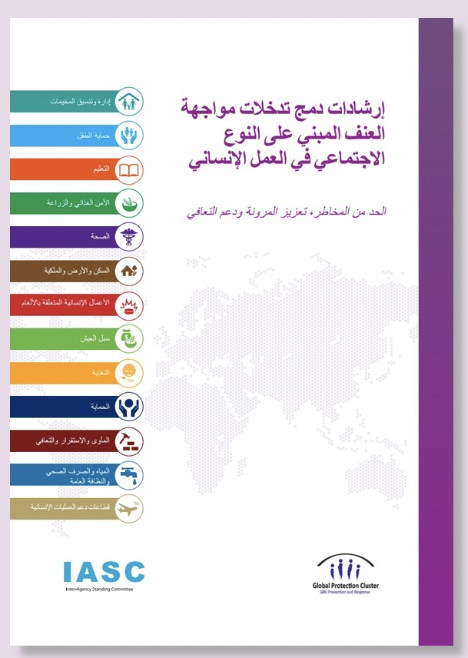 إرشادات دمج تدخلات مواجهة العنف المبني على النوع الاجتماعي في العمل الإنساني سنة النشر: 2015 المؤلف: Jeanne Ward | Julie Lafrenière المؤلف المؤسسي: Inter-Agency Standing Committee (IASC) الملف عبارة عن " الإرشادات حول العنف المبني على النوع الاجتماعي" الصادرة عام 2005 من قبل فريق العمل الخاص بين الوكالات، بقيادة اليونيسيف وصندوق الأمم المتحدة للسكان، وأقرتها اللجنة الدائمة المشتركة بين الوكالات في عام 2015. إن الهدف من هذه الإرشادات هو مساعدة الجهات الفاعلة الإنسانية والمجتمعات المتأثرة بالنزاع المسلح، والكوارث الطبيعية، وغيرها من حالات الطوارئ الإنسانية من أجل التنسيق، والتخطيط، والتنفيذ، ورصد وتقييم الإجراءات الأساسية للوقاية والحد من العنف المبني على النوع الاجتماعي في جميع قطاعات الاستجابة الإنسانية.ويمكن الإشارة بأنه الإرشادات هي دعم صناع القرار في مجال العمل الإنساني في الوفاء بمسؤوليتهم في حماية جميع أولئك المتضررين من الأزمات، من خلال:- مساعدة المجتمعات المحلية والمجتمعات وذلك من خلال دعم القدرات المحلية والوطنية لإيجاد حلول دائمة لمشكلة العنف المبني على النوع الاجتماعي.- تعزيز المرونة من خلال تعزيز النظم الوطنية والمجتمعية التي تعمل على الوقاية والحد من العنف المبني على النوع الاجتماعي، وأيضاً من خلال تمكين الناجين والمعرضين لخطر العنف المبني على النوع الاجتماعي للوصول للرعاية المتخصصة والدعم.- الحد من مخاطر العنف المبني على النوع الاجتماعي وذلك من خلال تنفيذ استراتيجيات الوقاية والحد في مراحل العمل الإنساني من قبل حصول حالة الطوارئ وحتى مرحلة التعافي.
 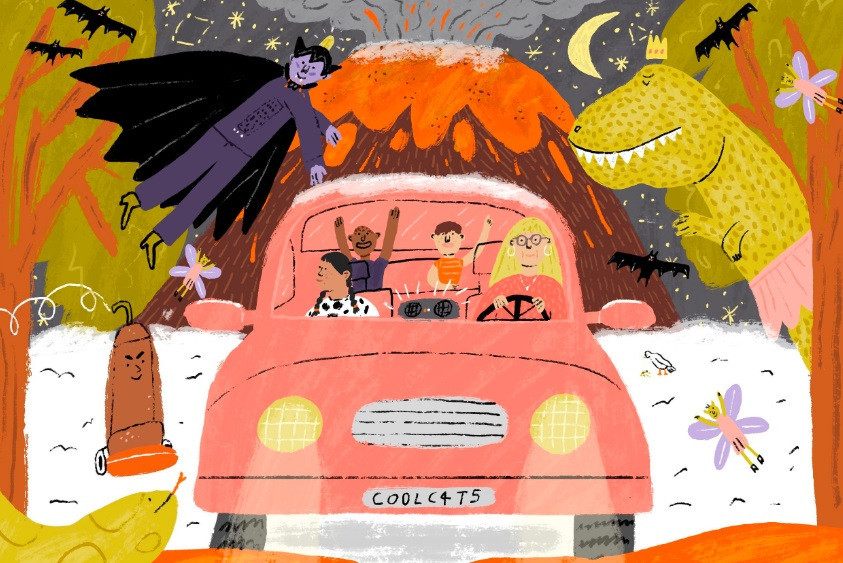 How an SEL Podcast Saved My Carpool سنة النشر: 2023 المؤلف: Laura Wheatman Hill المؤلف المؤسسي: Medicinal Media | Committee for Children The Imagine Neighborhood Podcasthttps://www.imagineneighborhood.org/ The Imagine Neighborhood™ podcast helps children and grown-ups grow their social-emotional skills, and talk about the things that matter with the people that matter most.Has your child ever been so angry that they wanted to smoosh something? Have they ever been scared of the babysitter? Have they ever had a hard time calming down? The Imagine Neighborhood is the show for your family. Each episode tells a story that’s amazing, fantastical, and maybe a little bananas, while it tackles the big feelings that come with growing up. And The Imagine Neighborhood gives you and your kids fun activities to do at home, in the car, or anywhere you talk to each other. How an SEL podcast saved my carpool 25 May 2023 (by Laura Wheatman Hill) My kids’ school is 15-20 minutes from our house and there is no bus.I drive my two kids, ages six and nine, and a neighbor, eight, to and from school three days a week and I let them rotate who picks what we listen to every ride. After I had to veto their picks several days in a row because they were testing the limits of what’s appropriate for all parties, even with a “radio edit” version (I’m sorry, but no Eminem for the kindergartner), I found a kid’s podcast that teaches social emotional learning (SEL) called The Imagine Neighborhood.After the first listen, which featured characters like a vampire robot vacuum and a princess dinosaur, and a world containing dangers such as lava, pixies, and an evil hamster, my kindergartner declared, “This is the greatest podcast of all time!” We proceeded to listen to every single episode available over the next few weeks and now play a new episode the minute it drops. Why teach social emotional learning in a podcast?According to Committee for Children, which helps create programs to assist children in developing life skills, including The Imagine Neighborhood, SEL is “the process of developing the self-awareness, self-control, and interpersonal skills that are vital for school, work, and life success.” Research over time shows that kids who have access to SEL interventions have positive developments both academically and socially in the short and long term. However, teaching these skills in a classroom or at home in an academic, abstract way isn’t shown to work to help your child integrate them into their lives. “You need to use stories for social emotional learning because it’s how a child can see another person’s point of view,” says Dr. Cindy Hovington, a neurologist who created Curious Neuron, a community for parents who want to learn more SEL tools, and co- founder of Wondergrade, an app that supports SEL in young children. She says empathy is much easier to convey in a story rather than a lesson because of the back and forth aspect of dialogue and character. “Someone else in the story has a consequence. Through a narrative, the child will understand both sides, how a certain event or action made a character feel and how it made the other person in the story feel,” she says. When it happens to someone else, a child can see it play out without the heightened emotion of being involved, and the empathy piece is easier to identify. The narratives are the magic of The Imagine Neighborhood. They have tapped into the problems of little kids in such a way that addresses many common issues kids face without being too overt, which would cause many nine-year-olds to roll their eyes and beg for Daft Punk. Mia Doces is the vice president of the Committee for Children. Doces says they have designed this balance of story and lesson very carefully. She explains, “Every episode has wild situations, very unique characters, and humor that ranges from slapstick to cultural references to your basic fart joke — all of which keep listeners hooked to the story. But our writers make sure that no matter how crazy things appear on the surface, the story is rooted in universal human experiences and the everyday social-emotional skills we use to navigate our emotions and cope with challenges.” Some episodes that resonated with my carpool, myself included, have been about big worries, boredom, disappointment, and loss. The parents are in on itThe host of the podcast frequently speaks directly to the parents and asks them to tell the child listeners about a time something happened to them like what is happening in the story. My carpool of sassy, smart kids usually avoids listening to what I have to say, but they actually lean in when Scotty asks me to contribute. Parental participation is also an intentional part of the design. Even if schools are teaching SEL skills, Doces says, “school-based SEL works best when kids are also learning these life skills at home with their families.” According to Hovington, “There is a misconception that SEL learning happens on the playground. SEL skill-building happens with the parent. Practice happens on the playground.” She says the best opportunities to learn new SEL skills are not in times of crisis or when problem solving, but on calm car rides home from school or before bed — the exact times we listen to The Imagine Neighborhood. In the future, Hovington says, “When a child comes back from school with a problem, that’s an opportunity for a parent to recreate or recall the story.” This resonates with audiences of The Imagine Neighborhood. Doces says, “We get letters from parents who tell us they refer to certain characters or use certain SEL-based catchphrases from the show as shorthand to help their kids draw parallels between something that’s happening to them in real time and a tool that a character learned on the show.”I haven’t sent a letter (yet), but I quote the show frequently. SEL is good for all of usTurns out, The Imagine Neighborhood, and the skills it teaches isn’t only for kids. SEL wasn’t taught in schools when most of us were kids and Doces says, “when adults listen along with the children, they’re also picking up the SEL techniques we’re sharing, and learning positive phrasing and other tools to empower them to have these family discussions in impactful ways.” Since the kids do have SEL in school, these stories provide a good segue for the students to become the teacher, and to tell us how they talk about their feelings. Parents can use the shared SEL language from curriculums and narratives like The Imagine Neighborhood as a vehicle to foster better communication in the family. Doces says parents don’t have to be masters of SEL, but “when they help children name and process their feelings, and acknowledge and support children’s positive behaviors, they’re teaching their family SEL and building a stronger, kinder future for their families.” We know positive reinforcement is successful and the message of The Imagine Neighborhood is one we can all agree on: be kind to those around you.We were driving a third-grader home from a playdate one day and The Imagine Neighborhood was playing. I heard the friend from the backseat ask, “What is this? Because I like it!” Got another one!
  Bolstering Adolescent Social, Emotional, and Mental Health with Dr. Kathleen Ethier of the CDC سنة النشر: 2023 المؤلف المؤسسي: Committee for Children 26 Oct 2023 The Grow Kinder® podcast / Committee for Childrenhttps://soundcloud.com/grow-kinder-podcast/bolstering-adolescent-social-emotional-and-mental-health-with-dr-kathleen-ethier-of-the-cdc?utm_source=www.cfchildren.org&utm_campaign=wtshare&utm_medium=widget&utm_content=https%253A%252F%252Fsoundcloud.com%252Fgrow-kinder-podcast%252Fbolstering-adolescent-social-emotional-and-mental-health-with-dr-kathleen-ethier-of-the-cdc Show NotesIn this episode of the Grow Kinder® podcast, host Andrea Lovanhill speaks with Dr. Kathleen Ethier, the director of the Division of Adolescent and School Health at the Centers for Disease Control and Prevention (CDC).In this enlightening conversation, Andrea and Kathleen dive deep into the pressing issues surrounding the mental health of today’s teenagers.We take a closer look at the CDC’s recent Youth Risk Behavior Survey and the startling findings related to the mental health of teenage girls.We discover the initiatives undertaken by the CDC to help schools address these mental health challenges.In addition, Kathleen offers advice for concerned parents on how they can actively support their children’s social-emotional well-being and development.To learn more about the CDC’s work with schools, click here. To sign up with Committee for Children to advocate for children’s social-emotional well-being, click here.Stay tuned for more episodes on our thought-provoking journey throughout this new season.You can catch us on your favorite podcast platforms such as Apple Podcasts, Spotify, SoundCloud, and more. For additional information, visit GrowKinderPodcast.org.
  مستوى توظيف استراتيجية التعليم المعكوس للمرحلة الأساسية في مديرية التربية والتعليم للواء عين الباشا في ظل جائحة كورونا من وجهة نظر مشرفيها وعلاقتها ببعض المتغيرات سنة النشر: 2022 المؤلف: Mervat Shehadeh تهدف هذه الى دراسة لأجل التعرف على مستوى توظيف استراتيجية التعليم المعكوس لمعلمي المرحلة الأساسية في ظل جائحة كورونا خلال العام 2021، وذلك من وجهة نظر المشرفين التربويين بمديرية التربية والتعليم للواء عين الباشا. هذا واتبعت الدراسة منهج المسح الاجتماعي؛ حيث تكون حقل الدراسة من )25( مشـرفًا تربويـًا، تـم توزيع استبانة موحدة عليهم جميعًا، هذا وقد خَلُصت الدراسة إلى أن مسـتوى توظيـف اسـتراتيجية التعلـيم المعكـوس كـان متوسـطًا، كـذلك خلصـت الدراسـة بعـدم وجـود فـروق عنـد مسـتوى دلالـة فيمـا يتعلق بمتغيرات ) النـوع الاجتمـاعي والخبـرة العمليـة، هـذا وتوصـي الدراسـة بضـرورة تكثيـف الأبحـاث ذات الصلة بموضوع استراتيجية التعليم المعكوس، وبالأخص في ظل جائحة كورونا، إذ تبين بـأن الأبحـاث قليلـةبمجال الإشراف التربــوي. الكلمات المفتاحية: التعليم المعكوس، جائحة كورونا، المشرفون التربويون، المرحلـة الأساسـية، لـواء عـين الباشـا. The Level of Employment of a Reverse Education Strategy for the Basic Stage in the Directorate of Education for the Ain Al-Basha District in Light of the Corona Pandemic from the Point of View of its Supervisors & Its Relationship to Some Variables سنة النشر: 2022 المؤلف: Mervat Shehadeh This study aims to identify the level of employment of the Reverse education strategy for primary school teachers in light of the Corona pandemic during the year 2021, from the point of view of educational supervisors in the Directorate of Education of the Ain Al-Basha Brigade.The study followed the social survey method. Where the field of study consisted of (25) educational supervisors, a standardized questionnaire was distributed to all of them, and the study concluded that the level of employing the Reverse learning strategy was average, the study also concluded that there are no differences at the level of significance (α≤ 0.05) with regard to the variables (Gender, practical experience), and the study recommends the need to intensify research related to the issue of the Reverse education strategy, especially in light of the Corona pandemic, as it was found that there are few researches in the field of educational supervision.
 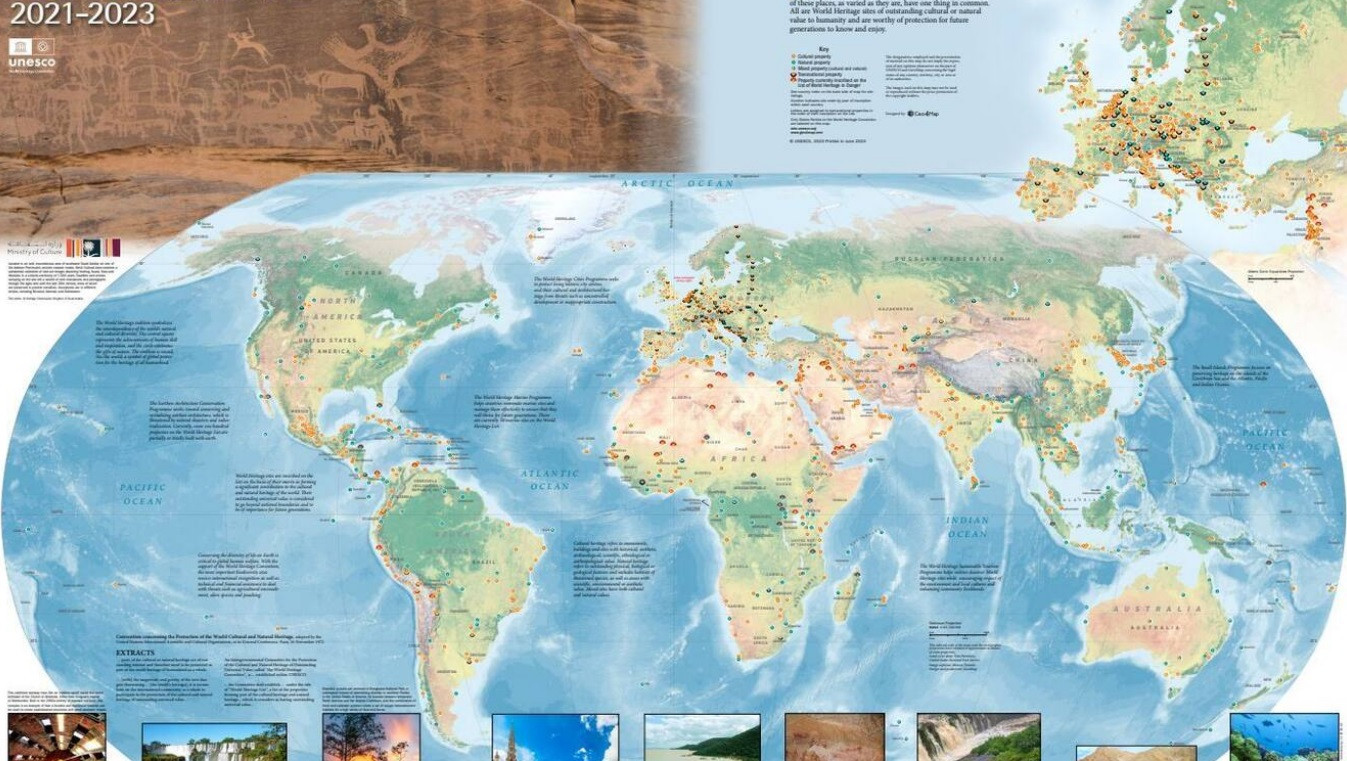 2021-2023 World Heritage Map Published سنة النشر: 2023 المؤلف المؤسسي: UNESCO World Heritage Convention The latest version of the World Heritage map, produced by the World Heritage Centre and Geo4Map with the generous support of the Kingdom of Saudi Arabia, can now be ordered from the World Heritage Centre website.The featured image on the map presents the Ḥimā Cultural Area World Heritage property in Saudi Arabia, country hosting the next session of the World Heritage Committee in September 2023.This poster-sized wall map features all 1,157 World Heritage properties and is illustrated with magnificent photos and explanatory captions. It also presents brief explanations of the World Heritage Convention and its related Marine, Earthen Architecture and other conservation programmes.
  Schools as Hubs for Social and Emotional Learning سنة النشر: 2023 المؤلف المؤسسي: Organisation for Economic Co-operation and Development (OECD) Schools are perfect hubs for social and emotional learning, but are they ready for this task? To address this question, this Spotlight reports previously unpublished findings from the OECD’s Survey on Social and Emotional Skills (SSES) and discusses their implications for education policy and practice. Both an active promotion in schools and extensive learning opportunities for teachers on relevant topics provide a fertile ground for an effective social and emotional education. They boost teachers’ self-efficacy and use of active learning pedagogies, as well as quality relationships at school. The Spotlight also points to important differences for teachers of 10- vs. 15-year-old students that can explain higher skills at a younger age. Younger students benefit more often from key elements of an effective social and emotional education in school, i.e. the evaluation of their social and emotional skills and teachers teaming up with parents to reinforce skill promotion. Teachers of 10-year-olds are also more intensively trained and requested to promote social and emotional learning in their work.
  Why SEL is the foundation of Future Schools سنة النشر: 2023 المؤلف: Kevin Hogan المؤلف المؤسسي: eSchool News https://www.eschoolnews.com/podcast/why-sel-is-the-foundation-of-future-schools/ One of many post-pandemic truths exposed and emphasized is that learning outcomes suffer without proper student mental health measures.In this episode of Innovations in education host Kevin Hogan has a conversation with Sonny Thadani, CEO of Robin, to explore how SEL can be integrated into district policies and school curricula. The key? Get everyone involved. Author: Kevin HoganKevin is a forward-thinking media executive with more than 25 years of experience building brands and audiences online, in print, and face to face. He is an acclaimed writer, editor, and commentator covering the intersection of society and technology, especially education technology. You can reach Kevin at KevinHogan@eschoolnews.com © Copyright 2023 eSchoolMedia & eSchool News.
  Social-Emotional Learning in Authentic Ways: Generating Solutions for the Early Childhood Program سنة النشر: 2023 المؤلف: Nicole Nesheim المؤلف المؤسسي: Hatch Early Learning In the post-pandemic field of education, the inclusion of social-emotional learning into early childhood education has been stressed as highly important. But what is social-emotional learning, exactly, and why is it so important now? Social-emotional learning is the practice of teaching the whole child, not simply core subjects and the arts.