
Resources
Explore a wide range of valuable resources on GCED to deepen your understanding and enhance your research, advocacy, teaching, and learning.
89 Results found
 [摘要] 《全球教育监测报告》摘要 2023: 技术运用于教育; 谁来做主? Year of publication: 2023 Corporate author: UNESCO | Global Education Monitoring Report Team 技术在教育中的角色长期以来一直引发激烈的争论。它是民主化知识的推动者,还是通过允许少数人控制信息而威胁民主?它提供无限机会,还是导致依赖技术的未来无法回头?它能够实现平等竞争,还是加剧不平等?应该在教授幼儿时使用,还是存在对其发展的风险?这场辩论受到了COVID-19疫情导致的学校关闭以及生成人工智能的出现的影响。 但由于开发者往往领先于决策者一步,教育技术的研究变得复杂。坚实、公正的证据相当稀缺。在将技术视为解决方案之前,社会是否正在就教育问题提出正确的问题?在追求技术的好处时是否意识到其中的风险? 信息和通信技术有潜力支持平等和包容,以实现与弱势学习者的接触和以引人入胜且经济实惠的方式传播更多知识。在某些情况下,对于某些类型的学习,它可以提高教学质量和学习基本技能。无疑,数字技能已成为基本技能包的一部分。数字技术还可以支持管理并提高效率,帮助处理更大量的教育数据。 然而,技术也可能造成排斥,并且可能是无关紧要且繁重的,甚至是有害的。政府需要确保创造适当的条件,为所有人提供公平的教育机会,对技术使用进行监管,以保护学习者免受其负面影响,并为教师做好准备。 本报告建议,在基于证据表明其适当、公平、可扩展和可持续的情况下引入技术到教育中。换句话说,其使用应符合学习者的最佳利益,并应与教师的面对面互动相辅相成。应将其视为一种工具,以这些条件来使用。 到2023年全球教育监测报告截止期限的中途,评估了实现2030年教育目标仍需走多远。教育是实现其他发展目标的关键,尤其是技术进步的目标。
  Une promesse non tenue: 12 années d’enseignement pour toutes les filles Year of publication: 2021 Corporate author: UNESCO | Global Education Monitoring Report Team En 1995, il y a un peu plus de 25 ans, 189 gouvernements ont adopté la Déclaration et le Programme d’action de Beijing – un programme visionnaire en faveur de l’autonomisation des femmes et le cadre stratégique mondial le plus complet à ce jour pour promouvoir l’égalité des genres. Le document faisait de l’éducation et de la formation des filles et des femmes l’un des 12 domaines clés dans lesquels il était urgent d’agir pour assurer une plus grande égalité.Depuis Beijing, la communauté internationale a mis l’accent sur le pouvoir transformateur de l’éducation des filles et des femmes, et sur ses avantages – non seulement pour les filles et les femmes, mais aussi pour des sociétés entières et même pour les générations futures. Dans le Programme de développement durable à l’horizon 2030, l’objectif de développement durable (ODD) 4, relatif à l’accès de tous à une éducation de qualité sur un pied d’égalité et à l’apprentissage tout au long de la vie, définit des cibles ambitieuses pour garantir l’égalité des chances – notamment une cible visant à faire en sorte, d’ici à 2030, que toutes les filles et tous les garçons suivent un cyclede 12 années d’enseignement.Ce bref document étudie l’évolution des taux d’achèvement des études primaires et secondaires des filles et des garçons depuis 1995, et appelle à agir pour que nous tenions notre engagement de ne laisser personne de côté.
  Global Education Monitoring Report 2022: Gender Report; Deepening the Debate on Those Still Left Behind Year of publication: 2022 Corporate author: Global Education Monitoring Report Team | UNESCO The 2022 Gender Report presents fresh insights on progress towards gender parity in education with respect to access, attainment and learning. It showcases the results of new models that provide coherent estimates, combining multiple sources of information, on out-of-school and completion rates. It also reviews the results of learning assessments released over the past 18 months, which present an almost global picture of the gender gap in reading, mathematics and science achievement in lower and upper primary and lower secondary grades. They provide a baseline against which to assess the impact of COVID-19 on inequality when post-pandemic data start being released next year.A companion to the 2021/2 GEM Report, it emphasizes the role of non-state actors in influencing gender inequality in and through education. Non-state actors have filled in provision gaps left by the public education system. The 2022 Gender Report presents evidence on gender gaps in the share of students enrolled in private institutions by sex and what drives these gaps in the various regions. It also provides case studies on the privatization of childcare in high-income countries, the impact of non-state faith-based schools in Asia on gender norms and the role of women’s universities around the world.Some non-state actors have pushed the gender equality agenda forward, while others have undermined progress in order to maintain the status quo. Some have been at the front line for girls’ education in emergencies. Some have lobbied against comprehensive sexuality education. Some champion inclusion of marginalized girls, while others maintain discriminatory gender norms. Depending on the context, it is important not to make assumptions but to look carefully at the data and work together to eliminate all forces that prevent anyone on the basis of gender from fulfilling their potential through education.
  Global Education Monitoring Report 2023: Technology in Education; A Tool on Whose Terms? Year of publication: 2023 Corporate author: UNESCO | Global Education Monitoring Report Team This report recommends that technology should be introduced into education on the basis of evidence showing that it would be appropriate, equitable, scalable and sustainable. In other words, its use should be in learners’ best interests and should complement face-to-face interaction with teachers. It should be seen as a tool to be used on these terms. Midway to the deadline, the 2023 Global Education Monitoring Report assesses the distance still to go to reach the 2030 education targets. Education is the key to unlocking the achievement of other development objectives, not least the goal of technological progress. [ملخص] ملخص التقرير العالمي لرصد التعليم 2023: التكنولوجيا في التعليم؛ أداة بشروط من؟ Year of publication: 2023 Corporate author: UNESCO | Global Education Monitoring Report Team دور التكنولوجیا في التعلیم قد أثار جدلاً شدیداً لفترة طویلة. ھل تدیمقراطیة المعرفة أو تھدد ً الدیمقراطیة من خلال السماح للقلة بالسیطرة على المعلومات؟ ھل توفر فرصا لا حدود لھا أم تقود إلى مستقبل یعتمد على التكنولوجیا دون رجوع؟ ھل تعمل على مستوى المیدان أم تزید من التفاوت؟ ھل یجب استخدامھا في تعلیم ا ً لأطفال الصغار أم أن ھناك خطرا على تطورھم؟ تم تأجیج ھذا الجدل بسبب إغلاق المدارس بسبب جائحة كوفید-19 وظھور الذكاء الاصطناعي الذي یولد ذاتیًا . ولكن نظرا لأن المطورین غالبًا ما یتقدمون على صانعي القرار بخطوة، فإن البحث في تكنولوجیا التعلیم معقد. تكاد الأدلة القویة والمحایدة تكون نادرة. ھل المجتمعات تطرح حتى الأسئلة الصحیحة حول التعلیم قبل أن تلجأ إلى التكنولوجیا كحلاً؟ ھل تدرك المخاطر المرتبطة بھا بینما تسعى إلى استثمار فوائدھا ؟ للتكنولوجیا وسائل كبیرة لدعم العدالة والشمول من حیث الوصول إلى المتعلمین المحرومین ونشر المزید من المعرفة بتنسیقات جذابة وبأسعار معقولة. في سیاقات معینة ولبعض أنواع التعلم، یمكن ً لرقمیة جزءا من أن تحسن جودة التدریس وتعلم المھارات الأساسیة. بلا شك، أصبحت المھارات ا حزمة المھارات الأساسیة. یمكن للتكنولوجیا ا ً لرقمیة أیضا دعم الإدارة وزیادة الكفاءة عن طریق مساعدة في التعامل مع أحجام أكبر من بیانات التعلی م ولكن قد تستبعد التكنولوجیا أیضا وقد تكون غیر ذات صلة وعبئاً، إن لم تكن ضارة على الإطلاق. یحتاج الحكومات إلى ضمان الشروط المناسبة لتمكین الوصول العادل للتعلیم للجمیع، وتنظیم استخدام التكنولوجیا لحمایة المتعلمین من تأثیراتھا السلبیة، وتأھیل المعلمی ن. یوصي ھذا التقریر بأن تُ ً قدم التكنولوجیا في التعلیم استنادا إلى الأدلة التي تظھر أنھا ستكون مناسبة وعادلة وقابلة للتوسیع ومستدامة. بعبارة أخرى، یجب أن یكون استخدامھا في مصلحة المتعلمین وأن تكمل التفاعل الشخصي مع المعلمین. یجب أن تُعتبر أداة للاستخدام على ھذه الش روط. في منتصف المدة نحو الموعد النھائي، یقیّم تقریر المراقبة العالمي للتعلیم لعام 2023 المسافة التي لا یزال علیھا أن تقطع للوصول إلى أھداف التعلیم لعام 2030 .التعلیم ھو المفتاح لتحقیق أھداف التنمیة الأخرى، ولا سیما ھدف التقدم التكنولوجي. [Summary] Global Education Monitoring Report Summary 2023: Technology in Education; A Tool on whose Terms? Year of publication: 2023 Corporate author: UNESCO | Global Education Monitoring Report Team Technology’s role in education has been sparking intense debate for a long time. Does it democratize knowledge or threaten democracy by allowing a select few to control information? Does it offer boundless opportunities or lead towards a technology-dependent future with no return? Does it level the playing field or exacerbate inequality? Should it be used in teaching young children or is there a risk to their development? The debate has been fuelled by the COVID-19 school closures and the emergence of generative artificial intelligence. But as developers are often a step ahead of decision makers, research on education technology is complex. Robust, impartial evidence is scarce. Are societies even asking the right questions about education before turning to technology as a solution? Are they recognizing its risks as they seek out its benefits? Information and communication technology has potential to support equity and inclusion in terms of reaching disadvantaged learners and diffusing more knowledge in engaging and affordable formats. In certain contexts, and for some types of learning, it can improve the quality of teaching and learning basic skills. In any case, digital skills have become part of a basic skills package. Digital technology can also support management and increase efficiency, helping handle bigger volumes of education data. But technology can also exclude and be irrelevant and burdensome, if not outright harmful. Governments need to ensure the right conditions to enable equitable access to education for all, to regulate technology use so as to protect learners from its negative influences, and to prepare teachers. This report recommends that technology should be introduced into education on the basis of evidence showing that it would be appropriate, equitable, scalable and sustainable. In other words, its use should be in learners’ best interests and should complement face-to-face interaction with teachers. It should be seen as a tool to be used on these terms. Midway to the deadline, the 2023 Global Education Monitoring Report assesses the distance still to go to reach the 2030 education targets. Education is the key to unlocking the achievement of other development objectives, not least the goal of technological progress. [Resumen] Resumen del informe de seguimiento de la educación en el mundo 2023: tecnología en la educación; ¿una herramienta en los términos de quién? Year of publication: 2023 Corporate author: UNESCO | Global Education Monitoring Report Team El papel de la tecnología en la educación lleva mucho tiempo suscitando intensos debates. ¿Democratiza el conocimiento o amenaza la democracia al permitir que unos pocos controlen la información? ¿Ofrece oportunidades ilimitadas o conduce a un futuro tecnodependiente sin retorno? ¿Nivela las desigualdades?¿Debe utilizarse en la enseñanza de niños pequeños o supone un riesgo para su desarrollo? El debate ha sido alimentado por el cierre de las escuelas debido al COVID-19 y la aparición de la inteligencia artificial generativa. Pero como los desarrolladores suelen ir un paso por delante de los responsables de la toma de decisiones, la investigación sobre tecnología educativa es compleja. Las pruebas sólidas e imparciales son escasas. ¿Se plantean las sociedades las preguntas adecuadas sobre la educación antes de recurrir a la tecnología como solución? ¿Reconocen sus riesgos mientras buscan sus beneficios? Las tecnologías de la información y la comunicación pueden contribuir a la equidad y la inclusión para llegar a los alumnos desfavorecidos y difundir más conocimientos en formatos atractivos y asequibles. En determinados contextos y para algunos tipos de aprendizaje, puede mejorar la calidad de la enseñanza y el aprendizaje de las competencias básicas. En cualquier caso, las competencias digitales se han convertido parte de un paquete de habilidades básicas. La tecnología digital también puede respaldar la gestión y aumentar la eficiencia, ayudando a manejar volúmenes más grandes de datos educativos. Pero la tecnología también puede excluir y ser irrelevante y onerosa, cuando no directamente perjudicial. Los gobiernos deben garantizar las condiciones adecuadas para permitir un acceso equitativo a la educación para todos, regular el uso de la tecnología para proteger a los alumnos de sus influencias negativas y preparar a los profesores. Este informe recomienda que la tecnología se introduzca en la educación sobre la base de pruebas que demuestren que sería apropiada, equitativa, escalable y sostenible. En otras palabras, su uso debe estar en el mejor interés de los estudiantes y debe complementar la interacción cara a cara con los profesores. Debe verse como una herramienta a utilizar en estos términos. A medio camino de la fecha límite, el Informe de seguimiento de la educación en el mundo 2023 evalúa la distancia que queda por recorrer para alcanzar los objetivos educativos de 2030. La educación es la clave para alcanzar otros objetivos de desarrollo, entre ellos el del progreso tecnológico.
 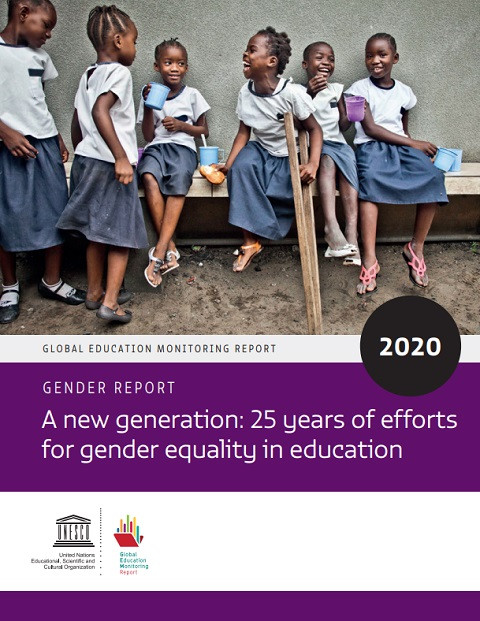 Gender Report 2020: A New Generation; 25 Years of Efforts for Gender Equality in Education (Global Education Monitoring Report) Year of publication: 2020 Corporate author: UNESCO | Global Education Monitoring Report Team Building on the 2020 Global Education Monitoring Report, this report investigates how inclusion in education can advance gender equality in and through education, which is critical to make progress towards gender equality in society. The goal of gender equality is, of course, not new. It was enshrined in the 1979 Convention on the Elimination of All Forms of Discrimination Against Women and was at the core of the 1995 Beijing Declaration and Platform for Action, whose 25th anniversary is marked in 2020.
  Textbooks and Inclusive Education: Background Paper Prepared for the 2020 Global Education Monitoring Report, Inclusion and Education Year of publication: 2020 Author: Eckhardt Fuchs | Marcus Otto | Simiao Yu Corporate author: UNESCO | Global Education Monitoring Report Team This report, based on an analysis of a sample of textbooks from 28 countries, shows that the subject of inclusion has become increasingly significant in terms of both structure and subject matter, and particularly in the contexts of human rights and citizenship. Social diversity is also increasingly taken into account and reflected upon, albeit with varying emphasis on the differing dimensions of diversity, given that genuinely intersectional perspectives via which these are linked only occur in isolated and rudimentary cases. With regard to inclusiveness in the gender-related dimension, the overall picture of the textbook sample under analysis here is a heterogeneous one; further, the incorporation of LGTBQIA+ perspectives remains insufficient. Nevertheless, the textbooks examined here do show increasing critical reflection on the social discrimination of different groups, and, ultimately, we do observe a significant trend towards a more pronounced consideration and representation of different social groups and minorities.
 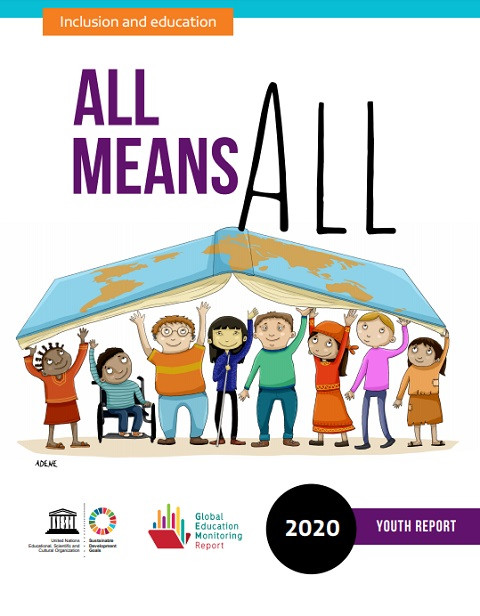 Youth Report 2020: Inclusion and Education; All Means All Year of publication: 2020 Corporate author: UNESCO | Global Education Monitoring Report Team This Youth Report is designed to help you learn about the social, economic and cultural factors that cause vulnerable children, youth and adults to be discriminated against and marginalized in education. It tells the stories of the people who fight to ensure that everyone is included in education, and of those who fought to uphold their own right to education. It brings to life the recommendations of the 2020 Global Education Monitoring Report: Inclusion and education: All means all and calls on youth and teachers to share and discuss the stories and messages, to use them in campaigns and as a teaching tool in class. An open letter to education ministers is included calling, for education systems to be built back more inclusive after the school closures during Covid-19.