
Resources
Explore a wide range of valuable resources on GCED to deepen your understanding and enhance your research, advocacy, teaching, and learning.
38 Results found
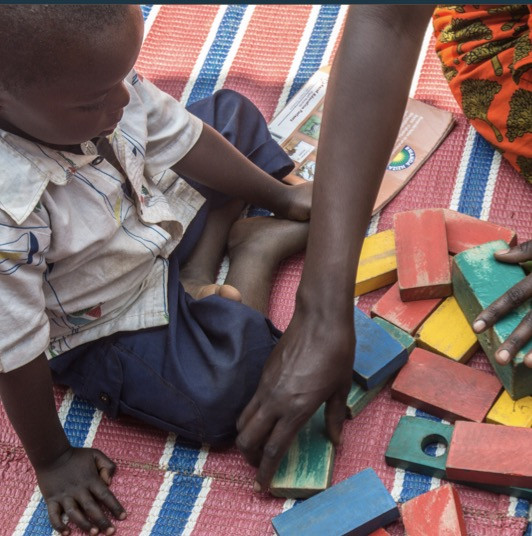 Promoting Climate-Sensitive Early Childhood Care and Education in Emergencies Year of publication: 2023 Corporate author: Inter-agency Network for Education in Emergencies (INEE) This brief addresses a gap in climate change and education literature: young children who are affected by crises. Climate mitigation and adaptation efforts often exclude early childhood care and education (ECCE), especially in crises and emergencies. Therefore, the brief outlines multisectoral ECCE interventions that can serve as solutions to broader climate change mitigation and adaptation goals. These interventions look at long-term solutions that reduce children’s exposure to climate change risks. The aim of these long-term solutions is to create new climate-adapted ways of thinking, being, and doing by focusing on care – for each other and for the earth – and by building climate resilience among children and their supporting care systems. Promouvoir l’éducation et la protection de la petite enfance en situations d’urgence sensibles au climat Year of publication: 2023 Corporate author: Inter-agency Network for Education in Emergencies (INEE) Ce document est destiné au secteur de l’éducation en situations d’urgence, mais il est pertinent pour toutes celles et ceux qui s’intéressent aux questions relatives aux enfants, car le changement climatique affecte le développement de l’enfant dans tous les contextes. Les approches présentées dans ce document peuvent aider les systèmes éducatifs dans des contextes non urgents à être mieux préparés et résilients face au climat. C’est pourquoi ce document décrit les interventions multisectorielles en matière d’EPPE qui peuvent servir de solutions à des objectifs plus larges d’atténuation du changement climatique et d’adaptation au changement climatique. Ces actions visent à trouver des solutions à long terme pour réduire l’exposition des enfants aux risques liés au changement climatique. L’objectif de ces solutions à long terme est de créer de nouvelles façons de penser, d’être et d’agir adaptées au climat, en se concentrant sur l’attention portée aux autres et à la Terre, et en renforçant la résilience climatique des enfants et des systèmes de prise en charge qui les soutiennent. تعزيز الرعاية والتعليم للطفولة المبكرة للتجاوب مع التغيرات المناخية في حالات الطوارئ Year of publication: 2023 Corporate author: Inter-agency Network for Education in Emergencies (INEE) يتناول هذا الملخص فجوة في أدبيات تغير المناخ والتعليم: الأطفال الصغار المتأثرون بالأزمات. غالبًا ما تستبعد جهود التخفيف من آثار المناخ والتكيف معه رعاية الطفولة المبكرة والتعليم، لا سيما في الأزمات وحالات الطوارئ. لذلك، يحدد الملخص التدخلات متعددة القطاعات في مجال رعاية وتعليم الطفولة المبكرة التي يمكن أن تكون بمكانة حلول لأهداف أوسع للتخفيف من تغير المناخ والتكيف معه. يبحث هذا الملخص في الحلول طويلة الأجل التي تقلل تعرض الأطفال لأخطار تغير المناخ. ويهدف هذا بدوره إلى إنشاء طرق جديدة متكيفة مع المناخ للتفكير والوجود والعمل من خلال التركيز على الرعاية - لبعضنا البعض وللأرض -،ومن خلال ناءي المرونة المناخية بين الأطفال وأنظمة الرعاية الداعمة لهم. يتناول هذا الملخص فجوة في أدبيات تغير المناخ والتعليم: الأطفال الصغار المتأثرون بالأزمات. غالبًا ما تستبعد جهود التخفيف من آثار المناخ والتكيف معه رعاية الطفولة المبكرة والتعليم، لا سيما في الأزمات وحالات الطوارئ. لذلك، يحدد الملخص التدخلات متعددة القطاعات في مجال رعاية وتعليم الطفولة المبكرة التي يمكن أن تكون بمكانة حلول لأهداف أوسع للتخفيف من تغير المناخ والتكيف معه. يبحث هذا الملخص في الحلول طويلة الأجل التي تقلل تعرض الأطفال لأخطار تغير المناخ. ويهدف هذا بدوره إلى إنشاء طرق جديدة متكيفة مع المناخ للتفكير والوجود والعمل من خلال التركيز على الرعاية - لبعضنا البعض وللأرض -،ومن خلال ناءي المرونة المناخية بين الأطفال وأنظمة الرعاية الداعمة لهم.
  Girls’ Education and Climate Change: Investing in Education for Resilience Year of publication: 2021 Corporate author: Inter-agency Network for Education in Emergencies (INEE) This brief was developed to support dissemination of key messages in Mind the Gap 2: Seeking Safe and Sustainable Solutions for Girls’ Education in Crises. It provides an overview of evidence and gaps on the relationship between girls’ education and climate crises, and recommends actions to mitigate the impacts of climate change on girls’ education and promote resilience. تعليم الفتيات وتغيّر المناخ: الاستثمار في التعليم من أجل القدرة على التأقلم Year of publication: 2021 Author: Inter-agency Network for Education in Emergencies (INEE) Corporate author: Inter-agency Network for Education in Emergencies (INEE) تم تطوير هذا الملّخص لدعم نشر الرسائل الرئيسية في إدراك الفجوة 2: البحث عن حلول آمنة ومستدامة لتعليم الفتيات في الأزمات. يقدم نظرة عامة على الأدلة والثغرات في العلاقة بين تعليم الفتيات وأزمات المناخ ، ويوصي باتخاذ إجراءات للتخفيف من آثار تغيّر المناخ على تعليم الفتيات وتعزيز المرونة.
  Inter-agency peace education programme: skills for constructive living; overview of the programme Year of publication: 2005 Author: Antonella Verdiani Corporate author: UN. Office of the United Nations High Commissioner for Refugees (UNHCR) | Inter-agency Network for Education in Emergencies (INEE) This manual is one of the components of the “Inter-Agency Peace Education Programme”. The programme is designed for education managers of ministries dealing with both formal and non-formal education and for agencies which implement education activities on behalf of the government. The implementation structure is based on the experience acquired over the eight years the programme has been in use, from 1998 to 2005. The programme has been evaluated by external experts and the new revised materials (2005) incorporate both the suggestions made in the evaluation and the feedback from the specialists who implemented it in the field. Programme Interinstitution d'éducation pour la paix: compétences pour la vie constructive; aperçu du programme Year of publication: 2005 Author: Antonella Verdiani Corporate author: UN. Office of the United Nations High Commissioner for Refugees (UNHCR) | Inter-agency Network for Education in Emergencies (INEE) Ce manuel est l'une des composantes du «Programme Interinstitution d'éducation pour la paix». Le programme est conçu pour les gestionnaires de l'éducation des ministères chargés de l'éducation formelle et non-formelle et pour les organismes qui mettent en œuvre des activités d'éducation au nom du gouvernement. La structure de mise en œuvre est basée sur l'expérience acquise au cours des huit années, le programme a été utilisé, de 1998 à 2005. Le programme a été évalué par des experts externes et les nouveaux matériaux révisés (2005) intègrent à la fois les suggestions formulées dans l'évaluation et les réactions des spécialistes qui œuvre dans le domaine.
  No Education, No Protection: What School Closures Under COVID-19 Mean for Children and Young People in Crisis-Affected Contexts Year of publication: 2021 Corporate author: Inter-agency Network for Education in Emergencies (INEE) | Alliance for Child Protection in Humanitarian Drawing from research and experience on previous infectious disease outbreaks and an emergent body of work from the current COVID-19 pandemic, this report highlights the primarily negative effects resulting from the combination of sudden school closures and restricted access to and availability of services, social networks, and other protective facilities for children and young people living in crisis-affected contexts. The consequences of school closures on education and child protection can be categorized into three principal areas:1. Loss of learning and impediments to providing inclusive, equitable, quality education2. Negative impact on child well-being and healthy development3. Amplified child protection risks and harms experienced by children and young people
  Private Engagement in Education in Emergencies: Rights and Regulations Year of publication: 2021 Author: Francine Sara Menashy | Zeena Zhakaria Corporate author: Inter-agency Network for Education in Emergencies (INEE) Efforts to secure inclusive and equitable education for all have prompted calls for greater engagement by the private sector, asserting that businesses and foundations can play significant roles as partners in achieving Sustainable Development Goal 4 (SDG4).In recent years, given shortfalls in public financing and the need for urgent responses, private actors have increasingly become involved in various aspects of educational programming for education in emergencies (EiE). This arrangement, however, can produce tensions between private engagement and humanitarian response in education, which need to be addressed and in turn require extra coordination, advocacy and attention. This brief explores some of these tensions and makes recommendations to support the prioritization of safe, equitable, and quality public education for all children and young people affected by crises.INEE supports every young person’s right to education and recognizes the State as the primary duty-bearer of schooling, in alignment with international declarations, frameworks, and legal instruments that assert and protect the right to education. Participación del sector privado en la Educación en situaciones de emergencia: Derechos y regulaciones Year of publication: 2021 Author: Francine Sara Menashy | Zeena Zhakaria Corporate author: Inter-agency Network for Education in Emergencies (INEE) Las iniciativas que buscan garantizar una educación inclusiva y equitativa para todos han generado peticiones para una mayor involucramiento del sector privado, afirmando que las empresas y las fundaciones pueden jugar un papel importante como socios para alcanzar el Objetivo de Desarrollo Sostenible 4 (ODS4). En los últimos años, debido a la falta de financiamiento público y a la necesidad de respuestas urgentes, ha crecido la participación del sector privado en diversos aspectos de la programación educativa para la educación en situaciones de emergencia (EeE). Esta forma de trabajar, sin embargo, puede causar tensiones entre la participación del sector privado y la respuesta humanitaria en materia de educación. Es necesario resolver estas tensiones, lo cual requiere una mayor coordinación, abogacía y atención. Este informe explora algunas de estas tensiones y ofrece recomendaciones para apoyar la priorización de una educación pública segura, equitativa y de calidad para todos los niños, niñas y jóvenes afectados por crisis. La INEE apoya el derecho que tienen todas las personas jóvenes a la educación y reconoce al Estado como el principal responsable de la escolarización, en línea con declaraciones, marcos e instrumentos legales internacionales que reconocen y protegen el derecho a la educación.