
Resources
Explore a wide range of valuable resources on GCED to deepen your understanding and enhance your research, advocacy, teaching, and learning.
11 Results found
 Achieving Social Justice Through a Demographic-driven Initiative: Responding to the Unique Needs of Youth, Women and Refugees Year of publication: 2017 Author: Nader Said-Foqahaa | Nicholas Hyman Corporate author: International Labour Organization (ILO) The Arab world is currently going through a period of great socio-economic change, unprecedented since the revolutions and wars of independence more than half a century ago. The issue of social justice, which has been a challenge to Arab states over the past decades, is a matter of particular concern. The authors attempt to establish a conceptual background of social justice, and to discuss its linkage with youth, children, women, and refugees. The paper concludes with recommendations on social justice in the Arab world. تحقيق العدالة الاجتماهية من خلال مبادرة ديموغرافية: تلبية الاحتياجات الفريدة للشباب والنساء واللاجئين Year of publication: 2017 Author: Nader Said-Foqahaa | Nicholas Hyman Corporate author: International Labour Organization (ILO) يمرّ العالم العربي حالياً بفترة من التغيير الاجتماعي الاقتصادي الكبير، الذي لم يسبق له مثيل منذ الثورات وحروب الاستقلال منذ أكثر من نصف قرن. وتُعتبر مسألة العدالة الاجتماعية التي شكّلت تحدياً للدول العربية على مدى العقود الماضية، مسألة مثيرة للقلق بشكل خاص. يحاول المؤلفون لوضع خلفية مفاهيمية للعدالة الاجتماعية، ومناقشة ربطها بالشباب والأطفال والمرأة واللاجئين. تنتهي الورقة بوضع توصيات حول العدالة الاجتماعية في الوطن العربي.
  A New Era of Social Justice: International Labour Conference, 100th Session, 2011 Year of publication: 2011 Corporate author: International Labour Organization (ILO) This report specifically presents to the conference what the Director believes are the fundamental problems the ILO faces as it oversees a century of its inception in 2019. These problems are the remnants of an ineffective growth pattern that has increased inequality around the world over the past 30 years. The mission of the organization is to continue to work together to develop effective responses to these challenges - within the ILO itself, with national bodies such as governments, employers and workers, and through ILO cooperation with others. حقبـة جديـدة من العدالـة الاجتماعيـة: مؤتمر العمل الدولي، الدورة المائة ٢٠١١ Year of publication: 2011 Corporate author: International Labour Organization (ILO) يعرض هذا التقرير بالتحديد على المؤتمر ما يعتقد المدير أنها مشاكل جوهرية تواجهها منظمة العمل الدولية وهي تشرف على بلوغ قرن من إنشائها في عام ٢٠١٩. وتتجسد هذه المشاكل في مخلفات نمط نمو غير مجد أدى إلى زيادة انعدام المساواة في جميع أنحاء العالم خلال السنوات الثلاثين الماضية. وتتمثل مهمة المنظمة في مواصلة العمل معاً لبلورة استجابات فعالة حيال هذه التحديات - داخل منظمة العمل الدولية نفسها، ومع الهيئات الوطنية من حكومات وأصحاب عمل وعمال، ومن خلال تعاون منظمة العمل الدولية مع جهات أخرى.
 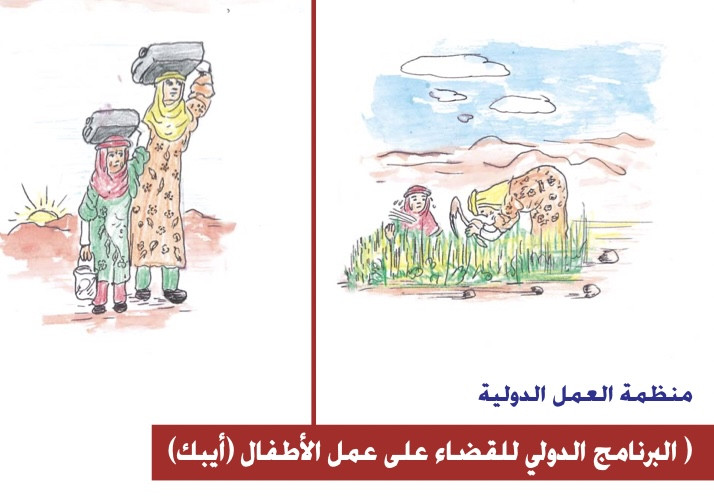 المساواة بين الجنسين وعمل الأطفال: أداة تربوية للمدربين والمدربات Year of publication: 2006 Author: Anita Amorim | UnaMurray | Ségolène Samouiller | Sandhya Badrinath Corporate author: International Labour Organization (ILO) إن القضاء على عمل الأطفال وترويج المساواة بين الفتيان والفتيات، الرجال والنساء، مساران متلازمان. وقد صُممت الأداة التربوية هذه لإظهار ضرورة تبنّي مفهوم النوع الاجتماعي من أجل فهم تعقيد ظاهرة عمل الفتيات والفتيان وإبراز تأثير النوع الاجتماعي على خيارات الأطفال، سواء فيما يتعلق بفرص العمل أو بالموارد المالية المتوفرة والمختلفة بالنسبة للفتيان والفتيات.وتهدف الأداة التربوية هذه إلى مساعدة المدربين والمدربات في اليمن على تحفيز الوعي لدى الصغار، وبخاصة المراهقين منهم، وعلى إفهامهم عمل الأطفال والمساواة بين الجنسين. فهي تستند إلى مبدأ أساسي قائلا إن للمراهقين دورا مهما يلعبونه من خلال تقوية وعيهم بقضايا العدالة الاجتماعية وعبر تأثيرهم في الوقت عينه على مجتمعهم بغية إحداث تغيير إيجابي فيه. فبواسطة تحميل الفتيات والفتيان المسؤوليات والاعتراف بقيمة مساهماتهم، نأمل أن نسخّر الثراء الإبداعي والالتزام الموجودين لدى المراهقين لمكافحة عمل الأطفال وترويج المساواة بين الجنسين. Gender Equality and Child Labour: A Participatory Tool for Facilitators Year of publication: 2006 Author: Anita Amorim | UnaMurray | Ségolène Samouiller | Sandhya Badrinath Corporate author: International Labour Organization (ILO) Ending child labor and promoting equality between boys and girls, men and women, go hand in hand. This educational tool is designed to demonstrate the necessity of adopting the concept of gender in order to understand the complexity of the phenomenon of girls and boys work and to highlight the impact of gender on children's choices, both with regard to job opportunities and the financial resources available and different for boys and girls.This educational tool aims to help male and female trainers in Yemen to raise awareness among young people, especially adolescents, and to understand child labor and gender equality. It is based on the basic principle that adolescents have an important role to play by strengthening their awareness of social justice issues and at the same time influencing their society in order to bring about positive change in it. By holding girls and boys accountable and recognizing the value of their contributions, we hope to harness the creative richness and commitment of adolescents to combat child labor and promote gender equality.
  Methodical Manual for Teachers on Non-formal Education Year of publication: 2015 Author: Albana Markya Corporate author: International Labour Organization (ILO) The methodological manual has been adapted to help teachers of secondary schools who will be involved in working in classes (groups) of informal education. With the help of this manual, they will be able to present the curriculum of basic education in a more accessible way, use the teaching methodology to better assimilate it for children in difficult life situations, and fill in the gaps in knowledge that have arisen due to their non-attendance at school. In this manual, attention is focused on working children who lagged behind their peers in school due to the fact that they were forced to earn a living for themselves and their families. Методическое пособие для учителей по неформальному образованию Year of publication: 2015 Author: Albana Markya Corporate author: International Labour Organization (ILO) Методическое пособие было адаптировано в помощь учителям общеобразовательных школ, которые будут вовлечены для работы в классах (группах) неформального образования. С помощью данного пособия они смогут более доступно изложить учебную программу базового образования, использовать методику обучения для лучшего ее усвоения для детей, находящихся в трудной жизненной ситуации, и восполнить те пробелы в знаниях, которые возникли по причине их непосещения школы. В данном пособии внимание сфокусировано на работающих детях, которые отстали от своих сверстников в учебе в силу того, что были вынуждены зарабатывать на жизнеобеспечение себя и своей семьи.
 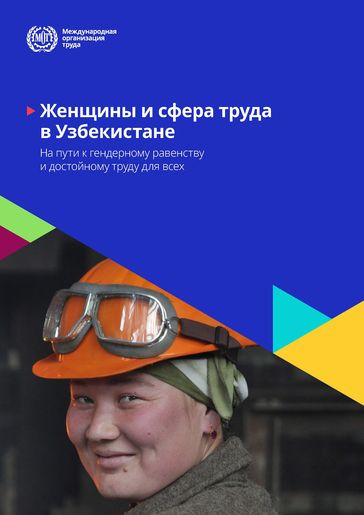 Women and the World of Work in Uzbekistan. Towards Gender Equality and Decent Work for All Year of publication: 2021 Author: Mansour Omeira Corporate author: International Labour Organization (ILO) The report is a response to the need for a comprehensive analysis of the situation of women in the labor sphere of Uzbekistan. The purpose of the report is to provide information for the development of policies, legislation, and initiatives aimed at the development and promotion of decent work for all women and men. Женщины и сфера труда в Узбекистане: На пути к гендерному равенству и достойному труду для всех Year of publication: 2021 Author: Mansour Omeira Corporate author: International Labour Organization (ILO) Доклад является ответом на необходимость всестороннего анализа положения женщин в сфере труда Узбекистана. Цель доклада – предоставление информации для разработки политики, законодательства и инициатив, направленных на развитие и продвижение достойного труда для всех женщин и мужчин.