
Resources
Explore a wide range of valuable resources on GCED to deepen your understanding and enhance your research, advocacy, teaching, and learning.
12 Results found
 Central Asia and Mongolia. OSCE Sub-regional Expert Meeting on Eliminating Violence against Women and Girls Year of publication: 2021 Corporate author: Organization for Security and Co-operation in Europe (OSCE) In 2020, the OSCE Gender Issues Programme conducted a series of sub-regional expert meetings in order to take stock of progress towards fulfilment of OSCE commitments on preventing and combating violence against women and girls.The report summarizes the outcomes of the meeting aimed at exchanging information and identifying areas of progress as well as persistent challenges. Центральная Азия и Монголия. Субрегиональная экспертная встреча ОБСЕ по вопросам недопущения насилия в отношении женщин и девочек Year of publication: 2021 Corporate author: Organization for Security and Co-operation in Europe (OSCE) В 2020 году Отдел Секретариата ОБСЕ по гендерным вопросам организовал серию субрегиональных экспертных встреч с целью оценки прогресса осуществления обязательств ОБСЕ по предотвращению и борьбе с насилием в отношении женщин и девочек.Отчет содержит данные о результатах встреч, которые были направлены на обмен информацией и определение сфер прогресса, а также сохраняющиеся проблемы по вопросам гендерного насилия.
 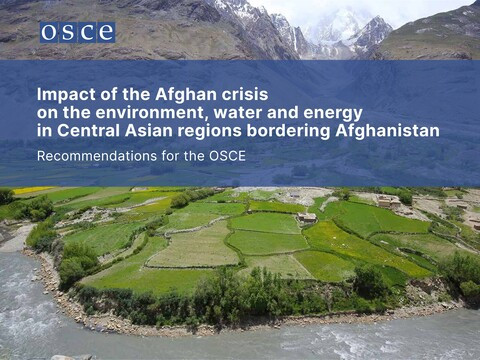 Impact of the Afghan Crisis on the Environment, Water and Energy in Central Asian Regions Bordering Afghanistan Year of publication: 2023 Corporate author: Organization for Security and Co-operation in Europe (OSCE) Development projects in Central Asia are diverse. In 2021, the Interstate Commission on Sustainable Development of Central Asia adopted the Central Asian Sustainable Development Program till 2030, while a regional climate adaptation strategy is being developed. Afghanistan is not involved in regional environmental and water processes. The results and lessons from the development projects could be useful in tackling the effects of the Afghan crisis. Исследование влияния кризиса в Афганистане на экологическую, водную и энергетическую ситуацию в приграничных областях Центральной Азии Year of publication: 2023 Corporate author: Organization for Security and Co-operation in Europe (OSCE) В странах Центральной Азии также реализуются проекты развития в различных сферах. Для целей охраны природы на региональном уровне в 2021 г. МКУР принята центрально-азиатская программа устойчивого развития до 2030 г., и разрабатывается региональная стратегия адаптации к изменению климата, но Афганистан в региональных экологических и водных процессах не участвует. Результаты и наработки проектов могут оказаться полезными для обмена опытом и масштабирования, в том числе для смягчения кризиса в Афганистане.
  New Challenges and Approaches to Regional and Global Security in Central Asia Year of publication: 2020 Corporate author: Organization for Security and Co-operation in Europe (OSCE) On 26 October 2018 in Nur-Sultan, the OSCE Programme Office in Nur-Sultan jointly with the Friedrich Ebert Foundation and the Kazakhstan Council on International Relations, with support from the Institute of Diplomacy under the Academy of Public Administration and the Public Opinion Research Institute co-organized an international conference entitled “New Challenges and Approaches to Regional and Global Security in Central Asia”. This compendium, which includes presentations given at the conference by both Kazakhstan’s and foreign participants, explores main regional security threats in Central Asia and ways to address these problems, as well as regional co-operation issues in responding to contemporary challenges. The edition will be of interest to political scientists, international relations experts, civil servants, scholars, educators, university-level students, and broad sections of the public interested in the contemporary development of the region. The edition is published in Russian and English. The paper of Mr. Pal Dunay is written in the English language in the original, the rest of the reports are in Russian. All reports have been translated and edited with the support of the OSCE Program Office in Nur Sultan. Any opinions and recommendations expressed in the materials arising from the conference are those of the authors and do not necessarily reflect the views of the conference organizers. Новые вызовы и подходы по регионально и глобальной безопасности в Центральной Азии Year of publication: 2020 Corporate author: Organization for Security and Co-operation in Europe (OSCE) 26 октября 2018 г. Офисом программ ОБСЕ в Нур-Султане совместно с Фондом им. Фридриха Эберта и Казахстанским советом по международным отношениям при поддержке Института дипломатии Академии государственного управления и Исследовательского института «Общественное мнение» была организована международная конференция «Новые вызовы и подходы по регионально и глобальной безопасности в Центральной Азии». В данный сборник материалов включены доклады казахстанских и зарубежных участников конференции, раскрывающие основные угрозы безопасности в регионе Центральной Азии и пути решения возникающих проблем, а также актуальные вопросы регионального сотрудничества в реагировании на современные вызовы. Издание предназначено для политологов, экспертов-международников, государственных служащих, научных работников, преподавателей и студентов высших учебных заведений, а также для широкого круга читателей, интересующихся современным развитием региона. Издание публикуется на русском и английском языках. Доклад господина Пал Дунай написан на английском языке в оригинале, остальные доклады на русском языке. Все доклады переведены и отредактированы при содействии Офиса программ ОБСЕ в Нур-Султане. Мнения и рекомендации авторов докладов в рамках конференции принадлежат авторам и не обязательно отражают точку зрения организаторов конференции.
 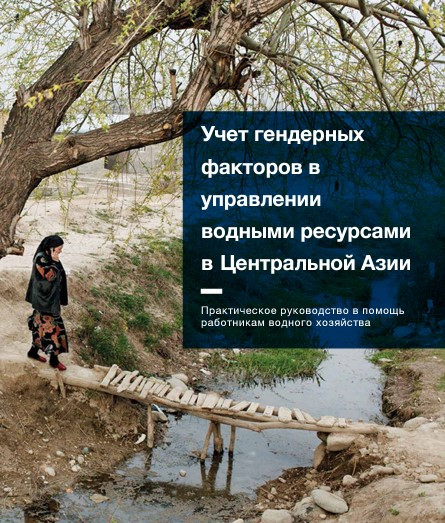 Gender Mainstreaming in Water Governance in Central Asia Year of publication: 2020 Corporate author: Organization for Security and Co-operation in Europe (OSCE) The OCEEA has developed this guide on gender mainstreaming in water management in Central Asia for water professionals in the region. Consideration of minor aspects in the management of increased water content and increased sensitivity, since it can manifest itself as higher sensitivity and a decrease in social disproportion. When women and men equally decide how water is used, it becomes more toxic and more exposed to the needs of the population. Учет гендерных факторов в управлении водными ресурсами в Центральной Азии Year of publication: 2020 Corporate author: Organization for Security and Co-operation in Europe (OSCE) БКЭЭД разработало это руководство по учету гендерной проблематики в управлении водными ресурсами в Центральной Азии для специалистов-водников региона. Учет гендерных аспектов в управлении водными ресурсами способствует стабильности и безопасности, поскольку может привести к более эффективной политике и уменьшить социальные диспропорции и напряженность. Когда женщины и мужчины в равной степени принимают решение о том, как использовать воду, решения становятся более целенаправленными и в большей степени отражают потребности всего населения.
  Addressing Anti-Semitism: why and how? a guide for educators Year of publication: 2007 Corporate author: Organization for Security and Co-operation in Europe (OSCE) These guidelines provide suggestions for teachers and other educators who feel the need to address issues pertaining to contemporary anti-Semitism. Recognizing that the context may vary in every country, or even in individual classrooms, this document provides educators with a general overview of common manifestations of contemporary anti-Semitism, as well as with some key educational principles and strategies for addressing this complex and challenging subject. Aborder l'antisémitisme: pourquoi et comment? Un guide pour les éducateurs Year of publication: 2007 Corporate author: Organization for Security and Co-operation in Europe (OSCE) Ces instructions générales apportent des conseils et indications aux enseignants et autres éducateurs qui doivent aborder des sujets liés à l'antisémitisme contemporain. Ce document, qui reconnaît que le contexte varie selon le pays et selon la composition de la salle de classe, donne aux éducateurs un aperçu général des manifestations courantes de l'antisémitisme contemporain, et formule des principes éducatifs clés et des stratégies pour traiter de ce sujet complexe et délicat.