
Resources
Explore a wide range of valuable resources on GCED to deepen your understanding and enhance your research, advocacy, teaching, and learning.
23 Results found
 Inter-agency peace education programme: skills for constructive living; overview of the programme Year of publication: 2005 Author: Antonella Verdiani Corporate author: UN. Office of the United Nations High Commissioner for Refugees (UNHCR) | Inter-agency Network for Education in Emergencies (INEE) This manual is one of the components of the “Inter-Agency Peace Education Programme”. The programme is designed for education managers of ministries dealing with both formal and non-formal education and for agencies which implement education activities on behalf of the government. The implementation structure is based on the experience acquired over the eight years the programme has been in use, from 1998 to 2005. The programme has been evaluated by external experts and the new revised materials (2005) incorporate both the suggestions made in the evaluation and the feedback from the specialists who implemented it in the field. Programme Interinstitution d'éducation pour la paix: compétences pour la vie constructive; aperçu du programme Year of publication: 2005 Author: Antonella Verdiani Corporate author: UN. Office of the United Nations High Commissioner for Refugees (UNHCR) | Inter-agency Network for Education in Emergencies (INEE) Ce manuel est l'une des composantes du «Programme Interinstitution d'éducation pour la paix». Le programme est conçu pour les gestionnaires de l'éducation des ministères chargés de l'éducation formelle et non-formelle et pour les organismes qui mettent en œuvre des activités d'éducation au nom du gouvernement. La structure de mise en œuvre est basée sur l'expérience acquise au cours des huit années, le programme a été utilisé, de 1998 à 2005. Le programme a été évalué par des experts externes et les nouveaux matériaux révisés (2005) intègrent à la fois les suggestions formulées dans l'évaluation et les réactions des spécialistes qui œuvre dans le domaine.
 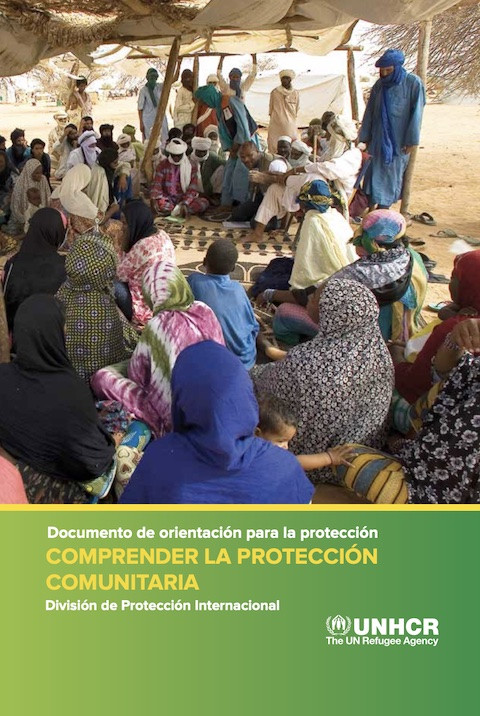 Comprender la protección comunitaria: Documento de orientación para la protección Year of publication: 2013 Corporate author: UN. Office of the United Nations High Commissioner for Refugees (UNHCR) Documento que orienta la protección comunitaria desde el reconocimiento del enfoque comunitario, la definción de la protección y la protección comunitaria. Deja las bases de 12 lecciones funadamentales para este proceso. Understand Community Protection: Guidance for Protection Year of publication: 2013 Corporate author: UN. Office of the United Nations High Commissioner for Refugees (UNHCR) This material guides community protection from recognition of the community approach and definition of protection. It leaves the basis of 12 fundamental lessons for this process.
 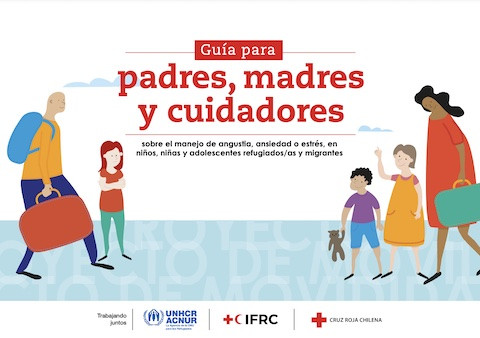 Guide for Fathers, Mothers and Caregivers: On the Management of Anguish, Anxiety or Stress in Refugee and Migrant Children and Adolescents Year of publication: 2020 Corporate author: UN. Office of the United Nations High Commissioner for Refugees (UNHCR) | International Federation of Red Cross and Red Crescent Societies (IFRC) | Chilean Cross Red This guide aims to be a contribution to all those fathers, mothers and caregivers who have seen their children, nephews, grandchildren or children and adolescents who are under their care, face situations of *anguish, *anxiety or *stress, especially due to the migration process and/or situations of social mobilization. Guía para padres, madres y cuidadores: Sobre el manejo de angustia, ansiedad o estrés en niños, niñas y adolescentes refugiado/as y migrantes Year of publication: 2020 Corporate author: UN. Office of the United Nations High Commissioner for Refugees (UNHCR) | International Federation of Red Cross and Red Crescent Societies (IFRC) | Chilean Cross Red Esta guía pretende ser un aporte para todos aquellos padres, madres y cuidadores que han visto a sus hijos/as, sobrinos/as, nietos/as o niños/as y adolescentes que estén bajo sus cuidados, enfrentar situaciones de *angustia, *ansiedad o *estrés, sobre todo debido al proceso de migración y/o a situaciones de movilización social.
  Global Framework for Refugee Education Year of publication: 2019 Corporate author: Global Refugee Forum Education Co-Sponsorship Alliance | UN. Office of the United Nations High Commissioner for Refugees (UNHCR) This Global Framework for Refugee Education has been produced by the Global Refugee Forum’s Education Co-Sponsorship Alliance, comprising more than 60 partners. It aims to help partners to translate the Global Compact on Refugees and the Refugee Education 2030: A Strategy for Refugee Inclusion into pledges for concrete action to help achieve inclusive and equitable quality education for all by 2030.
 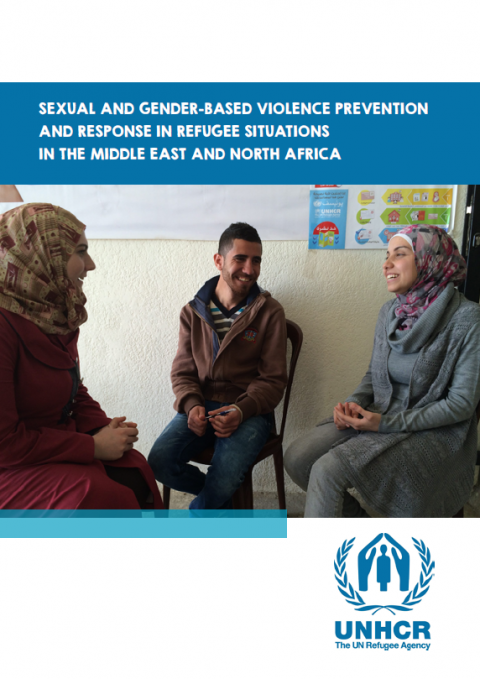 الوقاية من العنف الجنسي والعنف الجندري والاستجابة لهما في حالات اللاجئين في منطقة الشرق الأوسط وشمال أفريقيا Year of publication: 2015 Corporate author: UN. Office of the United Nations High Commissioner for Refugees (UNHCR) تواجه منطقة الشرق الأوسط وشمال أفريقيا الأزمات الانسانية والتهجير القسري على نطاق غير مسبوق. هذه الصراعات إلى جانب التهجيرالناتج عنها تلقي باعبائها بشكل غير متناسق على على النساء والأطفال، والذين يضمون 78% من اللاجئين السوررين. وقد اصبح العنف الجنسي والجندري واسع الانتشار بشكل متزايد في هذه الدول المتاثرة بالنزاع، وغالبا ما يكون أحد أسباب الفرار منها.أن العنف الجنسي والعنف الجندري هما مشكلة خطيرة تنتهك حقوق الانسان، وتتفاقم أكثر فأكثر نتيجة الصراعات والنزوح الذي ينتج عن ذلك. ودعما للعمليات المتعددة القطاعات والمنسقة للوقاية من هذا العنف الجنسي والجندري والاستجابة لهما، يحدد هذا التقرير الإستراتيجيات بالتوافق مع المعايير الدولية، التي تستخدمها المفوضية بالتعاون مع السلطات المحلية، والمنظمات الغير حكومية، وغيرها من الشركاء في جميع أنحاء المنطقة، لتحقيق نتائج ملموسة في الوقاية من العنف الجنسي والجندري وحماية اللاجئين. Sexual and Gender-based Violence Prevention and Response In Refugee Situations in the Middle East and North Africa Year of publication: 2015 Corporate author: UN. Office of the United Nations High Commissioner for Refugees (UNHCR) The Middle East and North Africa (MENA) region is facing humanitarian crises and forced displacement on an unprecedented scale. These conflicts and the resulting displacement disproportionately burden women and children, who now comprise 78 per cent of Syrian refugees. Sexual and gender-based violence (SGBV) is becoming increasingly widespread in these conflict-affected countries, and is often one of the causes of flight. In support for multi-sectorial and coordinated SGBV prevention and response, this report outlines strategies, in line with international standards, that UNHCR uses in coordination with national authorities, non-governmental organizations (NGOs), and other partners across the region, to bring tangible results in preventing and responding to SGBV in refugee situations, as well as in the inter-agency response in situations of internal displacement.
 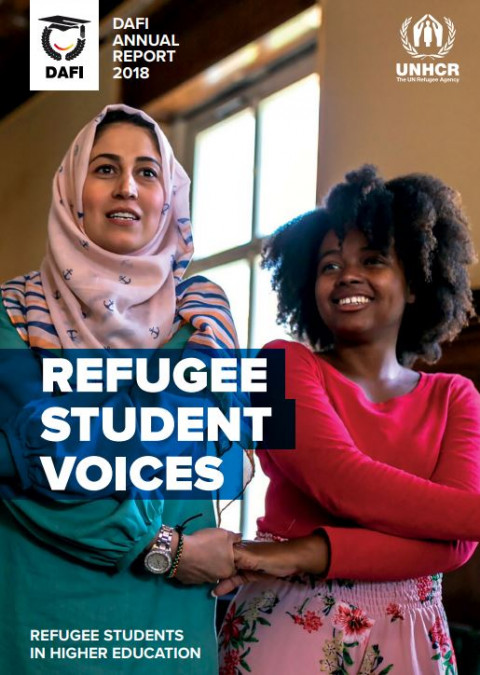 DAFI ANNUAL REPORT 2018- Refugee Student Voices: Refugee Student In Higher Education Year of publication: 2019 Corporate author: UN. Office of the United Nations High Commissioner for Refugees (UNHCR) The DAFI refugee scholarship programme was launched in 1992 by UNHCR and the German government. The programme has supported over 15,500 young refugees to date and is currently implemented in 51 countries, the vast majority of which are in the Global South.The DAFI programme aims to secure refugee students’ inclusion in national education systems, prioritising enrolment in public higher education institutions. Participation in public institutions enables refugee students to study alongside their host country peers and pursue nationally accredited degree programmes, as well as bringing resources into public higher education institutions.