
Resources
Explore a wide range of valuable resources on GCED to deepen your understanding and enhance your research, advocacy, teaching, and learning.
23 Results found
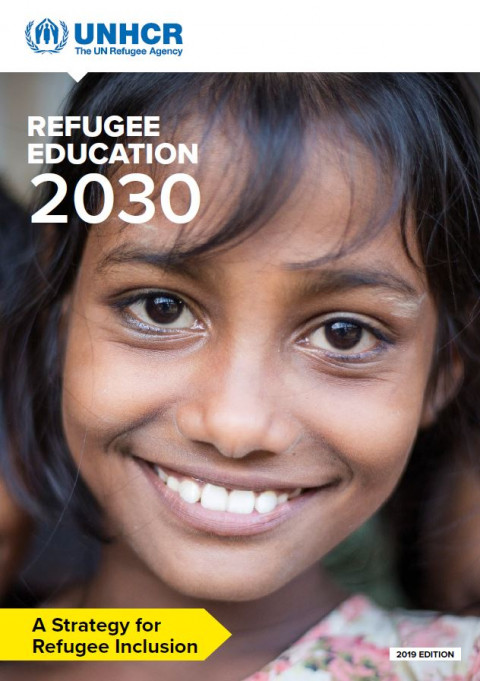 Refugee Education 2030: A Strategy for Refugee Inclusion Year of publication: 2019 Corporate author: UN. Office of the United Nations High Commissioner for Refugees (UNHCR) The UNHCR's 2019 Education strategy, which builds on the Global Compact on Refugees.
 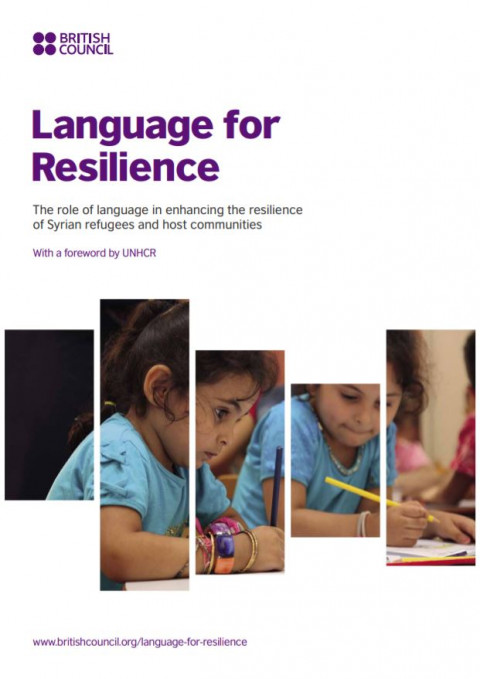 اللغة لتعزيز القدرة على مواجهة الأزمات: فهم الدور الذي تؤديه اللغة في تعزيز قدرة اللاجئين السوريين والمجتمعات المستضيفة لهم على مواجهة الأزمات Year of publication: 2018 Author: Tony Capstick | Marie Delaney Corporate author: British Council | UN. Office of the United Nations High Commissioner for Refugees (UNHCR) يستند التقرير الى دروس مستفادة من برامج اللغة الانجليزية التي يقدمها المجلس الثقافي البريطاني، ويستخدم كمرجع في تطوير البرامج المستقبلية الخاصة بتعليم اللغات للمتأثرين بالأزمة السورية. Language for Resilience: The Role of Language in Enhancing the Resilience of Syrian Refugees and Host Communities Year of publication: 2018 Author: Tony Capstick | Marie Delaney Corporate author: British Council | UN. Office of the United Nations High Commissioner for Refugees (UNHCR) The Language for Resilience report examines the impact of language on refugees and host communities affected by the Syrian crisis, identifying the different ways that language skills enhance resilience and providing suggestions for programme responses that address key needs.The report shows that for children and young people attending schools or post-school education, and for educators in host communities handling influxes of refugee students, quality language learning improves attainment and attendance and builds safer and more inclusive classrooms. It also illustrates how creative approaches to language education can support the development of life skills and help meet psycho-social needs.
 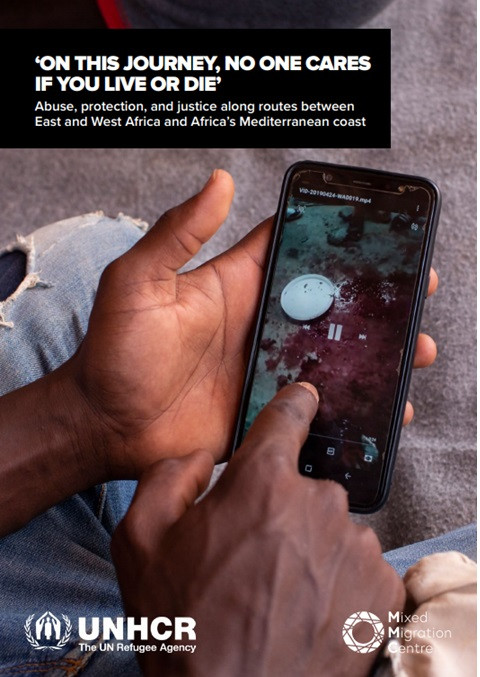 On This Journey, No One Cares If You Live or Die: Abuse, Protection, and Justice Along Routes Between East and West Africa and Africa’s Mediterranean Coast Year of publication: 2020 Corporate author: UN. Office of the United Nations High Commissioner for Refugees (UNHCR) | Mixed Migration Centre This report draws on data collected by the Mixed Migration Centre’s 4Mi monitors along the route to map the places where refugees interviewed in 2018 and 2019 most frequently reported deaths, sexual and gender-based violence (SGBV), physical violence, and kidnappings occurred. It illustrates how refugees and migrants using the route face a series of risks including as they cross into eastern Sudan, and when crossing the Sahara Desert, and then again in multiple places in Libya. Similarly, those traveling through West Africa reported multiple incidents of physical violence, SGBV, as well as deaths at various points. Refugees and migrants have reported being subjected to brutal violence, including being burnt with hot oil, melted plastic, or heated metal objects, being electrocuted, tied in stress positions, and experiencing and witnessing repeated sexual violence, often in the context of ransom demands. UNHCR staff and partners continue to witness the severe impact these abuses have had on the mental health of many men, women, and children.
 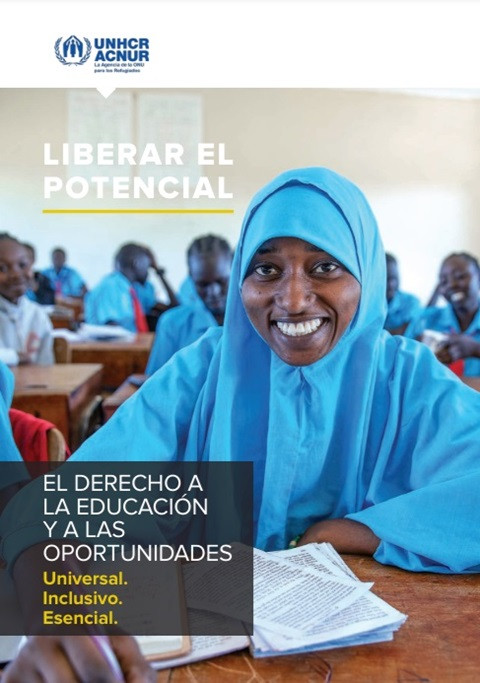 Unleashing Potential: The Right to Education and Opportunity Year of publication: 2023 Corporate author: UN. Office of the United Nations High Commissioner for Refugees (UNHCR) The UNHCR Refugee Education Report 2023 presents the challenges faced by almost 15 million school-aged refugee girls and boys under UNHCR mandate, including others in need of international protection. It also highlights the achievements and aspirations of young refugees who, with the right support, achieved the highest educational goals through perseverance, resilience, determination and enormous effort. Liberar el potencial: El derecho a la educación y a las oportunidades Year of publication: 2023 Corporate author: UN. Office of the United Nations High Commissioner for Refugees (UNHCR) El Informe de Educación de Personas Refugiadas de ACNUR de 2023 presenta los desafíos que enfrentan casi 15 millones de niñas y niños refugiados en edad escolar bajo el mandato de ACNUR, que incluyen a otras personas que necesitan protección internacional. También destaca los logros y las aspiraciones de personas jóvenes refugiadas que, con el apoyo adecuado, lograron los objetivos educativos más altos gracias a la perseverancia, la resiliencia, la determinación y un enorme esfuerzo.
 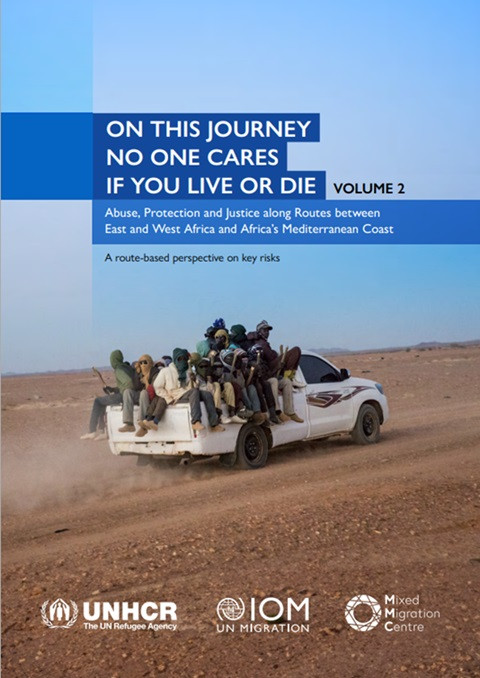 On This Journey No One Cares If You Live or Die, Volume 2: Abuse, Protection and Justice Along Routes Between East and West Africa and Africa's Mediterranean Coast Year of publication: 2024 Corporate author: International Organization for Migration (IOM) | Mixed Migration Centre | UN. Office of the United Nations High Commissioner for Refugees (UNHCR) In the complex landscape of migration, this second volume of the report, On This Journey, No One Cares if You Live or Die, emerges as a crucial body of work that sheds light on the stark realities faced by refugees and migrants traversing the perilous Central Mediterranean route all the way from East and Horn of Africa and West Africa to the North African coast of the Mediterranean and across the sea. Jointly published by IOM, MMC and UNHCR, this report delves into the protection risks faced by refugees and migrants during these journeys. It aims to inform increased and concrete routes-based protection responses to reduce the suffering associated with the desperate journeys refugees and migrants undertake, and to serve as a call to action in addressing the root causes of displacement and drivers of irregular migration through positive action on peace, climate change, governance, inequality and social cohesion, as well as the creation of safe migration pathways.
  Education 2030: Incheon declaration and framework for action towards inclusive and equitable quality education and lifelong learning for all Year of publication: 2015 Corporate author: UNESCO | United Nations Development Programme (UNDP) | United Nations Population Fund (UNFPA) | UN. Office of the United Nations High Commissioner for Refugees (UNHCR) | United Nations Children's Fund (UNICEF) | United Nations Entity for Gender Equality and the Empowerment of Women (UN Women) | World Bank This framework — painstakingly drafted over many months with input from governments, international agencies, civil society and experts — provides guidance for implementing the education commitments made in the 2030 Agenda for Sustainable Development at a national, regional and global level. In particular: it aims at mobilizing all countries and partners around Sustainable Education Goal 4 and its targets;it proposes ways of implementing, coordinating, financing and monitoring the new commitments; andit proposes indicative strategies which countries may wish to draw upon in developing their plans, taking into account different national realities, capacities and levels of development and respecting national policies and priorities. 교육 2030 인천선언과 실행계획: 포용적이고 공평한 양질의 교육과 모두를 위한 평생학습을 향해 Year of publication: 2015 Corporate author: 유네스코 | United Nations Development Programme (UNDP) | United Nations Population Fund (UNFPA) | UN. Office of the United Nations High Commissioner for Refugees (UNHCR) | United Nations Children's Fund (UNICEF) | United Nations Entity for Gender Equality and the Empowerment of Women (UN Women) | World Bank 정부, 국제기구, 시민사회와 전문가의 조언을 받아 몇 달 동안 많은 노력을 기울여 초안이 작성된 이 실행계획은 지속가능한 발전을 위한 2030 아젠다의 국가적, 지역적, 세계적 단계에서의 실현을 위한 교육의 역할에 대한 실천 가이드를 제공한다. 이는 모든 국가와 지속가능목표 4와 그 대상을 둘러싼 파트너들을 움직이도록 하는 데에 그 목적을 둔다.이 실행계획은 새로운 역할에 대한 실천, 협력, 자금조달과 관찰 방안을 제안한다.이 실행계획은 각 국가들이 서로 다른 국가적 상황과 역량, 발전 단계 및 각국의 정책과 우선순위를 존중한 계획을 세울 수 있도록 전략을 보여준다.
  Educação 2030 Declaração de Incheon Rumo a uma educação de qualidade inclusiva e equitativa e à educação ao longo da vida para todos Year of publication: 2016 Corporate author: UNESCO | United Nations Development Programme (UNDP) | UN. Office of the United Nations High Commissioner for Refugees (UNHCR) | United Nations Children's Fund (UNICEF) | United Nations Entity for Gender Equality and the Empowerment of Women (UN Women) | United Nations Population Fund (UNFPA) This framework — painstakingly drafted over many months with input from governments, international agencies, civil society and experts — provides guidance for implementing the education commitments made in the 2030 Agenda for Sustainable Development at a national, regional and global level. In particular: it aims at mobilizing all countries and partners around Sustainable Education Goal 4 and its targets; it proposes ways of implementing, coordinating, financing and monitoring the new commitments; and it proposes indicative strategies which countries may wish to draw upon in developing their plans, taking into account different national realities, capacities and levels of development and respecting national policies and priorities.