
Resources
Explore a wide range of valuable resources on GCED to deepen your understanding and enhance your research, advocacy, teaching, and learning.
12 Results found
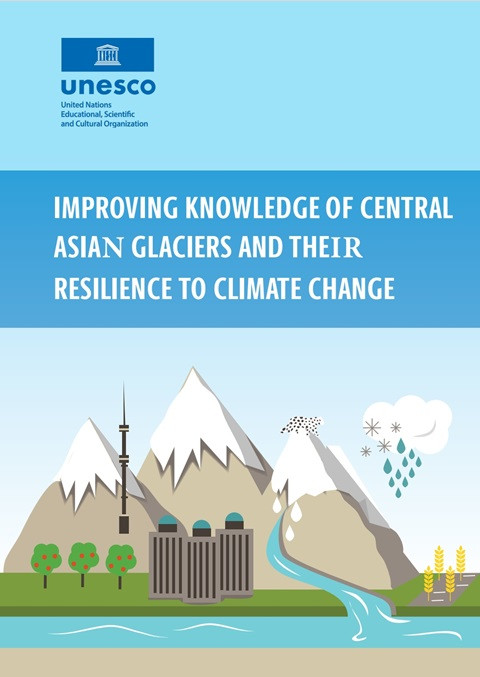 Improving Knowledge of Central Asian Glaciers and Their Resilience to Climate Change Year of publication: 2022 Corporate author: UNESCO Almaty | Global Environment Facility (GEF) | United Nations Development Programme (UNDP) The planned project under the Global Environment Facility and jointly with the UN Development Programme aims to improve the knowledge and monitoring of all key components of the cryosphere: glaciers, snow and permafrost, and support practical climate adaptation measures in the five nations of Central Asia. Paзвитие знаний о ледниках центральной азии и меры адаптации к изменению климата Year of publication: 2022 Corporate author: UNESCO Almaty | Global Environment Facility (GEF) | United Nations Development Programme (UNDP) Планируемый проект в рамках Глобального Экологического Фонда и совместно с Программой Развития ООН направлен на улучшение знаний и мониторинга всех ключевых компонентов криосферы: ледников, снега и вечной мерзлоты, а также на поддержку практических мер по адаптации к изменению климата в пяти странах Центральной Азии.
 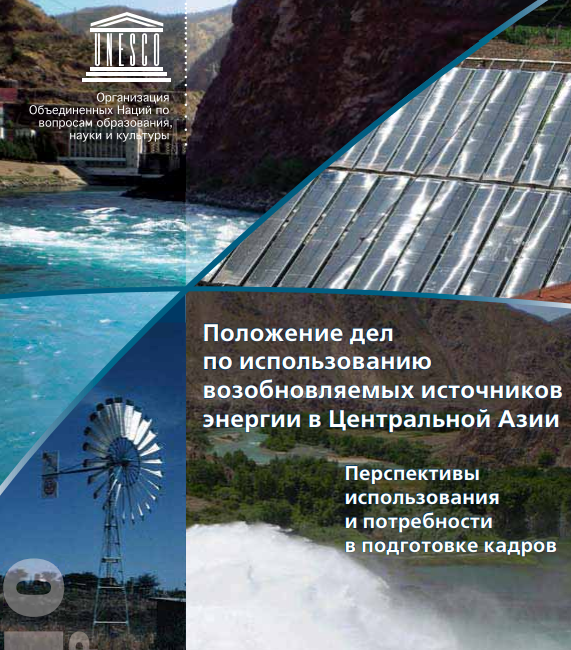 The State of Affairs on the Use of Renewable Energy Sources in Central Asia: Prospects for Use and Training Needs Year of publication: 2010 Corporate author: UNESCO Almaty This review was prepared in 2009 by order of the UNESCO Cluster Office in Almaty by a group of national experts to highlight the situation on the current state of affairs and prospects for the use of renewable energy sources in the Republic of Kazakhstan, the Kyrgyz Republic, the Republic of Tajikistan and the Republic of Uzbekistan based on a questionnaire of interested parties, studying documents of international projects and other open literature sources. When preparing the review, the goal was to explore not so much the technical potential of the Central Asian countries in the field of renewable energy development, but rather to clarify the position of stakeholders in their development, and their readiness to pursue environmentally acceptable policies. Положение дел по использованию возобновляемых источников энергии в Центральной Азии: Перспективы использования и потребности в подготовке кадров Year of publication: 2010 Corporate author: UNESCO Almaty Настоящий обзор был подготовлен в 2009 по заказу Кластерного бюро ЮНЕСКО в г. Алматы группой национальных экспертов для освещения ситуации по текущему состоянию дел и перспективам использования возобновляемых источников энергии в Республике Казахстан, Кыргызской Республике, Республике Таджикистан и Республике Узбекистан на основе анкетирования заинтересованных сторон, изучения документов международных проектов и других открытых литературных источников. При подготовке обзора стояла цель исследовать не столько технический потенциал стран ЦА в области развития ВИЭ, сколько прояснить позицию заинтересованных сторон в их развитии, их готовность к проведению экологически приемлемой политики.
  Policy Brief: Prevention of Violent Extremism Through Education in Central Asia Year of publication: 2019 Corporate author: UNESCO Almaty Education has a powerful role to play in long-term prevention of violent extremism by equipping learners with the right skills and competencies, increasing employment opportunities and empowering youth. This policy brief aims to provide a better understanding of Preventing Violent Extremism through Education (PVE-E) and the relevant policy interventions that could be taken. Аналитическая записка: предотвращение насильственного экстремизма посредством образования в Центральной Азии Year of publication: 2019 Corporate author: UNESCO Almaty Образование призвано сыграть важную роль в долго-срочном предотвращении насильственного экстре-мизма путем обеспечения учащихся соответствующими навыками и компетенциями, расширения возможностейтрудоустройства, а также прав и возможностеймолодежи. Цель настоящей аналитической записки заключается в том, чтобы обеспечить лучшее понимание о предотвращении насильственного экстремизма по средством образования (ПНЭ-О) и соответствующих политических мерах, которые могут быть предприняты.
  Аналитическая записка: Обучение на протяжении всей жизни в Центральной Азии Year of publication: 2019 Corporate author: UNESCO Almaty Обучение на протяжении всей жизни занимает самое центральное место в глобальной повестке дня в области образования и ЦУР4 с обязательным обеспечением "инклюзивного и справедливого качественного образования и возможностей обучения на протяжении всей жизни для всех".Центральноазиатские системы образования добились успеха в обеспечении почти всеобщей грамотности, в том числе среди взрослых, а также во всеобщем предоставлении образования на начальном и среднем уровнях. Однако прежняя система Советского Союза привела к определенной негибкости систем образования в субрегионе, а также их неспособности быстро адаптироваться к разным потребностям учащихся, ставя сложную задачу в обеспечении обучения на протяжении всей жизни. Policy brief: lifelong learning in Central Asia Year of publication: 2019 Corporate author: UNESCO Almaty Lifelong learning stands at the very core of the global education agenda and SDG 4, with a commitment to ensure ‘inclusive and equitable quality education and lifelong learning opportunities for all.Central Asian education systems have been successful in ensuring near-universal literacy, including among adults, as well as the universal provision of education at the primary and secondary levels. However, the legacy of the Soviet Union has resulted in a certain inflexibility of education systems in the sub-region, as well as their inability to rapidly adapt to the diverse needs of learners—posing a significant challenge to ensuring lifelong learning.
 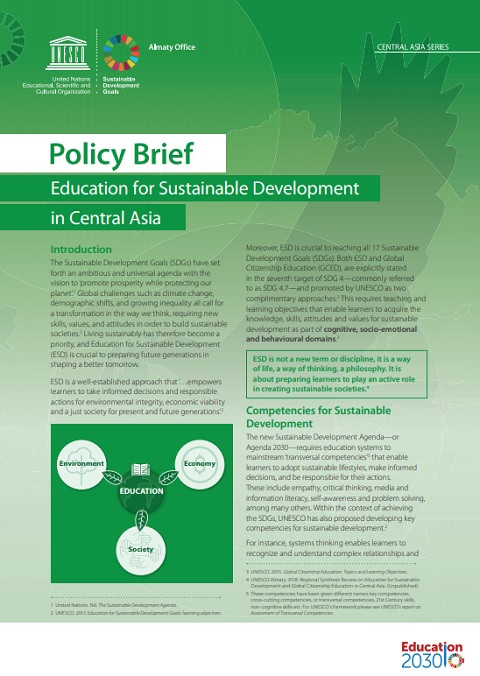 Policy Brief: Education for Sustainable Development in Central Asia Year of publication: 2019 Corporate author: UNESCO Almaty Education for Sustainable Development(ESD) is crucial to reaching all 17 Sustainable Development Goals (SDGs). Both ESD and Global Citizenship Education (GCED) are explicitly stated in the seventh target of SDG4 and promoted by UNESCO as two complimentary approaches. This requires teaching and learning objectives that enable learners to acquire the knowledge, skills, attitudes and values for sustainable development as part of cognitive, socio-emotional and behavioural domains. This policy brief explores the challenges, promising practices, and policy recommendations when it comes to mainstreaming ESD in Central Asia’s education systems. Аналитическая записка: Образование в интересах устойчивого развития в Центральной Азии Year of publication: 2019 Corporate author: UNESCO Almaty ОУР имеет решающее значение для достижения всех установленных 17 ЦУР. Как ОУР, так и Образование в духе глобальной гражданственности (ОГГ) непосредственно указаны в седьмой задаче ЦУР 4 как два взаимодополняющих подхода. Для этого перед преподаванием и обучением необходимо ставить задачи, которые позволяют учащимся приобретать знания, навыки, подходы и ценности для устойчивого развития в рамках когнитивных, социальноэмоциональных и поведенческих аспектов. В настоящей аналитической записке излагаются проблемы, примеры применения многообещающих практик и рекомендации по внедрению ОУР в системы образования стран Центральной Азии.