
Resources
Explore a wide range of valuable resources on GCED to deepen your understanding and enhance your research, advocacy, teaching, and learning.
29 Results found
 Réunion internationale d'experts de l'UNESCO: la promotion d'une culture du dialogue interculturel dans les États Arabes; rapport Year of publication: 2012 Corporate author: UNESCO Beirut Dans le cadre du projet «Promotion d'une culture de la paix et le dialogue » une réunion internationale d'experts sur la promotion d'une culture du dialogue interculturel dans les Etats arabes a eu lieu à Beyrouth, au Liban les 6 et 7 Mars 2012 à l'Hôtel Holiday Inn à Verdun . La réunion a été organisée par le Bureau UNESCO à Beyrouth en partenariat avec le gouvernement de l'Arabie saoudite et les Abdulaziz Centre roi de dialogue national et en collaboration avec la Fondation de la pensée arabe. L'événement de 2 jours a été une réunion historique de 35 experts et professionnels de plus de 11 pays, représentant un large éventail de domaines dans la résolution des conflits, la recherche et l'éducation, les médias et le journalisme. La réunion est la première activité d'une série d'activités et d'interventions régionales qui seront organisées dans le cadre du projet de l'UNESCO «Promotion d'une culture de la paix et le dialogue ».
  Cultural aspects in Christian and Islamic religions Year of publication: 2011 Corporate author: UNESCO Beirut | Université Saint Joseph de Beyrouth This book allows the readers the opportunity to know about the cultural aspects related to religions, mainly in Lebanon and the Near East, their meaning and their aim. This knowledge will help the reader, firstly, to grasp the meaning of these various aspects, whether they concern him directly or the people who live in the same country, with whom he shares common space and living. Secondly, the book contributes to the Lebanese understanding one another’s behaviors and their own behavior concerning these aspects. Therefore, the book also contributes to the Lebanese looking at one another with more trust before starting to criticize. This book includes chapters that cover most of the different cultural aspects in Christian and Islamic religions. The first chapter deals with time, passing through each month of the year and its days, in a chronological manner. The second chapter delves into religious occasions in the Christian then Islamic religions. It explains the meaning of Holidays and remembrances of God and their particular aspects as well as the religious reasons of each. This chapter includes a part about al-‘awliya’ and Saints who are mentioned in some of the Lebanese daily rituals. Chapter three delves into the individual’s life stages from birth to religious vows, to marriage and death. The aspects that go with these stages constitute an important part in the life of the Lebanese. This chapter details the aspects and traditions of all these stages in which people take part, thus creating a common ground in a multi-religious society. Chapter four deals with religious practices, acts of worship, and legal prescriptions. It describes them and deals with their spiritual meaning to individuals who express their faith when practicing them. Prayer, Mass, and Pilgrimage, among others, are religious practices that are detailed in a way to make the reader understand what they mean to those who perform them. Chapter five leads us into religious places and their meaning, from churches to mosques and monasteries, khalwat and husayniyyat, all of which have different and divergent meanings to visitors. Yet, they all show the importance given by man to the place when expressing his faith and his relation with the Creator. Chapter six takes us to religious habits and customs, such as the clothes worn by religious dignitaries, their symbolism and meaning. It also deals with some general habits and customs. The reader may find that some chapters overlap. In fact, we have tried to make each part related to the others yet independent from them. This method facilitates the reading and understanding of any subject on its own without the need to refer to prior or subsequent parts. Finally, those who had any – minor or major – contribution in this book – despite the lacks that some readers might see – hope that they have offered a useful work in the process of discovering others who are different and who hold rich traditions as well human and spiritual values.
 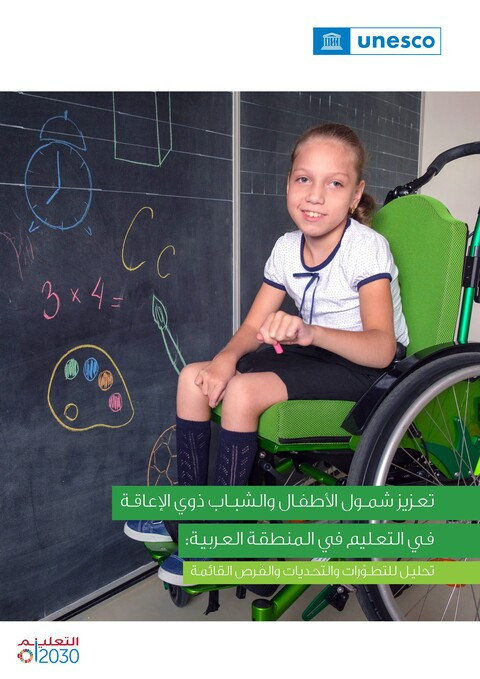 تعزيز شمول الأطفال والشباب ذوي الإعاقة في التعليم في المنطقة العربية: تحليل للتطوّرات والتحديات والفرص القائمة Year of publication: 2022 Author: Maha Khochen-Bagshaw Corporate author: UNESCO Beirut أعد هذا التقرير مكتب اليونسكو الإقليمي للتربية في الدول العربية في إطار برنامج الأمير سلطان بن عبد العزيز آل سعود لتعزيز اللغة العربية. ويقدم التقرير تحليلاً للتعليم الشامل في البلدان العربية بهدف صياغة توصيات مستقبلية.ورغم أنّ التقرير يركز تحديدًا على الأشخاص ذوي الإعاقة، فهو يقرّ أنّ فئات أخرى من المتعلمين تعاني من التهميش ولا تستطيع الانتفاع من الفرص التعليمية. ويتناول العوائق والتحديات التي تحول دون الشمول، ويتطرق إلى التقدم المحرز والتقدم اللازم تحقيقه ليصبح التعليم الجيد الشامل واقعًا في المنطقة العربية. ويؤكد التقرير ضرورة التعاون المنظم والمنهجي بين المعلمين والمدارس والمجتمع التعليمي. ويدعو الحكومات إلى تنفيذ تدابير فورية لإسناد المسؤوليات المرتبطة بالمتعلمين ذوي الإعاقة إلى وزارة التربية والتعليم، ويحثها على تخصيص التمويل الكافي لوضع خطط فعالة وقابلة للتنفيذ وحشد الالتزام الوطني بالتعليم الشامل للجميع. Promoting the Inclusion of Children and Young People with Disabilities in Education in the Arab Region: An Analysis of Existing Developments, Challenges and Opportunities Year of publication: 2022 Author: Maha Khochen-Bagshaw Corporate author: UNESCO Beirut This report was prepared by the UNESCO Regional Office for Education in the Arab Countries within the framework of the Prince Sultan bin Abdulaziz Al Saud Program to Promote the Arabic Language. The report provides an analysis of inclusive education in Arab countries with the aim of formulating future recommendations, although the report focuses specifically on persons with disability. It acknowledges that other categories of learners suffer from marginalization and are unable to benefit from educational opportunities. It addresses the obstacles and challenges that prevent inclusion, and addresses the progress made and the progress needed to make comprehensive quality education a reality in the Arab region. The report stresses the need for organized and systematic cooperation between teachers, schools and the educational community. It calls on governments to implement immediate measures to assign responsibilities related to learners with disabilities to the Ministry of Education, and urges them to allocate adequate funding to develop effective and implementable plans and mobilize national commitment to inclusive education for all. Promouvoir l’inclusion des enfants et des jeunes handicapés dans l’éducation dans la région arabe: une analyse des développements, défis et opportunités actuels Year of publication: 2022 Author: Maha Khochen-Bagshaw Corporate author: UNESCO Beirut Ce rapport a été préparé par le Bureau régional de l'UNESCO pour l'éducation dans les pays arabes dans le cadre du programme du Prince Sultan ben Abdulaziz Al Saud pour promouvoir la langue arabe. Le rapport fournit une analyse de l'éducation inclusive dans les pays arabes dans le but de formuler des recommandations futures, bien qu'il se concentre spécifiquement sur les personnes en situation de handicap. Il reconnaît que d'autres catégories d'apprenants souffrent de marginalisation et ne peuvent pas bénéficier des opportunités éducatives. Il aborde les obstacles et défis qui empêchent l'inclusion, ainsi que les progrès réalisés et ceux nécessaires pour faire de l'éducation de qualité une réalité dans la région arabe. Le rapport souligne la nécessité d'une coopération organisée et systématique entre les enseignants, les écoles et la communauté éducative. Il appelle les gouvernements à mettre en œuvre des mesures immédiates pour assigner les responsabilités liées aux apprenants en situation de handicap au ministère de l'Éducation, et les exhorte à allouer un financement adéquat pour développer des plans efficaces et réalisables et mobiliser l'engagement national en faveur de l'éducation inclusive pour tous.
 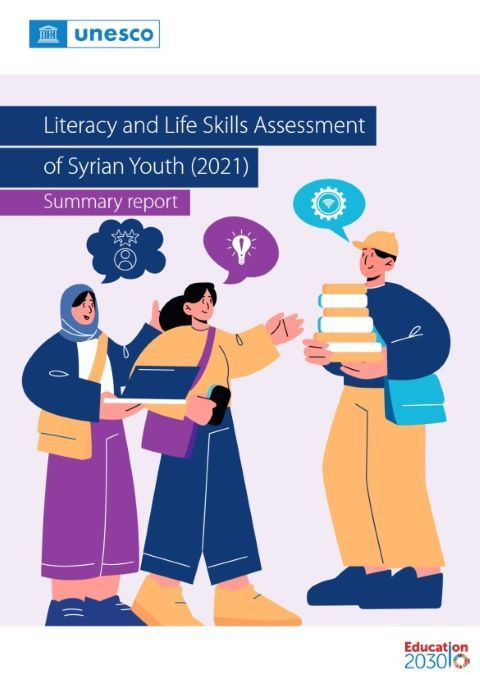 تقييم معرفة القراءة والكتابة والمهارات الحياتية لدى الشباب السوري (2021) : تقرير موجز Year of publication: 2022 Corporate author: UNESCO Beirut تسببت الأزمة السورية في حدوث اضطرابات في تعليم الأطفال والشباب لأكثر من عقد. لقد أضاف جائحة COVID-19 ، مع إغلاق المدارس ذات الصلة ، عبئًا إضافيًا على الوضع الحالي ، مما أثر على نتائج التعلم في جميع أنحاء العالم. إن تقييم حالة كفاءات الشباب السوري في محو الأمية والحساب والمهارات الحياتية أمر ضروري لتخطيط وتنفيذ برامج أفضل لمساعدتهم على تعويض خسائرهم التعليمية. الهدف النهائي هو دعمهم ليكونوا قادرين على العودة إلى مسارات التعليم الرئيسية أو تزويدهم بالمهارات الأساسية للتعامل مع الاحتياجات اليومية في بيئاتهم الشخصية والمهنية.تقيس دراسة "تقييم معرفة القراءة والكتابة والمهارات الحياتية للشباب السوري" (LLASY) المستويات الحالية لمحو الأمية والحساب ، بالإضافة إلى المهارات الحياتية لشباب سوريا الذين تتراوح أعمارهم بين 15 و 24 عامًا والذين يعيشون حاليًا داخل البلاد. وتشمل العينة الشباب ، والشابات ، والذكور ، الملتحقين بمؤسسات تعليمية أو تدريبية ، ومن هم خارجها. Literacy and Life Skills Assessment of Syrian Youth (2021): Summary Report Year of publication: 2022 Corporate author: UNESCO Beirut The Syrian crisis has caused disruptions to children’s and youth’s education for over a decade. The COVID-19 pandemic, with the related school closures, has added an additional burden to the existing situation, impacting learning outcomes worldwide. Assessing the status of Syrian youth’s competencies in literacy, numeracy and life skills, is essential in order to plan and implement better programmes to help them catch up on their learning losses. The ultimate goal is to support them to be able to go back into the main education streams or provide them with basic skills to cope with daily needs in their personal and professional environments.The ‘Literacy and Life Skills Assessment of Syrian Youth’ (LLASY) study measures current literacy and numeracy levels, as well as life skills of the youth of Syria of the 15 to 24 age group currently living inside the country. The sample includes youth, female and male, who are enrolled in educational or training institutions, as well as those who are out of them.
  تعزيز التربية على المواطنة العالمية في الجامعات العربية: لمحة إقليمية Year of publication: 2022 Corporate author: UNESCO Beirut لفهم حالة التربية على المواطنة العالمية في الجامعات العربية، قامت اليونسكو بتكليف دراسة لتحليل ما يلي:. ما إذا كانت التربية على المواطنة العالمية منصوص عليها في سياسات الجامعات، ورؤياها، ورسالتها، وقيمها، وأهدافها،وأهدافها االستراتيجية، وخططها؛م التربية على المواطنة العالمية.ُّ. ّ ما إذا كان الطالب يرون أن ّ جامعتهم تطور نتائج تعلوتحلل الدراسة التي أجرتها اليونسكو في عام 2021 الوثائق االستراتيجية لـ 34 جامعة في 17 ً بلدا في المنطقة العربية. وأجرياستطالع على 336 ً طالب ُ ا وطالبة في سلطنة عمان بشكل أساسي وفي جامعات أخرى في المنطقة العربية. Promoting Global Citizenship Education in Arab Universities: A Regional Outlook Year of publication: 2022 Corporate author: UNESCO Beirut To better understand the situation of GCED in Arab universities, UNESCO commissioned a study to analyse: 1. If GCED is enshrined in their policies, visions, missions, values, objectives, and strategic goals and plans; 2. If students perceive that their universities are developing the learning outcomes of GCED.The study, carried out by UNESCO in 2021, analysed the strategic documents and plans of 34 universities from 17 countries in the Arab region. A survey was also administered to 336 students, primarily in Oman but also including students at several other universities in the Arab region.
  تعزيز التربية على المواطنة العالمية في الجامعات العربية : الإجراءات المقترحة Year of publication: 2022 Author: Ellen Middaugh Corporate author: UNESCO Beirut "يمكن أن يؤدي التعليم العالي دورًا مهما في تعزيز التربية على المواطنة العالمية. فهو يوفر الحافز والفرصة والدعم للشباب ليتعرفوا إلى القضايا العالمية، ويتفاعلوا مع ثقافات متنوعة، ويمارسوا مهارات المواطنة العالمية في سن الاستكشاف الذاتي والاجتماعي والسياسي والمهني. ويمكن للجامعات أن تشجع الطالب على حمل هذه المهارات والقيم معهم عندما يكبرون لمشاركتها مع الآخرين ومواصلة هذه العملية طوال حياتهم. وتلتزم الجامعات العربية بشدة بالتربية على المواطنة العالمية، إلا أن طريقة تنفيذها للمواطنة العالمية بشكل ملموس بين الاجتماعي العاطفي والسلوكي - اللذين تحتاج إلى التحسين. فالمجال المعرفي للتعلم يحظى باهتمام أكبر من المجال يساهمان اكثر في المشاركة التحويلية الفعالة. واستنادًا إلى الممارسات الحالية، توفر هذه الوثيقة مقترحات ملموسة للجامعات واألوساط األكاديمية والطالب حول كيفية تعميم المواطنة العالمية وقيمها بشكل أفضل من خالل التعليم العالي في المنطقة العربية."