
Resources
Explore a wide range of valuable resources on GCED to deepen your understanding and enhance your research, advocacy, teaching, and learning.
2 Results found
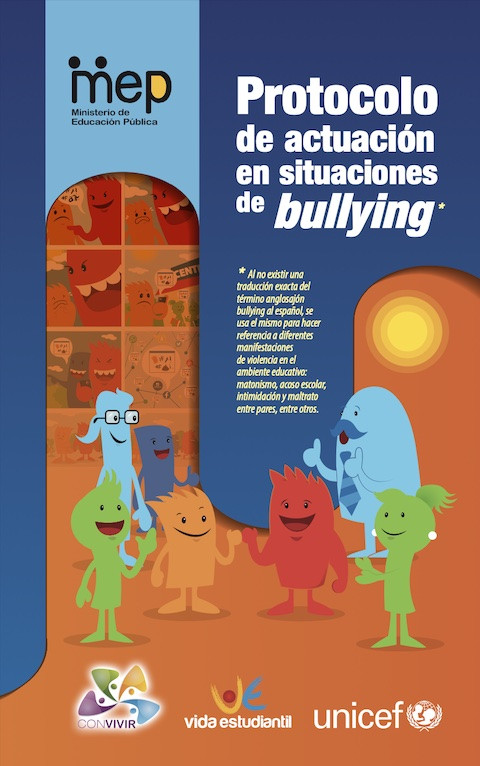 Protocolo de actuación en situaciones de bullying Year of publication: 2016 Corporate author: Ministry of Public Education, Directorate of Student Life (MEP) | UNICEF El bullying es una realidad que sufren niños, niñas, adolescentes y jóvenes en todo el mundo. Afecta su bienestar, su desarrollo y el ejercicio de sus derechos así como de sus responsabilidades. Atender estas situaciones en el ambiente educativo, exige un esfuerzo coordinado y articulado de asignación de tiempo, recursos, tareas y responsabilidades de todas y todos los actores de la comunidad educativa e instituciones responsables de la atención de la población infanto-juvenil.
 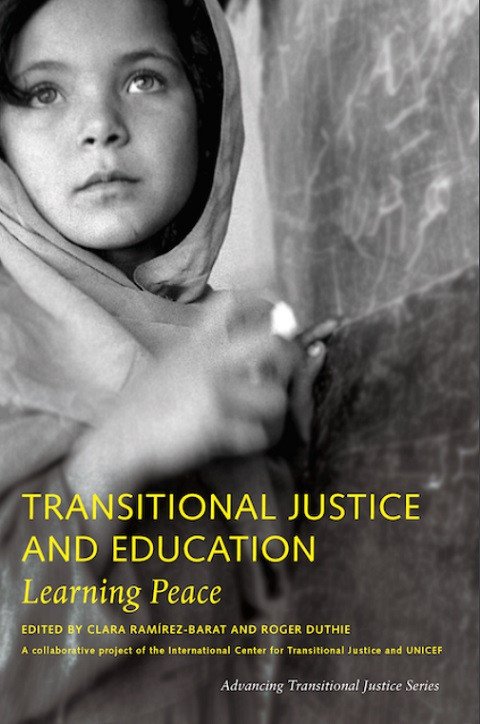 Transitional Justice and Education: Learning Peace (Advancing Transitional Justice Series) Year of publication: 2017 Author: Clara Ramírez-Barat | Roger Duthie Corporate author: Social Science Research Council (SSRC) | UNICEF After periods of conflict and authoritarianism, education institutions often need to be reformed or rebuilt. But in settings where education has been used to support repressive policies and human rights violations, or where conflict and abuses have resulted in lost educational opportunities, legacies of injustice may pose significant challenges to effective reform. Peacebuilding and development perspectives, which normally drive the reconstruction agenda, pay little attention to the violent past. Transitional Justice and Education: Learning Peace presents the findings of a collaborative research project of the International Center for Transitional Justice and UNICEF on the relationship between transitional justice and education in peacebuilding contexts. The book examines how transitional justice can shape the reform of education systems by ensuring programs are sensitive to the legacies of the past, how it can facilitate the reintegration of children and youth into society, and how education can engage younger generations in the work of transitional justice.