
Resources
Explore a wide range of valuable resources on GCED to deepen your understanding and enhance your research, advocacy, teaching, and learning.
137 Results found
 تحويل عالمنا: خطة التنمية المستدامة لعام ٢٠٣٠ - الجمعية العامة للامم المتحدة Year of publication: 2015 Corporate author: United Nations (UN) تمثل هذه الخطة برنـامج عمـل لأجـل النـاس والأرض ولأجـل الازدهـار. وهـي ـدف أيضا إلى تعزيز السـلام العـالمي في جـو مـن الحريـة أفسـح. ونحـن نـدرك أن القضـاء علـى الفقـر بجميع صوره وأبعاده، بما في ذلك الفقر المدقع، هو أكبر تحد يواجه العالم، وهـو شـرط لا غـنى عنه لتحقيق التنمية المستدامة. وستعمل جميع البلدان والجهات صاحبة المصلحة على تنفيـذ هـذه الخطـة في إطـار مـن الشراكة التعاونية. ونحن عاقدون العـزم علـى تحريـر الجـنس الب شـري مـن طغيـان الفقـر والعـوز وعلى تضميد جـراح كوكبنـا وحفظـه. ومصـممون علـى اتخـاذ الخطـوات الجريئـة المفضـية إلى التحـول الـتي تلـزم بصـورة ملحـة للانتقـال بالعـالم نحـو مسـار قوامـه الاسـتدامة والقـدرة علـى الصمود. ونتعهد، ونحن مقبلون على هذه الرحلة الجماعية، بألا يخلف الركب أحد ا وراءه. وتبرهن أهداف التنمية المستدامة، البالغ عددها ١٧ هدفا، وغاياا، البالغ عددها ١٦٩ غاية، التي سنعلن عنها اليوم على اتساع نطاق هذه الخطة العالمية ومدى طموحها. فالمنشود من هذه الأهداف والغايـات هـو مواصـلة مسـيرة الأهـداف الإنمائيـة للألفيـة وإنجـاز مـا يت لم حقـق في إطارها. كذلك يقصد ا إعمال حقوق الإنسان الواجبة للجميع وتحقيق المسـاواة بـين الجنسـين وتمكين النساء والفتيات كافة. وهي أهداف وغايات متكاملـة غـير قابلـة للتجزئـة تحقـق التـوازن بين الأبعاد الثلاثة للتنمية المستدامة: البعد الاقتصادي والبعد الاجتماعي والب عد البيئي. Transforming our world: the 2030 Agenda for Sustainable Development - United Nations General Assembly Year of publication: 2015 Corporate author: United Nations (UN) This plan represents a program of action for people and land and for prosperity. It is also aimed at promoting world peace in a more free atmosphere. We recognize that the eradication of poverty in all its forms and dimensions, including extreme poverty, is the world's greatest challenge and an indispensable condition for sustainable development. All countries and stakeholders will implement this plan within the framework of the cooperative partnership. We are determined to free mankind from the tyranny of poverty and want and to heal and preserve the wounds of our planet. We are determined to take the bold steps leading to the transformation that are urgently needed to move the world towards a path of sustainability and resilience. As we embark on this collective journey, we pledge that no one will be left behind. The 17 Sustainable Development Goals and the 169 targets that we will announce today demonstrate the breadth and ambition of this global agenda. The aim of these goals and objectives is to continue the process of the Millennium Development Goals and achieve what has not been achieved within the framework. They are also intended to realize human rights for all, achieve gender equality and empower all women and girls. These are integral and indivisible goals and objectives that balance the three dimensions of sustainable development: the economic, social and environmental dimensions.
  استراتيجية الأمم المتحدة وخطة عملها بشأن خطاب الكراهية Year of publication: 2019 Corporate author: United Nations (UN) استجابة للاتجاهات المثيرة للقلق المتمثلة في تصاعد خطاب الكراهية حول العالم، أطلق الأمين العام للأمم المتحدة أنطونيو غوتيريش استراتيجية وخطة عمل الأمم المتحدة بشأن خطاب الكراهية في 18 حزيران/يونيو 2019.تسعى هذه الاستراتيجية إلى تعزيز استجابة الأمم المتحدة للظاهرة العالمية لخطاب الكراهية، وهي نتيجة للتعاون الوثيق بين 16 كيانًا في إطار فريق الأمم المتحدة العامل المعني بخطاب الكراهية وينسقها المستشار الخاص للأمم المتحدة المعني بمنع الإبادة الجماعية.تلتزم الاستراتيجية التزامًا راسخًا بتكثيف العمل المنسق للتصدي لخطاب الكراهية، على المستويين العالمي والوطني. 联合国关于仇恨言论的战略和行动计划 Year of publication: 2019 Corporate author: United Nations (UN) 为应对世界各地仇恨言论上升的惊人趋势,秘书长安东尼奥·古特雷斯于2019年6月18日发布了《联合国关于仇恨言论的战略和行动计划》。该战略旨在帮助联合国加强应对全球仇恨言论现象,是联合国仇恨言论工作组下的16个实体密切协作的成果,由联合国防止灭绝种族罪行特别顾问协调。该战略坚定地承诺在全球和国家层面加强协调行动,以应对仇恨言论。
  Literacy for Empowerment and Transformation: Report of the Secretary-General Year of publication: 2024 Corporate author: United Nations | UNESCO The present report is submitted in fulfilment of the request made by the General Assembly, in its resolution 77/192, that the Secretary-General, in cooperation with the Director General of the United Nations Educational, Scientific and Cultural Organization (UNESCO), submit to the Assembly at its seventy-ninth session a report on the implementation of the resolution. The Assembly also invited UNESCO to continue its mandated role to lead and coordinate the Education 2030 Agenda and requested UNESCO to continue its coordinating and catalysing role through the implementation of the strategy of the Global Alliance for Liter acy and by continuing to provide support to Member States. The present report provides an overview of the global literacy landscape, highlighting progress, key challenges and recommendations for further promotion of literacy as part of the 2030 Agenda for Sustainable Development, the follow-up to the Transforming Education Summit and beyond.
 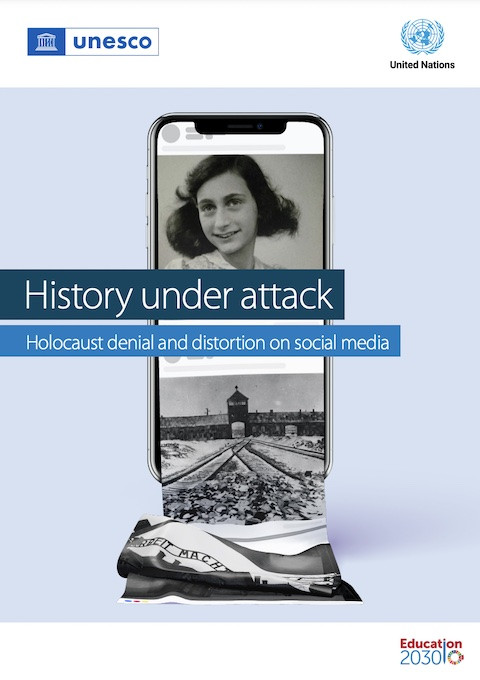 History Under Attack: Holocaust Denial and Distortion on Social Media Year of publication: 2022 Corporate author: Организация Объединенных Наций по вопросам образования, науки и культуры (UNESCO) | United Nations (UN) Holocaust denial and distortion are dangerous. It is an attack on truth and knowledge. It feeds on and spreads antisemitic tropes and prejudices, and threatens our understanding of one of the most tragic and violent histories: The genocide of six million Jews by Nazi Germany, its allies and collaborators. In countries across Europe, people became complicit in the persecution and murder of their neighbours. Holocaust denial and distortion can prevent society from reckoning with this past. It impedes our comprehension of the causes and warning signs of genocide, and that might strengthen efforts for genocide prevention. It is insulting to the victims and survivors of the Holocaust, and risks the rehabilitation of violent, antisemitic ideologies. At its most extreme, it celebrates and glorifies this history, inciting violence against Jews and calling for another genocide. The United Nations and UNESCO condemn the rise of Holocaust denial and distortion online as a dangerous form of hatred, and commissioned this report in partnership with the World Jewish Congress to raise awareness of the forms and functions of Holocaust denial and distortion on social media, and determine a series of policy and educational responses. This report is a data-driven investigation into the extent and nature of Holocaust denial and distortion on online platforms. It is based on a manual review of almost 4,000 pieces of content collected in June and July 2021 that related to Jews, the Holocaust, antisemitism and Holocaust denial and distortion from five major online platforms and messenger apps. It looks at content posted on Facebook, Instagram, Telegram, TikTok and Twitter: some of the world’s largest online platforms and collectively home to billions of users. It addresses content in four different languages: English, French, Spanish and German, with the aim of providing a wide-ranging review that addresses multiple countries and contexts. This report aims to answer four questions:How much Holocaust-related content on social media either denies the Holocaust or distorts key elements of history?What are the key narratives in contemporary Holocaust denial and distortion?How are Holocaust denial and distortion communicated, and how are they situated within wider discourses and frames?What can online platform companies, policy-makers, educators and organizations promoting Holocaust remembrance, education and research do to tackle the problem? Based on the findings of this report, it provides a series of recommended actions that online platforms, policy-makers, civil society, researchers and educators can implement to prevent and counter Holocaust denial and distortion online.
 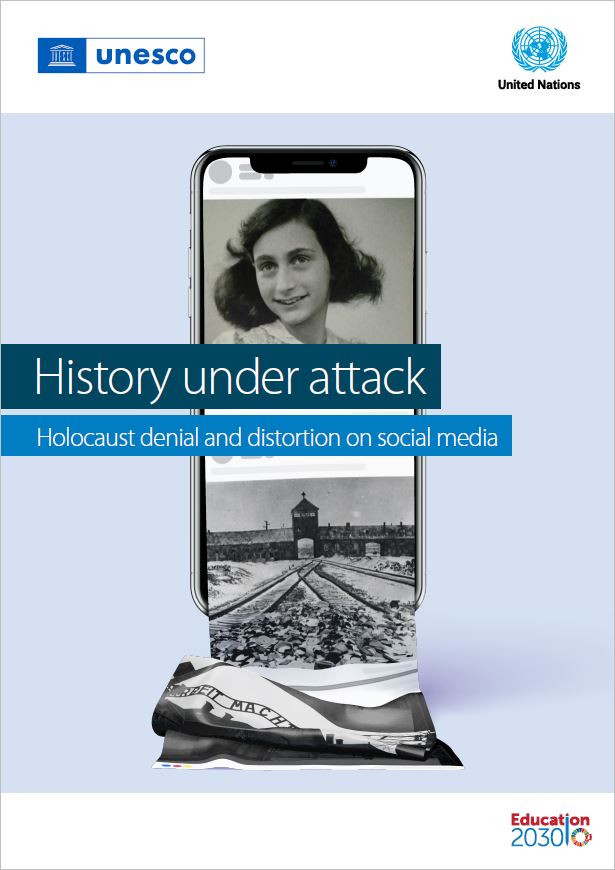 History Under Attack: Holocaust Denial and Distortion on Social Media Year of publication: 2022 Corporate author: 联合国教科文组织 (UNESCO) | United Nations (UN) A new United Nations and UNESCO study together with the support of the World Jewish Congress investigates Holocaust denial and distortion on social media, measuring their extent and nature on Facebook, Instagram, Telegram, Twitter and TikTok, at a time when the memory and fundamental facts of the Holocaust are under threat from lies, smears and the spread of violent ideologies. It provides recommendations that governments, online platforms, educators and researchers can implement to counter denial and distortion, prevent antisemitism and uphold human rights.This report aims to provide a wide-ranging assessment of the extent to which Holocaust-related content on social media and online platforms denies its factual basis or distorts the Holocaust by minimizing or misrepresenting its history. The report seeks to identify content that has evaded content moderation (on platforms that seek to remove content which denies and distorts the Holocaust). Perhaps more importantly, it also aims to provide an understanding of how denial and distortion about the Holocaust are communicated by people on online platforms.