
Resources
Explore a wide range of valuable resources on GCED to deepen your understanding and enhance your research, advocacy, teaching, and learning.
204 Results found
 [DIALOG #15] Information and methodological bulletin on multilingual and multicultural education in Central Asia Year of publication: 2018 Corporate author: United Nations Children's Fund (UNICEF) | Organization for Security and Co-operation in Europe (OSCE) The website and the informational and methodological bulletin "Dialogue" was created in order to assist educational organizations of the countries of Central Asia in the implementation of multilingual education programs. The website is supported by the Central Asian Education Program of the OSCE HCNM, the UN Children's Fund UNICEF and the Center for Social Integration.The bulletin is addressed to teachers and school leaders, representatives of education authorities, researchers and experts in the field of education. The bulletin is intended to quarterly inform about initiatives and significant events in the field of multilingual and multicultural education in Central Asia and around the world. In each issue of the bulletin you can find a variety of materials: interviews with experts, a review of the experience of multilingual schools, methodological articles and lesson development, announcements of events and publications, links to Internet resources. [ Диалог #15 ] Информационно-методический вестник по многоязычному и поликультурному образованию в странах Центральной Азии Year of publication: 2018 Corporate author: Организация по безопасности и сотрудничеству в Европе (ОБСЕ) | United Nations Children's Fund (UNICEF) Сайт и информационно-методический вестник "Диалог" создан в целях оказания содействия образовательным организациям стран Центральной Азии в реализации программ многоязычного образования. Работу сайта поддерживают Центральноазиатская образовательная программа ВКНМ ОБСЕ, Детский фонд ООН ЮНИСЕФ и Центр социальной интеграции.Вестник адресован преподавателям и руководителям школ, представителям органов управления образованием, исследователям и экспертам в сфере образования. Вестник призван ежеквартально информировать об инициативах и значимых событиях в сфере многоязычного и поликультурного образования в Центральной Азии и по всему миру. В каждом выпуске вестника можно найти разнообразные материалы: интервью с экспертами, обзор опыта многоязычных школ, методические статьи и разработки уроков, анонсы мероприятий и публикаций, ссылки на интернет-ресурсы.
  [DIALOG #14] Information and methodological bulletin on multilingual and multicultural education in Central Asia Year of publication: 2017 Corporate author: Организация по безопасности и сотрудничеству в Европе (ОБСЕ) | United Nations Children's Fund (UNICEF) The website and the informational and methodological bulletin "Dialogue" was created in order to assist educational organizations of the countries of Central Asia in the implementation of multilingual education programs. The website is supported by the Central Asian Education Program of the OSCE HCNM, the UN Children's Fund UNICEF and the Center for Social Integration.The bulletin is addressed to teachers and school leaders, representatives of education authorities, researchers and experts in the field of education. The bulletin is intended to quarterly inform about initiatives and significant events in the field of multilingual and multicultural education in Central Asia and around the world. In each issue of the bulletin you can find a variety of materials: interviews with experts, a review of the experience of multilingual schools, methodological articles and lesson development, announcements of events and publications, links to Internet resources. [ Диалог #14 ] Информационно-методический вестник по многоязычному и поликультурному образованию в странах Центральной Азии Year of publication: 2017 Corporate author: Организация по безопасности и сотрудничеству в Европе (ОБСЕ) | United Nations Children's Fund (UNICEF) Сайт и информационно-методический вестник "Диалог" создан в целях оказания содействия образовательным организациям стран Центральной Азии в реализации программ многоязычного образования. Работу сайта поддерживают Центральноазиатская образовательная программа ВКНМ ОБСЕ, Детский фонд ООН ЮНИСЕФ и Центр социальной интеграции.Вестник адресован преподавателям и руководителям школ, представителям органов управления образованием, исследователям и экспертам в сфере образования. Вестник призван ежеквартально информировать об инициативах и значимых событиях в сфере многоязычного и поликультурного образования в Центральной Азии и по всему миру. В каждом выпуске вестника можно найти разнообразные материалы: интервью с экспертами, обзор опыта многоязычных школ, методические статьи и разработки уроков, анонсы мероприятий и публикаций, ссылки на интернет-ресурсы.
  [DIALOG #13] Information and methodological bulletin on multilingual and multicultural education in Central Asia Year of publication: 2017 Corporate author: Организация по безопасности и сотрудничеству в Европе (ОБСЕ) | United Nations Children's Fund (UNICEF) The website and the informational and methodological bulletin "Dialogue" was created in order to assist educational organizations of the countries of Central Asia in the implementation of multilingual education programs. The website is supported by the Central Asian Education Program of the OSCE HCNM, the UN Children's Fund UNICEF and the Center for Social Integration.The bulletin is addressed to teachers and school leaders, representatives of education authorities, researchers and experts in the field of education. The bulletin is intended to quarterly inform about initiatives and significant events in the field of multilingual and multicultural education in Central Asia and around the world. In each issue of the bulletin you can find a variety of materials: interviews with experts, a review of the experience of multilingual schools, methodological articles and lesson development, announcements of events and publications, links to Internet resources. [ Диалог #13 ] Информационно-методический вестник по многоязычному и поликультурному образованию в странах Центральной Азии Year of publication: 2017 Corporate author: Организация по безопасности и сотрудничеству в Европе (ОБСЕ) | United Nations Children's Fund (UNICEF) Сайт и информационно-методический вестник "Диалог" создан в целях оказания содействия образовательным организациям стран Центральной Азии в реализации программ многоязычного образования. Работу сайта поддерживают Центральноазиатская образовательная программа ВКНМ ОБСЕ, Детский фонд ООН ЮНИСЕФ и Центр социальной интеграции.Вестник адресован преподавателям и руководителям школ, представителям органов управления образованием, исследователям и экспертам в сфере образования. Вестник призван ежеквартально информировать об инициативах и значимых событиях в сфере многоязычного и поликультурного образования в Центральной Азии и по всему миру. В каждом выпуске вестника можно найти разнообразные материалы: интервью с экспертами, обзор опыта многоязычных школ, методические статьи и разработки уроков, анонсы мероприятий и публикаций, ссылки на интернет-ресурсы.
  [DIALOG #16] Information and methodological bulletin on multilingual and multicultural education in Central Asia Year of publication: 2018 Corporate author: United Nations Children's Fund (UNICEF) | Organization for Security and Co-operation in Europe (OSCE) The website and the informational and methodological bulletin "Dialogue" was created in order to assist educational organizations of the countries of Central Asia in the implementation of multilingual education programs. The website is supported by the Central Asian Education Program of the OSCE HCNM, the UN Children's Fund UNICEF and the Center for Social Integration.The bulletin is addressed to teachers and school leaders, representatives of education authorities, researchers and experts in the field of education. The bulletin is intended to quarterly inform about initiatives and significant events in the field of multilingual and multicultural education in Central Asia and around the world. In each issue of the bulletin you can find a variety of materials: interviews with experts, a review of the experience of multilingual schools, methodological articles and lesson development, announcements of events and publications, links to Internet resources. [ Диалог #16 ] Информационно-методический вестник по многоязычному и поликультурному образованию в странах Центральной Азии Year of publication: 2018 Corporate author: Организация по безопасности и сотрудничеству в Европе (ОБСЕ) | United Nations Children's Fund (UNICEF) Сайт и информационно-методический вестник "Диалог" создан в целях оказания содействия образовательным организациям стран Центральной Азии в реализации программ многоязычного образования. Работу сайта поддерживают Центральноазиатская образовательная программа ВКНМ ОБСЕ, Детский фонд ООН ЮНИСЕФ и Центр социальной интеграции.Вестник адресован преподавателям и руководителям школ, представителям органов управления образованием, исследователям и экспертам в сфере образования. Вестник призван ежеквартально информировать об инициативах и значимых событиях в сфере многоязычного и поликультурного образования в Центральной Азии и по всему миру. В каждом выпуске вестника можно найти разнообразные материалы: интервью с экспертами, обзор опыта многоязычных школ, методические статьи и разработки уроков, анонсы мероприятий и публикаций, ссылки на интернет-ресурсы.
 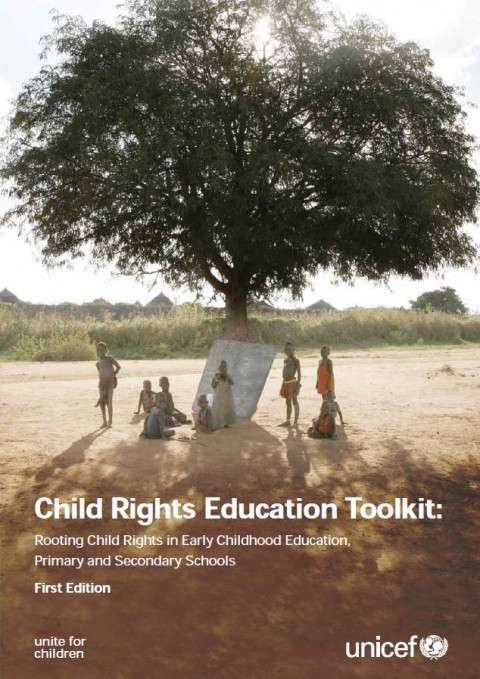 Child Rights Education Toolkit: Rooting Child Rights in Early Childhood Education, Primary and Secondary Schools Year of publication: 2014 Corporate author: United Nations Children's Fund (UNICEF) This toolkit, developed by UNICEF, defines what is meant by child rights education and the child rights approach. It explains the relevance of child rights education to UNICEF’s mission and the ways in which education can take place in a range of contexts--including with professionals, caregivers, the corporate sector, the media, and children’s groups. The audience of this toolkit is therefore intended to be UNICEF National Committees, UNICEF country offices, UN agencies working on child rights education (CRE), governments, and other civil society organisations, NGOs, and academic institutions.Although this Toolkit focuses on child rights education in the formal learning environment (early childhood education settings, primary and secondary schools), it is hoped that it will also be useful for those working to promote child rights education through other channels, such as in the media, with children’s organizations and through children’s involvement in advocacy.For more information check the UNICEF webpage.
 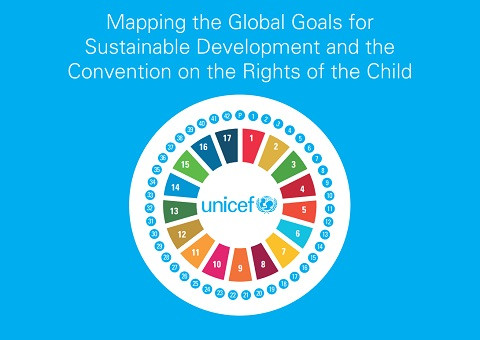 Mapping the Global Goals for Sustainable Development and the Convention on the Rights of the Child Year of publication: 2016 Author: Marie Wernham Corporate author: United Nations Children's Fund (UNICEF) This interactive document aims to encourage an in-depth and broad-based exploration of the links and synergies between the Global Goals for Sustainable Development and the Convention on the Rights of the Child.