
Resources
Explore a wide range of valuable resources on GCED to deepen your understanding and enhance your research, advocacy, teaching, and learning.
70 Results found
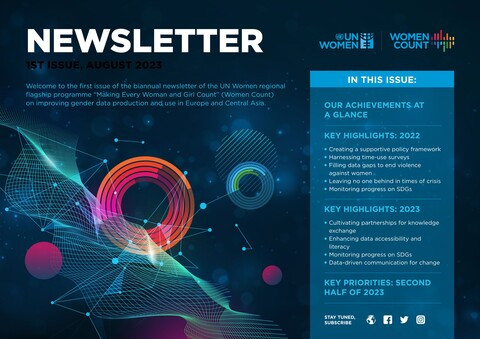 Making Every Woman and Girl Count in Europe and Central Asia Year of publication: 2023 Corporate author: United Nations Entity for Gender Equality and the Empowerment of Women (UN Women) The Women Count newsletter provides the latest updates on improving gender data production and use in the region. It highlights the programme's achievements, including key events, new publications and inspiring stories that underscore the importance of gender data in shaping policies and programs to promote gender equality and achieve the Sustainable Development Goals (SDGs). Каждая женщина и девочка значима в странах Европы и Центральной Азии и Центральной Азии Year of publication: 2023 Corporate author: United Nations Entity for Gender Equality and the Empowerment of Women (UN Women) В информационном бюллетене «Women Count» публикуются последние новости об улучшении производства и использования гендерных данных в регионе. В нем освещаются достижения программы, в том числе ключевые события, новые публикации и вдохновляющие истории, которые подчеркивают важность гендерных данных при формировании политики и программ по продвижению гендерного равенства и достижению Целей устойчивого развития (ЦУР).
 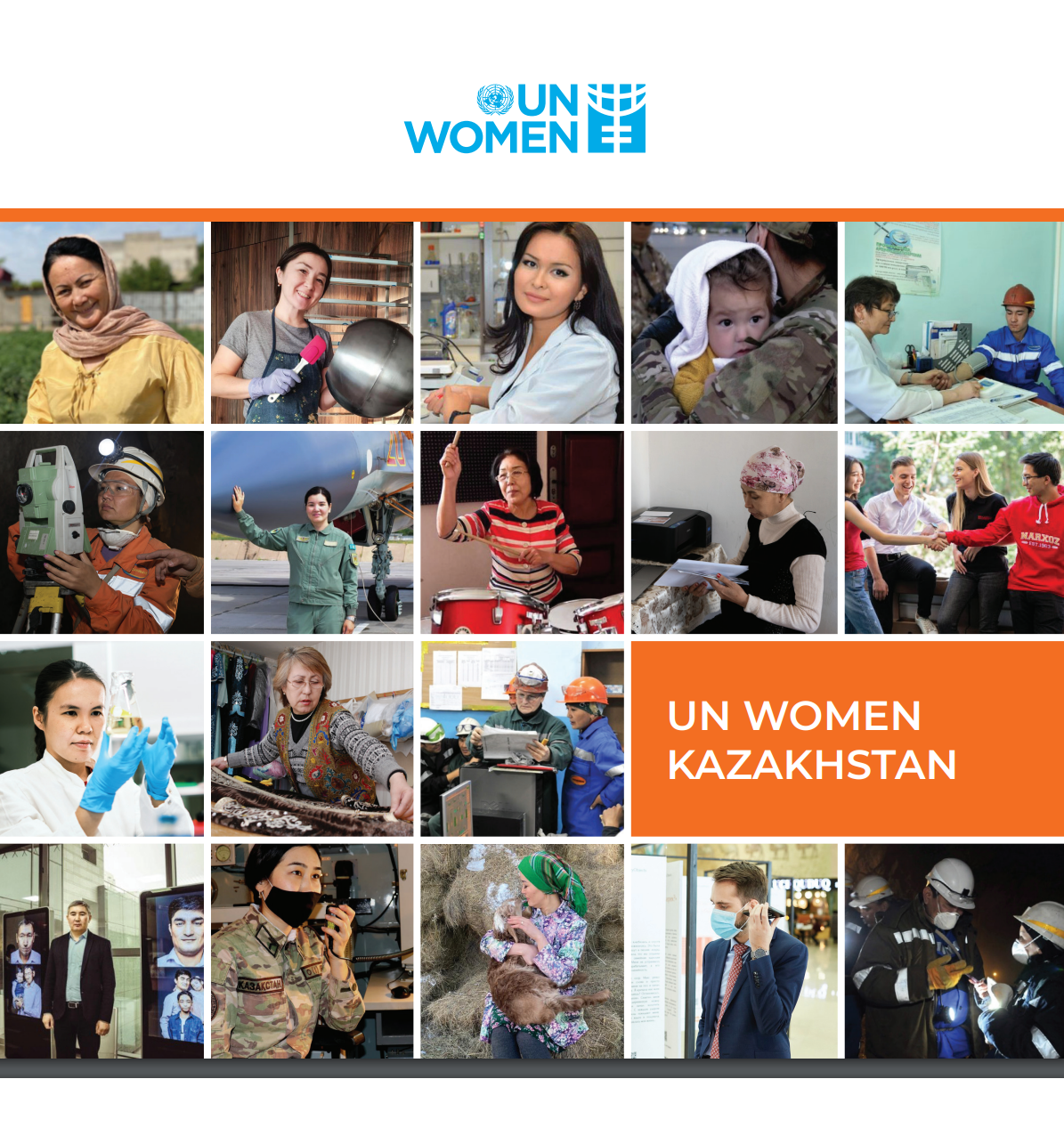 UN WOMEN Kazakhstan Year of publication: 2022 Corporate author: United Nations Entity for Gender Equality and the Empowerment of Women (UN Women) This one-pager provides a brief outline of UN Women Kazakstan's mandate, goals, activities, key audiences, partners, and other important information. Структура ООН-женщины в Казахстане Year of publication: 2022 Corporate author: United Nations Entity for Gender Equality and the Empowerment of Women (UN Women) В брошюре представлена краткая информация о Структуре «ООН-женщины» в Казахстане, мандате, целях и деятельности организации, а также ключевых партнерах и т.д.
 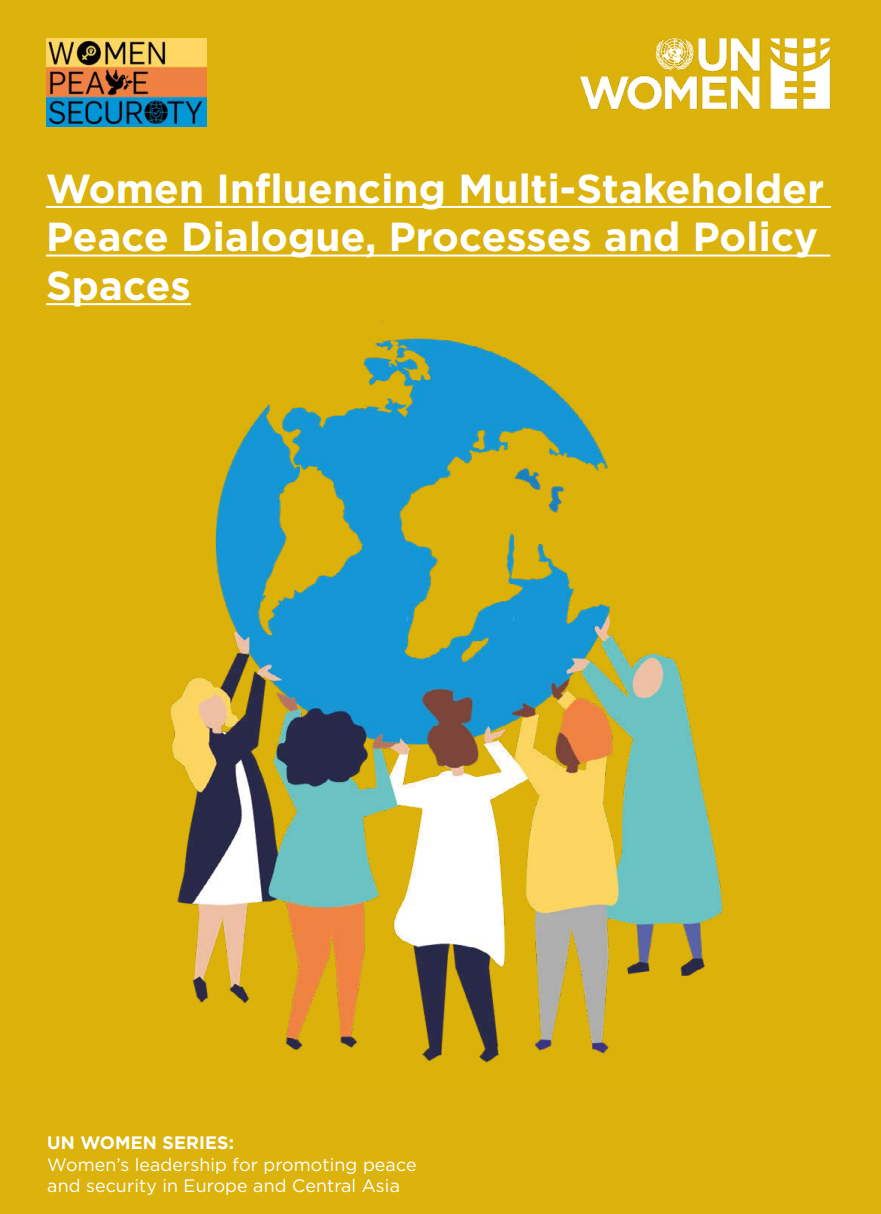 Women Influencing Multi-Stakeholder Peace Dialogue, Processes and Policy Spaces Year of publication: 2023 Corporate author: United Nations Entity for Gender Equality and the Empowerment of Women (UN Women) This paper seeks to draw lessons on how women have been participating as actors in influencing peace dialogue and processes related to the women, peace and security agenda in Europe and Central Asia. It also highlights challenges that need to be taken into consideration and offers recommendations to promote their greater contribution, influence, and participation in peace processes. Женщины, влияющие на многосторонние диалоги, процессы и политику в интересах мира Year of publication: 2023 Corporate author: United Nations Entity for Gender Equality and the Empowerment of Women (UN Women) Целью данного документа является извлечение уроков о том, как женщины участвуют в качестве действующих лиц, влияя на мирный диалог и процессы, связанные с повесткой дня «Женщины, мир и безопасность» в Европе и Центральной Азии. В нем также освещаются проблемы, которые необходимо принять во внимание, и предлагаются рекомендации по содействию их большему вкладу, влиянию и участию в мирных процессах.
 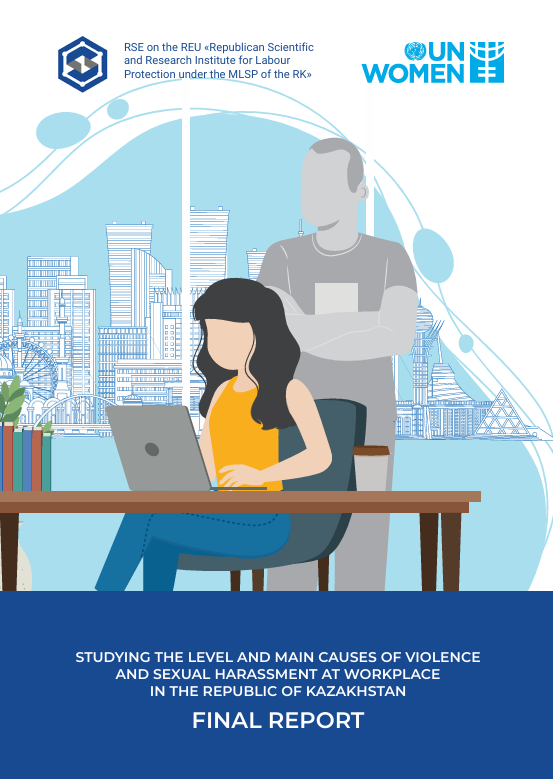 Studying the Level and Main Causes of Violence and Sexual Harassment at Workplace in the Republic of Kazakhstan: Final Report Year of publication: 2023 Author: Nadezhda Gennadievna Dzhumagulova | Gulmira Zheksenovna Yesenova | Rashit Gabitovich Nurmagambetov | Nazgul Batyrbekovna Abdrakhmanova | Shynar Serikkyzy Zhusipkalieva | Zhanna Aleksandrovna Kemelova Corporate author: United Nations Entity for Gender Equality and the Empowerment of Women (UN Women) The authors elucidate the extent and pervasiveness of such atrocities in the country. Authors delve into an analytical discussion of the principal types and causes of this violence and harassment at the workplace, offering significant insights based on the data collected. Изучение уровня и основных причин насилия и сексуальных домогательств на рабочем месте в Республике Казахстан: Финальный отчет Year of publication: 2023 Author: Nadezhda Gennadievna Dzhumagulova | Gulmira Zheksenovna Yesenova | Rashit Gabitovich Nurmagambetov | Nazgul Batyrbekovna Abdrakhmanova | Shynar Serikkyzy Zhusipkalieva | Zhanna Aleksandrovna Kemelova Corporate author: United Nations Entity for Gender Equality and the Empowerment of Women (UN Women) Авторы рассматривают возможность ратификации международных инструментов, которые могли бы помочь предотвратить такие правонарушения на рабочем месте. Кроме того, авторы разработали целостный набор мер по противодействию и предотвращению насилия и сексуальных домогательств, включая предложения по государственным механизмам мониторинга и контроля в этой области.
 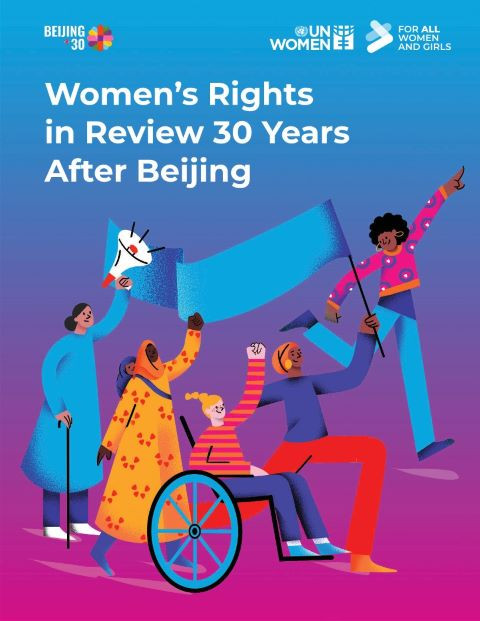 Women’s Rights in Review 30 Years after Beijing Year of publication: 2025 Corporate author: United Nations Entity for Gender Equality and the Empowerment of Women (UN Women) In 2025, the world celebrates 30 years of achievement on the Beijing Declaration and Platform for Action, a visionary 1995 plan agreed by 189 governments to achieve the equal rights of all women and girls. The UN Secretary-General’s report on the 30-year review and appraisal of the Beijing Declaration and Platform for Action reflects global, regional, and national reviews of 159 countries, summarizing progress and priorities for further action. It finds that many countries have made strides on gender equality and women’s empowerment, from banning discrimination in employment to adopting gender-responsive climate action plans. Innovation is accelerating progress, and opportunities are opening to scale up proven strategies. Yet gender discrimination remains deeply embedded in all economies and societies, imposing chronic constraints on the rights and hopes of women and girls.
  COVID-19: How to Include Marginalized and Vulnerable People in Risk Communication and Community Engagement Year of publication: 2020 Corporate author: United Nations Entity for Gender Equality and the Empowerment of Women (UN Women) | Regional Risk Communication and Community Engagement (RCCE) Women, the elderly, adolescents, youth, and children, persons with disabilities, indigenous populations, refugees, migrants, and minorities experience the highest degree of socio-economic marginalization. Marginalized people become even more vulnerable in emergencies. This is due to factors such as their lack of access to effective surveillance and early-warning systems, and health services. The COVID-19 outbreak is predicted to have significant impacts on various sectors. The development of this guide was led by UN Women and Translators without Borders on behalf of the Risk Communication and Community Engagement Working Group on COVID-19 Preparedness and Response in Asia and the Pacific, co-chaired by WHO, IFRC and OCHA.