
Resources
Explore a wide range of valuable resources on GCED to deepen your understanding and enhance your research, advocacy, teaching, and learning.
21 Results found
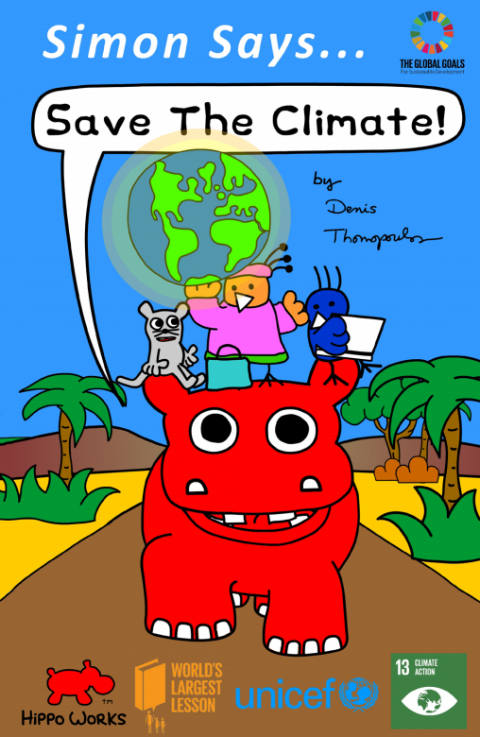 Simon says "Save the Climate" Author: Denis Thomopoulos Corporate author: Hippo Works | United Nations Girls' Education Initiative (UNGEI) Creator Hippo-Works, invites children to go on a song-filled cartoon adventure with Simon the Hippo and friends as they learn about the world's changing climate, the role that carbon dioxide and methane play, and the good eco habits we can all develop to help. Along their way the animals find out about topics such as the Greenhouse Effect, the Food Chain, the "Three Rs" (Reducing, Reusing, Recycling), Composting, and Carbon Offsetting.
 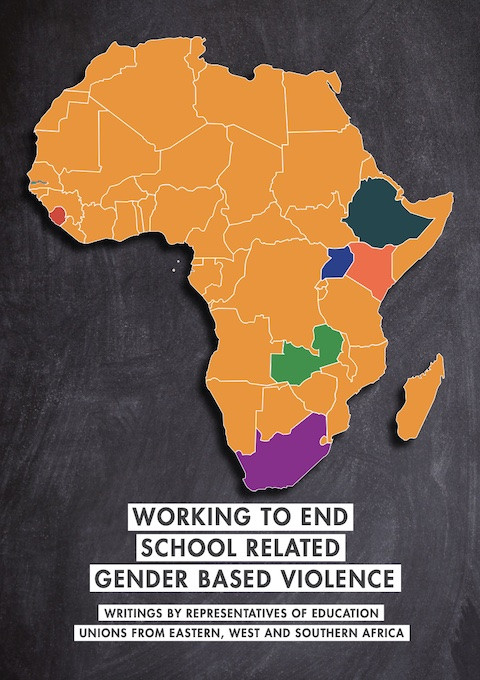 Trabajando para acabar con la violencia de género en el ámbito escolar: Ensayos por representantes de sindicatos de la educación de África Oriental, Occidental y Austral Year of publication: 2019 Author: Shamim Meer Corporate author: Gender at Work | Labour Research Service (LRS) | Global Affairs Canada (GAC) | United Nations Girls' Education Initiative (UNGEI) | Education International (EI) La Violencia de Género en el Ámbito Escolar (VGAE) es una forma de violencia que menoscaba la integridad corporal, los derechos humanos y la igualdad de género de todas las personas involucradas, pero especialmente de los niños y niñas escolares. En 2016, 7 docentes sindicales - SADTU y NAPTOSA de Sudáfrica, BETUZ y ZNUT de Zambia, UNATU de Uganda, ETA de Etiopía y KNUT de Kenia y en 2018, SLTU de Sierra Leona, GTU de Gambia y el personal de la Oficina Regional de África de la Internacional de la Educación con base en Ghana – participaron activamente en Gender at Work (G@W) – Proceso de Acción de Aprendizaje en Género (GAL, por sus siglas en inglés). El objetivo principal de este proceso GAL específico fue crear un programa piloto participativo de la IE en África, oriental, occidental y del sur enfocado en la capacidad de docentes individuales y sindicatos de docentes para abordar la VGAE. Con el apoyo de facilitadoras de Gender at Work, las y los participantes fortalecieron su comprensión de la desigualdad de género y la violencia basada en el género en el contexto escolar. A lo largo del proceso GAL, las y los participantes hablaron con el corazón, compartiendo historias inspiradoras sobre el cambio. Oeuvrer pour mettre un terme à la violence liée au genre en milieu scolaire: Écrits de représentantes et représentants de syndicats de l’enseignement en Afrique de l’est, Afrique de l’ouest et Afrique australe Year of publication: 2019 Author: Shamim Meer Corporate author: Gender at Work | Labour Research Service (LRS) | Global Affairs Canada (GAC) | United Nations Girls' Education Initiative (UNGEI) | Education International (EI) La violence liée au genre en milieu scolaire (VGMS) est un type de violence qui porte atteinte à l’intégrité physique, aux droits humains et à l’égalité entre tous les acteurs de la vie de l’école, mais avant tout à ceux de l’enfant scolarisé.En 2016, sept syndicats d’enseignants, le SADTU et la NAPTOSA d’Afrique du Sud, le BETUZ et la ZNUT de Zambie, l’UNATU d’Ouganda, l’ETA d’Éthiopie et le KNUT du Kenya, puis en 2018, le SLTU de la Sierra Leone, le GTU de Gambie, ainsi que les collaborateurs et collaboratrices du Bureau régional Afrique de l’Internationale de l’Éducation sis au Ghana, se sont activement engagés dans un programme de Gender at Work, le processus d’apprentissage par l’action en genre.Ce processus spécifique visait à créer un programme pilote participatif de l’IE en Afrique de l’Est, de l’Ouest et australe qui porterait sur la capacité individuelle des enseignants et enseignantes et sur celle de leurs syndicats à affronter la violence fondée sur le genre. Avec l’appui des animatrices de Gender at Work, les participants et participantes ont pu comprendre de façon plus approfondie l’inégalité entre les genres et la violence liée au genre en milieu scolaire. Tout au long de ce processus d’action-apprentissage, les participants et participantes ont été en mesure de parler à coeur ouvert et de partager des histoires de changement inspirantes.
  Transformative Political Leadership to Promote 12 Years of Quality Education for All Girls Year of publication: 2020 Author: Gloria Diamond Corporate author: University of Cambridge. Research for Equitable Access and Learning (REAL) Centre | United Nations Girls' Education Initiative (UNGEI) How can political leadership promote 12 years of quality education for all girls? This report from the Research for Equitable Access and Learning (REAL) Centre, University of Cambridge, seeks to answer this question. The study is based on a review of global evidence, with a focus on low- and lower-middle income countries where most action is needed to achieve the world’s development goals. The researchers also conducted interviews with 11 current and former political leaders involved in championing girls’ education. On the basis of this research, this report outlines seven recommendations on how political leadership can be leveraged to achieve 12 years of quality education for all girls.
  Strategies to End School-Related Gender-Based Violence: The Experience of Education Unions in Africa Year of publication: 2019 Author: Rex Fyles Corporate author: Education International (EI) | United Nations Girls' Education Initiative (UNGEI) | Gender at Work This document draws on the experience of nine EI member organisations in seven African countries committed to combatting SRGBV in their contexts. It presents the wide range of actions and strategies education unions can initiate to confront the challenges SRGBV poses to their students, members, organisations and societies. This collection of union experiences is intended to inform and inspire education unions and their members to test their own approaches to eliminating SRGBV. The document will also inform other stakeholders in the education sector interested in learning more about the unique strengths and specific roles education unions can play as partners in collective efforts to end SRGBV.The document is divided into two parts. The first section focuses on actions these unions have taken internally to adapt decision- making structures, update policies and deploy resources to empower their members to act. The second section looks at how education unions have reached out to other stakeholders – legislators, ministries, civil society organisations, traditional leaders, parents, media and learners – to pursue coordinated strategies for change. Estrategias para poner fin a la violencia de género en el ámbito escolar: La experiencia de los sindicatos de la educación en África Year of publication: 2019 Author: Rex Fyles Corporate author: Education International (EI) | United Nations Girls' Education Initiative (UNGEI) | Gender at Work Este documento se basa en la experiencia de nueve organizaciones afiliadas de la IE en siete países africanos comprometidos a combatir la VGAE en sus contextos. Presenta una amplia gama de acciones y estrategias que los sindicatos pueden iniciar para afrontar los desafíos que plantea la VGAE a sus estudiantes, miembros, organizaciones y sociedades. El propósito de esta colección de experiencias sindicales es informar e inspirar a los sindicatos de la educación y sus miembros para que pongan a prueba sus propias iniciativas para eliminar la VGAE. El documento también informará a otros grupos, del sector educación, interesados en aprender más sobre las fortalezas únicas y el papel específico que los sindicatos de la educación pueden desempeñar como socios en los esfuerzos colectivos para acabar con la VGAE.El documento está dividido en dos partes. La primera sección se enfoca en acciones que estos sindicatos han emprendido internamente para adaptar las estructuras de toma de decisiones, actualizar las políticas y desplegar recursos para empoderar a los y las miembros para actuar. La segunda sección da una mirada a cómo los sindicatos de la educación han llegado a otros grupos de interés – legisladores, ministerios, organizaciones de la sociedad civil, líderes tradicionales, padres, medios de comunicación y estudiantes – para desarrollar estrategias coordinadas hacia el cambio. Stratégies pour éradiquer la violence fondée sur le genre en milieu scolaire : L’éxperience des syndicats de l’éducation en afrique Year of publication: 2019 Author: Rex Fyles Corporate author: Education International (EI) | United Nations Girls' Education Initiative (UNGEI) | Gender at Work Le présent document puise dans l’expérience de neuf organisations membres de l’IE dans sept pays africains engagés dans la lutte contre la VGMS dans leur contexte particulier. Il présente la large gamme d’actions et de stratégies que peuvent mettre en œuvre les syndicats de l’enseignement pour relever le défi que la VGMS pose à leurs membres et à leurs élèves, à leurs organisations et à leurs sociétés. Ce recueil d’expériences syndicales est destiné à informer et à encourager les syndicats de l’enseignement et leurs membres à tester leurs propres démarches pour éliminer la VGMS. Il éclairera également les autres acteurs de l’enseignement qui souhaitent en savoir davantage sur les forces uniques et les rôles spécifiques que peuvent jouer les syndicats de l’enseignement dans les efforts collectifs pour mettre fin à la VGMS.Ce document est organisé en deux parties. La première section examine les mesures prises par ces syndicats à l’interne pour adapter leurs structures décisionnelles, mettre à jour leurs politiques et déployer les ressources nécessaires pour permettre à leurs membres d’agir. La seconde section étudie la façon dont les syndicats de l’enseignement ont amorcé le dialogue avec d’autres parties prenantes (législateurs, ministères, organisations de la société civile, responsables traditionnels, parents, médias et élèves) pour mettre en œuvre des stratégies de changement coordonnées. Working to End School Related Gender Based Violence: Writings by Representatives of Education Unions From Eastern, West and Southern Africa Year of publication: 2019 Author: Shamim Meer Corporate author: Gender at Work | Labour Research Service (LRS) | Global Affairs Canada (GAC) | United Nations Girls' Education Initiative (UNGEI) | Education International (EI) School Related Gender Based Violence (SRGBV) is violence that undermines the bodily integrity, human rights, and gender equality of all those involved in the school but primarily that of the school child.In 2016, 7 teacher unions i.e. SADTU and NAPTOSA from South Africa, BETUZ and ZNUT from Zambia, UNATU from Uganda, ETA from Ethiopia and KNUT from Kenya and in 2018, SLTU from Sierra Leone, GTU from the Gambia and the staff from the Ghana-based Education International Regional Africa Office - actively engaged in a Gender at Work - Gender Action Learning Process (GAL).The main aim of this specific GAL process was to create a participatory EI pilot program in Southern, East and West Africa focusing on individual teachers’ and teacher unions’ capacity to address SRGBV. With the support of Gender at Work facilitators, participants strengthened their understanding of gender inequality and gender based violence in the context of the school. Throughout the GAL Process participants spoke from their hearts, sharing inspirational stories of change.
 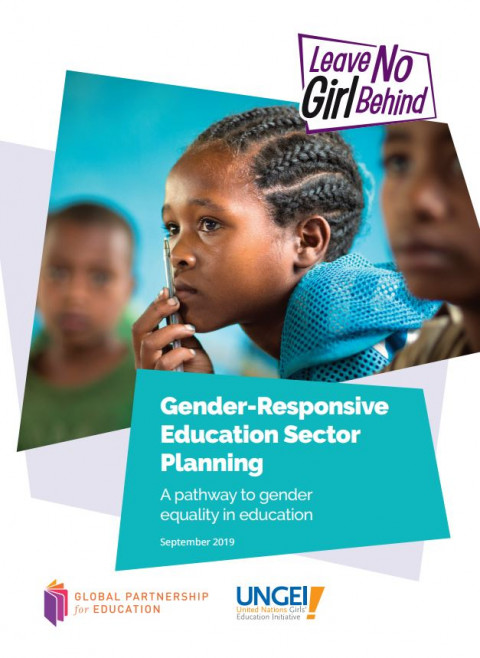 Gender-responsive education sector planning: A pathway to gender equality in education Year of publication: 2019 Corporate author: Global Partnership for Education (GPE) | United Nations Girls' Education Initiative (UNGEI) Education transforms lives. It is the surest investment to break down social and economic differences between people, unravel inequalities based on gender and accelerate progress towards the entire vision of the 2030 Agenda for Sustainable Development. Yet, despite the world’s commitment to ensure every child completes 12 years of quality education, in low-income countries only 4% of the poorest finish upper secondary school, falling to 2% among marginalized girls.Sustainable Development Goal 4, inclusive and equitable quality education for all, is about much more than education access. It calls for education policies to look beyond gender parity in school enrollment in order to put gender equality at the heart of education through gender-sensitive plans and policies. Gender-responsive education sector planning is an essential tool for advancing gender equality in and through education.
 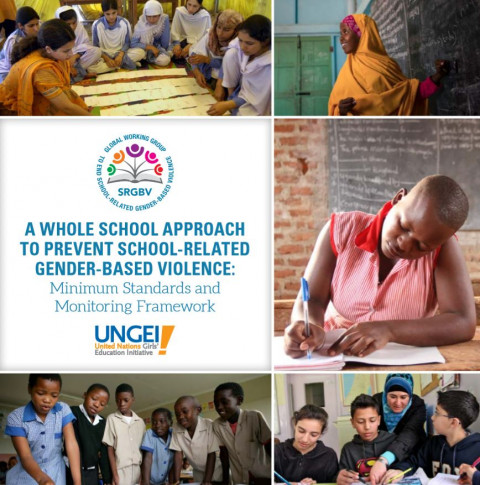 A Whole School Approach to Prevent School-Related Gender-Based Violence Year of publication: 2016 Corporate author: United Nations Girls' Education Initiative (UNGEI) The limitations of data collection and monitoring mechanisms around school-related gender-based violence (SRGBV) are widely acknowledged. This guide provides a framework to guide policy makers and practitioners in designing school violence prevention programmes and strengthening response actions. The prevention model is based on eight evidence-based standards and is accompanied by a monitoring approach with a set of proposed indicators at school, district and national levels. The goal is to enable implementation strategies to be adapted and monitored in order to improve data collection and accountability around incidents of SRGBV at the school, district and national levels.