
Resources
Explore a wide range of valuable resources on GCED to deepen your understanding and enhance your research, advocacy, teaching, and learning.
33 Results found
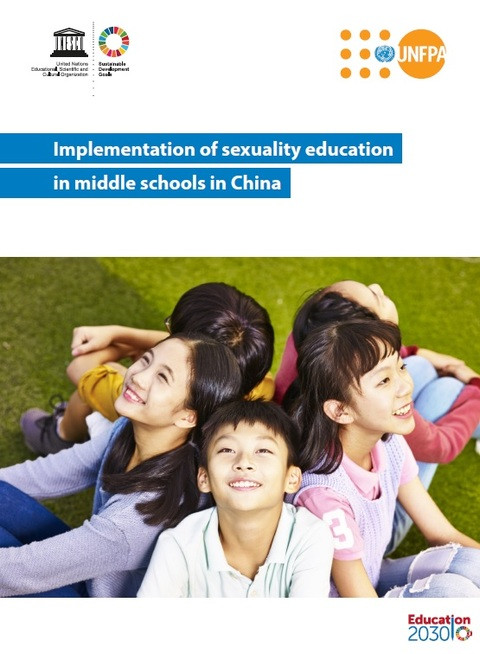 中国初级中学性教育实施状况 Year of publication: 2018 Corporate author: UNESCO Beijing | United Nations Population Fund (UNFPA) 本调研报告介绍了中国目前开展学校性教育的情况以及存在的问题,并对政策制定者和学校提出了相关建议。
  الشباب والسلام والأمن: كتيب إعداد البرامج Year of publication: 2021 Corporate author: United Nations Population Fund (UNFPA) | United Nations Development Programme (UNDP) | UN. Peacebuilding Support Office (UN. PBSO) | Folke Bernadotte Academy (FBA) الشباب والسلام والأمن: يسعى دليل البرمجة إلى المساهمة في الاستعداد التشغيلي وقدرة ممارسي الأمم المتحدة على تنفيذ أجندة الشباب والسلام والأمن.الغرض من الكتيب هو أن تستخدمه الأفرقة القطرية والإقليمية والعالمية في منظومة الأمم المتحدة، ولكنه يمكن أن يوفر أيضًا رؤى وإرشادات للممارسين الميدانيين خارج الأمم المتحدة، بما في ذلك المنظمات الدولية أو الإقليمية الأخرى، والنظراء الوطنيون، والشباب الذين يقودهم الشباب. المنظمات والحركات والشبكات التي تركز على الشباب ومنظمات بناء السلام.يعتمد الكتيب على الأدلة الحديثة والزخم المتزايد لإعطاء الأولوية لبرامج السلام والأمن الشاملة للشباب والتي تراعي الشباب، كعنصر أساسي في جهود بناء السلام الأكثر استدامة وطويلة الأمد. Youth, Peace and Security: A Programming Handbook Year of publication: 2021 Corporate author: United Nations Population Fund (UNFPA) | United Nations Development Programme (UNDP) | UN. Peacebuilding Support Office (UN. PBSO) | Folke Bernadotte Academy (FBA) Youth, Peace and Security: A Programming Handbook seeks to contribute to the operational readiness and capacity of United Nations practitioners to implement the youth, peace and security (YPS) agenda.The handbook is intended to be used by country, regional and global teams in the United Nations system, but it can also provide insights and guidance to field practitioners beyond the United Nations, including other international or regional organizations, national counterparts, youth-led and youth-focused organizations, movements and networks, and peacebuilding organizations.The handbook builds on recent evidence and increasing momentum to prioritize youth-inclusive and youth-sensitive peace and security programming, as a core element of more sustainable and long-lasting peacebuilding efforts.
 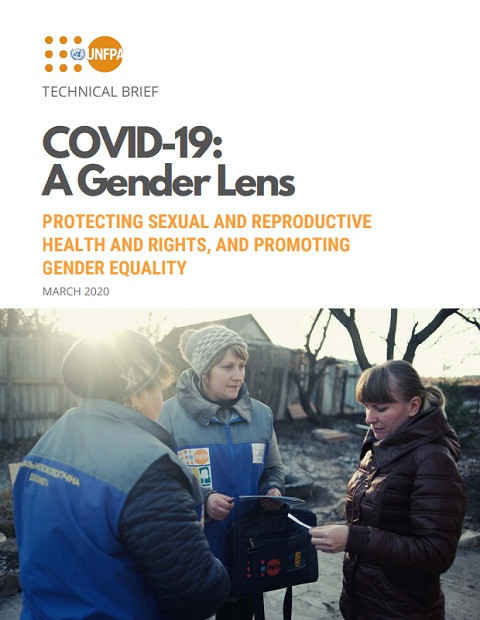 فيروس كورونا المستجد (كوفيد- 19): من منظور النوع الاجتماعي; حماية الصحة والحقوق الجنسية والإنجابية وتعزيز المساواة بين الجنسين Year of publication: 2020 Corporate author: United Nations Population Fund (UNFPA) يؤثر تفشى الأمراض تأثيرآ مختلفآ على النساء والرجال، تجعل الأوبئة أوجه عدم المساواة القائمة ضد النساء والفتيات والتمييز بين الفئات المهمشة الأخرى، مثل الأشخاص ذوي الإعاقة والأشخاص الذين يعيشون في فقر مدقع، أسوأ. يجب الأخذ في الأعتبار هذا الأمر عند النظر إلى التأثيرات المختلفة المحيطة بعمليات أكتشاف المرض والحصول على العلاج بالنسبة النساء والرجال.تمثل المرأة 70 بالمائة من القوى العاملة بالقطاع الصحي والاجتماعي على مستوى العالم، وينبغي إيلاء اهتمام خاص لكيفية تعرضهن للتمييز في بيئة عملهن، وكذلك التفكير في صحتهن الجنسية والإنجابية واحتياجاتهن النفسية كعاملات صحيات يعملن في الخطوط الأمامية. COVID-19: A Gender Lens; Protecting Sexual and Reproductive Health and Rights, and Promoting Gender Equality Year of publication: 2020 Corporate author: United Nations Population Fund (UNFPA) Disease outbreaks affect women and men differently, and pandemics make existing inequalities for women and girls and discrimination of other marginalized groups such as persons with disabilities and those in extreme poverty, worse. Women represent 70 percent of the health and social sector workforce globally and special attention should be given to how their work environment may expose them to discrimination, as well as thinking about their sexual and reproductive health and psychosocial needs as frontline health workers. This technical brief provides key messages and recommendations for protecting sexual and reproductive health and rights, and promoting gender equality during the COVID-19 pandemic. COVID-19: Un Enfoque de Género; Proteger la salud y los derechos sexuales y reproductivos y promover la igualdad de género Year of publication: 2020 Corporate author: United Nations Population Fund (UNFPA) Los brotes de enfermedades afectan a las mujeres y los hombres de manera diferente, y las pandemias exacerban las desigualdades existentes entre las mujeres y las niñas, lo mismo que la discriminación en contra de otros grupos marginados como las personas con discapacidad y aquellas en situación de pobreza extrema. Las mujeres representan el 70 por ciento de la fuerza laboral en el sector social y de salud en el mundo y, por ello, es importante prestar atención especial a la forma en que su entorno laboral puede exponerlas a actos de discriminación, además de pensar en sus necesidades psicosociales y de salud sexual y reproductiva como personal de salud de primera línea. COVID-19: Une optique sexospécifique; Protéger la santé et les droits en matière de sexualité et de reproduction, et promouvoir l’égalité des sexes Year of publication: 2020 Corporate author: United Nations Population Fund (UNFPA) Les épidémies touchent les femmes et les hommes différemment, et les pandémies aggravent les inégalités existantes pour les femmes et les filles ainsi que la discrimination d’autres groupes marginalisés tels que les personnes handicapées et celles en situation d’extrême pauvreté. Les femmes représentent 70 pour cent de la main-d’œuvre du secteur social et de la santé dans le monde et une attention particulière devrait être accordée à la façon dont leur environnement de travail peut les exposer à la discrimination, ainsi qu’à la réflexion sur leur santé sexuelle et reproductive, et leurs besoins psychosociaux en tant que travailleuses de la santé de première ligne. Cette note technique offre des messages clés et des recommandations pour protéger la santé et les droits sexuels et reproductifs et promouvoir l'égalité des genres pendant la pandémie de COVID-19.
 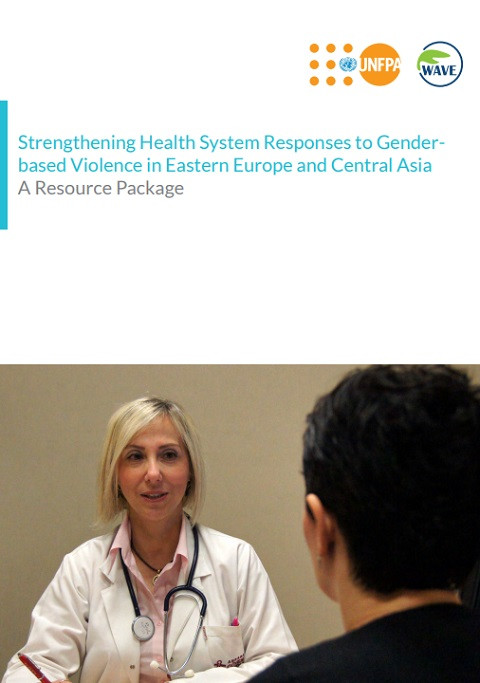 Strengthening Health System Responses to Gender-based Violence in Eastern Europe and Central Asia: A Resource Package Year of publication: 2014 Corporate author: United Nations Population Fund (UNFPA) | Women Against Violence Europe (WAVE) This collection of materials is the result of a collaboration between UNFPA (United Nations Population Fund), the UNFPA Regional Office for population for the countries of Eastern Europe and Central Asia and the WAVE Network (Women Against Violence in Europe) and is an updated edition of the compilation, revised in 2013-2014. It has been brought in line with new requirements in terms of enhancing the response of the health system to gender inequality; its content has been updated taking into account the latest international developments. Усиление роли системы здравоохранения в реагировании на гендерное насилие в Восточной Европе и Центральной Азии: Сборник материалов. Year of publication: 2014 Corporate author: United Nations Population Fund (UNFPA) | Women Against Violence Europe (WAVE) Данный сборник материалов является результатом сотрудничества ЮНФПА (Фонд ООН в области народонаселения), Регионального офиса Фонда ООН в области народонаселения для стран Восточной Европы и Центральной Азии и Сети WAVE («Женщины против насилия в Европе») и является обновленной редакцией сборник, переработанной в 2013-2014 гг. Теперь он в большей степени отвечает современным требованиям с точки зрения усиления реагирования системы здравоохранения на ГН, а его содержание обновлено с учетом новейших международных наработок.
 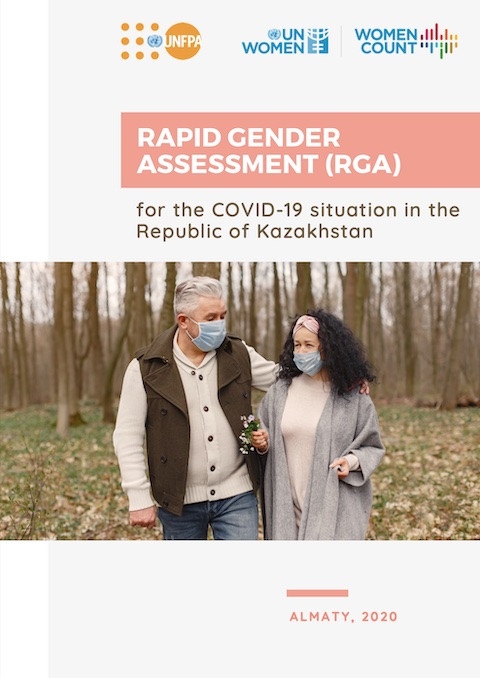 Rapid Gender Assessment: For the COVID-19 Situation in the Republic of Kazakhstan Year of publication: 2020 Corporate author: The Center for Social and Political Studies "Strategy" | United Nations Population Fund (UNFPA) | United Nations Entity for Gender Equality and the Empowerment of Women (UN Women) The Rapid Gender Assessment on COVID-19 in the Republic of Kazakhstan was prepared by the CFSPI "Strategy" for UN Women and the UN Population Fund. It provides important information about gender roles and responsibilities, opportunities and vulnerabilities that have emerged in society in light of the COVID-19 outbreak.