
Resources
Explore a wide range of valuable resources on GCED to deepen your understanding and enhance your research, advocacy, teaching, and learning.
3 Results found
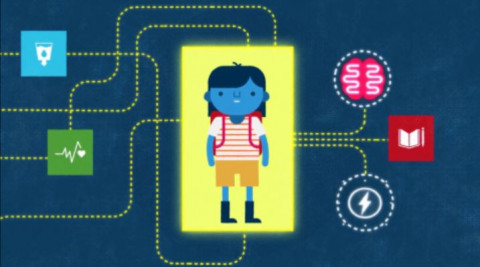 [Video] The Global Goals Food Project: Every Plate Tells a Story Year of publication: 2017 Corporate author: World’s Largest Lesson The World’s Largest Lesson brings the Global Goals to children all over the world, reaching over 130 countries and millions of children since its launch in September 2015.Produced by Project Everyone and delivered in partnership with UNICEF and many NGOs, private sector organisations and foundations, the World’s Largest Lesson reaches students through multiple channels. Ministries of Education are invited annually to take part. NGOs distribute digital content through their networks and education organisations, both for and non-profit, encourage participation through their communities.
 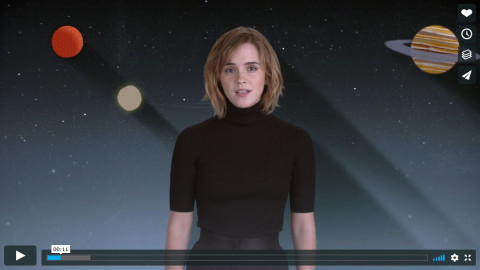 [Video] The World’s Largest Lesson Part 2 - With Thanks to Sir Ken Robinson and Emma Watson Year of publication: 2016 Corporate author: World’s Largest Lesson Sir Ken Robinson, Emma Watson and Aardman Animations invite children to get involved in the Global Goals for Sustainable Development by inventing, innovating and campaigning.To show the version with English subtitles please go to: vimeo.com/181766755
 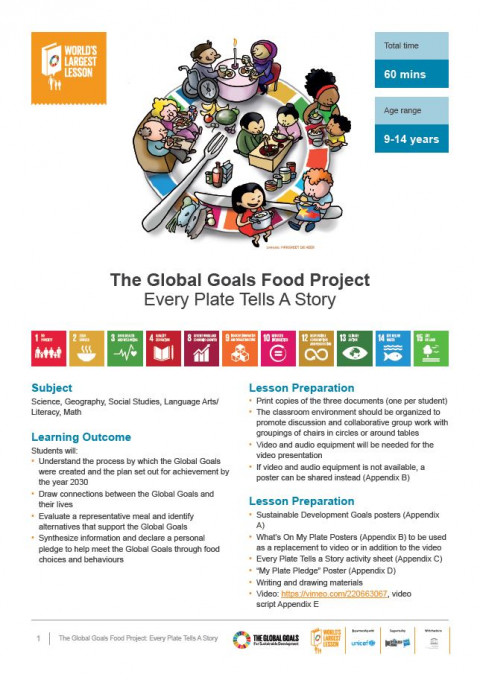 The Global Goals Food Project: Every Plate Tells a Story Year of publication: 2017 Corporate author: World’s Largest Lesson This lesson plan, “Every Plate Tells a Story,” provides a guided activity for teachers and students to work together in efforts to bring the Global Goals to classrooms and learning.The lesson begins by broadly introducing the term “goal” and invites students to make personal connections to people, places, and environments by considering goals in their lives. Learners build knowledge as they integrate understanding of the Global Goals and the processes in which they were designed.During the lesson, students will engage in a process of inquiry through dialogue, collaboration, and research and will establish concrete realizations of the sustainability of the food they eat. Multiple sources of evidence/formative assessments can be used throughout the lesson to document learning, guide conversation, and inform future instruction.