
Resources
Explore a wide range of valuable resources on GCED to deepen your understanding and enhance your research, advocacy, teaching, and learning.
3 Results found
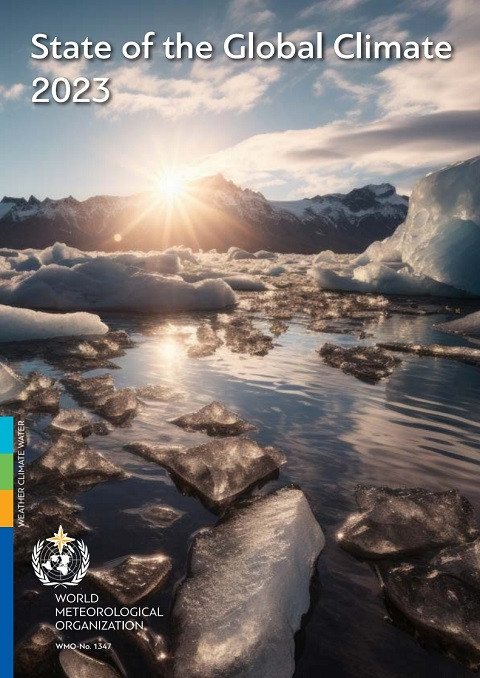 State of the Global Climate 2023 Year of publication: 2024 Corporate author: World Meteorological Organization (WMO) The publication provides a summary on the state of the climate indicators in 2023 with sections on key climate indicators, extreme events and impacts. The indicators include global temperatures, greenhouse gas concentration, ocean heat content, sea level rise, ocean acidification, Arctic and Antarctic sea ice, Greenland ice sheet and glaciers and snow cover, precipitation and stratospheric ozone, with an analysis of major drivers of inter-annual climate variability during the year including the El Niño Southern Oscillation and other ocean and atmospheric indices. The highlighted extreme events include those related to tropical cyclones and wind storms; flooding, drought and extreme heat and cold events. The publication also provides most recent finding on climate related risks and impacts including on food security and population displacement.
 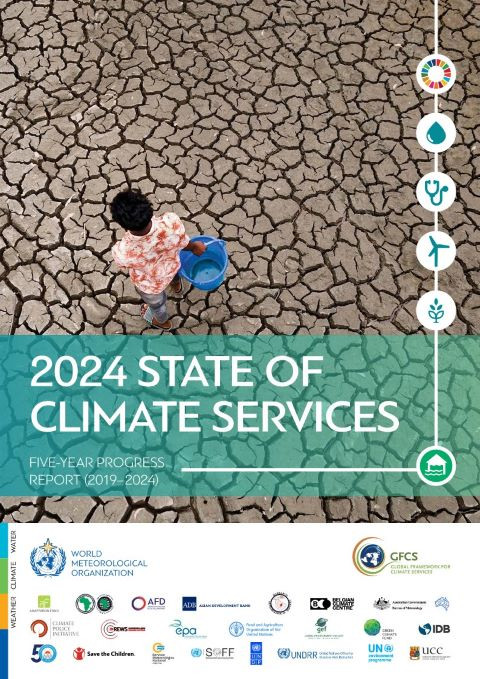 2024 State of Climate Services: Five-year Progress Report (2019–2024) Year of publication: 2024 Corporate author: World Meteorological Organization (WMO) In 2018, the Conference of the Parties serving as the meeting of the Parties to the Paris Agreement at the 24th Conference of the Parties to the United Nations Framework Convention on Climate Change (UNFCCC) called on WMO, through its Global Framework for Climate Services (GFCS), to regularly report on the state of climate services. WMO has issued annual reports on the state of climate services since 2019 in response to this United Nations request for more information on the adaptation needs of countries. The information helps countries, funding agencies and development partners to identify steps needed to address climate services gaps and needs, to inform more effective investment and to enhance adaptation and development outcomes. The 2024 edition of the report describes the current state of climate services while also examining and assessing the progress that has been made during the last five years. The report explores the climate policy response to the climate challenge and advancements made by Members across numerous value chain components. This year’s edition also includes an in-depth look at how a selection of 13 countries have successfully leveraged climate services to deliver socioeconomic benefits at a national, regional or global level. The analysis draws on 113 case studies that were developed over the last five years across multiple sectors, and examines the key success factors, including showcasing the value being created by climate services. 2024기후서비스현황: 5년경과보고서 (2019–2024) Year of publication: 2024 Corporate author: World Meteorological Organization (WMO) 2018년 유엔기후변화협약 (UNFCCC) 제24차 당사국 총회에서 파리협정 당사국 회의를 주재하는 총회 (COP)는 WMO가 기후서비스를 위한 글로벌 프레임워크 (GFCS)를 통해 기후 서비스 현황을 정기적으로 보고할 것을 촉구했습니다.WMO는 UNFCCC COP의 국가 적응 요구 사항에 대한 추가 정보 요청에 따라 2019년부터 기후 서비스 현황에 대한 연례 보고서를 발간했습니다.2 제공된 정보는 국가, 자금 기관 및 개발 파트너가 기후서비스 격차와 요구사항을 해결하는 데 필요한 단계를 식별하고, 보다 효과적인 투자를 알리고, 적응 및 개발 결과를 개선하는 데 도움이 됩니다. 2024년판 보고서는 기후 서비스의 현재 상태를 설명하는 동시에 지난 5년 동안 이루어진 진전을 조사하고 평가합니다. 이 보고서는 기후 문제에 대한 기후 정책 대응과 기후 서비스 가치 사슬 전반에 걸쳐 국가 기상 및 수문 서비스 (NMHSs)가 이룬 진전을 살펴봅니다. 올해의 에디션에는 13개국이 기후서비스를 성공적으로 사용하여 국가, 지역 또는 글로벌 수준에서 사회 경제적 혜택을 제공한 방법에 대한 심층적인 조사도 포함됩니다. 이 분석은 지난 5년 동안 여러 부문에 걸쳐 개발된 113개의 사례 연구를 기반으로 하며, 주요 지원 요소를 조사하고, 기후 서비스가 창출하는 가치를 보여줍니다.