
Resources
Explore a wide range of valuable resources on GCED to deepen your understanding and enhance your research, advocacy, teaching, and learning.
56 Results found
 Legal Mechanisms for Participation of Legal Minorities in Tajikistan and Their Implementation: Comparison of the Framework Convention and Tajikistan’s Legislation Year of publication: 2022 Author: Berdikulov A. Corporate author: Central Asian Bureau for Analytical Reporting (CABAR) The policy analyzes the legal framework and provisions aimed at protecting the rights of national minorities in Tajikistan, and also provides a comparison of Tajik and European legislation regarding national minorities. Particular emphasis is placed on what legislative and legal practices from the European experience can be used as examples in the Tajik context in order to improve national legislation for the protection of national minorities and their rights. Recommendations are formulated for a number of ministries and the government of Tajikistan, for international donors, as well as for representatives of national minorities. Правовые механизмы по обеспечению участия национальных меньшинств в Таджикистане и их имплементация: Сравнение Рамочной Конвенции и законодательства РТ Year of publication: 2022 Author: Berdikulov A. Corporate author: Central Asian Bureau for Analytical Reporting (CABAR) Проведен анализ правовых рамок и положений, направленных на защиту прав национальных меньшинств в Таджикистане, а также дано сравнение таджикского и европейского законодательств касательно национальных меньшинств. Особый акцент сделан на том, какие законодательные и правовые практики из европейского опыта могут быть использованы в качестве примеров в таджикском контексте с целью совершенствования национального законодательства по защите национальных меньшинств и их прав. Сформулированы рекомендации, предназначенные для ряда министерств и правительства Таджикистана, для международных доноров, а также для представителей национальных меньшинств.
 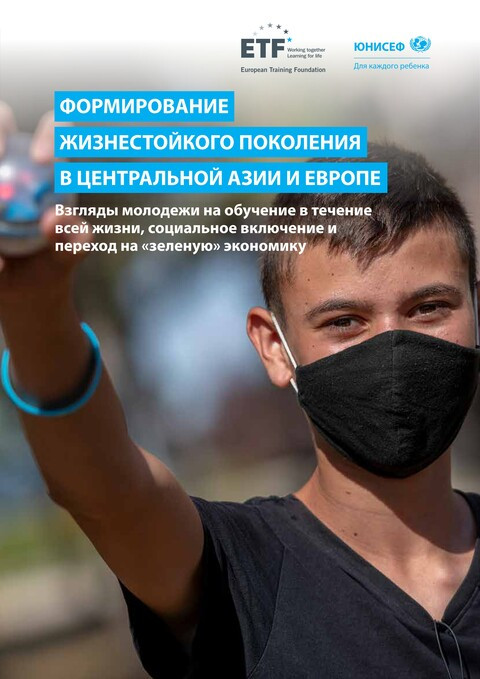 Formation of a Resilient Generation in Central Asia and Europe Year of publication: 2021 Corporate author: ЮНИСЕФ | Европейский фонд образования In this joint report of the United Nations Children's Fund (UNICEF) and the European Education Foundation (ETF) reflect the views, views and sentiments of young people in Central Asia and Europe, which will be taken into account in regional and international discussions on options for creating more effective lifelong learning systems, more inclusive communities and a more "green" society. Формирование жизнестойкого поколения в Центральной Азии и Европе Year of publication: 2021 Corporate author: ЮНИСЕФ | Европейский фонд образования В этом совместном отчете Детского фонда ООН (ЮНИСЕФ) и Европейского фонда образования (ЕФО) отражены точки зрения, взгляды и настроения молодежи в регионе ЕЦА, которые будут учитываться в региональных и международных обсуждениях вариантов создания более эффективных систем обучения в течение всей жизни, более инклюзивных сообществ и более «зеленого» общества.
  Annual Report for 2021 (UNODC Regional Office in Central Asia) Year of publication: 2022 Corporate author: UN. Office on Drugs and Crime (UNODC) This Annual Report provides an account of the main results achieved by the United Nations Office on Drugs and Crime, Regional Office for Central Asia (UNODC ROCA), in 2021. UNODC has stepped up efforts to help people in these challenging times, addressing emerging threats in line with human rights and gender equality standards, and the rule of law. Through our strategic interventions, we have contributed to strengthening peace, preventing conflict, and tackling the root causes and drivers of instability and violence. Годовой отчет за 2021 (Региональное представительство УНП ООН в Центральной Азии) Year of publication: 2022 Corporate author: UN. Office on Drugs and Crime (UNODC) Отчет содержит сведения об основных результатах, достигнутых Региональным представительством Управления Организации Объединенных Наций по наркотикам и преступности в Центральной Азии (РЦПДЦА УНП ООН) в 2021 году. УНП ООН наращивает свои усилия с целью оказания помощи людям в непростое время, помочь противостоять возникающим угрозам с учетом стандартов в области прав человека и гендерного равенства, а также верховенства закона. Благодаря стратегическим инициативам, способствуют укреплению мира, предотвращению конфликтов, устранению коренных причин и факторов нестабильности и насилия.
  Ситуационный анализ: дети и подростки с инвалидностью в Кыргызстане Year of publication: 2021 Corporate author: UNICEF Kyrgyzstan В ходе исследования были выявлены барьеры и препятствия в предоставлении качественных и инклюзивных услуг детям и подросткам с инвалидностью, а также проблемы на уровне принятия политических решений и наличия доказательной базы. Обоснованием для проведения данного анализа является информирование заинтересованных сторон, таких как государственные органы, гражданское общество, а также партнёров по развитию, о текущей ситуации по реализации прав детей и подростков с инвалидностью. Situation Analysis: Children and Adolescents with Disabilities in Kyrgyzstan Year of publication: 2021 Corporate author: UNICEF Kyrgyzstan The study identified barriers and obstacles to the provision of quality and inclusive services to children and adolescents with disabilities, as well as problems at the level of policy-making and evidence base. The rationale for this Situation Analysis is to inform stakeholders, both governmental, civil society and development partners, as to the current situation with regards to the fulfilment of children and adolescents with disabilities’ rights.
  Женщины Таджикистана в науке: социально-статистический анализ (Вестник МГЛУ. Общественные науки. Вып. 3(852) Year of publication: 2023 Author: Хушкадамова Халимахон Отамбековна Исследование репрезентирует пример Таджикистана по проблематике участия женщин в науке. Автором применяются разные эмпирические методы – непосредственное наблюдение, контент-анализ публикаций СМИ, биографический метод и статистический анализ официальных данных. Выявляются основные ступени подготовки ученых из числа женщин и девушек. Даются портреты известных женщин-ученых таджикского социума. Рассматриваются факторы, способствующие гендерному разрыву в науке.
 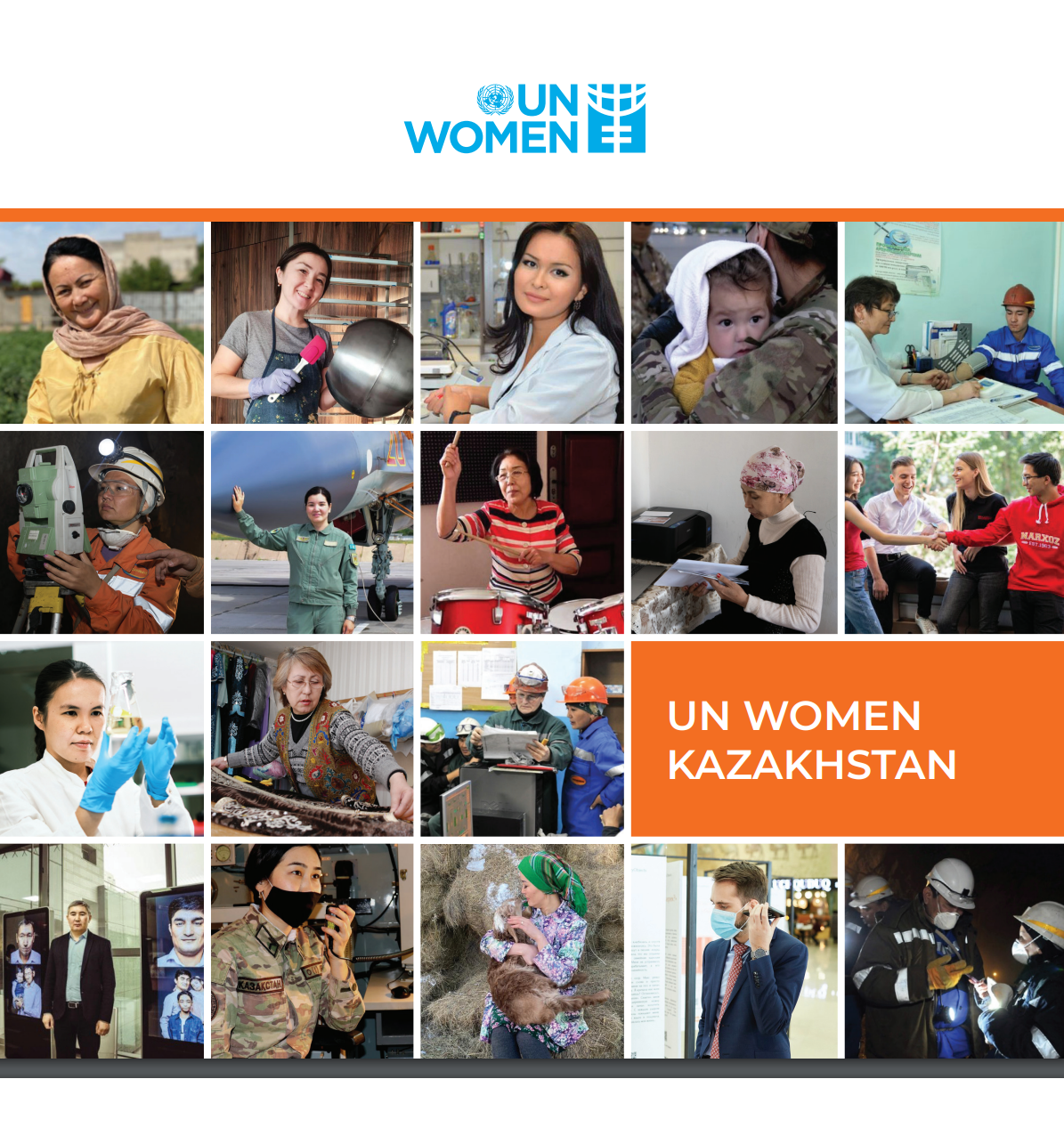 UN WOMEN Kazakhstan Year of publication: 2022 Corporate author: United Nations Entity for Gender Equality and the Empowerment of Women (UN Women) This one-pager provides a brief outline of UN Women Kazakstan's mandate, goals, activities, key audiences, partners, and other important information.