
Resources
Explore a wide range of valuable resources on GCED to deepen your understanding and enhance your research, advocacy, teaching, and learning.
3 Results found
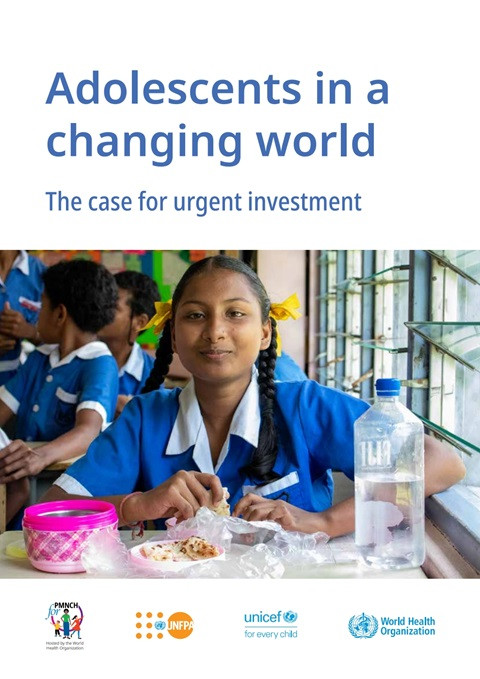 Adolescents in a Changing World: The Case for Urgent Investment Year of publication: 2024 Corporate author: World Health Organization (WHO) | United Nations Children's Fund (UNICEF) This report focuses on the strong returns on investment associated with investing in adolescent health and well-being. Today, adolescents make up more than 16% of the world's population. They are a demographic that is often overlooked or misunderstood. Investments in adolescents can reduce inequalities and help to protect their human rights. The economic and social returns from a wide range of investments to address adolescent well-being are significant. The report makes a compelling case for investing in adolescents, they are living in a world facing multifaceted crises, and they will be tomorrow's changemakers and leaders. The staggering cost of inaction is estimated at US$110 trillion over a period of 27 years (2024-50). That amounts to 7.7% of the total GDP of those countries included in the models, which themselves include around 80% of the world's population. Many interventions will yield high returns, including those focused on health services and multisectoral interventions, for example on SRHR, HPV, TB, myopia, education and training, child marriage and road accident prevention. This evidence base is crucial for policymakers, practitioners, researchers, educators, donors, and civil society organizations as we map the road ahead for a better and more sustainable future. Investing in adolescent health and well-being strengthens the human capital of a country, and hence a country's potential for future development and for ending extreme poverty and creating more inclusive societies.
 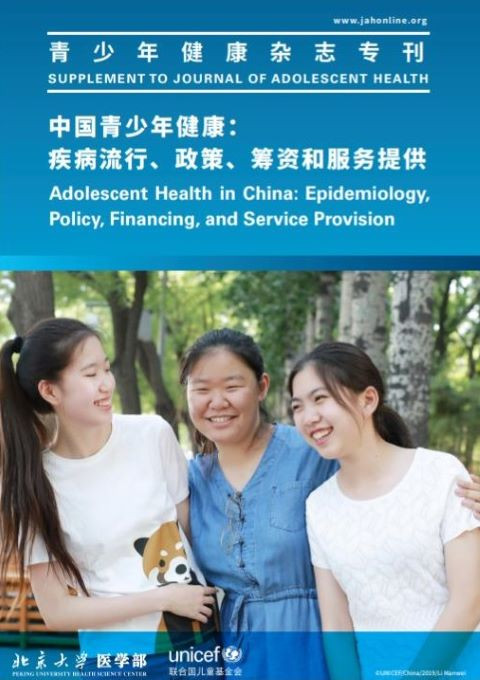 Adolescent Health in China: Epidemiology, Policy, Financing, and Service Provision Year of publication: 2019 Author: Manwei LI Corporate author: 联合国儿童基金会、北京大学医学部 This report analyses the health situation of Chinese adolescents, including the challenges faced, with a particular focus on the emotional and behavioural problems of children left behind in poor rural areas. 中国青少年健康: 疾病流行、政策、筹资和服务提供 | 执行摘要 Year of publication: 2019 Author: Manwei LI Corporate author: 联合国儿童基金会、北京大学医学部 本报告分析了中国青少年的健康状况,包括面临的挑战,尤其关注农村贫困地区留守儿童的情绪和行为问题。