
Resources
Explore a wide range of valuable resources on GCED to deepen your understanding and enhance your research, advocacy, teaching, and learning.
3 Results found
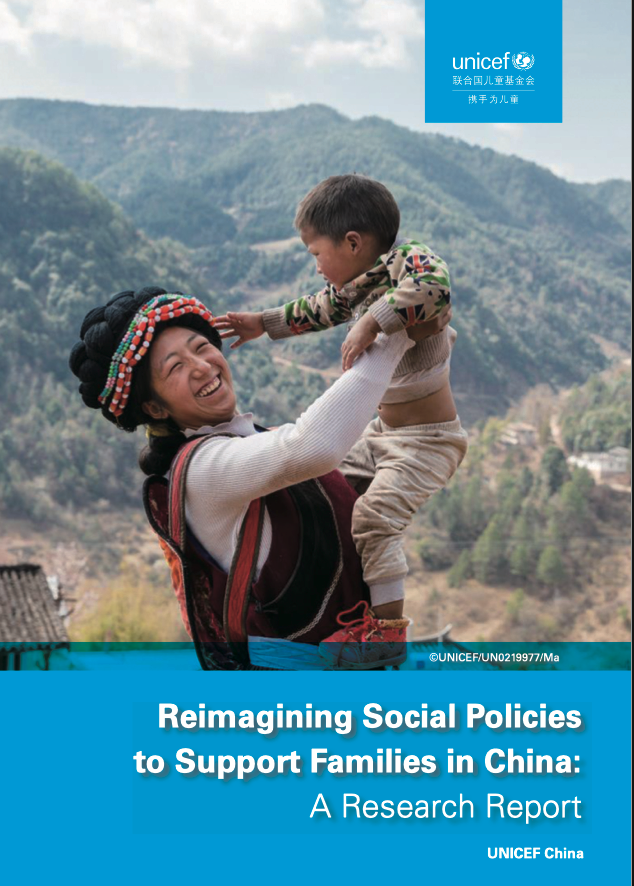 Reimagining Social Policies to Support Families in China: A Research Report Year of publication: 2023 Corporate author: 联合国儿童基金会驻华办事处 There have been significant changes in the population and society in China over recent decades. The birth rate has declined, and the population has aged. The average family size shrank from 3.1 people in 2010 to 2.8 in 2022[i], and the one-child policy has been reversed. Urbanization, rural-urban migration and the growth of the informal sector have changed how people live and work. Gender inequality persists, with women frequently facing discrimination and barriers to employment. All these changes have implications for family policy – statutory policies and government-led programmes that aim to improve conditions for adult family members, particularly those caring for children up to the age of 18.A new report, ‘Reimaging Social Policies to Support Families in China’ by UNICEF synthesizes the context and challenges of family policies in China and reviews over 180 evaluations of family policies worldwide. The report highlights case studies of policies that could be adapted and incorporated into family policy in China, and it identifies implications for designing and implementing innovative policy.
 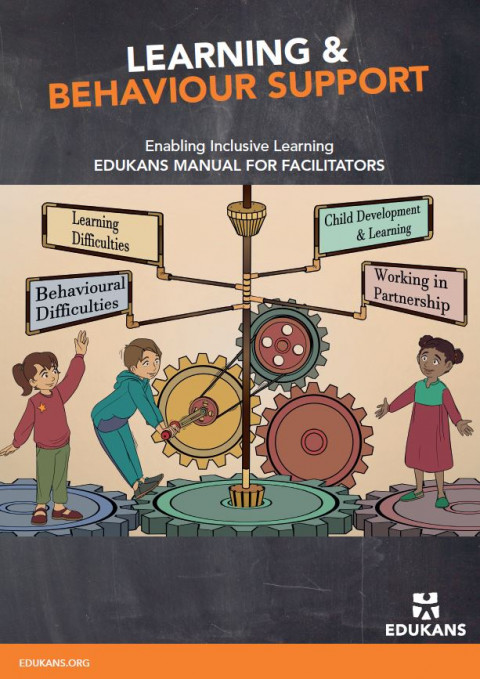 Learning & Behaviour Support: Enabling Inclusive Learning; Edukans Manual for Facilitators Year of publication: 2021 Author: Hendrien Maat | Judith Pietersma | Aniek Santema Corporate author: Edukans This Edukans training manual is intended as a guide to train people in how to respond to the needs of students with learning and behavioural problems, such as dyslexia, dyscalculia, lack of motivation, aggression and anxiety. Troubled behaviour is often a child's way of communicationg distress and, in these cases, the right kind of response can make all the difference. Behavioural and learning difficulites are well-recognized problems all over the world, and inclusive learning is on top of the educational agenda. When a person has more knowledge about learning & behavioural difficulties, he or she can understand the situation that the child is facing and offer suitable suport. This manual aims to help programme managers and trainers to give training to their staff in: understanding the diverse needs of vulnerable students, the origins of learning and behavioural problems, their implications, and a variety of effective support strategies and interventions. The manual is meant to be used by master trainers who can further train teachers, social workers, NGO staff, mentors, relief workers, government officials, mental health workers, and counselors.
  An Atlas of Social Indicators of Children in China 2018 Year of publication: 2018 Corporate author: United Nations Children's Fund (UNICEF) | National Working Committee on Children and Women (NWCCW) | National Bureau of Statistics (NBS). Department of Social, Science, Technology and Cultural Statistics By bringing together the latest authoritative, official data on the main indicators of child survival, development and protection and presenting them in a visual manner, the Atlas has faithfully reflected the achievements, as well as issues and challenges in realizing children’s rights in China.