
Resources
Explore a wide range of valuable resources on GCED to deepen your understanding and enhance your research, advocacy, teaching, and learning.
115 Results found
 연극을 통한 민주 시민 교육 방법 (2019 문화예술교육 유관학회 연계 ‘작은 연구’ - 서울어젠다 예술교육 목표 3. 예술교육의 사회적 가치 확산성을 중심으로) Year of publication: 2019 Author: 이화식 Corporate author: 한국예술경영학회 | 한국문화교육학회 본 자료는 2019 문화예술교육 유관학회 연계 '작은 연구’에서 발췌한 '연극을 통한 민주 시민 교육 방법' 연구자료이다. 본 연구는 연극 활동을 통하여 민주시민의 가치를 함양하는 민주 시민교육의 모형을 제시하며, 시민교육이라는 주제의 특성을 반영하여 학습자가 실제 생활과 유사한 환경에서 민주적인 가치를 체험하고 구성하며 생활에서 적용할 수 있는 교육 방법을 모색하는 것을 목적으로 한다. 본 저작물은 한국예술경영학회, 한국문화교육학회에서 2019년 작성하여 공공누리 제4유형으로 개방한 ‘연극을 통한 민주 시민 교육 방법(이화식)'을 이용하였으며 해당 저작물은 한국문화예술교육진흥원 arte 라이브러리 홈페이지(lib.arte.or.kr)에서 무료로 다운받으실 수 있습니다.
 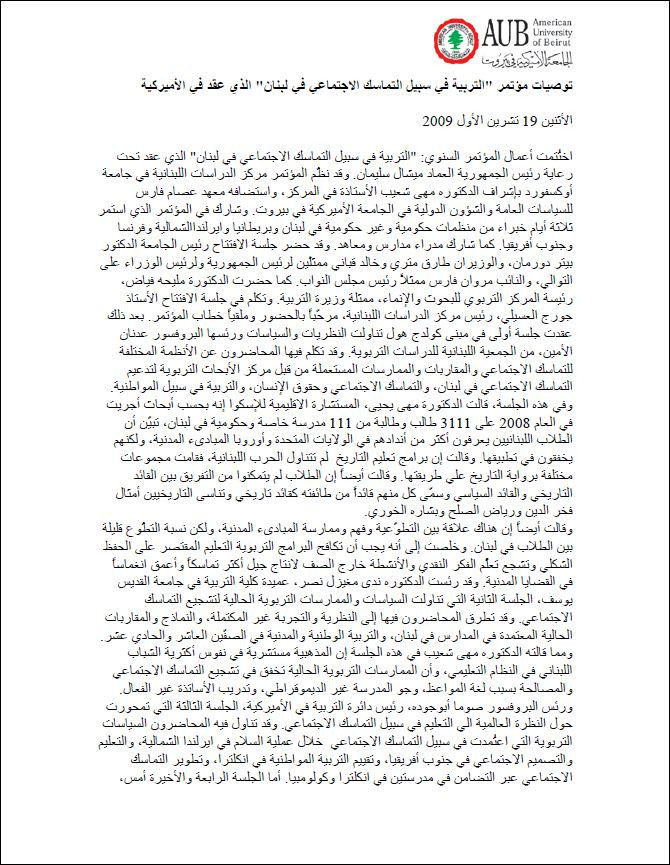 توصيات مؤتمر " التربية في سبيل التماسك الاجتماعي في لبنان " Year of publication: 2009 Corporate author: American University of Beirut الملف عبارة عن التوصيات التي خرج بها مؤتمر "التربية والتماسك الاجتماعي في لبنان"، والذي أقيم بالجامعة الامريكية في بيروت. التوصيات تتعاطى مع تحديات التماسك الاجتماعي في لبنان باختلاف طوائفه ومكوناته العرقية. أستمر هذا المؤتمر ثلاث أيام وحضرها مجموعة من المشاركين من لبنان وخارجه. Recommendations of the Conference on "Education for Social Cohesion in Lebanon" Year of publication: 2009 Corporate author: American University of Beirut The file is a summary of the recommendations that came out of the "Education and Social Cohesion in Lebanon" conference, which was held at the American University in Beirut. The recommendations deal with the challenges of social cohesion in Lebanon with its different sects and ethnic components. This conference lasted for three days and was attended by a group of participants from Lebanon and abroad.
  المواطنة Year of publication: 2020 Author: Zeyad Alawana Corporate author: Ministry of Political and Parliamentary Affairs يهدف الكتيب إلى تعميق ثقافة المواطنة الصالحة والفعّالة لدى الشباب، وتعريفهم بحقوقهم وواجباتهم الواردة في الدستور الاردني، وتعريفهم أيضاً بقيم المواطنة الصالحة الي تقوم على أساس سيادة القانون، واحرام المساواة، والتسامح وتقبّل الآخر، وتقبل التعددية والتنوع في المجتمع. وبشكل أكثر تفصيلاً، يحتوي الكتيب على موضوعات ومعارف وأسئلة وخبرات تهدف إلى ما يلي:•أولاً، التعريف بمفهوم المواطنة والحقوق والواجبات والتمييز بين المواطن الصالح وغير الصالح.•ثانياً، التعريف بمبادئ المواطنة الصالحة ، كالحرية والمشاركة الفاعلة والمساواةوتكافؤ الفرص والتضامن والمحافظة على الممتلكات العامة.•ثالثاً، التعريف بأهداف المواطنة، كالالتزام بمبادئ الديمقراطية، والتحرر من التعصب والتميز، والايمان بالأخوّة الإنسانية والمنهج العلمي في التفك وسيادة القانون، والالزام بالدستور، والمشاركة السياسية الفاعلة، واحرام كرامة الانسان، واكتساب قيم المواطنة الحقة. Citizenship Year of publication: 2020 Author: Zeyad Alawana Corporate author: Ministry of Political and Parliamentary Affairs The booklet aims to deepen the culture of good and effective citizenship among young people, inform them of their rights and duties contained in the Jordanian constitution, and also introduce them to the values of good citizenship that are based on the rule of law, respect for equality, tolerance and acceptance of others, and acceptance of pluralism and diversity in society. In more detail, the booklet contains topics, knowledge, questions and experiences aimed at:First, the definition of the concept of citizenship, rights and duties, and the distinction between a good and a good citizen.Second, introducing the principles of good citizenship, such as freedom, active participation, and equalityEquality of opportunity, solidarity and preservation of public property.Third, the definition of the goals of citizenship, such as commitment to the principles of democracy, freedom from fanaticism and distinction, belief in human brotherhood and the scientific method in disunity and the rule of law, commitment to the constitution, active political participation, respect for human dignity, and the acquisition of true citizenship values.
 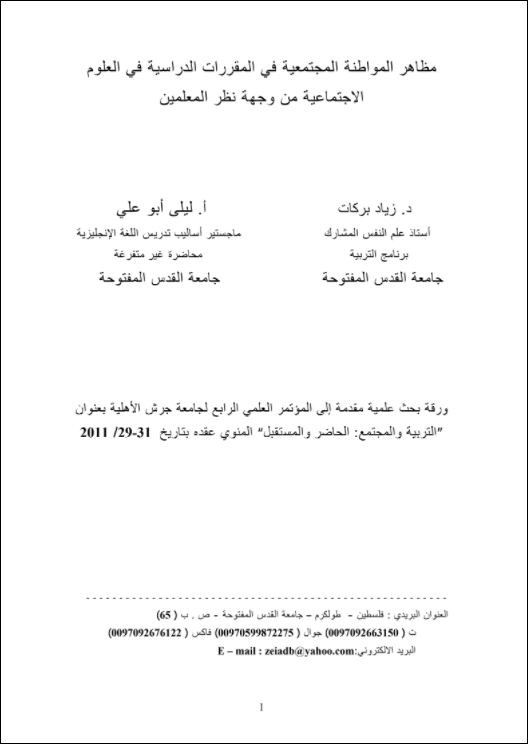 مظاهر المواطنة المجتمعية في المقررات الدراسية في العلوم الاجتماعية من وجهة نظر المعلمين Year of publication: 2011 Author: Zeiad Barakat | Laila Abu Ali Corporate author: Jerash Universtiy هدفت هذه الدراسة التعرف إلى مظاهر المواطنة المجتمعية في المجالات الاجتماعية والقانونية والاقتصادية والسياسية في المقررات الدراسية الفلسطينية المتعلقة بالعلوم الاجتماعية (التاريخ والجغرافية والتربية المدنية والتربية الوطنية ) من وجهة نظر المعلمين لهذ ه المقررات، لهذا الغرض طبقت استبانة مكونة من ( 40 ) فقرة لقياس مظاهر المواطنة المجتمعية في المظاهر المختلفة على عينة من المعلمين في المدارس الحكومية في محافظة طولكرم يدرسون هذه المقررات قو امها ( 134 ) معلمًا ومعلمة. Manifestations of Community Citizenship in the Curriculums in Social Sciences from the Viewpoint of the Teachers Year of publication: 2011 Author: Zeiad Barakat | Laila Abu Ali Corporate author: Jerash Universtiy The purpose of this study was to investigate the manifestations of community citizenship in domains of social, legal, economic and political in the Palestinian social science curriculum (history, geography, civic education and national education) from the viewpoint of the teachers of these courses, for this purpose applied a questionnaire consisting of (40) items to measure aspects of community citizenship, in the various manifestations on a sample of teachers in government schools in the province of Tulkarem who teach these courses consisted of (134) teachers.
 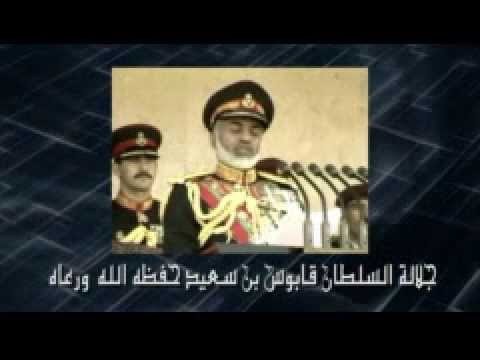 تربية المواطنة في المناهج الدراسية Year of publication: 2013 Corporate author: Oman. Ministry of Education الفيديو يتحدث عن تربية المواطنة في المناهج المدرسية بسلطنة عمان. ويسرد الفيديو تتطور التربية المواطنية في المناهج العمانية منذ 1970 عندما بدأت النهضة العمانية. ويشير الفيديو بأن تربية المواطنة تتغير باستمرار خلال المرحلة الماضية بناء على المتغيرات الوطنية والإقليمية والعالمية. ويذكر الفيديو مراحل تطور المناهج واستعراضها للتربية المواطنية.
 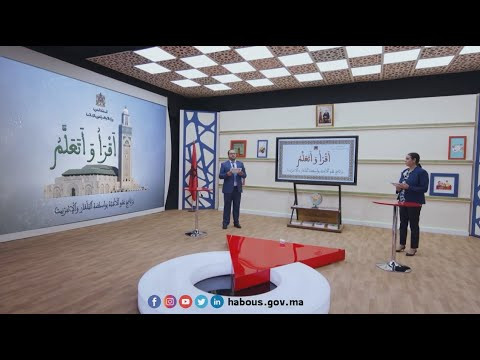 محو الأمية بواسطة التلفازوالانترنت Year of publication: 2020 Corporate author: Morocco. Ministry of Awqaf and Islamic Affairs يتضمن الفيديو تعريف ببرنامج محو الأمية بواسطة التلفاز والأنترنيت ودوره في تعلم المواطنات والمواطنين في دولة المغرب. وقد انطلق برنامج محو الأمية بالمساجد منذ سنة 2000. ويتضمن مستويين المستوى الأول والمستوى الثاني ويستفيد منه كل سنة حوالي 300000 مواطن ومواطنة في دولة المغرب. Literacy through Television and the Internet Year of publication: 2020 Corporate author: Morocco. Ministry of Awqaf and Islamic Affairs The video includes a definition of the literacy program through television and the Internet and its role in the education of citizens in the State of Morocco. The literacy program in mosques was launched in the year 2000. It includes two levels, the first and the second, and every year about 300,000 citizens in the State of Morocco benefit from it.