
Resources
Explore a wide range of valuable resources on GCED to deepen your understanding and enhance your research, advocacy, teaching, and learning.
115 Results found
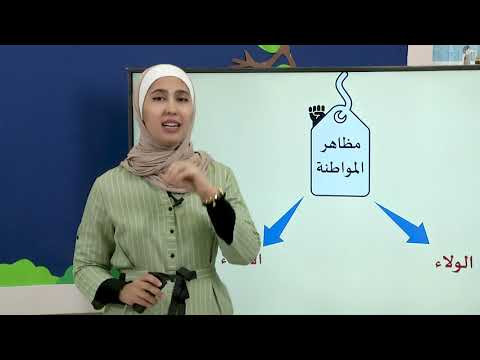 مقومات المواطنة الفاعلة Year of publication: 2020 Corporate author: Qatar. Ministry of Education and Higher Education الفيديو هو عبارة عن درس من دروس الدراسات الاجتماعية للصف الثالث بدولة قطر. يركز الفيديو على مقومات المواطنة الفاعلة في المجتمع. يبدأ الفيديو بالتعريف بمفهوم المواطنة، ويصف المواطن الفاعل. كما يتضمن الفيديو أهمية المواطنة الفاعلة في المجتمع. Elements of Active Citizenship Year of publication: 2020 Corporate author: Qatar. Ministry of Education and Higher Education This video is a lesson from the third grade social studies lessons in Qatar. The video focuses on the components of active citizenship in society. The video begins by introducing the concept of citizenship, and describes the active citizen. The video also includes the importance of active citizenship in society.
  当代公民教育的价值困境及其对策 Year of publication: 2017 Author: 叶飞 随着当代中国公民意识的觉醒及社会主义民主法制建设的勃兴,公民教育迎来 了一个快速发展的时期。但值得注意的是,当前我们的公民教育依然面临着诸多伦理与价值 的困境,如在伦理规范体系上存在着“应然规范”与“实然规范”的分裂,在价值导向上存 在着权利导向与责任导向的失衡,在目标追求上深陷于公共德性与个体善性的混淆,在实施 过程中面临着公共价值与公共生活的背离等等。为从这种困境中摆脱出来,当代公民教育应 建构起“应然规范”与“实然规范”、权利导向与责任导向、公共德性与个体善性的均衡体 系,构筑公共生活与公共价值之间的有机联结,从而更有效地传递公共价值观念,最终实现 公民教育的目标与使命。
 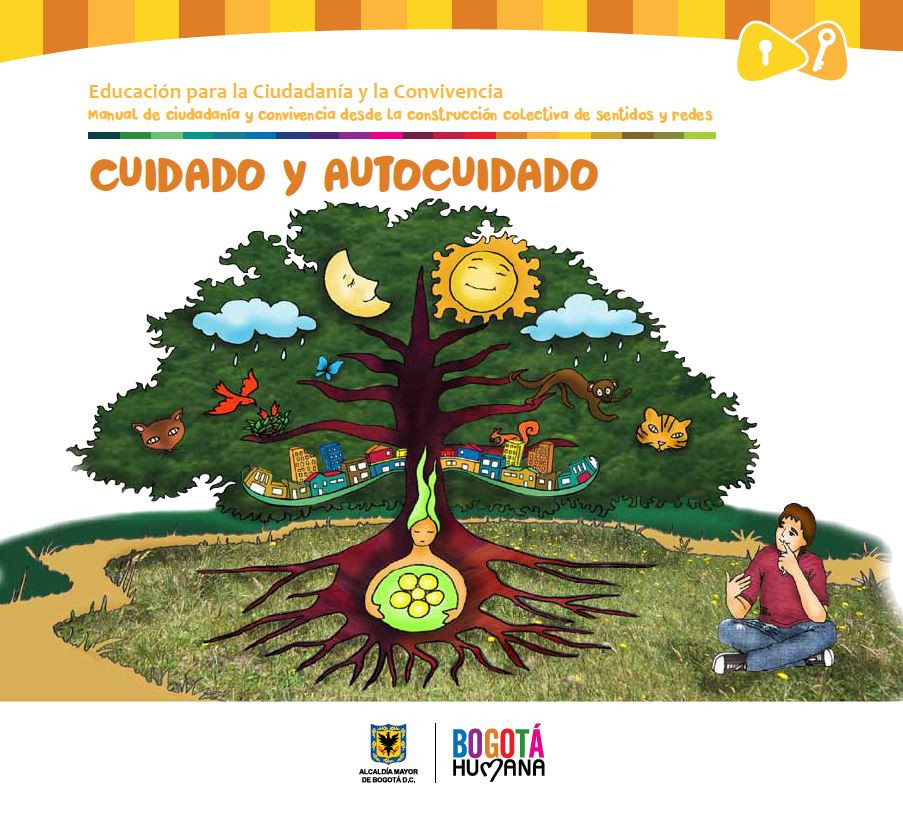 Care and Self-care: Manual of Citizenship and Coexistence from the Collective Construction of Meanings and Networks Year of publication: 2015 Corporate author: Centro de Investigación y Educación Popular (CINEP) This manual, which corresponds to the second phase of the Pedagogical Tool Box for Education for Citizenship and Coexistence, presents three axes of reflection: 1) self-care; 2) care of the others and the others: people near and far; and 3) care of strangers and the other. Each of the axes is accompanied by didactic tools that allow deepening in the contents. Cuidado y autocuidado: Manual de ciudadanía y convivencia desde la construcción colectiva de sentidos y redes Year of publication: 2015 Corporate author: Centro de Investigación y Educación Popular (CINEP) Este manual, que corresponde a la segunda fase de la Caja de Herramientas Pedagógicas de Educación para la Ciudadanía y la Convivencia, presenta tres ejes de reflexión: 1) autocuidado; 2) cuidado de los otros y las otras: personas cercanas y lejanas; y 3) cuidado de las personas extrañas y de lo otro. Cada uno de los ejes se encuentra acompañado de herramientas didácticas que permiten profundizar en los contenidos.
  دور المرأة في المواطنة والانتماء Year of publication: 2020 Author: Tahany AL-Qaseem Corporate author: Majmaah University تعد المواطنة والانتماء من القضايا القديمة المتجددة التي ما تلبث أن تفرض نفسها عند معالجة أي بعد من أبعاد التنمية الخاص بمشروعات التطوير والإصلاح. تستعرض المحاضرة في هذا العرض دور المرأة في تعزيز قيم المواطنة والانتماء. The Role of Women in Citizenship and Belonging Year of publication: 2020 Author: Tahany AL-Qaseem Corporate author: Majmaah University Citizenship and belonging are among the old and renewed issues that soon impose themselves when addressing any dimension of development related to development and reform projects. In this presentation, the lecture reviews the role of women in promoting the values of citizenship and belonging.
  قيم المواطنة: شرح التربية الوطنية للصف الأول الثانوي Year of publication: 2020 Author: Azza Elsafty تحاول المعلمة تفسير مسؤوليات المواطن تجاه نفسه ومجتمعه وبلده. تتوسع المعلمة في شرح قيم المواطنة. الدرس هو للصف الأول الثانوي بمصر في مقرر التربية الوطنية. Citizenship Values: Explanation of National Education for the First Secondary Class Year of publication: 2020 Author: Azza Elsafty The teacher tries to explain the citizen's responsibilities towards himself, his community, and his country. The teacher elaborates on explaining the values of citizenship. The lesson is for the first grade of high school in Egypt in the national education course.
 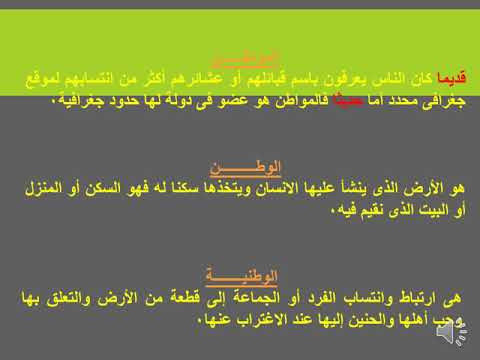 درس المواطنة: التربية الاجتماعية والوطنية Year of publication: 2020 Author: Rima Kharis Corporate author: Modern American School يتحدث الفيديو عن الدرس الأول من مادة التربية الاجتماعية والوطنية للصف الخامس في المدرسة الامريكية الحديثة. ويركز الدرس على المواطنة الصالحة وحقوق المواطن وواجباتها. يبدأ الدرس بالمفاهيم الرئيسية في المواطنة ويتدرج في شرح الحقوق والواجبات.