
Resources
Explore a wide range of valuable resources on GCED to deepen your understanding and enhance your research, advocacy, teaching, and learning.
13 Results found
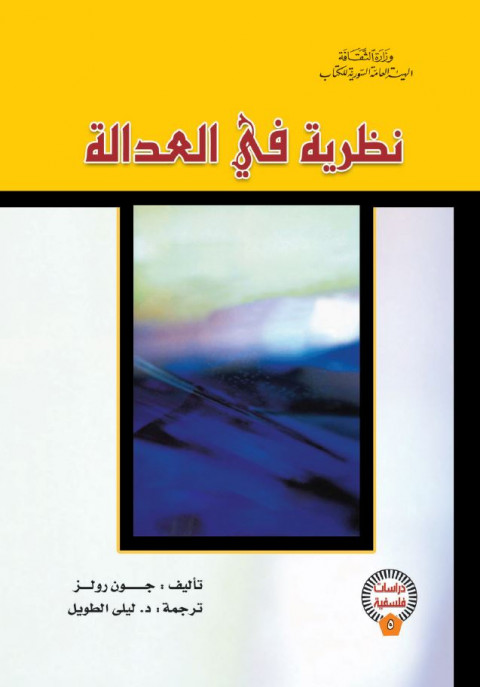 A Theory of Justice (Arabic Edition) Year of publication: 2011 Author: John Rawls Corporate author: Syria. Ministry of Culture This is a book translated by Laila Al Taweel for the American author John Rawls, in which he reviewed justice by examining the institutions and laws that govern it. John asserts that justice is a major component of this universe and cannot be ignored in any way, or even surpassed even in the interests of society's well-being. This translated book is a reference in the Arab world for understanding justice. نظرية في العدالة Year of publication: 2011 Author: John Rawls Corporate author: Syria. Ministry of Culture هذا كتاب مترجم للامريكي جون رولز، والذي استعرض فيه العدالة من خلال تطرقه للمؤسسات والقوانين التي تحكمها. يؤكد جون أن العدالة مكون رئيسي من هذا الكون ولا يمكن تجاهلها بأي حال، أو تجاوزها حتى لصالح رفاهية المجتمع. يمثل هذا الكتاب المترجم مرجعا في الوطن العربي لفهم العدالة.
 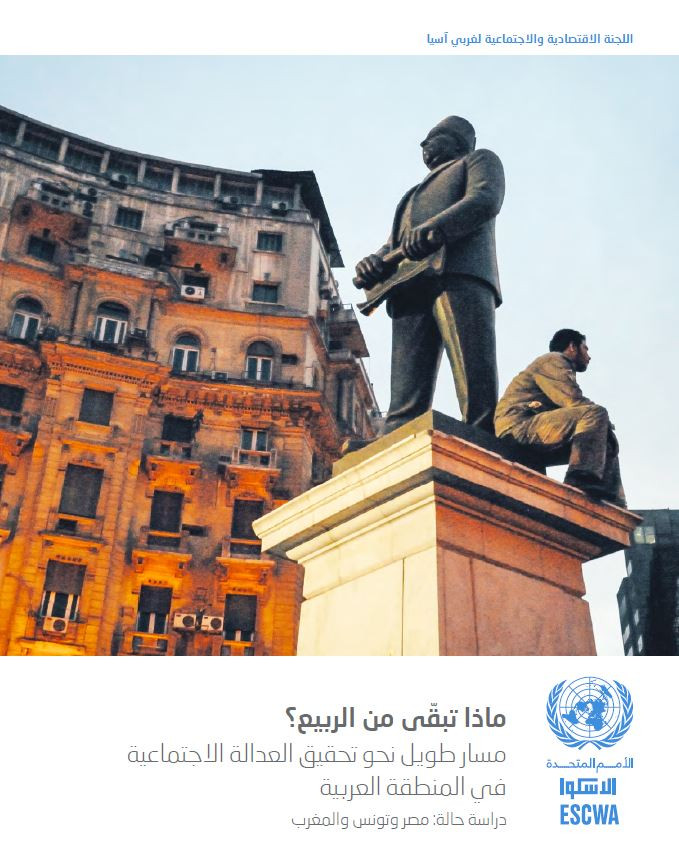 What's Left of Spring? A Long Path towards Social Justice In the Arab Region; Case Study: Egypt, Tunisia, and Morocco Year of publication: 2015 Corporate author: United Nations Economic and Social Commission for Western Asia (ESCWA) “What is left of the spring? A long path towards achieving social justice in the Arab region” is the first in a series of social development reports that ESCWA intends to publish. It comes two years after the publication of “Spring Promises: Citizenship and Civic Participation in the Paths of Democratic Transition,” the study that reviewed the general context surrounding the so-called Arab Spring and addressed the challenges facing achieving social justice, consensus and maintaining social cohesion during political transitions. This report is also issued the day after the international community adopts a new global path for development, which is the 2030 Agenda for Sustainable Development, of which social justice is the main pillar. ماذا تبقّى من الربيع ؟ : مسار طويل نحو تحقيق العدالة الاجتماعية في المنطقة العربية : دراسة حالة : مصر وتونس والمغرب Year of publication: 2015 Corporate author: United Nations Economic and Social Commission for Western Asia (ESCWA) "ماذا تبقّى من الربيع؟ مسار طويل نحو تحقيق العدالة الاجتماعية في المنطقة العربية" هو التقرير الأول من سلسلة تقارير عن التنمية الاجتماعية تعتزم الإسكوا إصدارها. وهو يأتي بعد مرور سنتين على إصدار "وعود الربيع: المواطنة والمشاركة المدنية في مسارات التحول الديمقراطي"، الدراسة التي استعرضت السياق العام الذي أحاط بما سُمي الربيع العربي وتناولت التحديات التي تواجه تحقيق العدالة الاجتماعية والتوافق في الآراء والحفاظ على التماسك الاجتماعي أثناء التحولات السياسية. آما يصدر هذا التقرير غداة اعتماد المجتمع الدولي مساراً عالمياً جديداً للتنمية هو خطة التنمية المستدامة لعام 2030 التي تشكل العدالة الاجتماعية ركيزتها الأساسية.
 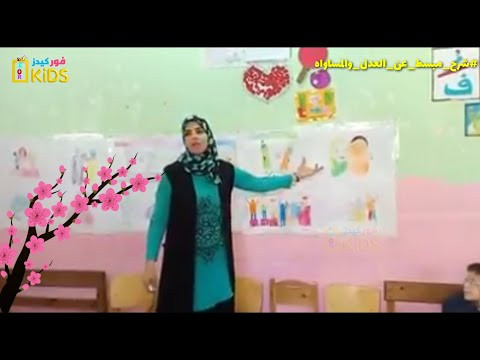 Justice and Equality Year of publication: 2019 Corporate author: For kids In this video, the teacher demonstrates through a mural the values of justice and equality. The video is directed as part of the preschool education curriculum. The teacher interacted through the murals with the students to illustrate the value of justice and equality. العدل والمساواة Year of publication: 2019 Corporate author: For kids في هذا الفيديو، تستعرض المعلمة من خلال لوحة جدارية قيم العدل والمساواة. الفيديو موجه كجزء من منهج تعليم الأطفال قبل المدرسة. تفاعلت فيه المعلمة من خلال الرسومات الجدارية مع الطلبة لتوضيح قيمة العدل والمساواة.
  ‘Hate Speech’ Explained: A Toolkit Year of publication: 2015 Corporate author: ARTICLE 19 In this toolkit, ARTICLE 19 provides a guide to identifying ’hate speech‘ and how effectively counter it, while protecting the rights to freedom of expression and equality. It responds to a growing demand for clear guidance on identifying “hate speech,” and for responding to the challenges ‘hate speech’ poses within a human rights framework.The toolkit is guided by the principle that coordinated and focused action taken to promote the rights to freedom of expression and equality is essential for fostering a tolerant, pluralistic and diverse democratic society in which all human rights can be realised for all people.As such, it addresses three key questions: How do we identify ‘hate speech’ that can be restricted, and distinguish it from protected speech?What positive measures can States and others take to counter ‘hate speech’? Which types of ‘hate speech’ should be prohibited by States, and under which circumstances? The toolkit is guided by the principle that coordinated and focused action taken to promote the rights to freedom of expression and equality is essential for fostering a tolerant, pluralistic and diverse democratic society in which all human rights can be realised for all people. It is informed by, and builds upon, ARTICLE 19’s existing policy work in this field.In Part I, we outline that there is no uniform definition of ‘hate speech’ under international human rights law, rather, it is a broad concept which captures a wide range of expression. The toolkit advances a typology for identifying and distinguishing different forms of ‘hate speech’ according to their severity, guided by states’ international human rights law obligations. In Part II, we provide guidance on what policy measures State and non-state actors can undertake to create an enabling environment for freedom of expression and equality that addresses the underlying causes of ‘hate speech’ while maximising opportunities to counter it.Finally, in Part III, we outline the exceptional circumstances in which the State is obliged by international law to prohibit the most severe forms of ‘hate speech’, and where also States may under international law place other restrictions on ‘hate speech’. This includes guidance on ensuring that such prohibitions are not abused, and to ensure that where sanctions are imposed they are appropriate and proportionate, as well as ensuring support and redress for victims.ARTICLE 19 believes that ensuring that responses to ‘hate speech’ comply with international human rights law is crucial. Prohibitions that censor offensive viewpoints are often counter-productive to the aim of promoting equality, as they fail to address the underlying social roots of the kinds of prejudice that drive ‘hate speech’. In most instances, equality is better-promoted through positive measures which increase understanding and tolerance, rather than through censorship.This toolkit is not a definitive version, and will be continuously updated to reflect the developing case law and best practices in this area.
 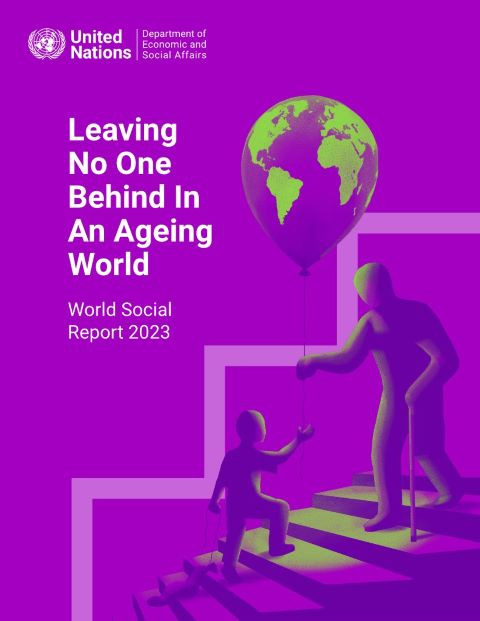 World Social Report 2023 : Leaving No One Behind in an Ageing World Year of publication: 2023 Corporate author: UN. Department of Economic and Social Affairs (UN. DESA) Population ageing is a defining global trend of our time. People are living longer, and more are older than ever before. Spectacular improvements in health and survival and reductions in fertility have driven this momentous shift, which has begun or is expected to begin soon in all countries and areas. This change brings both challenges and opportunities as countries strive to achieve the Sustainable Development Goals (SDGs). In 2022, the world marked the twentieth anniversary of the adoption of the Madrid International Plan of Action on Ageing. To commemorate this landmark, the World Social Report 2023 explores the economic and social implications of the ageing of the human population. It builds on the Plan of Action’s framework for national policies to create equitable, inclusive societies for people of all ages, providing recommendations to put the rights and well-being of older persons at the centre, across the life course. Population ageing is an inevitable result of the demographic transition towards longer lives and smaller families. While the shift towards older populations is largely irreversible, collective actions and policy decisions shape its path and consequences. Postponing critical measures that allow societies to benefit from and adapt to population ageing would impose high social, economic, fiscal and health-related costs, for both current and future generations. By contrast, with appropriate foresight and planning, Governments can manage the challenges from population ageing while enhancing opportunities for all people to thrive and ensuring that no one is left behind. As elaborated in this report, population ageing needs to be widely understood as more than just a set of discrete concerns mainly for one group of people who have advanced beyond a given age. Ageing touches all parts of economies and societies, from health care and education to employment and taxation. Each stage of life can contribute to or detract from well-being at older ages.
 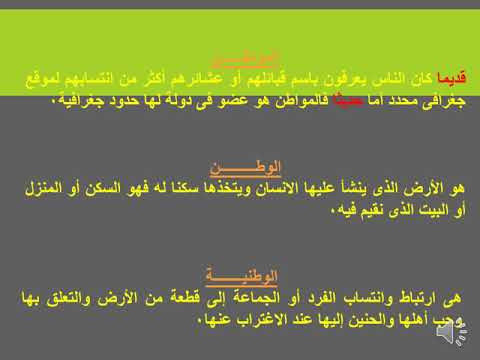 درس المواطنة: التربية الاجتماعية والوطنية Year of publication: 2020 Author: Rima Kharis Corporate author: Modern American School يتحدث الفيديو عن الدرس الأول من مادة التربية الاجتماعية والوطنية للصف الخامس في المدرسة الامريكية الحديثة. ويركز الدرس على المواطنة الصالحة وحقوق المواطن وواجباتها. يبدأ الدرس بالمفاهيم الرئيسية في المواطنة ويتدرج في شرح الحقوق والواجبات. Citizenship Lesson: Social and National Education Year of publication: 2020 Author: Rima Kharis Corporate author: Modern American School The video talks about the first lesson of Social and National Education for the fifth grade at the Modern American School. The lesson focuses on good citizenship and the rights and duties of citizens. The lesson begins with the main concepts of citizenship and progresses to explaining rights and duties.