
Resources
Explore a wide range of valuable resources on GCED to deepen your understanding and enhance your research, advocacy, teaching, and learning.
41 Results found
 Couleur? Quelle couleur? Rapport sur la lutte contre la discrimination et le racisme dans le football Year of publication: 2015 Author: Albrecht Sonntag | David Ranc Football has been shown to be a mirror of society, it may also be viewed as providing a temporary suspension of reality for an interlude of high emotion and idealized hopes and dreams. Football’s public transcends differences of age, gender, culture, religion, and socioeconomic status to unite in support of their team. The broad diversity of backgrounds of football players represents tangible evidence of equal opportunity and meritocracy. The sport itself has team solidarity, fair play and mutual respect among members and for opponents ingrained within its rules and practices. Yet, the ‘beautiful game’ is one with an imbedded paradox. Football is also a game that may in many vaguely resemble war, where opponents face each other in a struggle to win over the other side, with the noisy and emphatic support of the spectators. An ‘us’ and ‘them’ mentality is an integral part of trying to help a team reach the objective, which is to win the game. This setting naturally produces a desire by supporters to intimidate the other side by encouraging their team and expressing both confidence and superiority through their words and actions. When the ‘us’ and ‘them’ mentality turns into symbolic exclusion of others, language of disparagement and insult based on racism or discrimination, or physical confrontation, the ‘beautiful game’ is debased. The existence of racism and discrimination in football is not a secret, but it is a shame on the game. Although much is already being done, both observers and experts feel too many problems persist and measures to tackle them have not been effective enough. This report was commissioned by UNESCO within the framework of UNESCO’s partnership with Juventus. It focuses on discrimination and racism in professional football and to some extent the amateur clubs that funnel into the leagues. It provides an overview of the historic and theoretical background. It reports on the state of affairs on the ground. It summarizes what has been done and is being done to mitigate racism and discrimination in domestic and international football, how the effects of these actions may be evaluated, and which new avenues for further, complementary action are promising. The report is based on a literature review, desk research, regional reports from the Unesco network and a field survey among a purposive sample of experts and actors in a number of countries. The report has a somewhat European focus, in its sources and examples. Europe has a unique position Executive Summary in the world of football, with its leading competitions, championships and clubs. It is the region where racism and discrimination in football has been most intensively researched. A number of civil society organisations from Europe have played a pioneering role in the fight against racism and discrimination in football. Moreover, the pressure that comes with the money invested in and generated by western European football, as well as its exposure in the media, has also made clubs, federations and UEFA particularly sensitive to the negative impact that discrimination can have on the game and its image, within Europe and worldwide. Europe must therefore occupy a central role in a study of the fight against discrimination in professional football and in determined policies to mitigate racism and discrimination related to football wherever they occur. The examples of incidents of discrimination and racism, as well as of existing measures to combat them have been selected to be as wide-ranging as possible. The authors do not, however, claim the report to be a comprehensive listing. Similarly, the examples of best practice have been collected through extensive reading and contacts, but must be looked at as an overview rather than as a directory. They are chosen by the authors to illustrate types of actions and institutions with the potential for greatest impact. The report also does not deal with the methods of allocation of resources to football, with issues of employment, or with womens’ football. While these are significant topics on which concerns can be expressed, the necessary focus of a report of this type means that they are alluded to without being treated in depth. ¿Color?¿Qué color? Informe sobre la lucha contra el racismo y la discriminación en el fútbol Year of publication: 2015 Author: Albrecht Sonntag | David Ranc Football has been shown to be a mirror of society, it may also be viewed as providing a temporary suspension of reality for an interlude of high emotion and idealized hopes and dreams. Football’s public transcends differences of age, gender, culture, religion, and socioeconomic status to unite in support of their team. The broad diversity of backgrounds of football players represents tangible evidence of equal opportunity and meritocracy. The sport itself has team solidarity, fair play and mutual respect among members and for opponents ingrained within its rules and practices. Yet, the ‘beautiful game’ is one with an imbedded paradox. Football is also a game that may in many vaguely resemble war, where opponents face each other in a struggle to win over the other side, with the noisy and emphatic support of the spectators. An ‘us’ and ‘them’ mentality is an integral part of trying to help a team reach the objective, which is to win the game. This setting naturally produces a desire by supporters to intimidate the other side by encouraging their team and expressing both confidence and superiority through their words and actions. When the ‘us’ and ‘them’ mentality turns into symbolic exclusion of others, language of disparagement and insult based on racism or discrimination, or physical confrontation, the ‘beautiful game’ is debased. The existence of racism and discrimination in football is not a secret, but it is a shame on the game. Although much is already being done, both observers and experts feel too many problems persist and measures to tackle them have not been effective enough. This report was commissioned by UNESCO within the framework of UNESCO’s partnership with Juventus. It focuses on discrimination and racism in professional football and to some extent the amateur clubs that funnel into the leagues. It provides an overview of the historic and theoretical background. It reports on the state of affairs on the ground. It summarizes what has been done and is being done to mitigate racism and discrimination in domestic and international football, how the effects of these actions may be evaluated, and which new avenues for further, complementary action are promising. The report is based on a literature review, desk research, regional reports from the Unesco network and a field survey among a purposive sample of experts and actors in a number of countries. The report has a somewhat European focus, in its sources and examples. Europe has a unique position Executive Summary in the world of football, with its leading competitions, championships and clubs. It is the region where racism and discrimination in football has been most intensively researched. A number of civil society organisations from Europe have played a pioneering role in the fight against racism and discrimination in football. Moreover, the pressure that comes with the money invested in and generated by western European football, as well as its exposure in the media, has also made clubs, federations and UEFA particularly sensitive to the negative impact that discrimination can have on the game and its image, within Europe and worldwide. Europe must therefore occupy a central role in a study of the fight against discrimination in professional football and in determined policies to mitigate racism and discrimination related to football wherever they occur. The examples of incidents of discrimination and racism, as well as of existing measures to combat them have been selected to be as wide-ranging as possible. The authors do not, however, claim the report to be a comprehensive listing. Similarly, the examples of best practice have been collected through extensive reading and contacts, but must be looked at as an overview rather than as a directory. They are chosen by the authors to illustrate types of actions and institutions with the potential for greatest impact. The report also does not deal with the methods of allocation of resources to football, with issues of employment, or with womens’ football. While these are significant topics on which concerns can be expressed, the necessary focus of a report of this type means that they are alluded to without being treated in depth.
 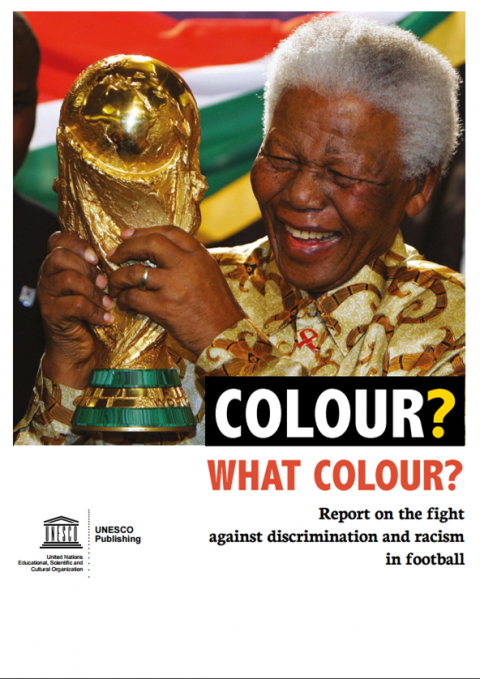 Colour? What colour? Relazione sulla lotta contro la discriminazione e il razzismo nel calcio Year of publication: 2015 Author: Albrecht Sonntag | David Ranc Football has been shown to be a mirror of society, it may also be viewed as providing a temporary suspension of reality for an interlude of high emotion and idealized hopes and dreams. Football’s public transcends differences of age, gender, culture, religion, and socioeconomic status to unite in support of their team. The broad diversity of backgrounds of football players represents tangible evidence of equal opportunity and meritocracy. The sport itself has team solidarity, fair play and mutual respect among members and for opponents ingrained within its rules and practices. Yet, the ‘beautiful game’ is one with an imbedded paradox. Football is also a game that may in many vaguely resemble war, where opponents face each other in a struggle to win over the other side, with the noisy and emphatic support of the spectators. An ‘us’ and ‘them’ mentality is an integral part of trying to help a team reach the objective, which is to win the game. This setting naturally produces a desire by supporters to intimidate the other side by encouraging their team and expressing both confidence and superiority through their words and actions. When the ‘us’ and ‘them’ mentality turns into symbolic exclusion of others, language of disparagement and insult based on racism or discrimination, or physical confrontation, the ‘beautiful game’ is debased. The existence of racism and discrimination in football is not a secret, but it is a shame on the game. Although much is already being done, both observers and experts feel too many problems persist and measures to tackle them have not been effective enough. This report was commissioned by UNESCO within the framework of UNESCO’s partnership with Juventus. It focuses on discrimination and racism in professional football and to some extent the amateur clubs that funnel into the leagues. It provides an overview of the historic and theoretical background. It reports on the state of affairs on the ground. It summarizes what has been done and is being done to mitigate racism and discrimination in domestic and international football, how the effects of these actions may be evaluated, and which new avenues for further, complementary action are promising. The report is based on a literature review, desk research, regional reports from the Unesco network and a field survey among a purposive sample of experts and actors in a number of countries. The report has a somewhat European focus, in its sources and examples. Europe has a unique position Executive Summary in the world of football, with its leading competitions, championships and clubs. It is the region where racism and discrimination in football has been most intensively researched. A number of civil society organisations from Europe have played a pioneering role in the fight against racism and discrimination in football. Moreover, the pressure that comes with the money invested in and generated by western European football, as well as its exposure in the media, has also made clubs, federations and UEFA particularly sensitive to the negative impact that discrimination can have on the game and its image, within Europe and worldwide. Europe must therefore occupy a central role in a study of the fight against discrimination in professional football and in determined policies to mitigate racism and discrimination related to football wherever they occur. The examples of incidents of discrimination and racism, as well as of existing measures to combat them have been selected to be as wide-ranging as possible. The authors do not, however, claim the report to be a comprehensive listing. Similarly, the examples of best practice have been collected through extensive reading and contacts, but must be looked at as an overview rather than as a directory. They are chosen by the authors to illustrate types of actions and institutions with the potential for greatest impact. The report also does not deal with the methods of allocation of resources to football, with issues of employment, or with womens’ football. While these are significant topics on which concerns can be expressed, the necessary focus of a report of this type means that they are alluded to without being treated in depth.
 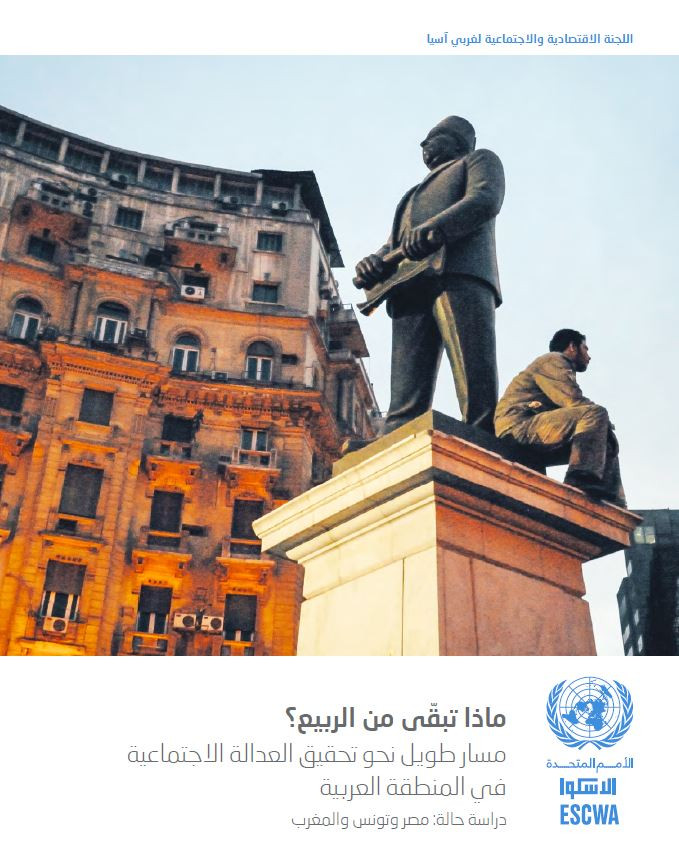 What's Left of Spring? A Long Path towards Social Justice In the Arab Region; Case Study: Egypt, Tunisia, and Morocco Year of publication: 2015 Corporate author: United Nations Economic and Social Commission for Western Asia (ESCWA) “What is left of the spring? A long path towards achieving social justice in the Arab region” is the first in a series of social development reports that ESCWA intends to publish. It comes two years after the publication of “Spring Promises: Citizenship and Civic Participation in the Paths of Democratic Transition,” the study that reviewed the general context surrounding the so-called Arab Spring and addressed the challenges facing achieving social justice, consensus and maintaining social cohesion during political transitions. This report is also issued the day after the international community adopts a new global path for development, which is the 2030 Agenda for Sustainable Development, of which social justice is the main pillar. ماذا تبقّى من الربيع ؟ : مسار طويل نحو تحقيق العدالة الاجتماعية في المنطقة العربية : دراسة حالة : مصر وتونس والمغرب Year of publication: 2015 Corporate author: United Nations Economic and Social Commission for Western Asia (ESCWA) "ماذا تبقّى من الربيع؟ مسار طويل نحو تحقيق العدالة الاجتماعية في المنطقة العربية" هو التقرير الأول من سلسلة تقارير عن التنمية الاجتماعية تعتزم الإسكوا إصدارها. وهو يأتي بعد مرور سنتين على إصدار "وعود الربيع: المواطنة والمشاركة المدنية في مسارات التحول الديمقراطي"، الدراسة التي استعرضت السياق العام الذي أحاط بما سُمي الربيع العربي وتناولت التحديات التي تواجه تحقيق العدالة الاجتماعية والتوافق في الآراء والحفاظ على التماسك الاجتماعي أثناء التحولات السياسية. آما يصدر هذا التقرير غداة اعتماد المجتمع الدولي مساراً عالمياً جديداً للتنمية هو خطة التنمية المستدامة لعام 2030 التي تشكل العدالة الاجتماعية ركيزتها الأساسية.
 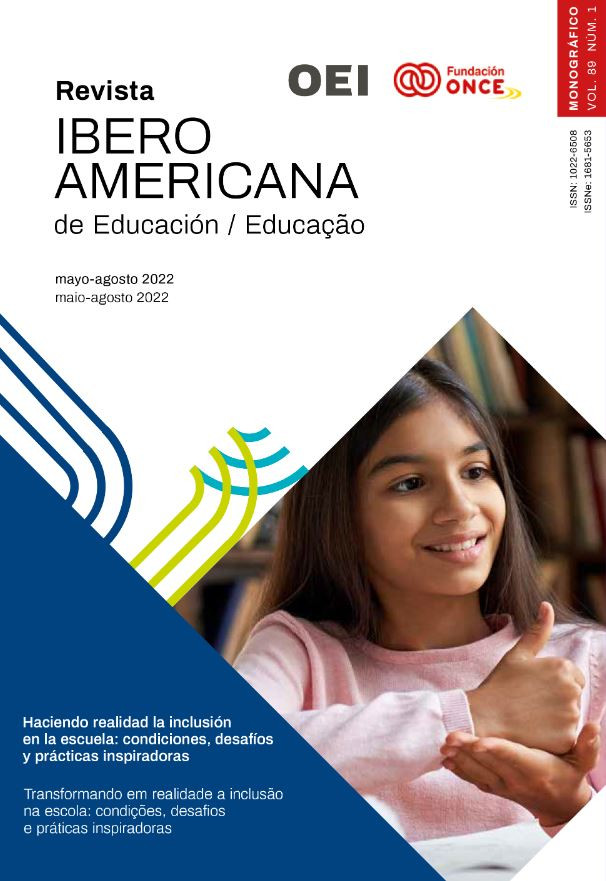 Teachers and Migrant Families: Pressing Communication (Iberoamerican Journal of Education; vol. 89, no. 1) Year of publication: 2022 Author: Mohamed Chamseddine Habib Allah Corporate author: Organization of Ibero-American States for Education, Science and Culture (OEI) This article presents the results of a study whose objective is to analyze the state of communication between migrant families and teachers in Early Childhood and Primary Education Centers in the Region of Murcia. Two questionnaires were chosen to develop a descriptive non-experimental quantitative research. The main results reveal that extracurricular activities are not part of the usual conversations between families and teachers. However, acceptable but improvable aspects are detected, such as delving into discipline issues, and student learning, etc. On the other hand, it is evident that the parents still do not go to visit the teachers on their own initiative to address the relevant elements of the teaching-learning process of their children. Docencia y familias migrantes: comunicación acuciante (Revista Ibero-americana de Educação; vol. 89, núm. 1) Year of publication: 2022 Author: Mohamed Chamseddine Habib Allah Corporate author: Organización de Estados Iberoamericanos para la Educación, la Ciencia y la Cultura (OEI) Este artículo presenta los resultados de un estudio cuyo objetivo es analizar el estado de comunicación entre las familias migrantes y los docentes en Centros Educativos de Educación Infantil y Primaria de la Región de Murcia. Se optó por dos cuestionarios homólogos para desarrollar una investigación de carácter cuantitativo no experimental de corte descriptivo. De los principales resultados se revela que las actividades extraescolares no forman parte de las conversaciones habituales entre las familias y el profesorado. Sin embargo, se detectan aspectos aceptables pero mejorables, como profundizar en los temas de disciplina, y el aprendizaje del alumnado, etc. Por otro lado, se evidencia que los progenitores siguen sin acudir a visitar a los docentes por iniciativa propia para abordar los elementos relevantes del proceso de enseñanza-aprendizaje de sus hijos e hijas.
  Preparing teachers for inclusive education in Latin America (Prospect: quarterly review of comparative education) Year of publication: 2011 Author: Denise Vaillant Corporate author: UNESCO International Bureau of Education (IBE) This article analyzes the current challenges facing inclusive education in Latin America and explores some possible solutions. The author suggests that teachers play a key role in providing education that is inclusive for all. In Latin America, today, however, inclusive education often does not respond to the needs of children and young people, and teachers often finish their professional training without acquiring the skills they need to work with children and young people living in difficult circumstances. Teachers also need incentives to work in remote or difficult geographical areas, and they benefit from national efforts to improve their status, including awards for innovative work. Much remains to be done, but the training of teachers for a more inclusive education system is gradually being incorporated as part of the educational policy agenda in Latin America. Préparer les enseignants pour l'éducation inclusive en Amérique latine (Perspectives: la revue trimestrielle d'éducation comparée) Year of publication: 2011 Author: Denise Vaillant Corporate author: UNESCO International Bureau of Education (IBE) Cet article analyse les défis actuels éducation inclusive en Amérique latine et explore des solutions possibles. L'auteur suggère que les enseignants jouent un rôle clé dans l'éducation inclusive pour tous. En Amérique latine, aujourd'hui, cependant, l'éducation inclusive souvent ne répond pas aux besoins des enfants et des jeunes, et les enseignants finir souvent leur formation professionnelle sans acquérir les compétences dont ils ont besoin pour travailler avec les enfants et les jeunes vivant dans des circonstances difficiles. Les enseignants ont également besoin d'incitations à travailler dans des zones géographiques éloignées ou difficiles, et ils bénéficient des efforts nationaux pour améliorer leur statut, y compris des prix pour des travaux novateurs. Il reste encore beaucoup à faire, mais la formation des enseignants pour un système éducatif plus inclusif est progressivement intégré dans le cadre de l'ordre du jour de la politique éducative en Amérique latine.
 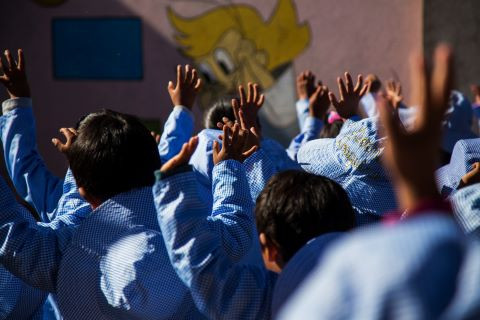 Weaving Education and Equity in Ibero-America Year of publication: 2024 Author: Ricardo Cuenca Corporate author: Organization of Ibero-American States for Education, Science and Culture (OEI) Addressing the complex relationship between education and inequality in Latin America is a challenge. Economic and social disparities create a complex network in the region. Despite progress, access remains an obstacle for many. During its 75-year history, the OEI has been working to break down the barriers that hinder equitable education for all. Ricardo Cuenca, member of the OEI Advisory Board, explains to what extent educational policies can contribute to mitigating these inequalities in Latin America.