
Resources
Explore a wide range of valuable resources on GCED to deepen your understanding and enhance your research, advocacy, teaching, and learning.
41 Results found
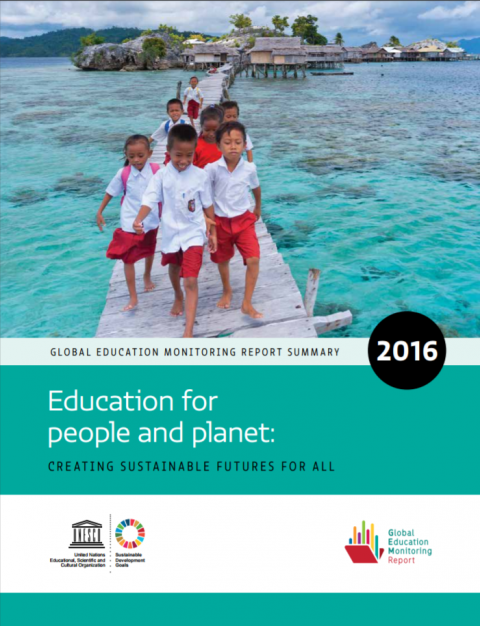 La Educación al servicio de los pueblos y el planeta: creación de futuros sostenibles para todos, resumen del informe de seguimiento de la educación en el mundo 2016; Year of publication: 2016 Corporate author: UNESCO The GEM Report provides an authoritative account of how education is the most vital input for every dimension of sustainable development. Better education leads to greater prosperity, improved agriculture, better health outcomes, less violence, more gender equality, higher social capital and an improved natural environment. Education is key to helping people around the world understand why sustainable development is such a vital concept for our common future. Education gives us the key tools – economic, social, technological, even ethical – to take on the SDGs and to achieve them. These facts are spelled out in exquisite and unusual detail throughout the report. Yet the report also emphasizes the remarkable gaps between where the world stands today on education and where it has promised to arrive as of 2030. Образование в интересах людей и планеты: ПОСТОЕНИЕ УСТОЙЧИВОГО БУДУЩЕГО ДЛЯВСЕХ, РЕЗЮМЕ ВСЕМИРНОГО ДОКЛАДА ПО МОНИТОРИНГУ ОБРАЗОВАНИЯ, 2016 Year of publication: 2016 Corporate author: UNESCO The GEM Report provides an authoritative account of how education is the most vital input for every dimension of sustainable development. Better education leads to greater prosperity, improved agriculture, better health outcomes, less violence, more gender equality, higher social capital and an improved natural environment. Education is key to helping people around the world understand why sustainable development is such a vital concept for our common future. Education gives us the key tools – economic, social, technological, even ethical – to take on the SDGs and to achieve them. These facts are spelled out in exquisite and unusual detail throughout the report. Yet the report also emphasizes the remarkable gaps between where the world stands today on education and where it has promised to arrive as of 2030. 教育造福 人类与地球:为全民创造可持续的未来, 2016 全球教育监测报告; 摘要 Year of publication: 2016 Corporate author: UNESCO The GEM Report provides an authoritative account of how education is the most vital input for every dimension of sustainable development. Better education leads to greater prosperity, improved agriculture, better health outcomes, less violence, more gender equality, higher social capital and an improved natural environment. Education is key to helping people around the world understand why sustainable development is such a vital concept for our common future. Education gives us the key tools – economic, social, technological, even ethical – to take on the SDGs and to achieve them. These facts are spelled out in exquisite and unusual detail throughout the report. Yet the report also emphasizes the remarkable gaps between where the world stands today on education and where it has promised to arrive as of 2030. التعليم من أجل الناس والكوكب: بناء مستقبل مستدام للجميع Year of publication: 2016 Corporate author: UNESCO The GEM Report provides an authoritative account of how education is the most vital input for every dimension of sustainable development. Better education leads to greater prosperity, improved agriculture, better health outcomes, less violence, more gender equality, higher social capital and an improved natural environment. Education is key to helping people around the world understand why sustainable development is such a vital concept for our common future. Education gives us the key tools – economic, social, technological, even ethical – to take on the SDGs and to achieve them. These facts are spelled out in exquisite and unusual detail throughout the report. Yet the report also emphasizes the remarkable gaps between where the world stands today on education and where it has promised to arrive as of 2030.
 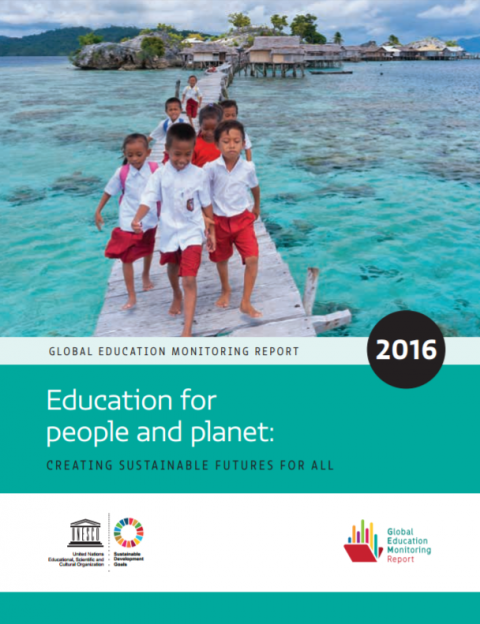 Образование в интересах людей и планеты: построение устойчивого будущего для всех 2016 г Year of publication: 2016 Corporate author: UNESCO | Global Education Monitoring Report Team Всемирный доклад по мониторингу образования (ВДМО), ранее известный как Всемирный доклад по мониторингу образования для всех, является независимым по содержанию, авторитетным и основанным на фактическом материале ежегодным докладом, который публикуется ЮНЕСКО, о ходе работы по осуществлению глобальных целей и задач в сфере образования, принятых международным сообществом в 2015 г. в качестве элемента целей в области устойчивого развития (ЦУР). Его цель – отслеживать ход работы по выполнению задач в сфере образования, которые являются элементами нового комплекса целей в области устойчивого развития (ЦУР). Подготовкой содержания ВДМО и обеспечением его качества занимается опытная группа сотрудников под руководством директора ВДМО.ВДМО – это единственное в своем роде, всеобъемлющее, аналитическое и авторитетное справочное издание для мониторинга и обзора сферы образования в глобальном масштабе. За период с 2002 г., в течение которого вышло в свет 12 изданий доклада, группа по его подготовке приобрела обширный опыт в вопросах мониторинга и стратегического анализа, а также снискала высочайшую общемировую репутацию за широкий тематический охват – от проблем неравенства, гендерных отношений и преподавания до конфликтов, грамотности, ухода за детьми младшего возраста и их обучения.Цель доклада – обеспечивать информацию и оказывать влияние на уровне национальной, региональной и международной политики в области образования, в том числе в сферах финансирования и оказания помощи, посредством авторитетного фактологического обзора прогресса и сбалансированного анализа наиболее острых проблем, стоящих перед странами и другими заинтересованными сторонами. В этой публикации тщательно рассматриваются детали масштабной повестки дня для проведения реформы образования; она рассчитана прежде всего на лиц, принимающих решения: министров, политиков, парламентариев, специалистов по планированию в сфере образования.Не менее значимым является более широкий спектр групп гражданского общества, включая ассоциации преподавателей, неправительственные организации, университетские исследовательские кадры, молодежные сети и средства массовой информации. Способствуя более широкому осмыслению вопросов образования, доклад открывает возможности для обсуждения, обмена опытом и просвещения.Презентации доклада на глобальном, региональном и национальном уровнях, организуемые в течение года во всех регионах мира, активно освещаются в прессе и вызывают большой интерес на местах. Помимо этих мероприятий, ознакомление с докладом все чаще сопровождается политическими семинарами для вовлечения руководящих должностных лиц и парламентариев в дискуссии, посвященные ключевым темам и рекомендациям доклада. Ознакомление с изложенными в докладе выводами происходит также в ходе министерских совещаний, международных ученых конференций, курсов профессиональной подготовки для практических специалистов в области образования и семинаров с участием представителей правительств, доноров, НПО, исследователей и преподавателей. Кроме того, они распространяются через средства массовой информации и социальные сети.Краткое изложение докладов ВДМО издается на всех шести языках ООН (английском, арабском, испанском, китайском, русском и французском), а также на ряде других языков (включая бангла, вьетнамский, индонезийский, кхмерский, немецкий, португальский, тайский, хинди и японский). Полный текст доклада также издается на официальных языках ООН. Все версии наряду со справочными документами и статистическими данными размещаются на этом веб-сайте. التقرير العالمي لرصد التعليم ٢٠١٦ - التعليم من أجل الناس والكوكب: بناء مستقبل مستدام للجميع Year of publication: 2016 Corporate author: UNESCO | Global Education Monitoring Report Team يستند هذا التقرير العالمي لرصد التعليم الذي أصدرته اليونسكو إلى تجربة وخبرة التقارير العالمية السابقة لرصد التعليم للجميع، كما تناط به مهمة جديدة وهي تقييم التقدم الذي يحرزه التعليم في إطار جدول أعمال 2030. وهذا التقرير العالمي لرصد التعليم لعام 2016، وهو الأول من هذه السلسلة التي ستتواصل على مدى 15 عاماً، يستكشف العلاقة المعقدة بين التعليم والجوانب الأخرى للتنمية المستدامة، إلى جانب رصد الآثار المترتبة على الهدف 4 للتنمية المستدامة. ويبين أن التعليم لن يجود بكامل إمكاناته لدفع العالم إلى الأمام ما لم تتحسن معدلات الالتحاق بالمدارس تحسُّناً كبيراً، ويصبح التعلم عملية متواصلة مدى الحياة، وتتماهى نُظم التعليم تماماً مع التنمية المستدامة. L'Education pour les peuples et la planète: créer des avenirs durables pour tous; Rapport mondial de suivi sur l'éducation, 2016 Year of publication: 2016 Corporate author: Organisation des Nations Unies pour l'éducation, la science et la culture (UNESCO) | Global Education Monitoring Report Team The GEM Report provides an authoritative account of how education is the most vital input for every dimension of sustainable development. Better education leads to greater prosperity, improved agriculture, better health outcomes, less violence, more gender equality, higher social capital and an improved natural environment. Education is key to helping people around the world understand why sustainable development is such a vital concept for our common future. Education gives us the key tools – economic, social, technological, even ethical – to take on the SDGs and to achieve them. These facts are spelled out in exquisite and unusual detail throughout the report. Yet the report also emphasizes the remarkable gaps between where the world stands today on education and where it has promised to arrive as of 2030. Informe de Seguimiento de la Educación en el Mundo, 2016: La Educación al servicio de los pueblos y el planeta: creación de futuros sostenibles para todos Year of publication: 2016 Corporate author: UNESCO | Global Education Monitoring Report Team Education for People and Planet: Creating Sustainable Futures for All explores the complex relationship between education and the new 2030 Agenda for Sustainable Development, covering six fundamental pillars – Planet, Prosperity, People, Peace, Place and Partnerships. This report shows that education will not deliver its full potential unless participation rates increase dramatically and sustainable development guides education system reform. It also warns of the destructive impact that climate change, conflict, unsustainable consumption and the increasing gap between rich and poor have on education. A huge transformation is needed if we are to create sustainable futures for all. Education for People and Planet: Creating Sustainable Futures for All, Global Education Monitoring Report, 2016 Year of publication: 2016 Corporate author: UNESCO | Global Education Monitoring Report Team Education for People and Planet: Creating Sustainable Futures for All explores the complex relationship between education and the new 2030 Agenda for Sustainable Development, covering six fundamental pillars – Planet, Prosperity, People, Peace, Place and Partnerships. This report shows that education will not deliver its full potential unless participation rates increase dramatically and sustainable development guides education system reform. It also warns of the destructive impact that climate change, conflict, unsustainable consumption and the increasing gap between rich and poor have on education. A huge transformation is needed if we are to create sustainable futures for all. [Summary] Education for People and Planet: Creating sustainable Futures for All, Global Education Monitoring Report, 2016; Summary Year of publication: 2016 Corporate author: UNESCO Education for People and Planet: Creating Sustainable Futures for All explores the complex relationship between education and the new 2030 Agenda for Sustainable Development, covering six fundamental pillars – Planet, Prosperity, People, Peace, Place and Partnerships. This report shows that education will not deliver its full potential unless participation rates increase dramatically and sustainable development guides education system reform. It also warns of the destructive impact that climate change, conflict, unsustainable consumption and the increasing gap between rich and poor have on education. A huge transformation is needed if we are to create sustainable futures for all.