
Resources
Explore a wide range of valuable resources on GCED to deepen your understanding and enhance your research, advocacy, teaching, and learning.
43 Results found
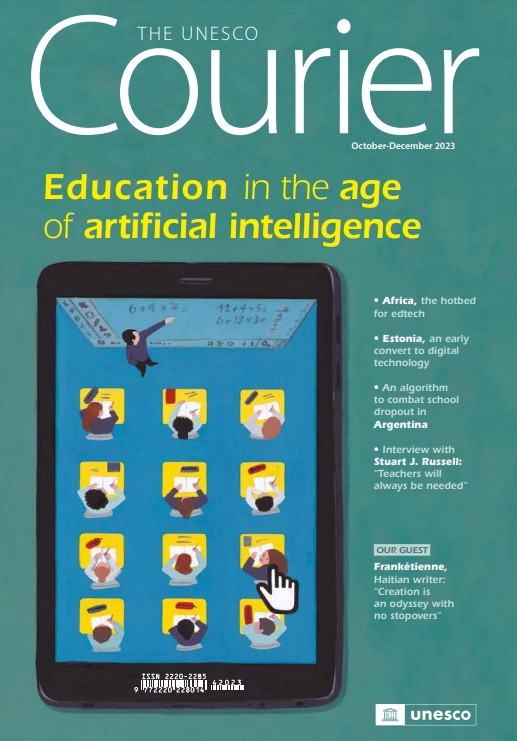 Eduaction in the Age of Articial Intelligence (The UNESCO Courier no. 4, October-December 2023) Year of publication: 2023 Corporate author: UNESCO At a time when the field of education is in worldwide ferment, a single instructional phenomenon has captured the attention not only of professionals but of laymen.” Does the innovation in question refer to artificial intelligence (AI), or to the use of augmented reality in the classroom? Neither one. This quote is from an article in The UNESCO Courier about “teaching machines”, a set of programmes developed in the USA to guide students in their learning. It dates back to… March 1965. Which just goes to show that pondering the role of computers in learning is nothing new. Whether lauded or decried, technologies are increasingly part of the school landscape, at least in industrialized countries. Digital learning games, online tutorials or massive open online courses (MOOCs) have become a reality for a growing number of pupils and students. The COVID-19 pandemic has only accelerated the phenomenon, spurring the rise, including in Africa, of companies specializing in digital educational services, the so-called “edtechs”. Yet no matter how sophisticated these technologies may be, they have not challenged the founding principle of a teacher giving a class simultaneously to a group of students. Artificial intelligence could be a game-changer. Does the arrival of content-generating tools like ChatGPT and intelligent tutorials mean the oft-heralded revolution has started? In any case, the use of generative AI in learning presents unprecedented challenges to education systems. As UNESCO’s Global Education Monitoring Report 2023 highlights, these new tools can prove invaluable in providing personalized support for students, particularly those with disabilities or living in remote areas. But they also raise questions about the digital divide, data confidentiality and the preponderance of major global corporations in this sector. And for the moment, safeguards are lacking. It is therefore urgent that regulations be adopted to ensure the use of AI in education remains human-centred, in the best interests of students. To support this, UNESCO published in September 2023 the first-ever Guidance for generative AI in education and research, designed to address the disruptions caused by these technologies. It complements other tools produced by the Organization, including the Recommendation on the ethics of artificial intelligence and a guidance for policy-makers on AI and education, both published in 2021. La escuela en la era de la inteligencia artificial (El Correo de la UNESCO, no. 4, Octubre-Diciembre 2023) Year of publication: 2023 Corporate author: UNESCO En una época en que todo el campo de la educación se halla en fermentación uni-versal, hay un aspecto de ella que atrae especialmente la atención no sólo de los profe-sionales sino también de los legos” ¿Esta innova-ción hace referencia a la Inteligencia Artificial (IA), al recurso a la realidad aumentada en las aulas? Ni lo uno, ni lo otro. Este artículo del Correo de la UNESCO trata de las “máquinas de enseñar”, un conjunto de programas desarrollados en Estados Unidos para guiar a los alumnos en su aprendi-zaje. El artículo data de marzo de... 1965. Esto quiere decir que la reflexión sobre el papel de los ordenadores en el aprendizaje no es nada nuevo. Alabadas o denostadas, las tec-nologías forman parte cada vez más del paisaje escolar, al menos en los países industrializados. Los juegos digitales de aprendizaje, las tutorías en línea y los cursos masivos abiertos en línea (MOOC) se han convertido en una realidad para un número creciente de escolares y estudiantes. La pandemia de COVID-19 no ha hecho sino ace-lerar este fenómeno, fomentando el crecimiento, también en África, de sociedades especializadas en servicios educativos digitales conocidas como ‘Edtechs’. Sin embargo, por muy sofisticadas que sean, estas tecnologías no han cuestionado el prin-cipio de un profesor que imparte clases simul-táneamente a un grupo de estudiantes. La inteligencia artificial podría cambiar las reglas. Con la llegada de programas de generación de contenidos como ChatGPT y las tutorías inteli-gentes, ¿se avecina la tan anunciada revolución? Lo que sí es cierto es que el uso de la IA genera-tiva en el aprendizaje está planteando desafíos inéditos para los sistemas educativos. Tal y como señala la edición de 2023 del Informe de seguimiento de la educación en el mundo de la UNESCO, estas nuevas herramientas pueden revelarse como algo precioso para pro-porcionar un apoyo personalizado a los alumnos, sobre todo a los que tienen alguna discapacidad o viven en zonas alejadas. Pero también plan-tean la cuestión de la brecha digital, la confiden-cialidad de los datos y la preponderancia de los grandes grupos mundiales en este sector. Y por el momento no existen garantías. Por lo tanto, es urgente que se adopten nor-mas para garantizar que el uso de la IA en la edu-cación se mantiene centrado en el ser humano, en el interés superior de los estudiantes. Con el fin de apoyar este movimiento, la UNESCO ha publicado en septiembre de 2023 la primera Orientación para la IA generativa en la educación y la investigación concebida para hacer frente a las perturbaciones provocadas por las tecnolo-gías. Este documento contempla otros instru-mentos elaborados por la Organización como la Recomendación sobre la ética de la inteligencia artificial e Inteligencia artificial y educación: guía para las personas a cargo de formular políticas, publicados en 2021. L’école à l’heure de l’intelligence artificielle (Le Courrier de l'UNESCO, 4, octobre-décembre 2023) Year of publication: 2023 Corporate author: UNESCO À une époque où le domaine de l'éducation est en ébullition dans le monde entier, un phénomène pédagogique unique a attiré l'attention non seulement des professionnels, mais aussi des profanes. » Cette innovation fait-elle référence à l'intelligence artificielle (IA) ou à l'utilisation de la réalité augmentée en classe ? Ni l'un ni l'autre. Cette citation provient d'un article du Courrier de l'UNESCO à propos des "machines à enseigner", un ensemble de programmes développés aux États-Unis pour guider les étudiants dans leur apprentissage. Elle date de... mars 1965.Cela montre simplement que la réflexion sur le rôle des ordinateurs dans l'apprentissage n'est pas nouvelle. Qu'elles soient louées ou critiquées, les technologies font de plus en plus partie du paysage scolaire, du moins dans les pays industrialisés. Les jeux éducatifs numériques, les tutoriels en ligne ou les cours en ligne ouverts à tous (MOOCs) sont devenus une réalité pour un nombre croissant d'élèves et d'étudiants. La pandémie de COVID-19 n'a fait qu'accélérer ce phénomène, stimulant l'émergence, y compris en Afrique, d'entreprises spécialisées dans les services éducatifs numériques, les "edtechs".Cependant, aussi sophistiquées que puissent être ces technologies, elles n'ont pas remis en cause le principe fondateur d'un enseignant donnant un cours simultanément à un groupe d'élèves. L'intelligence artificielle pourrait bien changer la donne. L'arrivée d'outils générant du contenu comme ChatGPT et des tutoriels intelligents signifie-t-elle que la révolution tant annoncée a commencé ? En tout cas, l'utilisation de l'IA générative dans l'apprentissage présente des défis sans précédent pour les systèmes éducatifs.Comme le souligne le Rapport mondial de suivi sur l'éducation 2023 de l'UNESCO, ces nouveaux outils peuvent s'avérer inestimables pour offrir un soutien personnalisé aux élèves, en particulier ceux en situation de handicap ou vivant dans des régions éloignées. Mais ils soulèvent également des questions sur la fracture numérique, la confidentialité des données et la domination des grandes entreprises mondiales dans ce secteur. Et pour l'instant, les protections font défaut.Il est donc urgent d'adopter des réglementations afin que l'utilisation de l'IA dans l'éducation reste centrée sur l'humain, dans le meilleur intérêt des élèves. Pour soutenir cela, l'UNESCO a publié en septembre 2023 le tout premier guide sur l'IA générative dans l'éducation et la recherche, conçu pour faire face aux bouleversements provoqués par ces technologies. Ce guide complète d'autres outils produits par l'Organisation, y compris la Recommandation sur l'éthique de l'intelligence artificielle et un guide pour les décideurs sur l'IA et l'éducation, tous deux publiés en 2021. Школа в эпоху искусственного интеллекта (Курьер ЮНЕСКО no.4, октябрь-декабрь 2023) Year of publication: 2023 Corporate author: UNESCO В эпоху, когда сфера образования во всех странах мира претерпевает кардинальные изменения, внимание не только специалистов, но и рядовых граждан приковало к себе одно образовательное новшество». Современный читатель может резонно подумать, что речь идет об искусственном интеллекте (ИИ) или об использовании на уроках дополненной реальности. Отнюдь: в этой статье, напечатанной в «Курьере ЮНЕСКО» за март 1965 года под заголовком «За и против программированного обучения», говорится об «обучающих машинах» — наборе программ, разработанных в США с целью сопровождения учащихся в учебе. Это говорит о том, что вопрос о роли компьютеров в обучении возник не сегодня. Новые технологии, как бы их ни хвалили и ни хулили, все больше проникают в школьную среду, по крайней мере, в промышленно развитых странах. Обучающие компьютерные игры, занятия по интернету и массовые открытые онлайн-курсы (MOOК) становятся реальностью для растущего числа школьников и студентов. Пандемия COVID-19 лишь ускорила этот процесс, приведя к появлению во всем мире, включая Африку, множества компаний, специализирующихся на цифровых образовательных технологиях или EdTech. Тем не менее, какими совершенными бы они ни были, технологии не заменили собой основную форму обучения — преподавателя, работающего с группой учеников. Однако ситуация может измениться по мере развития ИИ. На рынке уже появляются интеллектуальные системы обучения и программы, способные генерировать контент, такие как чат-бот ChatGPT. Быть может, предсказанная многими революция в сфере образования наконец началась? Во всяком случае, применение генеративного ИИ в обучении уже сейчас ставит перед системами образования задачи совершенно нового порядка. Как отмечается во Всемирном докладе ЮНЕСКО по мониторингу образования за 2023 год, такие передовые инструменты могут обеспечить индивидуальную помощь в учебе и быть особенно полезными для учащихся, имеющих ограниченные возможности здоровья или проживающих в труднодоступных районах. Но в то же время они поднимают на поверхность такие проблемы, как цифровое неравенство, защита данных и доминирование в этом секторе крупных международных компаний. Увы, на данный момент правовое регулирование в этой области отсутствует. По этой причине необходимо срочно принять нормативные акты, которые обеспечили бы человекоориентированный подход в использовании искусственного интеллекта в образовании и его направленность на интересы учащихся. В стремлении содействовать скорейшему достижению этой цели, в сентябре 2023 года ЮНЕСКО опубликовала первое в истории руководство по использованию генеративного ИИ в образовании и научных исследованиях, призванное заложить основы для решения связанных с этими технологиями проблем. Руководство дополняет собой предыдущие работы Организации в этой области, в частности Рекомендацию об этических аспектах ИИ и «Технологии ИИ в образовании: руководство для лиц, ответственных за формирование политики», опубликованные в 2021 году. 人工智能时代的教育 (联合国教科文组织 信使 2023年第4期) Year of publication: 2023 Corporate author: UNESCO “就在世界各国的教育领域经历巨变的时候, 一种教学现象不仅引起了专业人士的注意, 也受到了非专业人士的关 注。”这里所说的创新是指人工智能吗?抑或是指在课堂 上使用增强现实技术?都不是。联合国教科文组织《信使》 杂志上的这篇文章讲的是“教学机器”。 这是美国开发出 来的一套程序, 用于指导学生学习。 这篇文章最初发表于 1965 年 3 月。 由此可见, 关于计算机在学习中能起到什么作用的思 考, 并不算新鲜。 无论人们的态度是褒是贬, 科技正在日 益融入学校, 至少在工业化国家是这样的。 数字技术学习 游戏、线上辅导和大规模开放式在线课程(MOOC)已成 为越来越多的学生的现实生活场景。 新型冠状病毒感染疫 情只是加速了这一发展趋势, 促进了非洲等地数字化教育 服务公司(“教育科技公司”)的崛起。 然而, 在一名教师同时为一群学生授课这条基本原 则面前, 无论多么尖端的技术都没能打破陈规。 人工智能 有可能改变游戏规则。ChatGPT 和智能教程等生成式人 工智能工具的出现, 是否意味着众望所期的革命已经开始 了?总之, 生成式人工智能在学习中的应用, 给教育系统 带来了前所未有的挑战。 正如联合国教科文组织《2023 年全球教育监测报告》 所强调的那样, 这些新工具可以为学生, 特别可以为残疾 学生和居住在偏远地区的学生, 提供个性化支持, 新工具 在这方面的作用确实不可估量, 但由此也引发了关于数字 鸿沟、 数据保密性, 以及国际大公司在这一领域占尽优势 等问题。目前,保障措施仍然缺失。 因此, 联合国教科文组织建议, 当务之急是制定相关 法规, 确保人工智能在教育中的应用始终秉承以人为本的 理念, 且符合学生的最大利益。 为此, 联合国教科文组织 于 2023 年 9 月发布了首份全球《生成式人工智能在教育 和研究中的应用指南》(Guidance for generative AI in education and research ), 旨在解决这些技术造成的干 扰。《指南》对联合国教科文组织编制的其他工具进行了 补充, 包括《人工智能伦理问题建议书》(Recommendation on the Ethics of Artificial Intelligence )和 2021 年发布的《人工智能与教育:政策制定者指南》(AI and education: guidance for policy-makers )。
 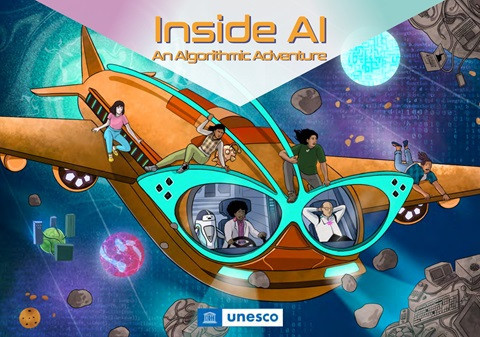 Inside AI - An Algorithmic Adventure Year of publication: 2022 Author: Katherine Evans Corporate author: UNESCO In the framework of UNESCO’s work to harness emerging technologies for sustainable development, this graphic novel for policymakers as well as youth explores the impact of Artificial Intelligence on humankind. Dive into the world of AI and follow the adventures of four characters whose lives are affected by algorithmic hazards: By following characters in four different corners of the globe as they grapple with the limits of AI technologies, the audience jointly embarks on a mission in an algorithmic galaxy called Plethor.A.I.. There, they have but one option: travel across this hidden world behind our screens to learn about the social, technical, ethical and human rights impacts of Artificial Intelligence, and help the characters find a way back to reality.UNESCO’s first graphic novel on Artificial Intelligence (AI) aims at providing an educational media to policymakers, adults and youth who are curious and interested in learning more about AI, its challenges and stakes.
  International Forum on AI and Education: Steering AI To Empower Teachers and Transform Teaching, 5–6 December 2022; Analytical Report Year of publication: 2023 Author: Fengchun Miao | Kelly Shiohira | Zaahedah Vally | Wayne Holmes Corporate author: UNESCO | JET Education Services The International Forum on AI and Education has contributed ‘to peace and security by promoting collaboration among the nations through education, science and culture’ (UNESCO, 1945). The Forum has now become the world’s leading event promoting knowledge-sharing, the understanding of peoples, and the achievement of international agreements, in the fast-developing and increasingly impactful field of AI and education. The fourth edition of the International Forum on Artificial Intelligence and Education aimed to foster knowledge sharing specifically on how to steer the design and use of AI to empower teachers and to transform teaching methodologies within the broad framework of digital transformation of education. The Forum sought to bring together a range of expertise and experiences across the globe, and, in keeping with UNESCO priorities, a special focus was placed on Africa. A total of 16 national strategies were presented at the Forum by the various national ministers and representatives invited to attend. The national strategies shared during the Forum also unveiled the varying levels of preparedness and policy responses toward AI across different regions, a reminder that the pre-existing digital divide still underpins the system-wide uptake and integration of AI in education. Therefore, not all of the strategies were directly related to or containing AI because some areas that were represented at the conference are still at the nascent stages of AI Strategy development. The presentations of national initiatives and strategies related to AI from these countries shed light on the general awareness of policy-makers on the impact of AI in education and the commitment of national governments to fostering AI competencies among students and teachers. This report focus on the following key themes: national strategies on AI and education; critical reviews of roles of AI in the digital transformation of education; ethical principles and their implementation with a specific focus on gender equality; AI competencies for teachers, and notable algorithms or AI platforms and AI-informed pedagogies. The report concludes with considerations for the future based on the authors’ own analysis of the key role of human teachers, steering the human-centered approach, mainstreaming gender equity, designing education-specific AI models and innovative pedagogy, and ensuring human agency in defining problems and designing solutions.a
  International Forum on AI and Education: Ensuring AI as a Common Good To Transform Education, 7–8 December 2021; Synthesis Report Year of publication: 2022 Corporate author: UNESCO The ‘International Forum on AI and the Futures of Education: Ensuring AI as a Common Good to Transform Education’ was co-organized by UNESCO, the Ministry of Education of the People’s Republic of China, and the National Commission of the People’s Republic of China for UNESCO. Building on the previous ‘AI and the Futures of Education’ forums, held in 2019 and 2020, this 2021 forum set out to explore the importance and role of digital humanism in AI and education. With people and governments worldwide becoming increasingly aware of both the potential and the challenges of AI and education, the forum engaged participants in dialogue about how AI governance and innovation can be enhanced for the common good. Forum participants included government ministers and other high-level ministry officials from Member States, together with representatives of international organizations, NGOs and academic institutions.This synthesis report has been developed by drawing from the International Forum on AI and the Futures of Education held in Beijing and simultaneously online from 7 to 8 December 2021.
  Readiness Assessment Methodology: A Tool of the Recommendation on the Ethics of Artificial Intelligence Year of publication: 2023 Corporate author: UNESCO In November 2021, the 193 Member States of UNESCO signed the Recommendation on the Ethics of Artificial Intelligence, the first global normative instrument in its domain. The Recommendation serves as a comprehensive and actionable framework for the ethical development and use of AI, encompassing the full spectrum of human rights. It does so by maintaining focus on all stages of the AI system lifecycle. Beyond elaborating the values and principles that should guide the ethical design, development and use of AI, the Recommendation lays out the actions required from Member States to ensure the upholding of such values and principles, through advocating for effective regulation and providing recommendations in various essential policy areas, such as gender, the environment, and communication and information. With these values, principles, and policy areas in mind, the UNESCO Secretariat elaborated a programme for the implementation of the Recommendation, with the core aim of building national capacities to discharge the actions set out in the Recommendation and bolster regulatory frameworks. The Recommendation mandated the development of two key tools, the Readiness Assessment Methodology (RAM) and the Ethical Impact Assessment (EIA), which form the core pillars of the implementation. These tools both aim to assess and promote the resilience of existing laws, policies and institutions to AI implementation in the country, as well as the alignment of AI systems with the values and principles set out in the Recommendation. The goal of this document is to provide more information on the Readiness Assessment Methodology, lay out its various dimensions, and detail the work plan for the implementing countries, including the type of entities that need to be involved, responsibilities of each entity, and the split of work between UNESCO and the implementing country.
  Global Toolkit on AI and the Rule of Law for the Judiciary Year of publication: 2023 Author: Miriam Stankovich | Ivana Feldfeber | Yasmín Quiroga | Marianela Ciolfi Felice | Vukosi Marivate Corporate author: UNESCO What is Artificial Intelligence (AI)? How does it work? And more importantly, how does it find its way into the judicial context? Technologies such as AI have been around for decades, but only recently have they begun to be used in a variety of justice and law enforcement settings. While AI has immense potential for the justice system, helping judges make better decisions, improving efficiency, increasing access, and helping to detect and prevent crime, there are also some important issues that justice stakeholders should consider as they prepare for a future in which AI is increasingly used in justice systems.In 2022, UNESCO launched two needs assessments. First, through UNESCO’s Artificial Intelligence Needs Assessment Survey in Africa, 90% of the 32 countries surveyed requested capacity building support for the Judiciary on AI. At the same time, a second global survey of judicial actors in 100 countries underlined the need for better understanding the use of AI in the administration of justice and its wider legal implications on societies.The “Global Toolkit on AI and the Rule of Law” for the Judiciary responds to these needs and provides judicial actors (judges, prosecutors, state attorneys, public lawyers, law universities and judicial training institutions) with the knowledge and tools necessary to understand the benefits and risks of AI in their work. The toolkit will assist judicial actors in mitigating the potential human rights risks of AI by providing guidance on the relevant international human rights laws, principles, rules and emerging jurisprudence that underpin the ethical use of AI.