
Resources
Explore a wide range of valuable resources on GCED to deepen your understanding and enhance your research, advocacy, teaching, and learning.
104 Results found
 Advancing a Just Energy Transition in Central Asia: Women’s Key Role in the Energy Sector Year of publication: 2024 Corporate author: Организация по безопасности и сотрудничеству в Европе (ОБСЕ) | Global Women’s Network for the Energy Transition (GWNET) The OSCE study analyzes the socio-economic benefits of the energy transition for the five OSCE participating States in the region. It provides specific considerations for the strategic development of an appropriately skilled labour force and also contains critical yet unpublished data on the job creation potential of renewable energy in each Central Asian country.
  Gender Equality: A Large-Scale Study by the UN and the Government of Kazakhstan Year of publication: 2024 Corporate author: Организация Объединённых Наций (ООН) Women in Kazakhstan have enough rights and opportunities – 73% of the country's male population believes so. Among women, about 58 percent of participants in a large-scale sociological study on gender equality, which was recently conducted in Kazakhstan with the support of the UN Women structure and the UN Development Program.
 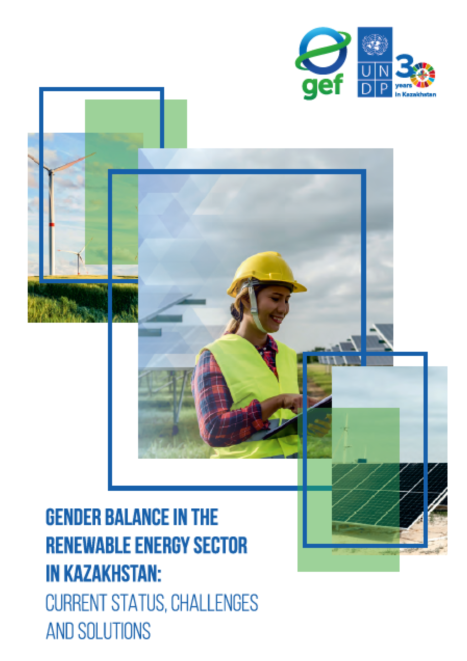 Gender Balance in the Renewable Energy Sector in Kazakhstan: Current Status, Challenges and Solutions Year of publication: 2023 Corporate author: UNDP Kazakhstan The report thoroughly examines the gender balance within the RE sector in Kazakhstan. It encompasses the current status, challenges, and solutions for enhancing gender balance in this sphere. The report consists of two parts: (1) an Overview of gender balance status and recommendations for the energy industry in the Republic of Kazakhstan; and (2) an Analysis of legislation and regulatory acts in the field of gender equality.
  Social and Psychological Determinants of Behavioral Changes in Girls and Women in STEM Education and STEM Employment Year of publication: 2023 Author: Victoria Alekseeva | Marietta Karamyan The objective of the research presented in the report is to examine the social and psychological determinants of behavioral change in girls and women in STEM professions to develop recommendations for engaging them in the professional field.
 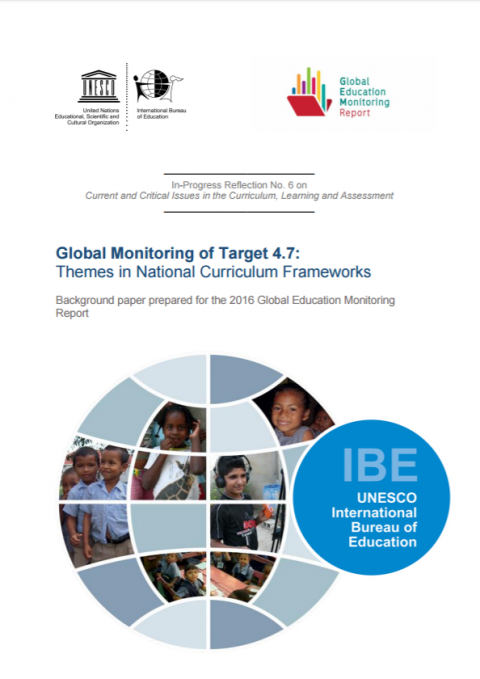 Global Monitoring of Target 4.7: Themes in National Curriculum Frameworks; Background Paper Prepared for the 2016 Global Education Monitoring Report Year of publication: 2016 Corporate author: UNESCO International Bureau of Education (IBE) This study is an initial attempt to monitor ESD and GCED content in curricula globally. The goal here is to analyse national curriculum documents to reveal if, how, and to what extent ESD and GCED content is present across the globe. For this purpose, the research team developed a coding scheme based on key ESD and GCED knowledge, skills, behaviours and pedagogies that was used in evaluating the various national curriculum documents for evidence of ESD and GCED content. In this paper, we present the study in the following order. Further explanation of ESD and GCED, and a discussion of issues relating to their implementation and monitoring will come first. Then we will review similar studies that have also attempted to monitor GCED and ESD through content analysis. The study’s methods and findings will then be presented, followed by a discussion of the challenges addressed in developing a coding system to monitor curricula effectively. Finally, we share a series of recommendations that will focus on ways for moving forward in monitoring GCED and ESD effectively, both at a curricular level and beyond.
 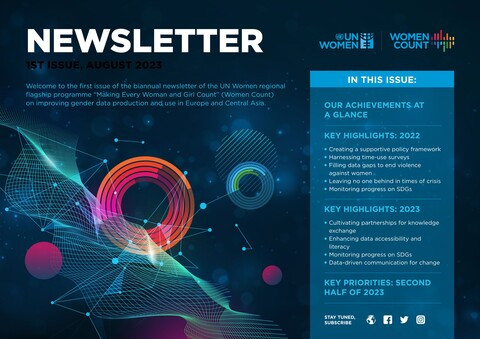 Making Every Woman and Girl Count in Europe and Central Asia Year of publication: 2023 Corporate author: United Nations Entity for Gender Equality and the Empowerment of Women (UN Women) The Women Count newsletter provides the latest updates on improving gender data production and use in the region. It highlights the programme's achievements, including key events, new publications and inspiring stories that underscore the importance of gender data in shaping policies and programs to promote gender equality and achieve the Sustainable Development Goals (SDGs).
 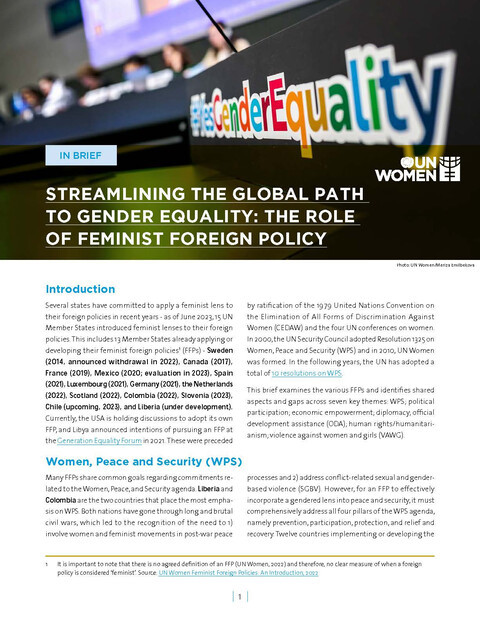 Streamlining the Global Path to Gender Equality: The Role of Feminist Foreign Policy Year of publication: 2023 Corporate author: UN WOMEN Europe and Central Asia As of June 2023, 15 UN Member States introduced feminist lenses to their foreign policies (FFPs). The policy brief examines the various FFPs and identifies shared aspects and gaps across seven key themes: WPS, political participation, economic empowerment, diplomacy, official development assistance, human rights/humanitarianism, violence against women and girls.
  Central Asia, the South Caucasus, Eastern Europe and Mongolia: Mapping of Women’s Resource Centres and Other Integrated Service Providers for Survivors of Gender-Based Violence Year of publication: 2022 Corporate author: Организация по безопасности и сотрудничеству в Европе (ОБСЕ) The Gender Issues Programme of the OSCE Office of the Secretary General conducted a comprehensive mapping of Women’s resource centres and other integrated service providers for survivors of gender-based violence (GBV) in Central Asia, the South Caucasus, Eastern Europe and Mongolia as part of the WIN Project. The mapping aimed to collect extensive information on existing services and mechanisms for direct assistance to and protection of survivors of GBV, to assess the main gaps and the need for capacity-building and knowledge-sharing in counteracting GBV, and to identify promising approaches and good practices across the OSCE region.
 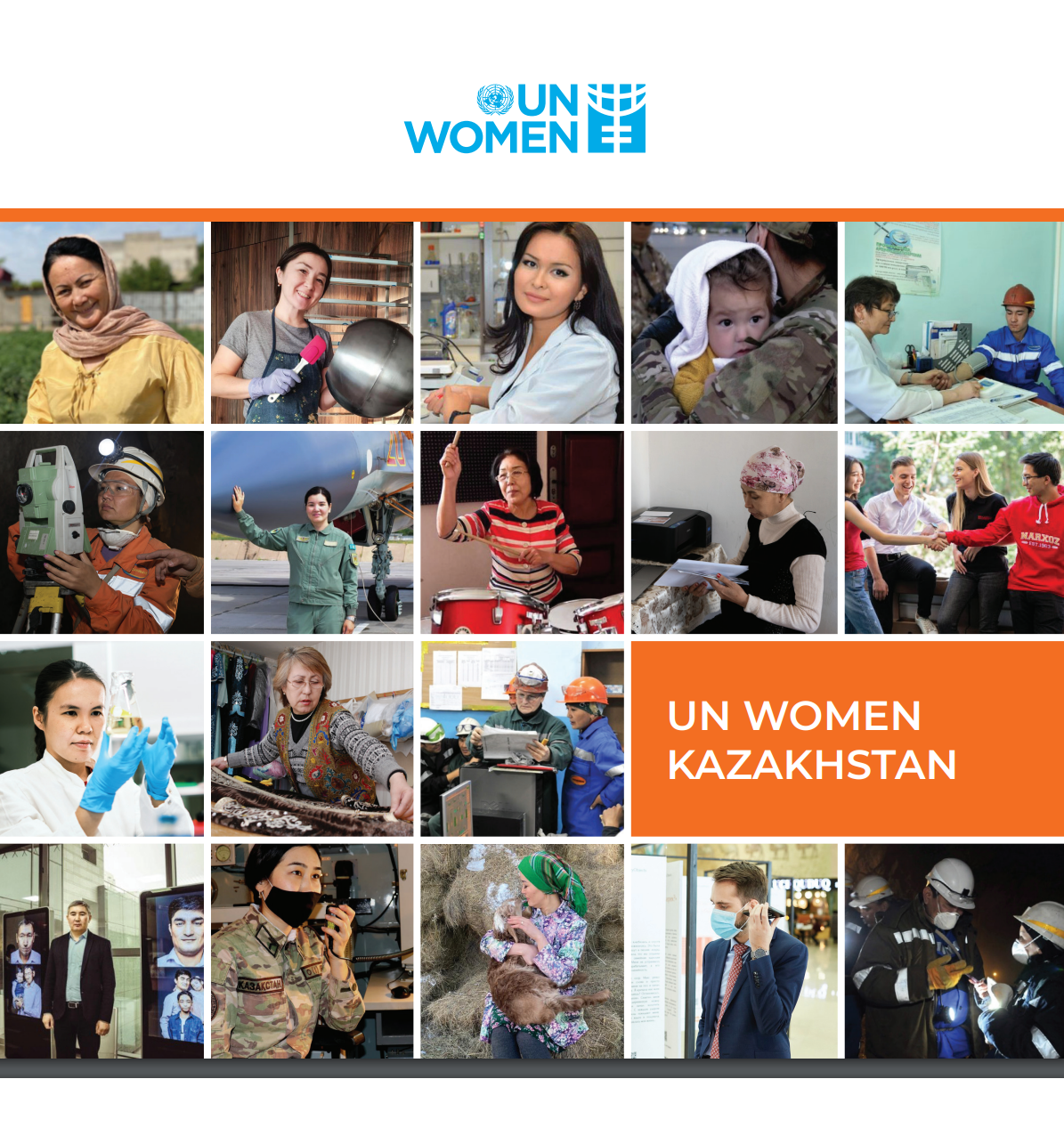 UN WOMEN Kazakhstan Year of publication: 2022 Corporate author: United Nations Entity for Gender Equality and the Empowerment of Women (UN Women) This one-pager provides a brief outline of UN Women Kazakstan's mandate, goals, activities, key audiences, partners, and other important information.
 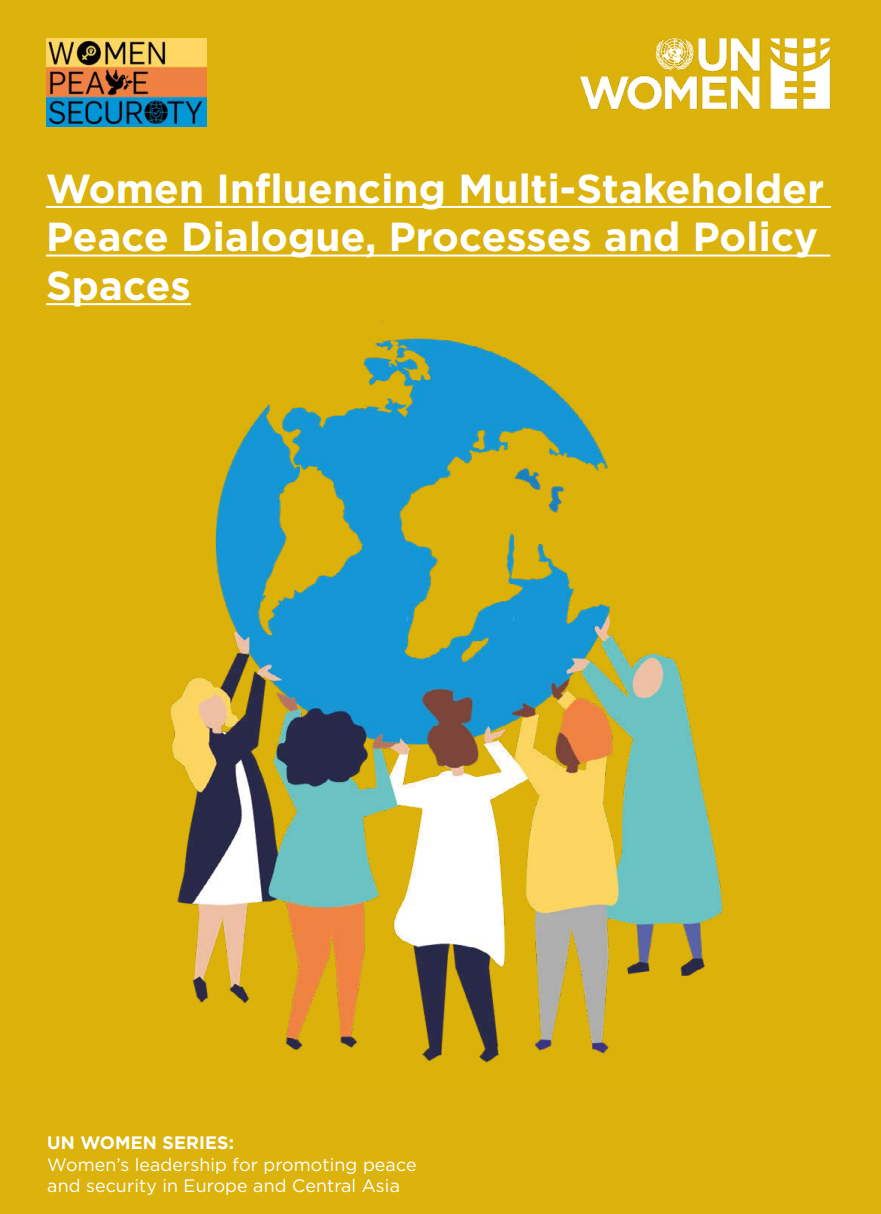 Women Influencing Multi-Stakeholder Peace Dialogue, Processes and Policy Spaces Year of publication: 2023 Corporate author: United Nations Entity for Gender Equality and the Empowerment of Women (UN Women) This paper seeks to draw lessons on how women have been participating as actors in influencing peace dialogue and processes related to the women, peace and security agenda in Europe and Central Asia. It also highlights challenges that need to be taken into consideration and offers recommendations to promote their greater contribution, influence, and participation in peace processes.