
Resources
Explore a wide range of valuable resources on GCED to deepen your understanding and enhance your research, advocacy, teaching, and learning.
114 Results found
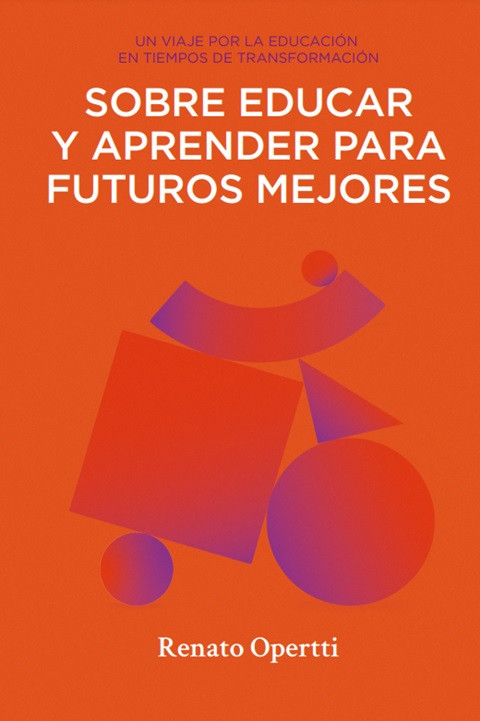 Sobre educar y aprender para futuros mejores: Un viaje por la educación en tiempos de transformación Year of publication: 2024 Author: Renato Opertti El autor del libro, Renato Opertti presidente del Consejo Asesor de la OEI, nos presenta esta publicación que divide en seis capítulos: Sobre lo global y lo local, Sobre Iberoamérica, oportunidades y desafíos pendientes, Sobre pensar, educar y aprender, Hallazgos de pisa y la resiliencia de los sistemas educativos, A propósito de Meirieu y los educadores y Sobre las nuevas generaciones y los futuros de la educación en Uruguay.
  دور المدرسة في تعزيز التربية من أجل المواطنة العالمية لدي طالبها علي ضوء بعض المتغيرات المعاصرة "دراسة تحليلية" (vol.22, no.4 مجلة البحث العلمي في التربية) Year of publication: 2021 Author: Sayeda Salama, Fatma Mohamed Al-Bardawily Corporate author: South Valley University هدف البحث الحالي إلي التعرف علي مفهوم التربية من أجل المواطنة العالمية، وأهم متطلبات تعزيزها لدي الطلاب، والتعرف أيضاً علي اهم المتغيرات المعاصرة وعلاقتها بالمواطنة العالمية، ودور المدرسة في تعزيز التربية من أجل المواطنة العالمية في ضوء ادبيات التربية، کما يضع البحث تصوراً مقترحاً لتفعيل دور المدرسة في تعزيز التربية من أجل المواطنة العالمية علي ضوء بعض المتغيرات المعاصرة، واعتمد البحث علي المنهج الوصفي التحليلي للکشف عن المتطلبات النظرية لتعزيز التربية من أجل المواطنة العالمية، وايضاً تحليل المتغيرات المعاصرة، ثم تحليل وتفسير هذه المعلومات، والخروج منها باستنتاجات ذات دلالة ومعني تفيد في وضع التصور المقترح, The Role of the School in Promoting Education for Global Citizenship Education for Students in Light of Some Contemporary Changes: An Analytical Study (vol.22, no.4; Journal of Scientific Research in Education) Year of publication: 2021 Author: Sayeda Salama, Fatma Mohamed Al-Bardawily Corporate author: South Valley University The aim of the current research is to delineate the concept of education for global citizenship and its crucial requisites for enhancing student understanding. Additionally, it seeks to explore significant contemporary changes and their correlation with global citizenship, as well as the role of schools in advancing global citizenship education in accordance with educational literature. The research further proposes a strategy to bolster the role of schools in promoting global citizenship amidst modern shifts. Employing a descriptive and analytical approach, the study unveils the theoretical prerequisites for fostering education for global citizenship.
  Cultivating "Global Citizens": Relevant Photographs of Current Curriculum Construction: Rational Thinking and Practical Exploration of International Understanding Education Year of publication: 2018 Author: Pan Guowei The international understanding of education has quietly emerged. Its purpose is to enable students to grow into “global citizens” and promote human harmony. Based on this aim, schools should make a difference in the experience of students experiencing foreign languages, so that students can gradually form the necessary qualities of “global citizenship” in expanding international knowledge, enhancing the common prosperity of the world, and improving the ability of foreign activities.
  Educación para la ciudadanía y la convivencia: ciudadanos y ciudadanos del mundo, hijas e hijos de Bogotá; ciclo cuatro (octavo y noveno) Year of publication: 2014 Corporate author: Secretaría de Educación del Distrito (SED) | Fe y Alegría These twelve modules make reference to a series of activities that focus on how children from all the educative grades understand and live citizenship, strengthening and facilitating the learning processes based on autonomy. This educative materials, which are aimed at being implemented inside the classrooms, attempt to serve as input resources for educators and other agents that work on or are interested in working with citizenship education and coexistence. The overall objective is to provide quality education. Preparing teachers to educate for 21st century global citizenship:envisioning and enacting Year of publication: 2014 Author: Linyuan Guo Corporate author: Centennial College The changing educational landscape in the global context and the increasing interconnectedness and interdependence of the world have placed unprecedented demands on teacher education programs in preparing teachers to educate for 21st century global citizenship in K-12 schools. To chart the course of preparing global educators for an interconnected world, the Faculty of Education at the University of Prince Edward Island (UPEI) and UNICEF Canada have collaboratively developed an undergraduate course, entitled Educating for Global Citizenship. It focuses on preparing educators to teach for 21st century global citizenship and has been integrated into UPEI’s teacher preparation program as a compulsory course. This paper is based on a three-year study examining teacher candidates' experiences in learning to educate for global citizenship, the changes of their perceptions on global citizenship education, and the challenges and achievements they experienced in educational practices. Findings from this study indicate the unique opportunities and challenges teachers face in learning to educate for global citizenship and suggest the necessity of integrating global citizenship education in teacher education programs through a holistic approach. Education for global and multicultural citizenship: a strategy for Victorian Government schools 2009-2013 Year of publication: 2009 Corporate author: State of Victoria (Australia) | Melbourne. Department of Education and Early Childhood Development. Office of Government School Education. Student Learning Programs Division The purpose of this strategy is to provide a renewed vision for global and multicultural education in Victorian Government schools; to align priorities to current legislative, policy and curriculum frameworks; and to guide action across schools, regions and the Department. The strategy offers a new concept for thinking about multicultural education: global and multicultural citizenship. The actions outlined will pursue the following objectives: improving educational outcomes for all students through the implementation of inclusive practices and through learning and teaching that utilises the Victorian Essential Learning Standards (VELS) domains relevant to global and multicultural citizenshipdeveloping the intercultural literacies that students, parents, educators, and leadership groups need to live and work as part of a diverse and globalised populationpromoting social cohesion and diversity as sources of educational and economic advantage for all students • enhancing the engagement, wellbeing and sense of belonging for all students in safe and secure learning environmentsbuilding the capacity of the school community to identify and address overt, subtle and institutionalised racism, stereotyping and other forms of prejudicebuilding and sustaining inclusive and participative school–community partnerships that prepare all students for global and multicultural citizenship. Education à la Citoyenneté Mondiale et Multiculturelle: une stratégie pour les écoles Victorienne Governement 2009-2013 Year of publication: 2009 Corporate author: State of Victoria (Australia) | Melbourne. Department of Education and Early Childhood Development. Office of Government School Education. Student Learning Programs Division Le but de cette stratégie est de fournir une vision renouvelée de l'éducation globale et multiculturelle dans les écoles publiques victorienne; d'aligner les priorités des cadres législatifs, politiques et programmes actuels; et pour guider l'action dans les écoles, les régions et le ministère. La stratégie offre un nouveau concept pour la réflexion sur l'éducation multiculturelle: mondiale et citoyenneté multiculturelle. Les actions décrites poursuivra les objectifs suivants:Améliorer les résultats scolaires pour tous les élèves grâce à la mise en œuvre de pratiques inclusives et par l'apprentissage et l'enseignement ont fait utliser les Normes d'Apprentissage Essentielles Victoriennes (NAEV) les domaines pertinents à la citoyenneté mondiale et multiculturelle développer les alphabétisations interculturelles ne élèves, les parents, les éducateurs et les groupes de leadership doivent vivre et travailler dans le cadre d'une diversité et globalisé promo population ting cohésion sociale et la diversité comme sources d'avantage éducatif et économique pour tous les élèves • renforcement de la participation, bien-être et le sentiment d'appartenance pour tous les élèves dans des environnements d'apprentissage sûrs et sécurisésle renforcement des capacités de la communauté scolaire pour identifier et traiter ouvertement, subtile et institutionnalisés racisme, les stéréotypes et d'autres formes de renforcement des préjugés et de maintien de partenariats inclusifs et participatifs scolaires communautaires a fait préparer tous les élèves à la citoyenneté mondiale et multiculturelle.
  المجتمع المدني وسؤال المواطنة: فرص التفعيل وحدود التأثير Year of publication: 2017 Author: Assia Belkhir Corporate author: Larbi Ben M'Hidi أدت التغيرات السريعة والمتلاحقة التي عرفتها المجتمعات المعاصرة، إلى إعادة النظر في منظومة المفاىي المرتبطة بالدولة والمجتمع، وفي طبيعة العلاقة بينيما، وفيما يربط الأفراد بمجتمعاتهم ودولهم، وأصبحت قوة الدولة لا تقاس فقط بقدراتها العسكرية، ولكن أساسا بقدرتها على تنفيذ السياسات العامة التي توفر الخدمات الاساسية للمواطنين، وقدرتها على توزيع الأدوار مع المجتمع المدني بما يزيد المشاركة ويحقق المواطنة السياسية والاجتماعية، التي يعاد التساؤل بشأنهاهي الأخرى مع بروز فكرة المواطنة العالمية. Civil Society and the Question of Citizenship : Opportunities for Activation and Limits of Influence Year of publication: 2017 Author: Assia Belkhir Corporate author: Larbi Ben M'Hidi The rapid and progressive changes that contemporary societies have undergone, have led to a reconsideration of the system of concepts associated to the state and the society, the nature of their relationship, and the connection of individuals to their societies and states. The power of the state is not only measured by its Military capabilities but mainly by its ability to implement public policies that provide essential services to the citizens, and its capacity to distribute roles within civil society, there by increasing participation and achieving the requirements of political and social citizenship, which is questioned as well, with the emergence of the idea of a global citizenship.