
Resources
Explore a wide range of valuable resources on GCED to deepen your understanding and enhance your research, advocacy, teaching, and learning.
22 Results found
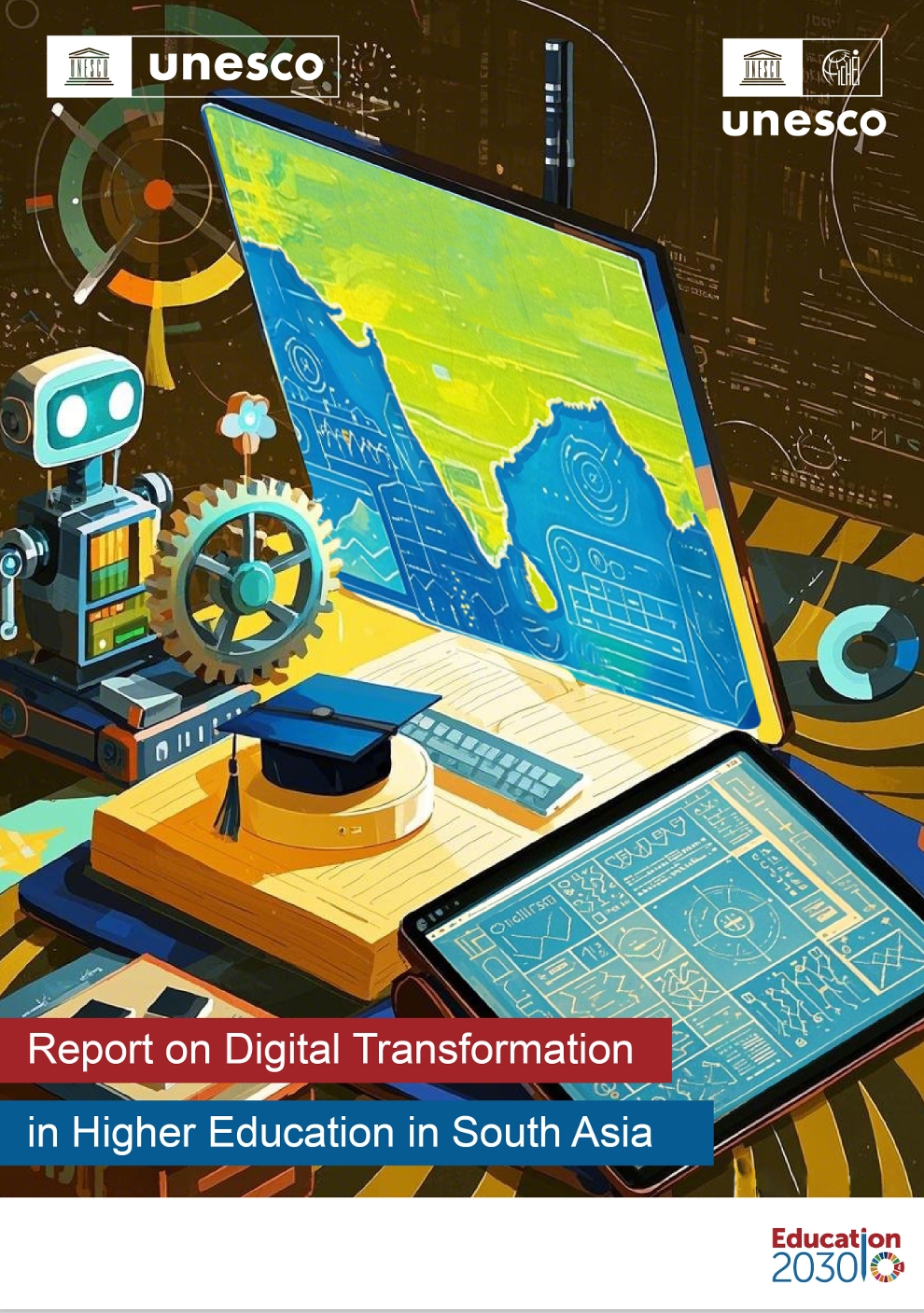 Report on Digital Transformation in Higher Education in South Asia Year of publication: 2025 Author: Anil Mammen | Vinay Lautre Corporate author: UNESCO Bangkok | International Centre for Higher Education Innovation This report explores how higher education institutions (HEIs) in South Asia are advancing digital transformation to accelerate progress toward Sustainable Development Goal 4 (SDG 4) on quality education. Focusing on Bhutan, India, Maldives, Nepal, Pakistan, and Sri Lanka, it provides one of the first comprehensive regional analyses of how digitalization is reshaping teaching, learning, research, and community engagement.
 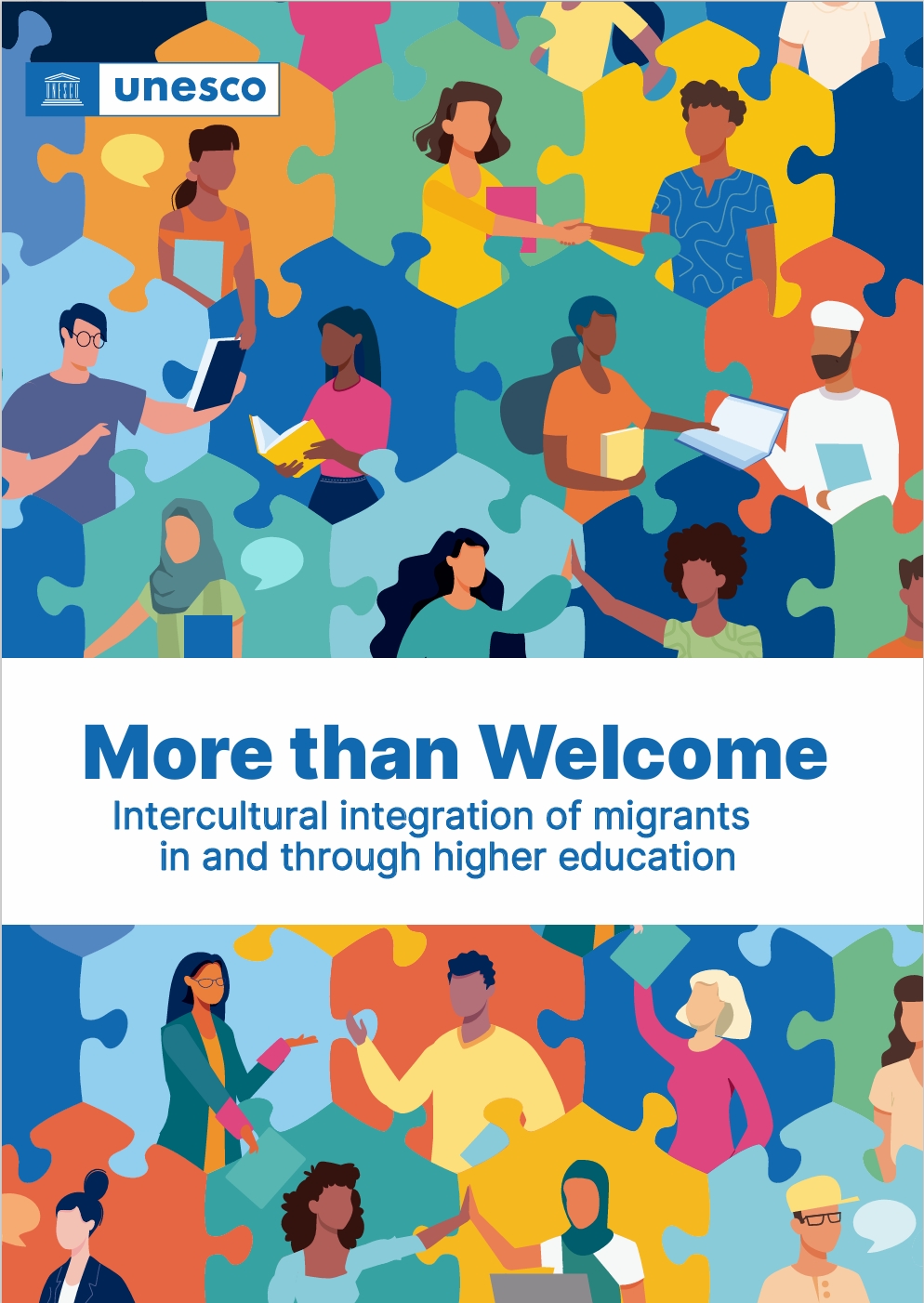 More than Welcome: Intercultural Integration of Migrants in and Through Higher Education Year of publication: 2026 Author: Darla K. Deardorff | Raffaela Iuliano Corporate author: UNESCO As global displacement reaches unprecedented levels—with 123.2 million people uprooted by conflict, environmental disasters, and economic instability (UNHCR, 2025)—there is an urgent need to rethink approach integration. Migration should be embraced as an opportunity for human and cultural development, social cohesion, and economic growth. To realise this, societies must transition from outdated integration models to a new paradigm of intercultural integration—a multidirectional process engaging all community members.More than Welcome offers a framework for intercultural integration, founded on five principles with intercultural competence at its core. It highlights the unique role of Higher Education Institutions (HEIs) in fostering mutual respect, understanding, and collaboration. By actively addressing xenophobia and cultural discrimination, HEIs can become catalytic spaces to help migrants reach their full potential in diverse societies.Through research and practical examples, the publication provides actionable strategies for policy-makers to create a higher education sector that not only educates but also cultivates active, intercultural citizens. By embracing this framework, we can build more inclusive societies and unlock the full potential of migration for the benefit of all.