
Resources
Explore a wide range of valuable resources on GCED to deepen your understanding and enhance your research, advocacy, teaching, and learning.
371 Results found
 Declaración Conjunta del Grupo E-9 sobre la Educación Después de 2015: Declaración de Islamabad Year of publication: 2014 Corporate author: Organización de las Naciones Unidas para la Educación, la Ciencia y la Cultura (UNESCO) This statement is adopted by the participants of the 10th E-9 Ministerial Review Meeting held in Islamabad, Pakistan, on November 27-28, 2014. They have taken stock of the progress made since 2000 and challenges remaining in the nine countries in achieving the six Education for All (EFA) goals, and reflected on the priorities and prospects for each country to sustain and further advance educational development beyond 2015. Their deliberations were based on a careful examination of the National EFA 2015 Reviews of the countries concerned, the Muscat Agreement adopted at the Global Education for All Meeting (Muscat, Oman, 12-14 May 2014), the Outcome Document of the United Nations General Assembly Open Working Group on Sustainable Development Goals, and took into account the Aichi-Nagoya Declaration on Education for Sustainable Development as well as the changing global environment that shapes the cooperation among the E-9 countries.
 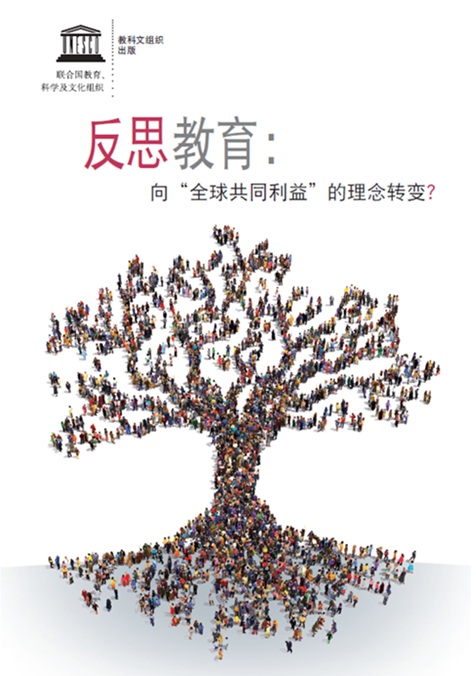 反思教育:向 “全球共同利益” 的理念转变? Year of publication: 2015 Corporate author: UNESCO 当今世界的错综复杂和矛盾冲突,达到了前所未有的程度。这些变化引发了紧张不安,人们寄希望于教育能够培养个人和社会掌握适应变化并做出反应的能力。本出版物有助于在这一背景下反思教育与学习。本书立足于教科文组织作为全球社会变革观测站的主要任务,目的是促进公共政策辩论。本书呼吁所有利益攸关方开展对话。这是一部在人文主义教育观和发展观的启迪下完成的作品,以尊重生命和人类尊严、权利平等、社会正义、文化多样性、国际团结和为创造可持续的未来承担共同责任为基础,而这些正是人性的基本共同点。本书彰显了教科文组织具有里程碑意义的两部出版物提出的愿景——《学会生存:教育世界的今天和明天》(《富尔报告》,1972年)和《学习:内在的财富》(《德洛尔报告》,1996年)。
 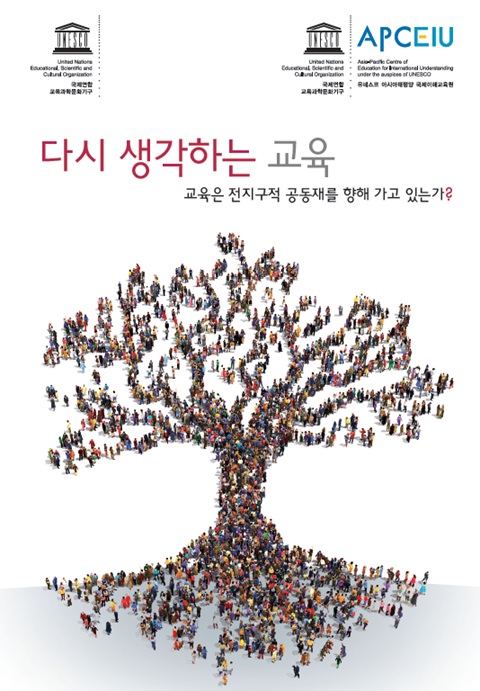 다시 생각하는 교육: 교육은 전지구적 공동재를 향해 가고 있는가? Year of publication: 2018 Corporate author: 유네스코 유네스코 아시아태평양 국제이해교육원은 유네스코와 공동으로 『다시 생각하는 교육: 교육은 전지구적 공동재를 향해 가고 있는가? (Rethinking Education: Towards a global common good?)』의 한국어판을 발간하였다. 본 한국어판은 영어 포함 13번째로 출간된 번역본이다.이 책은 새로운 전 지구적 학습 환경이 부상하는 가운데 교육의 목적이 무엇인지, 그리고 학습을 어떻게 조직할 것인지에 대해 다시 생각해야 한다고 강조하고 있다. 교육과 발전에 대한 인본주의적 비전에 영감을 받아 발간된 이 책은 복잡한 세계에서 집단적 사회 공동행동의 일환으로 학습목표와 학습조직 간의 조화를 이룩해내기 위해서는 교육과 지식을 전 지구적 공동재로 보아야 한다고 제안한다. Repenser l'éducation: vers un bien commun mondial? Year of publication: 2015 Corporate author: UNESCO The changes in the world today are characterized by new levels of complexity and contradiction. These changes generate tensions for which education is expected to prepare individuals and communities by giving them the capability to adapt and to respond. This publication contributes to rethinking education and learning in this context. It builds on one of UNESCO’s main tasks as a global observatory of social transformation with the objective of stimulating public policy debate. It is a call for dialogue among all stakeholders. It is inspired by a humanistic vision of education and development, based on respect for life and human dignity, equal rights, social justice, cultural diversity, international solidarity, and shared responsibility for a sustainable future. These are the fundamentals of our common humanity. This book enhances the vision provided by the two landmark UNESCO publications: Learning to Be: The world of education today and tomorrow (1972), the ‘Faure Report’, and Learning: The treasure within (1996), the ‘Delors Report’.
  Воспитание глобальной гражданственности: темы и цели обучения Year of publication: 2015 Corporate author: UNESCO Данная публикация, озаглавленная «Воспитание глобальной гражданственности: темы и цели обучения» является первым, подготовленным ЮНЕСКО, педагогическим руководством в области воспитания глобальной гражданственности. Она является результатом обширных исследований и консультаций с участием экспертов из разных частей мира. Это руководство основывается на публикации ЮНЕСКО «Воспитание глобальной гражданственности: подготовка учащихся к проблемам XXI века» и результатах трех ключевых мероприятий ЮНЕСКО в области воспитания глобальной гражданственности: технической консультации по воспитанию глобальной гражданственности (сентябрь 2013 г.), а также первого и второго форумов ЮНЕСКО по воспитанию глобальной гражданственности, прошедших в декабре 2013 г. и январе 2015 г. До составления окончательного варианта руководства оно было протестировано заинтересованными сторонами в области образования в отдельных странах во всех регионах для обеспечения его актуальности в различных географических и социо-культурных ситуациях.
  التربية على المواطنة العالمية: مواضيع وأهداف تعلمية Year of publication: 2015 Corporate author: UNESCO هذا الدليل "التربية على المواطنة العالمية: المواضيع والأهداف التعلمية" هو أول التوجيهات التربوية لليونسكو حول تعليم المواطنة العالمية. أتى هذا الدليل نتيجة لبحوث معمقة وعملية استشارية مع خبراء من مختلف أصقاع العالم. يرتكز هذا التوجيه على دليل اليونسكو» التربية على المواطنة العالمية: تحضير المتعلمين لتحديات القرن الواحد والعشرين " ومخرجات الأحداث لليونسكو حول التربية على المواطنة العالمية: المشاورة الفنية حول التربية على المواطنة العالمية (أيلول/سبتمبر 2013) وندوة اليونسكو الأولى والثانية حول التربية على المواطنة العالمية، واللتين عقدتا في كانون الأول/ديسمبر 2013 وكانون الثاني/يناير من العام 2015 على التوالي. قبل الانتهاء من العمل على هذا التوجيه، اختبره أصحاب المصلحة في المجال التعليمي اختباراً ميدانياً في عدد من الدول المنتقاة بغية الحرص على ملاءمته للسياقات الجغرافية والاجتماعية الثقافية المختلفة. تهدف التربية على المواطنة العالمية إلى أن تشكل قوة تحويلية، وبناء المعرفة والمهارات والقيم والسلوكيات التي يحتاج إليها المتعلمون ليتمكنوا من المساهمة في عالم أكثر دمجاً وعدلا وسلاماً. ويقدم هذا الدليل اقتراحات لترجمة مفاهيم التربية على المواطنة العالمية إلى مواضيع وأهداف تعلمية عملية ومراعية للأعمار بطريقة تسمح بمواءمتها مع السياقات المحلية. ويهدف الدليل إلى أن يشكل مورداً للمربين ومطوري المناهج والمدربين، بالإضافة إلى صانعي السياسات، فضلا عن كونه مهماً أيضاً لغيرهم من أصحاب المصلحة في المجال التعليمي، العاملين في أطر نظامية أو غير نظامية. يعرّف الدليل بالتربية العالمية ومقوماتها التعلمية وكيفية إدماجها في النطم التربوية وتطبيقها داخل الصف.
  세계시민교육: 학습 주제 및 학습 목표 Year of publication: 2015 Corporate author: 유네스코 세계시민교육은 학습자들이 더 포용적이고, 정의롭고, 평화로운 세상을 만드는 데 이바지할 수 있도록 필요한 지식, 기능, 가치, 태도를 길러줌으로써 변혁적인 교육을 달성하고자 한다.이 책 『세계시민교육 : 학습 주제 및 학습 목표』는 세계시민교육에 대한 유네스코의 첫 교수·학습 지침서이다. 세계시민교육의 개념을 지역적 맥락에 맞게 활용할 수 있도록 실제 연령별 학습 주제 및 학습 목표로 구체화한 제안을 담고 있다. 교육자, 교육과 정 개발자, 교사교육자 및 정책입안자를 대상으로 개발된 본 지침서는 무형식 및 비형식 교육환경에 있는 교육 관계자들에게도 유용한 자료가 될 것이다. Panorámica regional: América Latina y el Caribe Year of publication: 2011 Corporate author: UNESCO The past decade has seen mixed progress towards Education for All (EFA) in Latin America and the Caribbean. More children are participating in pre-school education, many countries have achieved universal primary education and more students are moving from primary to secondary education. Gender parity has been achieved at the primary level in the majority of countries and adult literacy rates are improving. The region invests a relatively high share of national income in education and external aid to basic education has increased in recent years. However, challenges remain. The Caribbean has seen a decline by nearly one-tenth in primary enrolment ratios and 2.9 million children were not enrolled in school in the region as a whole in 2008. Some 36 million adults are still illiterate and levels of learning achievement are low in many countries. The 2011 EFA Global Monitoring Report puts the spotlight on armed conflict and one of its most damaging yet least reported consequences: its impact on education. Conflict-affected states have some of the world’s worst indicators for education. The Report documents the scale of this hidden crisis in education, looks at its underlying causes and explores the links between armed conflict and education. It also presents recommendations to address identified failures that contribute to the hidden crisis. It calls on governments to demonstrate greater resolve in combating the culture of impunity surrounding attacks on schoolchildren and schools, sets out an agenda for fixing the international aid architecture and identifies strategies for strengthening the role of education in peacebuilding.
  Regional overview: Latin America and the Caribbean Year of publication: 2011 Corporate author: UNESCO The past decade has seen mixed progress towards Education for All (EFA) in Latin America and the Caribbean. More children are participating in pre-school education, many countries have achieved universal primary education and more students are moving from primary to secondary education. Gender parity has been achieved at the primary level in the majority of countries and adult literacy rates are improving. The region invests a relatively high share of national income in education and external aid to basic education has increased in recent years. However, challenges remain. The Caribbean has seen a decline by nearly one-tenth in primary enrolment ratios and 2.9 million children were not enrolled in school in the region as a whole in 2008. Some 36 million adults are still illiterate and levels of learning achievement are low in many countries. The 2011 EFA Global Monitoring Report puts the spotlight on armed conflict and one of its most damaging yet least reported consequences: its impact on education. Conflict-affected states have some of the world’s worst indicators for education. The Report documents the scale of this hidden crisis in education, looks at its underlying causes and explores the links between armed conflict and education. It also presents recommendations to address identified failures that contribute to the hidden crisis. It calls on governments to demonstrate greater resolve in combating the culture of impunity surrounding attacks on schoolchildren and schools, sets out an agenda for fixing the international aid architecture and identifies strategies for strengthening the role of education in peacebuilding. Aperçu régional: Amérique latine et les Caraïbes Year of publication: 2011 Corporate author: UNESCO La dernière décennie a vu des progrès mitigés vers l'Education Pour Tous (EPT) en Amérique latine et dans les Caraïbes. Plus d'enfants participent à l'éducation préscolaire, de nombreux pays ont réalisé l'enseignement primaire universel et plus d'étudiants sont en mouvement du primaire au secondaire. La parité des sexes a été atteint au niveau primaire dans la majorité des pays et les taux d'alphabétisation des adultes sont l'amélioration. La région investit une part relativement élevée du revenu national dans l'éducation et l'aide extérieure à l'éducation de base a augmenté ces dernières années. Cependant, les défis demeurent. Les Caraïbes ont connu une baisse de près d'un dixième des taux de scolarisation primaire et 2,9 millions d'enfants ne sont pas inscrits à l'école dans la région dans son ensemble en 2008. Quelque 36 millions d'adultes sont encore analphabètes et les niveaux de résultats de l'apprentissage sont faibles dans de nombreux pays . Rapport Mondial de Suivi sur L'EPT 2011 met l'aCECnt sur les conflits armés et l'un de ses plus dommageables conséquences encore moins signalés: son impact sur l'éducation. États touchés par un conflit ont certains des pires indicateurs au monde pour l'éducation. Le rapport documente l'ampleur de cette crise cachée de l'éducation, se penche sur ses causes sous-jacentes et explore les liens entre les conflits armés et l'éducation. Il présente également des recommandations aux échecs d'adresses identifiées qui contribuent à la crise cachée. Il appelle les gouvernements à démontrer une plus grande détermination dans la lutte contre la culture de l'impunité des attaques contre des écoliers et des écoles environnantes, établit un ordre du jour pour la fixation de l'architecture de l'aide internationale et identifie des stratégies pour renforcer le rôle de l'éducation dans la paix.