
Resources
Explore a wide range of valuable resources on GCED to deepen your understanding and enhance your research, advocacy, teaching, and learning.
18 Results found
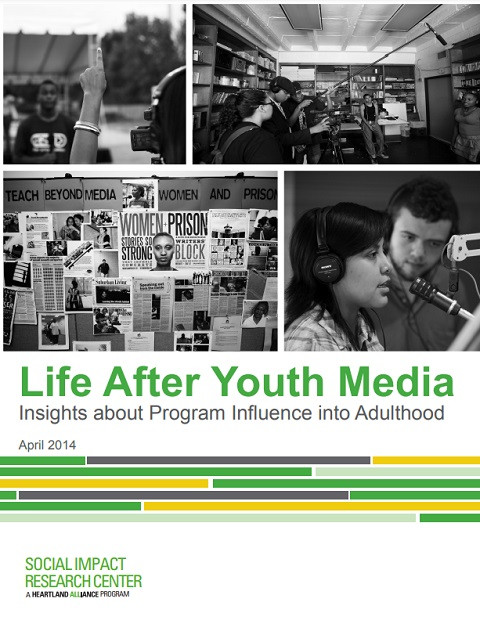 Life After Youth Media: Insights About Program Influence Into Adulthood Year of publication: 2014 Author: Suniya Farooqui | Amy Terpstra Corporate author: Social IMPACT Research Center * Do the skills, attitudes, and behaviors imparted in youth programs "stick" into adulthood? * If they do, how do they manifest in career, education, and life decisions? * How do the skills, attitudes, and behaviors that youth programs try to impart differ based on program intensity or levels of engagement? * Do these elements look different for people who went through youth media programs versus people who went through other types of youth programs? These are common questions that youth program providers, funders, public officials, and other leading thinkers regularly wrestle with. This report tells the story of a group in Chicago committed to providing quality youth media programming in the city and how, through a collective evaluation, they were able to begin to answer these critical questions.
  Periodismo e inteligencia artificial en América Latina Year of publication: 2023 Author: Natalia Zuazo Corporate author: UNESCO Montevideo En un contexto de crecimiento exponencial de la inteligencia artificial (IA) y predominancia tecnológica en todas las esferas de la vida –económica, social, cultural, ambiental y política-, este Cuaderno explora el impacto de la IA en el periodismo desde una perspectiva crítica y ética, con especial atención a América Latina. Se abordan desigualdades y desafíos inherentes a la implementación de la IA en la región. Con ello, se busca ofrecer una herramienta útil en la formación continua de estudiantes y profesionales de medios de comunicación. Journalism and Artificial Intelligence in Latin America Year of publication: 2023 Author: Natalia Zuazo Corporate author: UNESCO Montevideo In a context of exponential growth of artificial intelligence (AI) and technological dominance in all spheres of life — economic, social, cultural, environmental, and political —, this Paper explores the impact of AI on journalism from a critical and ethical perspective, with special attention to Latin America. It addresses inequalities and challenges inherent in the implementation of AI in the region. The aim is to offer an useful tool in the continuous training of students and media professionals.
  الصحافة، «الأخبار الزائفة» و«التضليل» : دليل التدريس والتدريب في مجال الصحافة Year of publication: 2020 Author: Julie Posetti | Cherilyn Ireton | Claire Wardle | Hossein Derakhshan | Alice Matthews | Magda Abu-Fadil | Tom Trewinnard | Fergus Bell | Alexios Mantzarlis Corporate author: منظمة الأمم المتحدة للتربية والعلم والثقافة (UNESCO) يسعى هذا الكتيب إلى توفير مقرر نموذجي ذي صلة دولياً، ومفتوح للتصرف أو التكييف، ويستجيب لمشكلة التضليل العالمي الناشئة التي تواجه المجتمعات بشكل عام، والصحافة بشكل خاص.تم تصميم هذا المقرر الدراسي النموذجي لتزويد مدارس ومدربي الصحافة بإطار ودروس لمساعدة الطلاب والممارسين في مجال الصحافة على التغلب على المشكلات المرتبطة بـ “الأخبار الزائفة“. ونأمل أيضاً أن يكون دليلاً مفيداً للصحفيين الممارسين.ويضم هذا المقرر مدخلات من كبار المدرسين والباحثين والمفكرين في مجال الصحافة الدولية الذين يسهمون في تحديث طرائق الصحافة وممارساتها لمواجهة تحديات التضليل ومعلوماته المضللة. والدروس قائمة على السياق وذات طبيعة نظرية، ولكن في حالة التحقق عبر الإنترنت، فهي عملية للغاية. وسواء استخدمت كمقرر دراسي في الجامعة أو بشكل مستقل، فإن هذه الصفحات تساعد في تحديث الوحدات التعليمية القائمة أو إنشاء مناهج جديدة.وهي جزء من “المبادرة العالمية للتميز في تدريس الصحافة“، والتي هي محور برنامج اليونسكو الدولي لتنمية الاتصال (IPDC). وتسعى هذه المبادرة إلى الانخراط في تدريس الصحافة والبحث في هذا المجال من منظور عالمي، بما في ذلك تبادل الممارسات الدولية الجديدة.
  저널리즘, 가짜뉴스 & 허위정보 : 저널리즘 교육과 훈련을 위한 핸드북 Year of publication: 2020 Author: Julie Posetti | Cherilyn Ireton | Claire Wardle | Hossein Derakhshan | Alice Matthews | Magda Abu-Fadil | Tom Trewinnard | Fergus Bell | Alexios Mantzarlis Corporate author: 유네스코 | 유네스코한국위원회 | 한국언론진흥재단 이 핸드북은 여러 나라에서 적절하게 활용할 수 있는 모델 커리큘럼을 제공하기 위해 만들어졌다. 그대로 채택하거나 상황에 맞게 수정해서 활용할 수 있다. 이를 통해 사회 문제로 떠오른, 특히 저널리즘 영역의 문제로 떠오른 전 세계적인 허위정보에 대응하고자 한다.모델 커리큘럼 역할을 할 이 책은 저널리즘 학생과 수행자들의 ‘가짜뉴스’와 관련된 이슈 탐구에 도움을 줄 수 있도록, 저널리즘 교육자와 훈련자들에게 적절한 프레임워크와 교과를 제공하도록 설계됐다. 우리는 또 이 자료가 저널리스트들의 실천에도 유용한 안내자가 되기를 바란다.이 콘텐츠들은 세계 최고 저널리즘 교육자, 연구자, 사상가들의 작업을 한데 모은 것이다. 이들은 잘못된 정보와 허위정보의 도전을 다루는 저널리즘 기법과 실천과 관련된 최신 정보를 제공하고 있다.이 교과들은 맥락적이며 이론적인 정보를 담고 있다. 하지만 온라인 검증은 굉장히 실질적인 내용들로 구성돼 있다. 이 자료들을 한 교과로 한꺼번에 사용할 수도 있고, 개별 모듈을 별도로 활용해도 된다. 이러한 자료들은 기존 교육 모델을 새롭게 하거나 새로운 교과를 만드는 데 도움이 될 것이다.이 책은 유네스코 국제 커뮤니케이션 개발 사업이 주력하고 있는 ‘탁월한 저널리즘 교육을 위한 글로벌 이니셔티브’의 일환이다. 이 이니셔티브는 국제적인 모범 실천 사례를 공유하고, 국제적 관점에서 저널리즘을 가르치고 실천하며 연구하는 작업에 참여하기 위해 노력한다.
  دليل معلمي الصحافة: تقرير حول الذكاء الاصطناعي Year of publication: 2023 Author: Maarit Jaakkola Corporate author: UNESCO يؤثر تطور الذكاء االصطناعي والتحكم فيه على المجتمع بأثره، وبالتالي البد أن تتولى التغطية اإلعالمية القائمة على الذكاء االصطناعي توعية الجمهور بشأن اآلثار المترتبة على التكنولوجيا نفسها، بغض النظر عن الجانب الصحفي. فعلى سبيل المثال، إعداد تقارير بخصوص القوى الديناميكية في العالقة المتغيرة ما بين الشركات والسلطات والمواطنين والرقائق الحاسوبية، وبين البيانات والخوارزميات. على الرغم من أن العديد من تطبيقات الذكاء االصطناعي تخدم مصلحة الجمهور، إال أن الصحفيين بحاجة إلى بصيرة وخبرة بشأن جوانب مثل اإلقصاء، وعدم المساواة في المزايا والمنافع، وانتهاك حقوق اإلنسان . كجزء من سلسلة التعليم الصحفي، عمل برنامج اليونسكو الدولي لتنمية االتصاالت على دعم مجلس التعليم العالمي للصحافة في التكليف بإعداد هذا الدليل، وذلك بهدف تحفيز معلمو الصحافة وتمكينهم حتى تسنى يتسنى لهم مساعدة طلبة الصحافة والصحفيين العاملين على الوصول إلى العدالة في واحدة من أهم قضايا عصرنا. مشتمالت الدليل يغطي هذا الكتيب الجوانب التالية : • فهم آلية الذكاء االصطناعي والتعرف على أنواع الذكاء االصطناعي المختلفة• استكشاف إمكانيات الذكاء االصطناعي، باإلضافة إلى نقاط قوته وضعفه .• تخيل مستقبل يتسم بالتنوع باستخدام الذكاء االصطناعي من خالل التعرف على الخطابات الشائعة التي تشكل وعي الجمهور . • فهم دور الصحافة في توسيط وتشكيل الحوار حول الذكاء االصطناعي• لبحث عن وسائل لتقديم إلعداد تقارير حول الذكاء االصطناعي بطريقة متنوعة وواقعية ومسؤولة.• إقامة صالت عالقات مع أساليب أنواع الصحافة الموجودة بالفعل، من تقارير األخبار العامة إلى صحافة البيانات . يمثل تعزيز التعليم الصحفي أحد النتائج الرئيسية التي يسعى إليها البرنامج الدولي لتنمية االتصاالت، وهو برنامج حكومي دولي فريد ضمن نظام األمم المتحدة متخصص في تنمية وسائل اإلعالم . Reporting on Artificial Intelligence: A Handbook for Journalism Educators Year of publication: 2023 Author: Maarit Jaakkola Corporate author: UNESCO The rise and control of artificial intelligence (AI) is impacting society as a whole. It follows that AI coverage must inform audiences about the implication of the technology itself, beyond journalism. For instance, reporting on the power dynamics in the changing relationship between companies, authorities, citizens and computer chips, and between data and algorithms. While many AI deployments serve public interest, journalists also need insight and expertise to alert about aspects like exclusions, unequal benefits, and violations of human rights. As part of its journalism education series, UNESCO’s International Programme for the Development of Communication (IPDC) has supported the World Journalism Education Council in commissioning this handbook. The aim is to inspire and empower so that journalism educators can help both journalism students and working journalists do justice to one of the major issues of our times. The handbook covers:• Understanding machine intelligence and identifying different types of AI• Exploring AI’s potential, as well as its strengths and weaknesses• Imagining diverse futures with AI by recognising pervasive popular narratives that inform public consciousness• Understanding journalism’s role in mediating and shaping AI discourse• Finding ways of reporting about AI in a nuanced, realistic and accountable manner• Making connections to existing genres of journalism, ranging from general news reporting to data journalism. Strengthening journalism education is one of the key results sought by IPDC, a unique intergovernmental programme within the UN system that specializes in media development. Освещение тематики искусственного интеллекта: пособие для преподавателей журналистики Year of publication: 2023 Author: Maarit Jaakkola Corporate author: UNESCO Развитие искусственного интеллекта (ИИ) и задача осуществления кон троля над ним оказывают влияние на общество в целом. Это означает, что освещение темы ИИ должно информировать аудиторию о послед ствиях применения самой технологии, выходя за рамки журналистики. Например, освещение динамики сил в условиях меняющихся отноше ний между компаниями, властями, гражданами и компьютерными чипами, а также между данными и алгоритмами. Хотя многие разработки в области ИИ служат общественным интересам, журналистам также необходимы знания и компетентность, чтобы предупреждать общественность о таких аспектах, как риски социальной эксклюзии, неравное распределение благ и нарушения прав человека. Данная публикация является частью серии публика ций по журналистскому образованию, и подготовле на совместно Международной программой развития коммуникации ЮНЕСКО (МПРК) и Всемирным советом по образованию в области журналистики. Целью данного пособия является вдохновение и расширение возможностей преподавателей журналистики, чтобы они могли помочь начинающим и работающим журнали стам разобраться в одной из важнейших проблем современ ности. В пособии рассматриваются следующие темы:• выработка общего представления о машинном интеллекте и опре деление различных типов ИИ;• рассмотрение потенциала ИИ, а также его сильных и слабых сторон;• формулирование сценариев будущего в реалиях ИИ путём выявления распространённых популярных установок, формирующих общественное сознание;• понимание роли журналистики в опосредовании и формировании дискурса об ИИ;• поиск способов взвешенного, реалистичного и ответственного освещения проблематики ИИ;• увязка с существующими жанрами журналистики — от новостного репортажа до журналистики данных. Повышение уровня журналистского образования — один из ключевых результатов, к которым стремится МПРК, уникальная межправительственная программа в системе ООН, специализирующаяся на развитии СМИ
  Reporting on Migrants and Refugees: Handbook for Journalism Educators Year of publication: 2023 Corporate author: UNESCO Covering migration: A challenge for journalism educators worldwide This handbook enables journalism educators worldwide to address one of the challenges of the 21st century – migration and refugee matters. In a set of thirteen modules, journalism educators are provided with a comprehensive curriculum. It covers all aspects needed to train analysis, research, presentation, marketing, and ethics of migration coverage.The handbook is unique as it comprises results of communication studies as well as political and social sciences. It has been developed by an international and cross-cultural group of media researchers, media educators and media practitioners.Journalism educators will be enabled to jump-start a new curriculum. Journalism students will learn that matters of migration and forced displacement are concerned about human beings and therefore require knowledge and awareness of accurate facts, reliable sources, ethical reporting and good practices. Experienced journalists will benefit from using the volume as a self-learning tool, and media development organizations may adapt the curriculum to their training plans.The project will impact a more comprehensive coverage of migrant and refugee matters in countries of origin, transit and destination, and a more balanced and informed public debate across countries and cultures.
  Introductory News Literacy: Adapted from High Five 2012; The Integrated Language Arts and Journalism Curriculum for Middle School Students Year of publication: 2013 Corporate author: American Press Institute The American Press Institute’s Introductory News Literacy Units are lightweight general usage lesson plans for introducing middle school students to how to read and understand news media and current events. While the Institute offers more specific and in-depth materials and ideas for promoting news literacy, these new units provide a resource for the time-pressed teacher working with students at an important age. Split into three units of one-to-two weeks each, the curriculum briefly overviews critical elements in news understanding and healthy processes for determining source information and bias. Individual lessons can be adapted and used to fit specific classroom needs.