
Resources
Explore a wide range of valuable resources on GCED to deepen your understanding and enhance your research, advocacy, teaching, and learning.
13 Results found
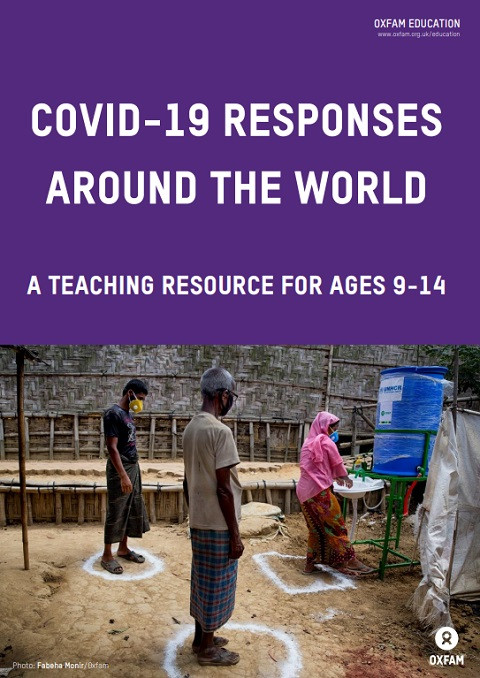 COVID-19 Responses Around the World: A Teaching Resource for Ages 9-14 Year of publication: 2021 Corporate author: Oxfam GB This resource helps learners to discuss their thoughts and feelings about the pandemic with others. Learners will also find out about ways to stop the current ‘infodemic’ – the rapid spread of misinformation and disinformation about COVID-19.This material will help learners to:discuss their thoughts and feelings about COVID-19.investigate some of the incredible ways in which people have been responding to this crisis.understand the difference between information, disinformation and misinformation.consider their own responses to the pandemic and possible actions that they might take to manage their own wellbeing and support others.
 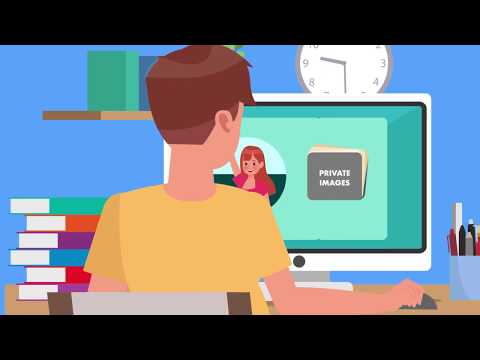 How to Understand Misinformation, Disinformation and Malinformation Year of publication: 2020 Corporate author: Shout Out UK | U.S. Embassy London | Association for Citizenship Teaching (ACT) We live in a world where information is very easy to fabricate. Now more than ever, media literacy (the ability to critically analyse information) is critical for us as citizens and for our democracy to function. This video explains the difference between Misinformation, Disinformation and Malinformation and presents you with some examples! This video is part of a resource pack created and designed by Shout Out UK, supported by the US Embassy in London and in collaboration with the Association For Citizenship Teaching.For more info: https://www.shoutoutuk.org/media-literacy/
  Elections and Media in Digital Times (In Focus Series: Global Trends in Freedom of Expression and Media Development) Year of publication: 2019 Author: Tarlach McGonagle | Maciek Bednarski | Mariana Francese Coutinho | Arthur Zimin Corporate author: UNESCO Digital companies are enabling politicians, political parties and voters to communicate in unprecedented ways, and expanding opportunities for seeking, receiving and imparting political information and ideas. Alongside positive developments, there also growing concerns about emerging and increasing threats to the integrity and credibility of elections, as well as the media's contribution to free, fair, transparent and peaceful electoral processes.This report highlights three converging trends in media and elections in digital times: the rise of disinformation, intensifying attacks on journalists, and disruptions linked to the use of information and communication technology in electoral arrangements. Offering possible responses to the challenges at hand, this study is a tool for governments, election practitioners, media organizations, journalists, civil society, the private sector, academia and individuals. Выборы и СМИ в цифровую эпоху (Серия в фокусе: Мировые тенденции в области свободы выражения мнений и развития СМИ) Year of publication: 2019 Author: Tarlach McGonagle | Maciek Bednarski | Mariana Francese Coutinho | Arthur Zimin Corporate author: UNESCO ИТ компании дают возможность политикам, политическим партиям и избирателям общаться беспрецедентными способами, расширяют возможности для поиска, получения и распространения политической информации и идей. Наряду с позитивными сторонами растет озабоченность по поводу вырисовывающихся и усиливающихся угроз целостности и авторитету выборов, а также вкладу средств массовой информации в свободные, справедливые, транспарентные и мирные избирательные процессы.В настоящем докладе освещаются три сходящиеся тенденции, связанные со СМИ и выборами в цифровую эпоху: рост дезинформации, усиление нападений на журналистов и перебои в предоставлении информационно-коммуникационных технологий в период выборов. Это исследование, предлагая возможные ответы на стоящие перед нами проблемы, является своего рода инструментом для правительств, специалистов по проведению выборов, организаций средств массовой информации, журналистов, гражданского общества, частного сектора, научных кругов и отдельных лиц.
  Spot and Fight Disinformation Year of publication: 2021 Corporate author: European Commission The pandemic demonstrated just how fast misleading or false information can spread online. With this toolkit, secondary school teachers can help their students separate what is real from what is fake when they are browsing online. The toolkit is comprised of an editable presentation (which includes real life examples and group exercises) and an instruction booklet for teachers. Detectar y combatir desinformación Year of publication: 2021 Corporate author: European Commission La pandemia ha puesto de manifiesto la rapidez con que informaciones falsas se propagan en línea. Con este kit de herramientas, los profesores de enseñanza secundaria pueden ayudar a sus alumnos a distinguir lo verdadero de lo falso cuando navegan por internet. El kit de herramientas se compone de una presentación editable y de un folleto de instrucciones. Repérer et combattre la désinformation Year of publication: 2021 Corporate author: European Commission La pandémie a montré à quel point les fausses informations se diffusent rapidement en ligne. Grâce à cette boîte à outils, les enseignants du secondaire peuvent aider leurs élèves à démêler le vrai du faux lorsqu’ils naviguent en ligne. Elle se compose d’une présentation éditable et d’une brochure contenant des instructions.
 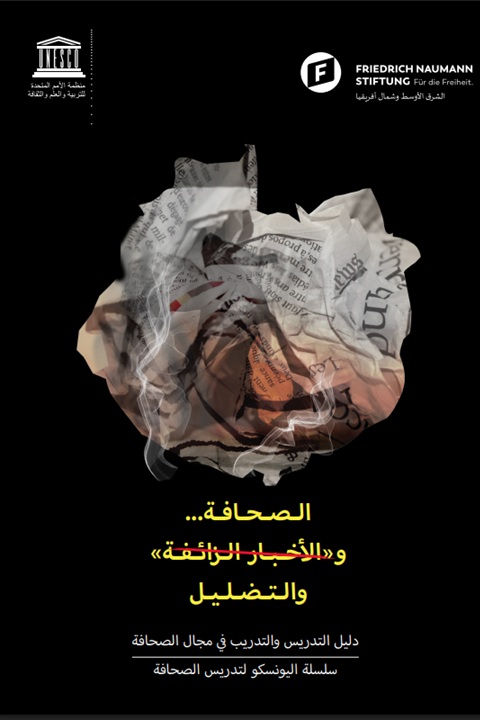 الصحافة، «الأخبار الزائفة» و«التضليل» : دليل التدريس والتدريب في مجال الصحافة Year of publication: 2020 Author: Julie Posetti | Cherilyn Ireton | Claire Wardle | Hossein Derakhshan | Alice Matthews | Magda Abu-Fadil | Tom Trewinnard | Fergus Bell | Alexios Mantzarlis Corporate author: منظمة الأمم المتحدة للتربية والعلم والثقافة (UNESCO) يسعى هذا الكتيب إلى توفير مقرر نموذجي ذي صلة دولياً، ومفتوح للتصرف أو التكييف، ويستجيب لمشكلة التضليل العالمي الناشئة التي تواجه المجتمعات بشكل عام، والصحافة بشكل خاص.تم تصميم هذا المقرر الدراسي النموذجي لتزويد مدارس ومدربي الصحافة بإطار ودروس لمساعدة الطلاب والممارسين في مجال الصحافة على التغلب على المشكلات المرتبطة بـ “الأخبار الزائفة“. ونأمل أيضاً أن يكون دليلاً مفيداً للصحفيين الممارسين.ويضم هذا المقرر مدخلات من كبار المدرسين والباحثين والمفكرين في مجال الصحافة الدولية الذين يسهمون في تحديث طرائق الصحافة وممارساتها لمواجهة تحديات التضليل ومعلوماته المضللة. والدروس قائمة على السياق وذات طبيعة نظرية، ولكن في حالة التحقق عبر الإنترنت، فهي عملية للغاية. وسواء استخدمت كمقرر دراسي في الجامعة أو بشكل مستقل، فإن هذه الصفحات تساعد في تحديث الوحدات التعليمية القائمة أو إنشاء مناهج جديدة.وهي جزء من “المبادرة العالمية للتميز في تدريس الصحافة“، والتي هي محور برنامج اليونسكو الدولي لتنمية الاتصال (IPDC). وتسعى هذه المبادرة إلى الانخراط في تدريس الصحافة والبحث في هذا المجال من منظور عالمي، بما في ذلك تبادل الممارسات الدولية الجديدة.
 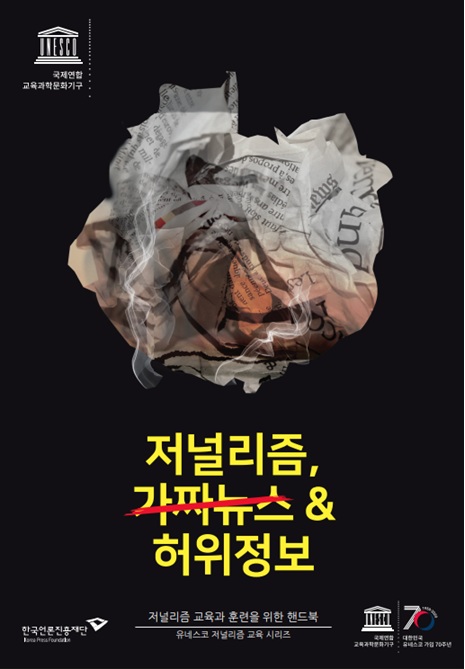 저널리즘, 가짜뉴스 & 허위정보 : 저널리즘 교육과 훈련을 위한 핸드북 Year of publication: 2020 Author: Julie Posetti | Cherilyn Ireton | Claire Wardle | Hossein Derakhshan | Alice Matthews | Magda Abu-Fadil | Tom Trewinnard | Fergus Bell | Alexios Mantzarlis Corporate author: 유네스코 | 유네스코한국위원회 | 한국언론진흥재단 이 핸드북은 여러 나라에서 적절하게 활용할 수 있는 모델 커리큘럼을 제공하기 위해 만들어졌다. 그대로 채택하거나 상황에 맞게 수정해서 활용할 수 있다. 이를 통해 사회 문제로 떠오른, 특히 저널리즘 영역의 문제로 떠오른 전 세계적인 허위정보에 대응하고자 한다.모델 커리큘럼 역할을 할 이 책은 저널리즘 학생과 수행자들의 ‘가짜뉴스’와 관련된 이슈 탐구에 도움을 줄 수 있도록, 저널리즘 교육자와 훈련자들에게 적절한 프레임워크와 교과를 제공하도록 설계됐다. 우리는 또 이 자료가 저널리스트들의 실천에도 유용한 안내자가 되기를 바란다.이 콘텐츠들은 세계 최고 저널리즘 교육자, 연구자, 사상가들의 작업을 한데 모은 것이다. 이들은 잘못된 정보와 허위정보의 도전을 다루는 저널리즘 기법과 실천과 관련된 최신 정보를 제공하고 있다.이 교과들은 맥락적이며 이론적인 정보를 담고 있다. 하지만 온라인 검증은 굉장히 실질적인 내용들로 구성돼 있다. 이 자료들을 한 교과로 한꺼번에 사용할 수도 있고, 개별 모듈을 별도로 활용해도 된다. 이러한 자료들은 기존 교육 모델을 새롭게 하거나 새로운 교과를 만드는 데 도움이 될 것이다.이 책은 유네스코 국제 커뮤니케이션 개발 사업이 주력하고 있는 ‘탁월한 저널리즘 교육을 위한 글로벌 이니셔티브’의 일환이다. 이 이니셔티브는 국제적인 모범 실천 사례를 공유하고, 국제적 관점에서 저널리즘을 가르치고 실천하며 연구하는 작업에 참여하기 위해 노력한다.
 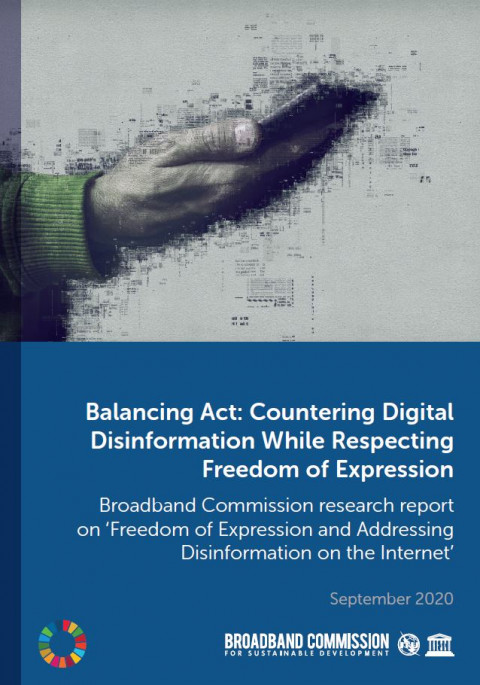 Balancing Act: Countering Digital Disinformation While Respecting Freedom of Expression Year of publication: 2020 Author: Kalina Bontcheva | Julie Posetti Corporate author: UNESCO | Broadband Commission for Sustainable Development. Working Group on AI Capacity Building | International Telecommunication Union (ITU) This report provides stakeholders with a rich suite of sector-specific recommendations, as well as a helpful 23-point framework that can be used for assessing any particular response to disinformation in the context of freedom of expression challenges. This research will help the widest range of key actors to better understand this phenomenon, and especially the way the world is responding to it, and where the gaps are.At the heart of this knowledge product is the need to balance responses to disinformation with respect for freedom of expression. The research shows us that this can be done.