
Resources
Explore a wide range of valuable resources on GCED to deepen your understanding and enhance your research, advocacy, teaching, and learning.
45 Results found
 Знать язык - познать мир: изучение и поддержка русского языка в республике Таджикистан (Этнодиалоги; No.1, 2023) Year of publication: 2023 Author: Мунзифахон Бабаджанова 2023 год в Таджикистане посвящен русскому языку. Русский язык сегодня официально является языком межнационального общения в Таджикистане. При поддержке и финансировании Российской Федерации в Таджикистане открыты и работают центры «Русский мир», «Фонды русского языка», «Русское пространство», новые школы с русским языком обучения. Россия также поддержала Таджикистан и в сфере высшего образования: созданы и действуют три университета с полным преподаванием на русском языке.
  Addressing language of instruction issues in education: recommendations for documenting progress Year of publication: 2016 Author: Carol Benson Corporate author: Columbia University (USA). Teachers College This paper offers evidence-based recommendations for documenting international progress towards addressing language issues in education. The focus is on adapting the school language(s) of instruction to the home language(s) of learners. The paper begins by defining terms like L1 and explaining the concepts underlying multilingual education (MLE). Next there is a discussion of how to capture relevant linguistic and educational information from policy documents and linguistic sources, with examples from lowincome countries. This is followed by a set of questions that can and should be asked of any program to evaluate progress in addressing instructional language issues, focusing on the approach/methodology, teacher languages and skills, learner assessment, and program management, monitoring and evaluation. The paper concludes with some possible global indicators and suggestions for further research.
 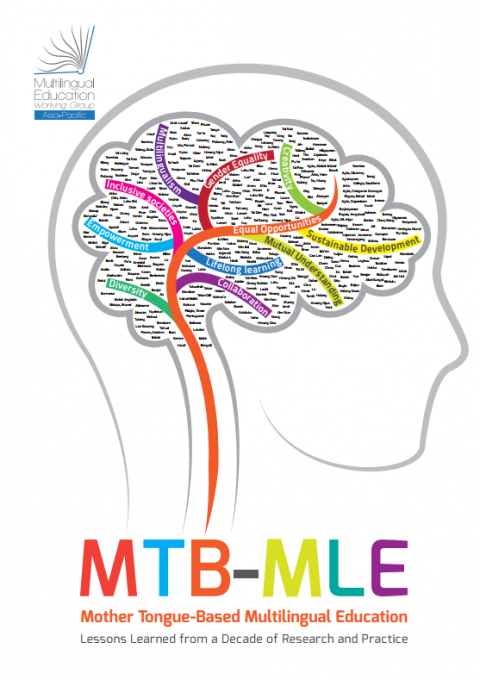 MTB-MLE: mother tongue-based multilingual education;lessons learned from a decade of research and practice Year of publication: 2014 Corporate author: Asia Multilingual Education Working Group This information is based on presentations and discussions at the 4th International Conference on Language and Education, ‘Multilingual Education for All in Asia and the Pacific: Policies, Practices and Processes’, held in Bangkok, Thailand in November 2013.
  Русский язык в Центрально-Азиатском регионе Year of publication: 2014 Author: Ksenia .P. Borishpolets Статья посвящена роли русского языка в Центральной Азии и перспективам развития его ресурсов в контексте евразийских интеграционных процессов. The Russian Language in the Central Asian Region Year of publication: 2014 Author: Ksenia .P. Borishpolets This article focuses on the role of the Russian language in Central Asia and The Russian language has been used in Central Asia for a long time now.
 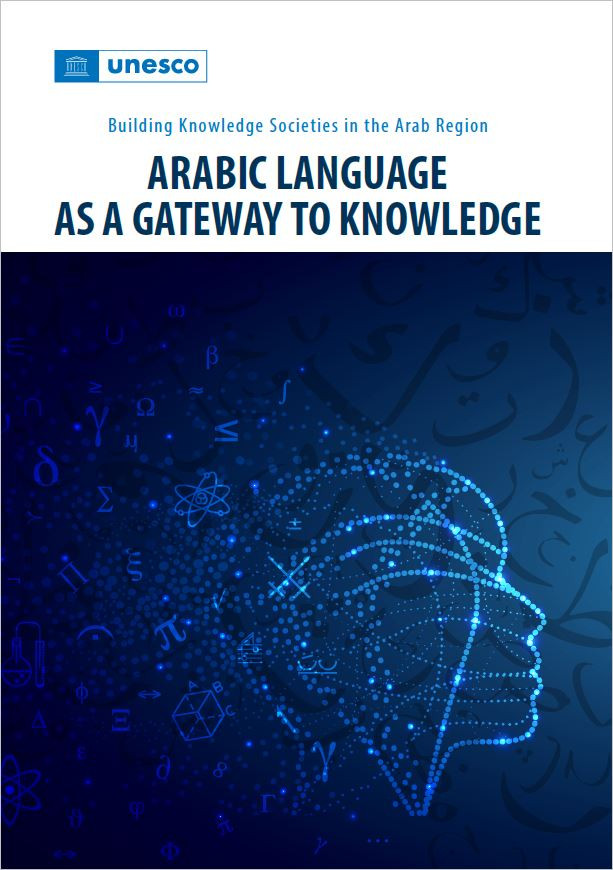 بناء مجتمعات المعرفة في المنطقة العربية: اللغة العربية بوابة للمعرفة Year of publication: 2019 Corporate author: UNESCO Cairo بناء اقتصادات ومجتمعات المعرفة هدف معلن في المنطقة العربية. فمعظم الخطط التنموية في الدول العربية تدعو وبوضوح للعمل على إنتاج، ونقل، وتوطين، وتسخير المعرفة في مختلف الحقول خدمة لمآرب التنمية ا إ لنسانية المستدامة.وللغة العربية دور مهم في هذه العملية التنموية ا أ لساسية، حيث إن إنتاج المعارف واستيعابها ونقلها يكون أكثر فاعلية وأوسع انتشارًا باستخدام اللغة ا أ لم. ولا بد لنا هنا من الوقوف على السؤال ا أ لساسي التالي: إلى أي مدى تشكّل اللغة العربية اليوم بوابة حقيقية للمعرفة في المنطقة العربية؟يسعى هذا التقرير، الذي أعدّته ثلة من الخبراء العرب المميزين وبإدارة وتنسيق من مكتب اليونسكو ا إ لقليمي للعلوم في الدول العربية، إلى البحث في هذا السؤال المركزي من خلال مراجعة وتقييم حال المعرفة في المنطقة العربية من جهة، وإلى تحليل دور اللغة العربية في عمليات إقامة مجتمعات واقتصادات المعرفة في المنطقة العربية من جهة أخرى. ويتناول القسم العام من التقرير قضية المعرفة واللغة على المستوى ا إ لقليمي العربي. كما يتميّز التقرير ببحوث ميدانية تمّت في ثلاث دول عربية )هي السعودية ومصر والمغرب( تدرس حال المعرفة واللغة العربية في تلك البلدان، وتعكس، إلى حد ما، الحال في المناطق العربية الفرعية التي تنتمي إليها." Building Knowledge Societies in the Arab Region: Arabic Language as a Gateway to Knowledge Year of publication: 2019 Corporate author: UNESCO Cairo Building knowledge economies and societies is a professed objective in the Arab region. Most of the development plans in the Arab states clearly call for action to produce, transfer, localise and harness knowledge in various fields, in service of the sustainable human development goals. The Arabic language has an important role to play in this key development process, as the production, assimilation and dissemination of knowledge is more effective and more widely spread when the mother tongue is used. Hereupon, a fundamental question must be addressed: To what extent does the Arabic language today constitute a true gateway to knowledge in the Arab region?This report, prepared by a group of distinguished Arab experts, under supervision and coordination of the UNESCO Regional Bureau for Sciences in the Arab States, seeks to research this central question by reviewing and evaluating the state of knowledge in the Arab region on the one hand, and analysing the role of the Arabic language in the processes of establishing knowledge societies and economies in the Arab region on the other. The general section of the report addresses the question of knowledge and language at the Arab regional level. It also features field research conducted in three Arab states (Saudi Arabia, Egypt and Morocco), that examines the state of knowledge and the Arabic language in those states, and to a certain extent, reflects the situation in the Arab sub-regions to which they belong. Construire les sociétés du savoir dans la région arabe: le rôle de la langue arabe en tant que portail du savoir Year of publication: 2019 Corporate author: UNESCO Cairo La construction des économies et des sociétés du savoir est un objectif déclaré dans la région arabe. La plupart des plans de développement dans les pays arabes appellent clairement à des actions pour produire, transférer, localiser et exploiter des connaissances dans divers domaines au service des objectifs de développement humain durable. La langue arabe a un rôle important à jouer dans ce processus fondamental de développement, car la production, l’assimilation et la diffusion de connaissances sont plus efficaces et plus répandues lorsque la langue maternelle est utilisée. Là-dessus, une question fondamentale devrait être posée : dans quelle mesure la langue arabe constitue-t-elle aujourd’hui un vrai point d’accès au savoir dans la région arabe ?Ce rapport, préparé par un groupe d’éminents experts arabes, sous la supervision et la coordination du Bureau régional de l’UNESCO pour les sciences dans les États arabes, cherche à étudier cette question centrale en examinant et en évaluant la situation de connaissances dans la région arabe d’une part, et en analysant le rôle de la langue arabe dans les processus d’instauration des sociétés et d’économies du savoir dans la région arabe, d’autre part. La section générale du rapport aborde la question de connaissances et de la langue dans la région arabe. Il présente également des recherches de terrain menées dans trois pays arabes (l’Arabie saoudite, l’Égypte et le Maroc), ces recherches examinent la situation de connaissances et de la langue arabe dans ces États et reflètant, en quelque sorte, la situation dans les sous-régions arabes dans lesquelles elles étaient menées.
  Reading the past, writing the future Year of publication: 2016
  다문화 보육과정 컨설팅 매뉴얼 Year of publication: 2019 Author: 김혜금 | 노성향 | 최현정 Corporate author: 한국보육진흥원 한국보육진흥원에서는 다문화 보육의 질적 향상을 위해 2014년부터 2017년까지 어린이집안전공제회가 관리하는 아이사랑카드 기금을 받아 취약보육(다문화) 담당 어린이집의 컨설팅 사업을 추진하였다. 이를 통해 다문화 보육을 담당하는 교사들의 다문화 보육의 전반적인 이해 및 전문적인 능력을 신장시켰다.다문화 보육 어린이집의 질 제고를 위해서는 장기적이고 체계적인 지원 시스템이 운영될 수 있는 안정적인 여건이 마련되어야 한다. 이에 2019년 아이사랑카드 기금사업으로 추진하는 취약보육 담당 어린이집 및 보육 교직원을 위한 컨설팅 사업을 다문화보육 학계 전문가 및 어린이집 현장전문가로 집필진을 구성하여 컨설팅 매뉴얼을 제작하고 오프라인 보급교육 실시 및 온라인 교육 동영상을 제작하여 관심 있는 보육 교직원들이 스스로 자율컨설팅을 할 수 있도록 사업을 추진하고자 한다.본 매뉴얼을 사용하는 주요 대상자는 다문화가족 아동을 담당하는 일반 어린이집과 현재는 다문화가족 아동을 보육하지는 않고 있지만 관심을 가지는 모든 어린이집의 보육 교직원이 대상이다. 특히 다문화 보육기관 교사들의 연수 및 자율적으로 고민하고 문제를 해결하는 자율컨설팅를 위한 교재로 개발하였다.