
Resources
Explore a wide range of valuable resources on GCED to deepen your understanding and enhance your research, advocacy, teaching, and learning.
45 Results found
 الثنائية اللغوية بين اكتساب اللغة الأم (العربية) وتعلم اللغة الأجنبية (الإنجليزية) Year of publication: 2015 Author: Fuad Abdul Muttalib | Shafeeq Banat Corporate author: AlMamon University College تبحث هذه الدراسة أهمية تعلم اللغات الأجنبية، لا سيما اللغة الإنجليزية، ودورها في مختلف ميادين الحياة، وعلى نحو ملحوظ في التربية والتعليم والبحث ونقل المعرفة والتنمية اللغوية والثقافية. لكن التداخل اللغوي بين اللغة الأجنبية واستخدامات اللغة الأم يؤدي أحياناً إلى مشكلات غدت مستفحلة في الآونة الأخيرة. وبغية تقصي هذه المشكلات، يحاول هذا البحث الخوض في موضوع اكتساب الأطفال للغتهم الأم ومن ثمَّ نماء هذه اللغة وإبداعهم فيها، مستعرضاً آراء باحثين مختصين في هذا المجال.ويتطرق البحث إلى المشتغلين باللغة وانجذاب بعضهم إلى اللغة الإنجليزية التي راحت تقتحم عملية اكتساب المعرفة والتعليم والثقافة والإبداع وتؤثر سلباً في هذه العملية انطلاقاً من نظرة دونية وتشكيك حيال اللغة العربية واتهامها بالعجز والقصور عن مواكبة مستجدات العصر. ويشير البحث إلى ظهور هذه المشكلة قديماً في اللغة والثقافة العربيتين متناولاً آراء ابن خلدون فيها. ويعرض البحث لأفكار ومقترحات يمكن أن تخدم بوصفها حلولاً لهذه الإشكالية القديمة الجديدة، مستفيداً في ذلك من دراسات وثيقة الصلة بموضوعه، وذلك كله من خلال تأكيد فكرة استخدام العربية لغةً للتعلّم والبحث والتربية والإبداع وإنتاج المعرفة على نحوٍ أساس. Bilingualism Between Mother Tongue (Arabic) Acquisition and Foreign Language (English) Learning Year of publication: 2015 Author: Fuad Abdul Muttalib | Shafeeq Banat Corporate author: AlMamon University College This research work considers the importance of learning of foreign languages, especially English, and their role in education, research, knowledge transfer, language and cultural growth. Language overlapping, between English and Arabic, leads sometimes to acute problems. To approach these problems, the work tries to discuss the acquisition of children of their mother tongue, its expansion and its use creatively in different disciplines.The work tackles the attraction of English to some experts in their fields, the thing that drives them to look suspiciously and down at Arabic accusing it of incompetence to catch up with new changes. Since language overlapping is an old problem, this has entailed a reference to Iben Khaldoun’s diagnosis of it with commentary. The work asserts eventually the essential use of Arabic as a language of education, research, culture and knowledge production, without neglecting foreign languages learning, above all English. The work is carried out in the light of the available studies on this issue.
  الأمة .. و اللغة الأم Year of publication: 2016 Author: Odeh Khalil Abu Odeh يتحدث الكاتب بطريقة مختصرة عن أهمية اللغة الأم للأمم، ووجوب المحافظة عليها. ويشير للغة العربية كلغة يجب الاهتمام بها لما لها من دور في حفظ الثقافة. The Nation .. and the Mother Tongue Year of publication: 2016 Author: Odeh Khalil Abu Odeh The author talks in a brief way about the importance of the mother tongue of nations, and the need to preserve it. And he refers to the Arabic language as a language that must be taken care of, given its role in preserving culture.
  Multilingual education in Nepal: hearsay and reality? A report Year of publication: 2011 Author: Vishnu S. Rai | Maya Rai | Prem Phyak | Nabina Rai Corporate author: UNESCO Kathmandu The present study entitled “Multilingual Education in Nepal: Hearsay and Reality?” was started in April 2011 and completed on 25th May 2011. The main aim of the study was to explore and analyze the realities of the Multilingual Education (MLE) programme being practiced in seven schools from six different districts. The MLE programme was launched by the Department of Education (DOE) with the technical assistance of the Government of Finland in 2007. Nepal Government has planned to implement MLE in 300 schools in the coming years but there have been no comprehensive studies conducted to give an accurate picture of the MLE programme. In this context, the present study was carried out.
 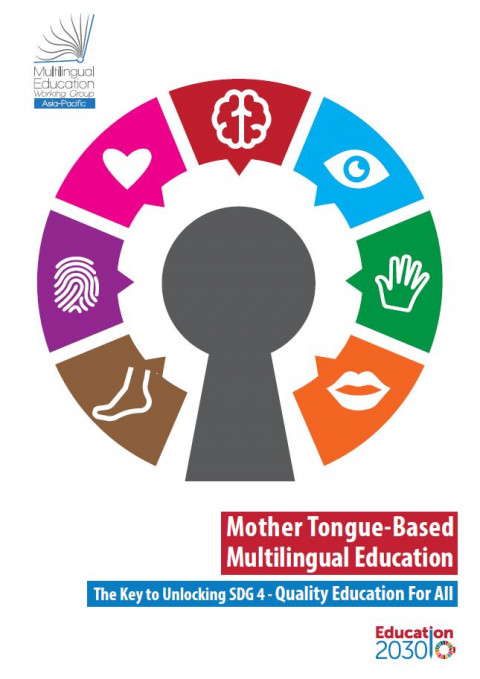 Mother Tongue-Based Multilingual Education: The Key to Unlocking SDG 4 - Quality Education for All Year of publication: 2017 Author: Matt Wisbey Corporate author: UNESCO Bangkok This brochure, designed as a bright and bold resource to be used with policy makers and other key stakeholders, explores the reasons why mother tongue-based multilingual education (MTB-MLE) is the key to quality lifelong learning opportunities for all. Linking the key elements of MTB-MLE with SDG4’s targets, it outlines the benefits for both individual learners and society as a whole. Полиязычное образование на основе родного языка. Ключ к реализации ЦУР 4 - качественное образование для всех Year of publication: 2017 Author: Matt Wisbey Corporate author: UNESCO Bangkok Полиязычное образование на основе родного языка - это образование, начинающееся на языке, которым ученик владеет свободно и затем постепенно вводит другие языки.Справедливое качественное образование и непрерывное обучение для всех возможно только тогда, когда образование учитывает и отражает полиязычный характер общества. Дети, молодежь и взрослые нуждаются в образовательных возможностях, основанных на их образе жизни и потребностях, на родном языке и посредством него.Поскольку ЦУР 4 является основополагающей для других целей устойчивого развития, без полиязычного образования на основе родного языка остальные 16 целей так и останутся недостижимыми.Информация в этой брошюре частично основана на презентациях и дискуссиях с 5-й Международной конференции по языку и образованию: устойчивое развитие посредством многоязычного образования, которая состоялась в Бангкоке, Таиланд, в октябре 2016 года.Для получения дополнительной информации о конференции или просмотра оригинальных презентаций и ключевых сообщений, пожалуйста, посетите: http://www.lc.mahidol.ac.th/mleconf/2016/program.htm
  The Role of the Mother Tongue in Learning Standard Arabic at the Primary Stage in the Algerian School Year of publication: 2012 Author: Khaled Abdel Salam Corporate author: Farhat Abbas Setif University Our study has two mean objectives: To determine the first language consequences, whatever they are general, Arabic, or Kabyle, in the learning of school language at different vocabulary, singular, grammar, and, conjugation structures, therefore, exploring if they are helping factors in the learning process or hampering it. To identify the cognitive strategies used by the novices in their learning process in relation to their language performance and errors made in the oral and written expression. In order to deal with this situation, we utilized the descriptive analytical method, in which we had chosen randomly two samples composed of 90 scholars (45 scholars speaking general Arabic language, and 45 scholars speaking Kabyle language), on which we administered two tests, one in the form of an interview about personal and health informations, and the other one about the environment conservation. After, we had analysed the content of the responses, via the extraction of the language errors expanded, and categorising them to different styles or patterns, and computing their frequencies, and explaining them, we founded the following results: Whatever, the first language is general, Arabic or Kabyle, it has a big consequence over all the language structures, therefore, making the scholars language not different from them. According to these results, we can conclude that these factors are not considered as helping factors in the learning process. There is a tendency for the novices to utilize more, both of the revising strategies of courses and the deduction strategy compared to the others. there are no significant differences between scholars speaking general Arabic language and scholars speaking kabyle language in the vocabulary structure, but, there are significant differences between these two samples on the grammatical and conjugational structures, related to personal, pedagogical and familiar factors. According to these results, we can conclude that the language level of the novices on both samples is not related to the abilities required by the school system. دور اللغة الأم في تعلم اللغة العربية الفصحى في المرحلة الابتدائية بالمدرسة الجزائرية Year of publication: 2012 Author: Khaled Abdel Salam Corporate author: Farhat Abbas Setif University تهدف دراستنا إلى التعرف على تأثيرات اللغة األولى سواء كانت عامية عربية او قبائلية في تعلم اللغة المدرسية في مختلف البنيات اللغوية الصوتية والمفرداتية والتركيبية والنحوية والصرفية. وبالتالي الكشف إن كانت ،عامال ميسرا في التعلم أو معرقال. و التعرف على االستراتيجيات المعرفية التي يستعملها المتعلمون في تعلمهم وعالقتها بأدائهم اللغوي في التعبيرين الشفوي والكتابي. ولتحقيق ذلك استعملنا المنهج الوصفي التحليلي، فاخترنا عينتين بمجموع 90 تلميذا (45 ناطقا بالعامية العربية و45 ناطقا بالقبائلية). فطبقنا عليهما ثالث اختبارات، أحدهما شفوي على شكل مقابلة حول معلومات شخصية وصحية واآلخر كتابي حول المحافظة على البيئة، ومقياس حول ،استراتيجيات التعلم. ولما حللنا محتوى االجابات واستخرجنا األخطاء اللغوية المنتشرة وصنفناها إلى مختلف األنماط وبعد حسابنا لتكراراتها و تحليلنا وتفسيرنا لها، توصلنا إلى النتائج اآلتية: ـ أن اللغة األولى سواء كانت عامية عربية او قبائلية قد أثرت بشكل كبير في كل بنيات اللغة الصوتية، التركيبية، النحوية والصرفية بشكل كبير حتى أصبحت .لغة التعليم ال تختلف كثيرا عنها. لذلك استنتجنا أنه ال يمكن اعتبارها عامال ميسرا في التعلم .ـ أن المتعلمين يستخدمون كثيرا استراتيجيات المراجعة للدروس واالستنباط أكثر من االستراتيجيات األخرى .ـ أنه ال توجد عالقة بين االستراتيجيات المستعملة وأداء المعلمين باللغة المدرسية شفويا وكتابيا ـ وأنها ال توجد فروق ذات داللة إحصائية بين الناطقين بالعامية العربية و الناطقين بالقبائلية في البنية الصوتية لكن هناك فروقا دالة إحصائيا بينهما في البنيتين النحوية والصرفية لكنها تعود إلى عوامل اخرى ذاتية وبيداغوجية .وأسرية .واستنتجنا ان مستوى المتعلمين من العينتين بلغة التعليم لم يرتق إلى الكفاءات المنشودة في المنهاج المدرسي.
  Discours du Sous-Directeur général de l'UNESCO pour la culture M. Francesco Bandarin à l'occasion de la Journée internationale de la langue maternelle: Les langues locales pour la citoyenneté mondiale: zoom sur la science; UNESCO, le 21 février 2014 Year of publication: 2014 Corporate author: UNESCO This is an address by Mr. Francesco Bandarin, Assistant Director-General for culture of UNESCO, on the occasion of the International Mother Language Day: Local languages for global citizenship: focusing on science. Although little progress has been made to extend the benefits of multilingual education in the areas such as science, development of science will be considerably consolidated if people better understand and utilize local and international languages.