
Resources
Explore a wide range of valuable resources on GCED to deepen your understanding and enhance your research, advocacy, teaching, and learning.
18 Results found
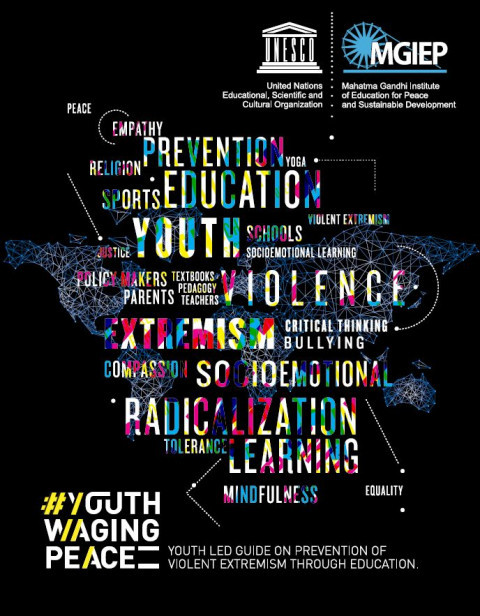 Youth Led Guide on Prevention of Violent Extremism through Education Year of publication: 2017 Author: Carolyn Nash | Yulia Nesterova | Kenneth Primrose | Wing Yu Alice Chan | Rios, Paul A. Chan | María José Velásquez Flores | Aniqah Zowmi Corporate author: Mahatma Gandhi Institute of Education for Peace and Sustainable Development (MGIEP) In September 2016, the education sector from the UNESCO headquarters and the UNESCO category 1 research Institute, the UNESCO Mahatma Gandhi Institute of Education for Peace and Sustainable Development(MGIEP) organised the first International Conference on Prevention of Violent Extremism through Education: Taking Action, in New Delhi, India. The usual plethora of reports and guides produced by experts on the subject, roundtables and expert panels were organised.But something different also happened. UNESCO MGIEP brought 50 youth from across the world rigorously selected through six week online discussion on the subject to participate in a first of its kind, “Talking Across Generations on Education (TAGe)” event. This event organised as a plenary session—not a side or lunch event—brought together these youth in a non-hierarchical “flat” dialogue with about 12 senior policymakers on the challenges and opportunities the youth see in preventing violent extremism through education.The conference culminated with the presentation of a “Youth Action Plan” containing three clear tangible action points. One action point was the development of a youth-led guide on Prevention of Violent Extremism through Education. This Guide is the result of that call to action.The Institute circulated a global call to youth who were willing to take up the challenge of producing the Guide. After a rigorous search based on a well-defined set of criteria, two coordinating lead authors were identified. These authors were then tasked to find the remaining authors who they saw fit to contribute to the Guide and this team then reached out to the wider group of youth to solicit their experiences and guidance in producing the Guide. The youth have done their part. They have reached out to more than 2,000 young people from more than 50 countries, collated their ideas and experiences and finally featured more than 150 unique voices into this document.
 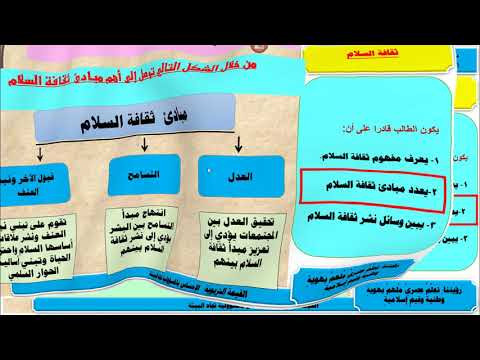 Citizenship of a Culture of Peace Year of publication: 2021 Author: Graeme Simpson Corporate author: AL-andalus Educational Complex The video is a lesson from the social studies book for the tenth grade in the State of Qatar. The teacher explains citizenship for peace and its dissemination. The teacher begins by explaining the concept of a culture of peace and goes on to the principles of peace and the foundations for its dissemination. The class is suitable for Arab students in general to understand what peace is and how to spread it. مواطنة ثقافة السلام Year of publication: 2021 Author: Graeme Simpson Corporate author: AL-andalus Educational Complex الفيديو عبارة عن حصة تدريسية من كتاب الدراسات الاجتماعية للصف العاشر بدولة قطر. يشرح المعلم فيها المواطنة من أجل السلام ونشرها. يبدأ المعلم بشرح مفهوم ثقافة السلام ويستطرد في مبادئ السلام وأسس نشره. الحصة مناسبة للطلبة العرب عموما في فهم ماهية السلام وسبل نشره.
 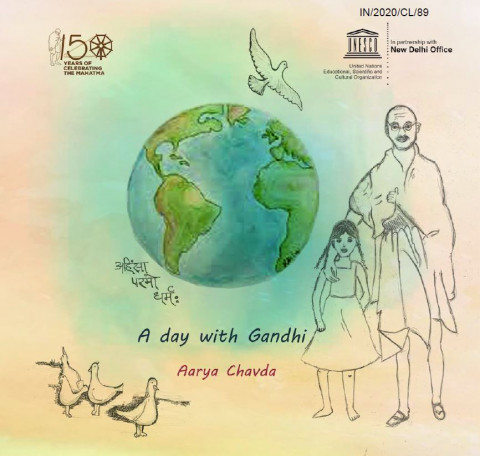 A Day with Gandhi Year of publication: 2020 Author: Aarya Chavda At an age of 10, author and illustrator of her 2 books, Aarya Chavda extends her support by donating her art proceeds to fundraise for the welfare of underpriviledge Cancer patients.Through her campaign on 'Preservation of Cultural Heritage', She also demonstrates her commitment and contributes in spreading awareness through her programs at government and private institutions.In this series of narrative illustrations, she pays her tributes to commemorate 150th birth anniversary of Gandhi. This shows her inclination to portray ideologies of 'The Mahatma' on the pursuit of liberation and tranquility.
 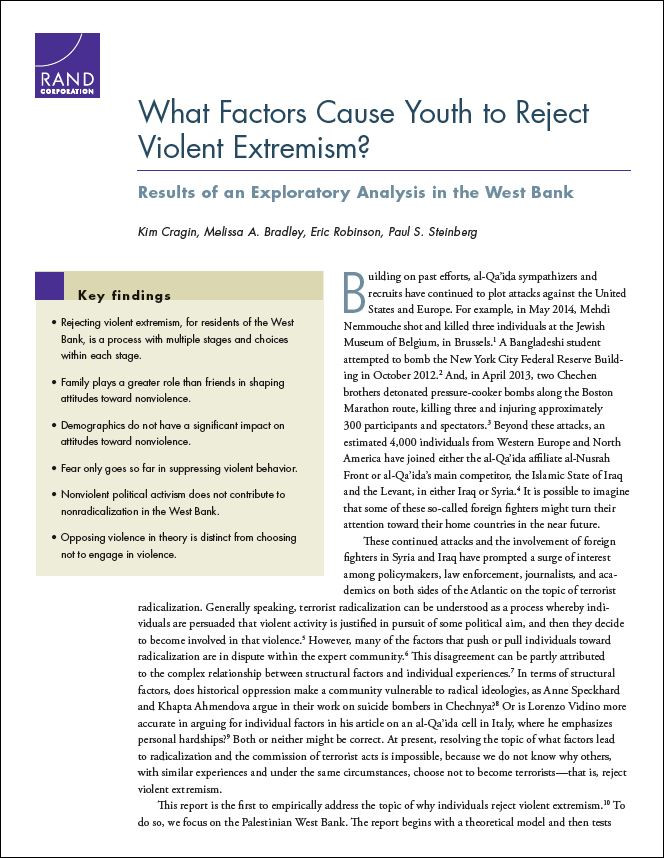 ما هي العوامل التي تدفع الشباب إلى رفض التطرف العنيف؟: نتائج تحليل استكشا في تم إجراؤه في الضفة الغربية Year of publication: 2015 Author: Kim Cragin | Melissa A. Bradley | Eric Robinson | Paul S. Steinberg Corporate author: RAND Corporation أدت الهجمات الإرهابية المستمرة وتورط مقاتلين أجانب في سوريا والعراق إلى زيادة الاهتمام بين صانعي السياسات وإنفاذ القانون والصحفيين والأكاديميين على جانبي المحيط الأطلسي بشأن موضوع التطرف الإرهابي. العديد من العوامل التي تدفع الأفراد أو تدفعهم نحو التطرف محل نزاع داخل مجتمع الخبراء. بدلاً من فحص العوامل التي تؤدي إلى التطرف وارتكاب أعمال إرهابية ، يتخذ هذا التقرير مقاربة جديدة. ما هي العوامل التي تدفع الشباب إلى رفض التطرف العنيف؟ نتائج التحليل الاستكشافي في الضفة الغربية تعالج بشكل تجريبي موضوع لماذا يرفض الشباب التطرف العنيف. للقيام بذلك ، يركز المؤلفون على الضفة الغربية الفلسطينية. يبدأ التقرير بنموذج نظري ثم يختبر هذا النموذج بالبيانات التي تم جمعها من خلال المقابلات والمسح المنظم. في هذه الدراسة ، تم إجراء عشر مقابلات شبه منظمة مع سياسيين من حماس وفتح في عام 2012. إلى جانب هذه المقابلات ، أجرى المؤلفون مسحًا على 600 شاب (تتراوح أعمارهم بين 18 و 30 عامًا) يعيشون في الخليل وجنين ورام الله.تظهر النتائج الشاملة لهذا الجهد أن (1) رفض التطرف العنيف ، بالنسبة لسكان الضفة الغربية ، هو عملية ذات مراحل وخيارات متعددة في كل مرحلة. (2) تلعب الأسرة دورًا أكبر من دور الأصدقاء في تشكيل المواقف تجاه اللاعنف ؛ (3) الديموغرافيات ليس لها تأثير كبير على المواقف تجاه اللاعنف. و (4) تختلف مناهضة العنف نظريًا عن اختيار عدم الانخراط في العنف. What Factors Cause Youth to Reject Violent Extremism?: Results of an Exploratory Analysis in the West Bank Year of publication: 2015 Author: Kim Cragin | Melissa A. Bradley | Eric Robinson | Paul S. Steinberg Corporate author: RAND Corporation Continued terrorist attacks and the involvement of foreign fighters in Syria and Iraq have prompted a surge of interest among policymakers, law enforcement, journalists, and academics on both sides of the Atlantic on the topic of terrorist radicalization. Many of the factors that push or pull individuals toward radicalization are in dispute within the expert community. Instead of examining the factors that lead to radicalization and the commission of terrorist acts, this report takes a new approach. What Factors Cause Youth to Reject Violent Extremism? Results of an Exploratory Analysis in the West Bank empirically addresses the topic of why youth reject violent extremism. To do this, the authors focus on the Palestinian West Bank. The report begins with a theoretical model and then tests this model with data gathered through structured interviews and a survey. For this study, ten semistructured interviews were conducted with politicians from Hamas and Fatah in 2012. Along with these interviews, the authors conducted a survey among 600 youth (ages 18–30) who lived in Hebron, Jenin, and Ramallah.The overarching findings from this effort demonstrate that (1) rejecting violent extremism, for residents of the West Bank, is a process with multiple stages and choices within each stage; (2) family plays a greater role than friends in shaping attitudes toward nonviolence; (3) demographics do not have a significant impact on attitudes toward nonviolence; and (4) opposing violence in theory is distinct from choosing not to engage in violence.
  دعوة إلى السلام: عن ثقافة السلام واللاعنف والتسامح ومفاهيم أخرى Year of publication: 2017 Corporate author: HRDO Center هذا اصدار من مركز هردو يلقي الضوء حول ثقافة السلام وآليات تحقيقها وانعكاسات اختفائها من السلوك المجتمعي والشخصي في مصر وكيف يمكن أن تضمن السياسات والتشريعات تعزيز مفاهيم السلام شديدة الارتباط بكفالة حقوق الإنسان، يرصد هذا التقرير عدة مفاهيم أساسية وكيفية تناولها التشريع الدولي والوطني وجدوى تبني ثقافة السلام والتسامح واللاعنف كخطوة مبدئية للتوعية بضرورة نبذ العنف والتمييز والكراهية كمدخل أساسي لمجتمع أفضل وأكثر أمان واستقرارا. A Call to Peace: On a Culture of Peace, Nonviolence, Tolerance and Other Concepts Year of publication: 2017 Corporate author: HRDO Center This is a publication by the HRDO Center that sheds light on the culture of peace, the mechanisms for achieving it, and the repercussions of its disappearance from the societal and personal behavior in Egypt. How can policies and legislation ensure the promotion of notions of peace that are closely linked to ensuring human rights. This report monitors several basic concepts and how they are addressed by international and national legislation and the feasibility of adopting a culture of peace, tolerance and non-violence as an initial step to raise awareness of the need to renounce violence, discrimination and hatred as a basic entry point for a better, safer and more stable society.
  INSPIRE: семь стратегий по ликвидации насилия в отношении детей Year of publication: 2016 Corporate author: World Health Organization (WHO) Cборник информационных материалов, основанных на фактических данных и предназначенных для всех, кто заинтересован в профилактике насилия в отношении детей и подростков и принятии ответных мер — от государственных деятелей до обычных граждан и от организаций гражданского общества до представителей частного сектора. В этом документе представлен комплекс избранных стратегий, основанных на самых убедительных из имеющихся на сегодняшний день фактических данных и призванных помочь странам и сообществам сосредоточить усилия на профилактических программах и услугах, обладающих наибольшим потенциалом для снижения уровня насилия в отношении детей. В комплекс входят семь следующих стратегий: Implementation and enforcement of laws (Принятие и обеспечение соблюдения нормативных актов); Norms and values (Нормы и ценности); Safe environments (Создание безопасной среды); Parent and caregiver support (Поддержка родителей и воспитателей); Income and economic strengthening (Повышение доходов и улучшение экономического положения); Response and support services (Ответные меры и оказание поддержки); Education and life skills (Обучение и формирование жизненных навыков). Кроме того, в комплекс INSPIRE входят два типа сквозных мероприятий, сочетание которых позволяет связывать между собой и усиливать эти семь стратегий и одновременно оценивать ход их реализации. INSPIRE: Seven strategies for Ending Violence Against Children Year of publication: 2016 Corporate author: World Health Organization (WHO) Evidence-based resource for everyone committed to preventing and responding to violence against children and adolescents – from government to grassroots, and from civil society to the private sector. It represents a select group of strategies based on the best available evidence to help countries and communities intensify their focus on the prevention programmes and services with the greatest potential to reduce violence against children. The seven strategies are: Implementation and enforcement of laws; Norms and values; Safe environments; Parent and caregiver support; Income and economic strengthening; Response and support services; and Education and life skills. Additionally, INSPIRE includes two cross-cutting activities that together help connect and strengthen – and assess progress towards – the seven strategies.