
Resources
Explore a wide range of valuable resources on GCED to deepen your understanding and enhance your research, advocacy, teaching, and learning.
8 Results found
 Education, Identity and Rising Extremism: From Preventing Violent Extremism to Promoting Peace, Resilience, Equal Rights and Pluralism (PREP) Year of publication: 2017 Author: Sanam Anderlini Corporate author: International Civil Society Action Network In November 2016, during ICAN’s fifth annual Women, Peace and Security forum, members of the Women’s Alliance for Security Leadership (WASL) and other women-led organizations in over 30 countries analyzed the role of formal and informal education in contributing to enabling conditions and mitigating extremist violence. They also highlighted their own practical experiences and lessons learnt in providing education to prevent violent extremism by fostering peace, resilience, equal rights and pluralism (PREP) in formal and informal spaces, including through the teachings of alternative religious narratives. Their experiences, combined with desk research on the state of current policy and practice, and the first multi-stakeholder Global Solutions Exchange (GSX) meeting on the nexus of education, gender and extremism held at the UNESCO headquarters in Paris in March 2017, inform the findings of this report. التعليم والهوية ومنع التطرف: من منع التطرف العنيف إلى تعزيز السالم والصمود والمساواة في الحقوق والتعددية )PREP) Year of publication: 2017 Author: Sanam Anderlini Corporate author: International Civil Society Action Network فـي تشـرين الثانـي / نوفمبـر 2016 ، خـال منتـدى ايـكان ICAN السـنوي الخامـس للمـرأة والسـام واألمـن ، قــام أعضــاء التحالــف النســائي مــن أجــل القيــادة األمنيــة )وصــل( وغيرهــا مــن المنظمــات التــي تقودهــا النســاء فــي أكثــر مــن 30 دولــة بتحليــل دور التعليــم الرســمي وغيــر الرســمي فــي المســاهمة فــي تمكيــن الظـروف و تخفيـف العنـف المتطرف.كمـا قامـوا بتسـليط الضـوء علـى تجاربهـم العمليـة الخاصـة والـدروس المســتفادة مــن توفيــر التعليــم لمنــع التطــرف العنيــف مــن خــال تعزيــز الســام والصمــود والمســاواة فــي الحقـوق والتعدديـة )PREP )فـي المسـاحات الرسـمية وغيـر الرسـمية، بمـا فـي ذلـك مـن خـال تعاليـم بديلـة إلـى جنـب مع األبحـاث المكتبيـة حـول حالـة السياسـات والممارسـات للروايـات الدينيـة.إن تجاربهـم، جنبـا الحاليــة، وأول اجتماع للمنصــة العالميــة لتبــادل الحلــول )GSX ) حــول العالقــة بيــن التعليــم والجنــدر والتطـرف الـذي عقـد فـي مقـر اليونسـكو فـي باريـس فـي مـارس 2017 ، تقـوم بإبـاغ نتائج هـذا التقريـر .
  Preventing Violent Extremism through Sport: Technical Guide; Criminal Justice Handbook Series Year of publication: 2020 Corporate author: UN. Office on Drugs and Crime (UNODC) The Technical Guide on Preventing Violent Extremism through Sport, developed in consultation with international experts, recognizes the importance of promoting the well-being of children and youth. It applies an approach that encourages prosocial behaviour and good safeguarding and welfare practices, with particular emphasis on educational and social development measures in line with the United Nations Guidelines for the Prevention of Crime.The guide, addressed mainly to policy makers and implementing organizations, has been carefully designed to support effective integration of sport-based learning in primary prevention frameworks. By adopting a five-zone approach to prevent violent extremism namely safe space, empowerment, resilience, social inclusion and education, it supports informed policy development and a Theory of Change that can shape curriculum design and content. To further support global efforts in preventing violent extremism, UNODC is also developing an e-learning module and a practical tool for trainers that will be published soon and will complement this technical guide.
  التربية الوقائية للمؤسسات التربوية فى مواجهة التطرف الفكرى Year of publication: 2015 Author: Muhammad Hassan Corporate author: Ain Shams University تتلخص المشكلة في هذه الدراسة بالسؤال التالي: كيف تواجه المؤسسات التربوية مشكلة التطرف الفكري من خلال التربية الوقائية؟ من هنا تستهدف الدراسة تحقيق بعض الفوائد للمهتمين بشأن التربية ومواجهة التطرف، مثل: 1) التعرف على مفاهيم التطرف والتربية الوقائية في مواجهته. 2) التعرف على مخاطر ظاهرة التطرف الفكري وآثاره بين أفراد المجتمع. 3) التعرف على أبرز التحديات الإقليمية ذات التأثير المباشر في نشر الفكر المنحرف. 4) الوقوف على الدور التربوي في التصدي لهذه الظاهرة ممثلاً في بعض المؤسسات التربوية. 5) إبراز بعض المتطلبات التربوية في الوقاية من مخاطر التطرف الفكري.تعتمد هذه الدراسة على المنهج الوصفي التحليلي. بعد إجراءات الدراسة التي تضمنت ما يلي: التربية الوقائية وتحديات العصر حيث تم عرض مفهوم التربية وأهميتها وأهدافها ومجالاتها والتحديات الفكرية المعاصرة التي تؤثر في موضوع الدراسة، من ثم التطرف الفكري: مفهومه أسبابه وأخطاره، انتقالاً إلى متطلبات الدور الوقائي للتربية في مواجهة التطرف الفكري. خلصت الدراسة إلى ما يلي: إن التطرف الفكري لا يعبر عن حالة معزولة عن السياق الاجتماعي والثقافي العام، بل هو ضرورة أحد نتاجاته المباشرة أو الضمنية. ومن هنا، فإن أية معالجة للتطرف الفكري يجب أن تدرك واقع الأسرة والمدرسة والجامعة والمسجد، والإنتاج الثقافي والإعلامي. وكلما اتجهت المعالجات اتجاهاً أفقياً، يلحظ الأبعاد والعناصر المختلفة، كانت النتائج أكثر جدوى وفائدة. Preventive Education for Educational Institutions in Confronting Ideological Extremism Year of publication: 2015 Author: Muhammad Hassan Corporate author: Ain Shams University The problem in this study is summarized by the following question: How do educational institutions face the problem of ideological extremism through preventive education? Hence, the study aims to achieve some benefits for those interested in education and confronting extremism, such as: 1) Identifying the concepts of extremism and preventive education in facing it. 2) Identify the dangers of the phenomenon of intellectual extremism and its effects among members of society. 3) Identifying the most prominent regional challenges that have a direct impact on spreading deviant thought. 4) Standing on the educational role in confronting this phenomenon, as represented by some educational institutions. 5) Highlighting some educational requirements in preventing the dangers of intellectual extremism.This study relies on the analytical descriptive approach. After the study procedures, which included the following: Preventive education and the challenges of the times, where the concept of education, its importance, objectives and fields, and contemporary intellectual challenges affecting the subject of study were presented, and then intellectual extremism: its concept of its causes and dangers, moving to the requirements of the preventive role of education in facing intellectual extremism. The study concluded the following: Intellectual extremism does not express a situation isolated from the general social and cultural context, but rather the necessity of one of its direct or implicit results. Hence, any treatment of intellectual extremism must be aware of the reality of the family, school, university, mosque, and cultural and media production. The more treatments are directed horizontally, noting the different dimensions and elements, the more feasible and beneficial the results will be.
  منع التطرف من خلال التعليم: بيئة مدرسية آمنة وداعمة Year of publication: 2020 Author: Mohammad Madbouli يتحدث الفيديو عن منع التطرف في المدارس. يستخدم المقدم دليل اليونسكو لواضعي السياسات المنشور في 2018 كإطار لمناقشة منع التطرف. يتحدث المقدم عن بيئة آمنة وداعمة للطلاب في المدارس. Preventing Extremism Through Education: A Safe and Supportive School Environment Year of publication: 2020 Author: Mohammad Madbouli This video talks about preventing extremism in schools. The presenter uses the UNESCO guide for policy-makers published in 2018 as framework for discussing preventing extremism. The presenter speaks about safe and supportive environment for students in schools.
 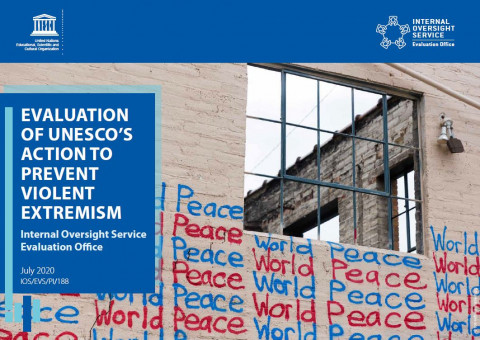 Evaluation of UNESCO’s Action to Prevent Violent Extremism Year of publication: 2020 Corporate author: UNESCO Internal Oversight Service (IOS) The purpose of this evaluation was twofold. To provide evidence, ideas and insights on how UNESCO’s efforts on PVE in the period from 2015-2018 have contributed to enhancing UNESCO’s action and position in the PVE sphere in light of the decisions of Member States. And to provide evidence and formulate lessons learned and good practices on the intersectoral approach with the aim of informing what works and what does not work in intersectoral cooperation.The evaluation found that UNESCO’s work on PVE was context specific and adjusted to respond to the needs of the countries and sub-regions where the work was being implemented.UNESCO’s work is aligned with the agency’s mandate and expertise and makes the most of its strong relationships with government bodies and civil society actors. UNESCO’s work on PVE has led to positive results around the quality, use and effectiveness of guidance documents, around capacity building of UNESCO partners and stakeholders, and around the provision of expertise and policy advice both at national and global level. Using an intersectoral approach led to an increase in information sharing and coordination. However, this was not always translated to intersectoral implementation or delivery of PVE initiatives.