
Resources
Explore a wide range of valuable resources on GCED to deepen your understanding and enhance your research, advocacy, teaching, and learning.
8 Results found
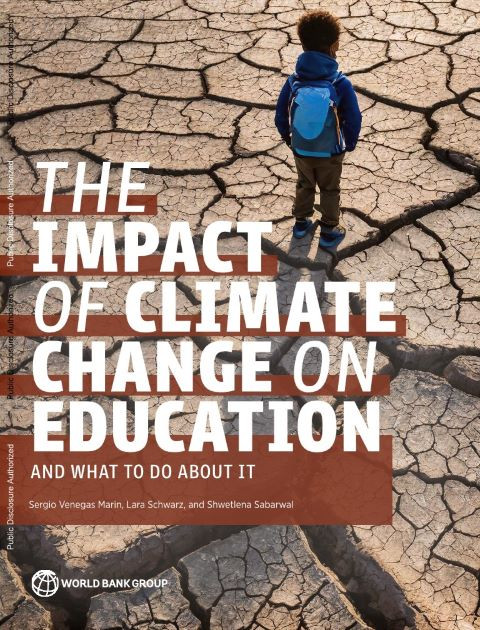 The Impact of Climate Change on Education and What to Do about It Year of publication: 2024 Author: Sergio Venegas Marin | Lara Schwarz | Shwetlena Sabarwal Corporate author: International Bank for Reconstruction and Development | World Bank Education can be the key to ending poverty in a livable planet, but governments must act now to protect it. Climate change is increasing the frequency and intensity of extreme weather events such as cyclones, floods, droughts, heatwaves and wildfires. These extreme weather events are in turn disrupting schooling; precipitating learning losses, dropouts, and long-term impacts. Even if the most drastic climate mitigation strategies were implemented, extreme weather events will continue to have detrimental impacts on education outcomes.
  Guide to Significant Learning Situations in the Classroom for Global Citizenship and Sustainable Development in Secondary School Year of publication: 2024 Author: Helena Rodriguez de Guzmán Corporate author: Entreculturas | Spanish Agency for International Development Cooperation (AECID) This didactic proposal aims to promote new models of education so that they are more attractive, more conscious and with a profound and greater influence on the exercise of citizenship. Designed from the foundations of Transformative Education, it is committed to giving all students the opportunity to acquire the necessary skills for global and critical citizenship by supporting their vital growth in a comprehensive manner, as proposed by UNESCO (UNESCO, 2022). In turn, this teaching resource provides tools that support the educational strategies promoted by the LOMLOE whose main objective is to guarantee the comprehensive training of students, contributing to the development of their personality, the full exercise of human rights and active and democratic citizenship in the actual society. Guía de situaciones de aprendizaje significativas en el aula para la ciudadanía global y el desarrollo sostenible en secundaria Year of publication: 2024 Author: Helena Rodriguez de Guzmán Corporate author: Entreculturas | Spanish Agency for International Development Cooperation (AECID) Esta propuesta didáctica pretende impulsar nuevos modelos de educación para que éstos sean más atractivos, más conscientes y con una profunda y mayor influencia en el ejercicio de la ciudadanía. Diseñada desde los fundamentos de la Educación Transformadora, apuesta por dar la oportunidad a todo el alumnado a adquirir las competencias necesarias para una ciudadanía global y crítica desde el acompañamiento a su crecimiento vital de forma integral, tal y como propone la UNESCO (UNESCO, 2022). A su vez, este recurso didáctico aporta herramientas que apoyan las estrategias educativas que promueve la LOMLOE cuyo objetivo principal es garantizar la formación integral del alumnado contribuyendo al desarrollo de su personalidad, el ejercicio pleno de los derechos humanos y a una ciudadanía activa y democrática en la sociedad actual.
  Inclusion of Women and Girls and Ensuring Their Rights: A Toolkit for Arab Cities Year of publication: 2023 Corporate author: UNESCO Cairo | European Training and Research Centre for Human Rights and Democracy (Austria) Even though women and girls represent close to or more than half of the population of most Arab cities, they are one of the groups that are historically and structurally excluded from decision-making and development planning in the cities. They face many barriers in accessing cities services, and inequality participating in cities activities. Developed on the basis of a virtual regional consultation workshop, as well as in-depth interviews with cities officials and representatives from the Coalition of Arab Cities against Racism, Discrimination, Xenophobia and Intolerance, this Toolkit provides tools and practical advice to enable Arab cities achieve a better inclusion of women and girls, and ensure their full right to benefit from local development programs. The toolkit mainly targets local authorities in Arab cities including Mayors, Members of Municipality Councils, Municipal executives, and Entities concerned with the design, implementation, follow-up, and evaluation of local projects and programs. “Since wars begin in the minds of men andwomen it is in the minds of men and womenthat the defences of peace must be constructed”Inclusion of women and girls in Arab cities: challenge or opportunity?This publication is the result of a joint effort involving the European Training and Research Centre for Human Rights and Democracy in Graz, UNESCO Coalition of Arab Cities against Racism, Discrimination, Xenophobia and Intolerance, and UNESCO Cairo Office. إدماج وضمان حقوق النساء والفتيات: دليل المدن العربية Year of publication: 2023 Corporate author: UNESCO Cairo | European Training and Research Centre for Human Rights and Democracy (Austria) إدماج النساء والفتيات في المدن العربية، تح ٍد أم فرصة؟يشكل إدماج النساء والفتيات عنصرا محوريا في مسألة الإدماج الحضري. فعلى الرغم من أن النساء والفتياتي مثلن ما يقرب من أو يزيد عن نصف السكان في أغلب المدن العربية، فإنهن من أكثرالفئات المستبعدة تاريخيا وهيكلًيا من عملية صنع القرار والتخطيط الإنمائي في المدن العربية. ويواجهن العديد من العوائقل لاستفادة من خدمات المدن ويعانين من عدم المساواة فيفرص المشاركة في أنشطتها.كان إعداد هذا الدليل على أساس ورشة عمل استشارية إقليمية افتراضية، بالإضافة إلى مقابلات متعمقة مع مسؤولي المدن وممثلي تحالف المدن العربية ضد العنصرية والتمييز وكراهية الأجانب والتعصب. ويوفر الدليل أدوات ونصائح عملية لتمكين المدن العربية من تحقيق إدماج النساء والفتيات بشكل أفضل، وضمان حقهن الكامل في الاستفادة من برامج التنمية المحلية.يستهدف هذا الدليل بشكل أساسي السلطات المحلية في المدن العربية بما في ذلك رؤساء البلديات وأعضاء المجالس البلدية والمديرين التنفيذيين في البلديات والهيئات المعنية بتصميم المشاريع والبرامج المحلية وتنفيذها ومتابعتها وتقييمها.يأتي هذا المنشور نتيجة جهد مشترك ساهم فيه كل من المركز الأوروبي للتدريب والبحوث لحقوق الإنسان والديمقراطية في جراتس، وتحالف اليونسكو للمدن العربية ضد العنصرية والتمييز وكراهية الأجانب والتعصب، ومكتب اليونسكو بالقاهرة.
  Asia and the Pacific SDG Progress Report 2025: Engaging Communities to Close the Evidence Gap Year of publication: 2025 Corporate author: UN. Economic and Social Commission for Asia and the Pacific (UN. ESCAP) The SDG progress report 2025 presents the latest data and insights on progress toward the Sustainable Development Goals (SDGs) in the Asia-Pacific region. While celebrating regional achievements, it also highlights persistent challenges—such as climate change, natural disasters, and critical data gaps—that risk leaving marginalized communities behind. By showcasing innovative community-level partnerships, the report explores how local efforts can help bridge the evidence gap, ensuring that progress toward the SDGs is inclusive and leaves no one behind.
  عمالة الأطفال بين الواقع والمأمول Year of publication: 2020 Author: Barak Khadra يتخذ الأطفال نسبة تقدر بالثلث تقريباً من سكّان العالم، ويشكلون ما يقارب نصف سكان كثير من الدول حول العالم؛ لذلك فلا بدّ من أن يحدث تفاعل ملموس بين الأعمال التجارية وحياة الأطفال بشكل مباشر أو غير مباشر التأثير، هذا ويتخذ الأطفال نسبة كبيرة من الاهتمام كمستهلكين في الأعمال التجارية الكبيرة، لذلك كان لا بدّ من تركيز الاهتمام على الأطفال العاملين في الأعمال التجارية بصورة غير شرعية من خلال منع عمل الأطفال والقضاء على هذه الظاهرة تماماً بواسطة تشديد المعايير والإجراءات اللازمة للحد من ظاهرة عمالة الأطفال، وترسيخ حقوق الأطفال وتسليط الضوء عليها. حيث بدأت ظاهرة عمل الأطفال بالتزايد بشكل كبير في العالم العربي إلى حدٍ ينذر بالخطورة، مما أدى الى التسرب المدرسي والتفكك الأسري وزيادة معدل الفقر والبطالة، وتتمحور التوقعات في ذلك إلى ازدياد نسبة البطالة بين الأفراد البالغين من السكان، بالإضافة إلى تفشي الفقر بين غالبية الدول العربية، ويشار إلى أنّ مصطلح عمل الأطفال هو حرمان للأطفال من الطفولة والكرامة والإمكانيات، ويلحق ذلك ضرراً جسمياً بنموهم البدني والعقلي على حد سواء؛ بالإضافة إلى انطواء ذلك على استرقاقهم. Child labor between Reality and Hopes Year of publication: 2020 Author: Barak Khadra Child labor between reality and hope abstract: Children make up nearly one-third of the world's population and make up nearly half of the population of many countries around the world. Thus, there is a need for tangible interaction between businesses and children's lives directly or indirectly. Children take a large share of attention as consumers in In this context, it was necessary to focus attention on children working in illegal businesses by preventing and eradicating child labor by tightening the standards and procedures necessary to reduce the phenomenon of child labor and to consolidate and highlight the rights of children. Where the phenomenon of child labor has begun to increase dramatically in the Arab world to the extent that it is dangerous, resulting in school dropout, family disintegration, and the increase in poverty and unemployment. The expectation is that the unemployment rate among the adult population will increase, , The term child labor is defined as depriving children of childhood, dignity and potential, and physically harming their physical and mental development, as well as their enslavement.