
Resources
Explore a wide range of valuable resources on GCED to deepen your understanding and enhance your research, advocacy, teaching, and learning.
125 Results found
 Preventing Extremism Through Education: A Safe and Supportive School Environment Year of publication: 2020 Author: Mohammad Madbouli This video talks about preventing extremism in schools. The presenter uses the UNESCO guide for policy-makers published in 2018 as framework for discussing preventing extremism. The presenter speaks about safe and supportive environment for students in schools.
 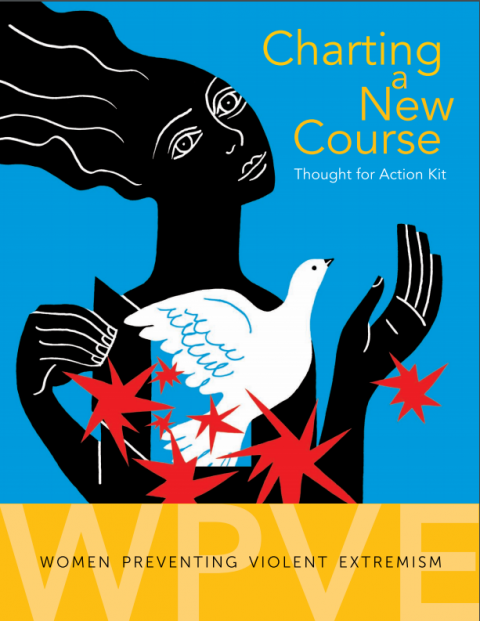 Women Preventing Violent Extremism Thought for Action Kit Year of publication: 2015 Corporate author: United States Institute of Peace (USIP) United Nations Security Council Resolution (UNSCR) 1325 (2000) was groundbreaking in that it provided strong support for greater attention to the role of women in international peace and security. It acknowledges the inordinate impact of violent conflict on women and recognizes that women’s empowerment and gender equality are critical to international peace and security. The UN Security Council fully recognizes the critical link between the Women, Peace and Security agenda as laid out in UNSCR 1325 and the role women could and should play in preventing violent extremism. This document has three sections. The first section examines the question of gender and why it is important to consider both men and women, and the dynamics of gender roles in society when addressing violent extremism. The second section deals specifically with women and the underlying forces of extremist violence. It invites thinking about women as actors in preventative efforts as well as perpetrators of terrorist acts. Finally, the third section raises issues related to the various ways in which to engage communities, including members of the security sector. Each section opens with a brief introductory background, followed by short essays by some of the leading experts in this field. Each section also includes practical exercises that may prove useful for training and further dialogue. Femmes Prévention Violent Extrémisme Pensée pour la trousse d'action Year of publication: 2015 Corporate author: United States Institute of Peace (USIP) La Résolution du Conseil de Sécurité des Nations Unies. (CSNU) 1325 (2000) était révolutionnaire en ce qu'elle a fourni un appui solide pour une plus grande attention sur le rôle des femmes dans la paix et la sécurité internationales. Il reconnaît l'impact démesuré des conflits sur les femmes et reconnaît que l'autonomisation des femmes et l'égalité des sexes sont essentiels pour la paix et la sécurité internationales. Le Conseil de sécurité des Nations Unies reconnaît pleinement le lien essentiel entre les femmes, la paix et l'ordre du jour de sécurité comme prévu dans la résolution 1325 et le rôle que les femmes peuvent et doivent jouer dans la prévention de l'extrémisme violent. Ce document comporte trois sections. La première section porte sur la question du genre et pourquoi il est important de considérer à la fois les hommes et les femmes, et la dynamique des rôles de genre dans la société quand aborder l'extrémisme violent. La deuxième section traite spécifiquement avec les femmes et les forces sous-jacentes de la violence extrémiste. Elle invite à penser à des femmes en tant qu'acteurs dans les efforts de prévention ainsi que les auteurs d'actes terroristes. Enfin, la troisième section soulève des questions liées aux diverses façons dont faire participer les communautés, y compris les membres du secteur de la sécurité. Chaque section commence par un bref historique d'introduction, suivie de courts essais par quelques-uns des plus grands experts dans ce domaine. Chaque section comprend également des exercices pratiques qui peuvent se révéler utiles pour la formation et la poursuite du dialogue.
  )7112( القرار 7128 التخذ امجتخم مجلس الأمنل ت 2727 ، المعقفي ة 72 أيلفي سبتمبر 71 Year of publication: 2014 Corporate author: United Nations Security Council This resolution expanded the counter-terrorism framework by imposing obligations on member states to respond to the threat of foreign terrorist fighters. Through the resolution, the Council condemned violent extremism and decided that Member States shall, consistent with international law, prevent the "recruiting, organizing, transporting or equipping of individuals who travel to a State other than their States of residence or nationality for the purpose of the preperation, planning of, of participation in terrorist acts." Expressing concern over the establishment of international terrorist networks, the Council underscored the "particular and urgent need" to prevent the travel and support for foreign terrorist fighters associated with the Islamic State and the Levant (ISIL), Al-Nusra Front (ANL) and other affiliates or splinter groups of Al-Qaida. In that context, the Council, through the resolution, decided that all States shall ensure that their legal systems provide for the prosecution, as serious criminal offences, of travel for terrorism or related training, as well as the financing or facilitation of such activities. Member States, it also decided, shall prevent entry or transit through their territories of any individual about whom that state had credible information of their terrorist-related intentions, without prejudice to transit necessary for the furtherance of judicial processes. It called on States to require airlines to provide passenger lists for that purpose. Outlining further measures for international cooperation to counter international terrorism and prevent the growth of violent extremism, it expressed readiness to designate additional individuals for sanctions listings, and directed the United Nations counter-terrorism subsidiary bodies to devote special focus to foreign terrorist fighters, assessing the threat they posed and reporting on principal gaps in Member States' abilities to suppress their travel. Резолюция 2178 (2014) принятая Советом Безопасности на его 7272-м заседании 24 сентября 2014 года Year of publication: 2014 Corporate author: United Nations Security Council This resolution expanded the counter-terrorism framework by imposing obligations on member states to respond to the threat of foreign terrorist fighters. Through the resolution, the Council condemned violent extremism and decided that Member States shall, consistent with international law, prevent the "recruiting, organizing, transporting or equipping of individuals who travel to a State other than their States of residence or nationality for the purpose of the preperation, planning of, of participation in terrorist acts." Expressing concern over the establishment of international terrorist networks, the Council underscored the "particular and urgent need" to prevent the travel and support for foreign terrorist fighters associated with the Islamic State and the Levant (ISIL), Al-Nusra Front (ANL) and other affiliates or splinter groups of Al-Qaida. In that context, the Council, through the resolution, decided that all States shall ensure that their legal systems provide for the prosecution, as serious criminal offences, of travel for terrorism or related training, as well as the financing or facilitation of such activities. Member States, it also decided, shall prevent entry or transit through their territories of any individual about whom that state had credible information of their terrorist-related intentions, without prejudice to transit necessary for the furtherance of judicial processes. It called on States to require airlines to provide passenger lists for that purpose. Outlining further measures for international cooperation to counter international terrorism and prevent the growth of violent extremism, it expressed readiness to designate additional individuals for sanctions listings, and directed the United Nations counter-terrorism subsidiary bodies to devote special focus to foreign terrorist fighters, assessing the threat they posed and reporting on principal gaps in Member States' abilities to suppress their travel. Résolution 2178 (2014) Adoptée par le Conseil de sécurité à sa 7272 séance, le 24 septembre 2014 Year of publication: 2014 Corporate author: United Nations Security Council This resolution expanded the counter-terrorism framework by imposing obligations on member states to respond to the threat of foreign terrorist fighters. Through the resolution, the Council condemned violent extremism and decided that Member States shall, consistent with international law, prevent the "recruiting, organizing, transporting or equipping of individuals who travel to a State other than their States of residence or nationality for the purpose of the preperation, planning of, of participation in terrorist acts." Expressing concern over the establishment of international terrorist networks, the Council underscored the "particular and urgent need" to prevent the travel and support for foreign terrorist fighters associated with the Islamic State and the Levant (ISIL), Al-Nusra Front (ANL) and other affiliates or splinter groups of Al-Qaida. In that context, the Council, through the resolution, decided that all States shall ensure that their legal systems provide for the prosecution, as serious criminal offences, of travel for terrorism or related training, as well as the financing or facilitation of such activities. Member States, it also decided, shall prevent entry or transit through their territories of any individual about whom that state had credible information of their terrorist-related intentions, without prejudice to transit necessary for the furtherance of judicial processes. It called on States to require airlines to provide passenger lists for that purpose. Outlining further measures for international cooperation to counter international terrorism and prevent the growth of violent extremism, it expressed readiness to designate additional individuals for sanctions listings, and directed the United Nations counter-terrorism subsidiary bodies to devote special focus to foreign terrorist fighters, assessing the threat they posed and reporting on principal gaps in Member States' abilities to suppress their travel. Resolución 2178 (2014) Aprobada por el Consejo de Seguridad en su 7272 sesión, celebrada el 24 de septiembre 2014 Year of publication: 2014 Corporate author: United Nations Security Council This resolution expanded the counter-terrorism framework by imposing olibations on member states to respond to the threat of foreign terrorist fighters. Through the resolution, the Council condemned violent extremism and decided that Member States shall, consistent with international law, prevent the "recruiting, organizing, transporting or equipping of individuals who travel to a State other than their States of residence or nationality for the purose of the prepetration, planning of, of participation in terrorist acts." Expressing concern over the establishment of international terrorist networks, the Council underscored the "particular and urgent need" to prevent the travel and support for foreign terrorist fighters associated with the Islamic State and the Levant (ISIL), Al-Nusra Front (ANL) and other affiliates or splinter groups of Al-Qaida. In that context, the Council, through the resolution, decided that all States shall ensure that their legal systems provide for the prosecution, as serious criminal offences, of travel for terrorsim or related training, as well as the financing or facilitation of such activities. Member States, it also decided, shall prevent entry or transit through their territories of any individual about whom that state had credible information of their terrorist-related intentions, without prejudice to transit necessary for the furtherance of judicial processes. It called on States to require airlines to provide passenger lists for that purpose. Outlining further measures for international cooperation to counter international terrorism and prevent the growth of violent extremism, it expressed readliness to designate additional individuals for sanctions listings, and directed the United Nations counter-terrorism subsidiary bodies to devote special focus to foreign terrorist fighters, assessing the threat they posed and reporting on principal gaps in Member States' abilities to suppress their travel. 第 2178(2014)号决议 2014 年 9月 24 日安全理事会第 7272 次 Year of publication: 2014 Corporate author: United Nations Security Council This resolution expanded the counter-terrorism framework by imposing obligations on member states to respond to the threat of foreign terrorist fighters. Through the resolution, the Council condemned violent extremism and decided that Member States shall, consistent with international law, prevent the "recruiting, organizing, transporting or equipping of individuals who travel to a State other than their States of residence or nationality for the purpose of the preperation, planning of, of participation in terrorist acts." Expressing concern over the establishment of international terrorist networks, the Council underscored the "particular and urgent need" to prevent the travel and support for foreign terrorist fighters associated with the Islamic State and the Levant (ISIL), Al-Nusra Front (ANL) and other affiliates or splinter groups of Al-Qaida. In that context, the Council, through the resolution, decided that all States shall ensure that their legal systems provide for the prosecution, as serious criminal offences, of travel for terrorism or related training, as well as the financing or facilitation of such activities. Member States, it also decided, shall prevent entry or transit through their territories of any individual about whom that state had credible information of their terrorist-related intentions, without prejudice to transit necessary for the furtherance of judicial processes. It called on States to require airlines to provide passenger lists for that purpose. Outlining further measures for international cooperation to counter international terrorism and prevent the growth of violent extremism, it expressed readiness to designate additional individuals for sanctions listings, and directed the United Nations counter-terrorism subsidiary bodies to devote special focus to foreign terrorist fighters, assessing the threat they posed and reporting on principal gaps in Member States' abilities to suppress their travel. Resolution 2178 (2014) Adopted by the Security Council at Its 7272nd Meeting, on 24 September 2014 Year of publication: 2014 Corporate author: United Nations Security Council Cette résolution a élargi le cadre de lutte contre le terrorisme en imposant des obligations aux États membres pour répondre à la menace des combattants terroristes étrangers. Grâce à la Résolution, le Conseil a condamné l'extrémisme violent et a décidé que les États Membres, conformément au droit international, empêcher le "recrutement, l'organisation, le transport ou l'équipement des personnes qui voyagent à un État autre que leur État de résidence ou de nationalité aux fins de le preperation, la planification de la, de la participation à des actes terroristes". Se déclarant préoccupée par la création de réseaux terroristes internationaux, le Conseil a souligné la «nécessité particulière et urgente" pour empêcher le Voyage et soutien aux combattants terroristes étrangers associés à l'État Islamique en Irak et au Levant (EIIL), Al-Nusra Avant (ANL) et d'autres sociétés affiliées ou des groupes dissidents d'Al-Qaida. Dans ce contexte, le Conseil, par la résolution, a décidé que tous les États doivent veiller à ce que leurs systèmes juridiques prévoient la poursuite, comme des infractions pénales graves, de Voyage pour le terrorisme ou la formation connexe, ainsi que le financement ou la facilitation de ces activités. États membres, il a également décidé, empêcher l'entrée ou le transit sur leur territoire de toute personne au sujet de laquelle cet état avait des informations crédibles de leurs intentions liées au terrorisme, sans préjudice de transit nécessaires à la poursuite des procédures judiciaires. Il a appelé les États à exiger des compagnies aériennes de fournir des listes de passagers à cette fin. Décrivant de nouvelles mesures de coopération internationale pour lutter contre le terrorisme international et d'empêcher la croissance de l'extrémisme violent, il est déclaré prêt à désigner des personnes supplémentaires pour des sanctions listes, et dirigé les organes subsidiaires lutte contre le terrorisme de l’ONU de consacrer une attention particulière aux combattants terroristes étrangers, l'évaluation de la menace qu'ils représentaient et les rapports sur les principales lacunes dans les capacités des États membres à supprimer leur voyage. 2014년 9월 24일, 제 7272차 회의에서 유엔 안전 보장 이사회에 의해 채택된 결의안 2178 (2014) Year of publication: 2014 Corporate author: United Nations Security Council 이 결의안은 회원국들이 외국 테러리스트 전사들의 위협에 대응할 의무를 부과함으로써 대테러 프레임워크를 확대시켰다. 이 결의안을 통해 이사회는 폭력적 극단주의를 유죄로 선포하고, 회원국이 국제법에 따라 “테러리스트 활동에 참여, 준비, 계획할 목적으로 출생 또는 거주국 이외의 다른 국가로 여행하는 개인의 모집, 조직, 운송 또는 관련 장비 설치”를 금지할 것을 결정하였다. 국제 테러리스트 네트워크 구축에 대한 우려를 표명한 이사회는 이슬람 국가와 레반트(ISIL), 알 누스라 프론트(ANL) 및 알 – 카에다(Al-Qaida)의 분파 또는 연계 단체로의 외국 테러리스트 전사의 여행과 지원을 방지하기 위한 "특별하고 긴급한 필요성”을 강조했다. 이와 같은 맥락에서 이사회는 본 결의안을 통해, 모든 국가는 테러를 위한 여행 또는 테러 훈련, 테러 활동을 위한 자금 조달 혹은 자금 조장을 심각한 범죄행위로 규정하여 기소를 하도록 결정했다. 또한 회원국은 사법절차 발전에 필요한 체계를 침해함 없이, 테러리스트와 관련된 그 어떤 정보와 의도에 대해 신뢰할만한 정보를 가지고 있는 개인에 대해서는 그들이 자국 영토로 출입하는 것을 막아야 한다. 이 결의안은 회원국들이 항공사에게 승객 명부를 제공하도록 요구했다. 또한 국제 테러에 대응하기 위한 국제 협력 방안을 마련하고, 폭력적 극단주의의 성장을 막기 위해 추가 제제 대상을 지정하고, 유엔 대테러 보조 기구가 해외 테러 전사들에게 특별한 관심을 기울이도록 촉구하며, 그들이 제기한 위협을 평가하고, 회원국들의 여행 억제 능력의 주요 격차에 대해서도 보고한다.