
Resources
Explore a wide range of valuable resources on GCED to deepen your understanding and enhance your research, advocacy, teaching, and learning.
15 Results found
 UNESCO-UNEVOC Medium-Term Strategy for 2021-2023: Strengthening TVET Capacities and Cooperation in the Member States Year of publication: 2020 Corporate author: UNESCO International Centre for Technical and Vocational Education and Training (UNEVOC) The Medium-Term Strategy for 2021-2023 (MTS-III) sets out how UNESCO-UNEVOC will support TVET institutions to meet the demands of dynamic labour markets and provide quality skills training for a sustainable future of work. MTS-III focuses on developing the capacities of TVET leaders, supporting TVET institutions in implementing change programmes, and facilitating knowledge sharing and peer learning within the UNEVOC Network.
 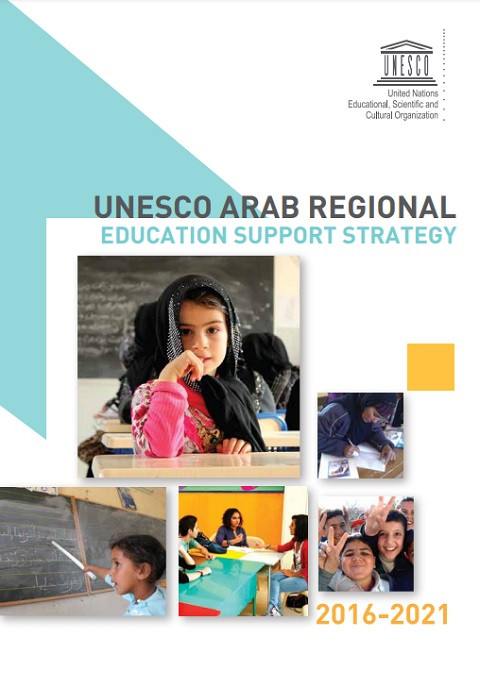 UNESCO Arab Regional Education Support Strategy: 2016-2021 Year of publication: 2016 Corporate author: UNESCO Beirut Covering the period of 2016-2021, this strategy document aims to provide tangible support for each Member State in the Arab Region, taking into account national needs and priorities and thus employing nationally relevant approaches based on the Agenda 2030 for Sustainable Development.
 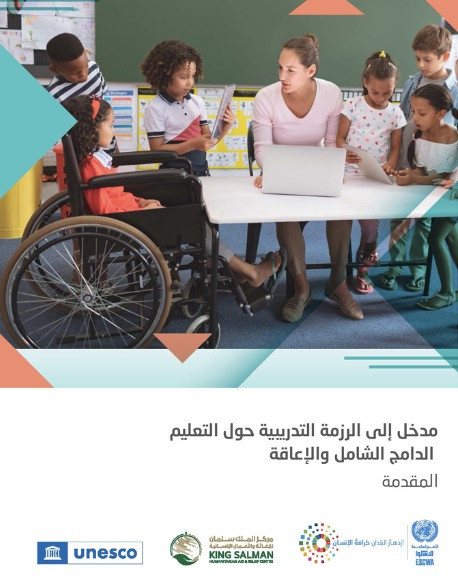 Training Package on Inclusive Education and Disability Year of publication: 2022 Corporate author: United Nations Economic and Social Commission for Western Asia (ESCWA) The comprehensive training package on inclusive education for children and young people with disabilities was developed as part of a partnership between the United Nations Economic and Social Commission for Western Asia (ESCWA) and the United Nations Educational, Scientific and Cultural Organization (UNESCO) with the support of the King Salman Humanitarian Aid and Relief Center, to support and disseminate inclusive education.This training package is directed explicitly to educators in the Arab region, at the local, national, or regional levels, whether in the private or public sectors, including teachers and decision-makers working in the entire educational sector and to those wishing to expand their knowledge in the field of inclusive education. مدخل إلى الرزمة التدريبية حول التعليم الدامج الشامل والإعاقة Year of publication: 2022 Corporate author: United Nations Economic and Social Commission for Western Asia (ESCWA) أُعدّت هذه الدورة التدريبية حول التعليم الدامج للأطفال وذوي الإعاقة في إطار شراكة بين لجنة الأمم المتّحدة الاقتصاديّة والاجتماعيّة لغربي آسيا (الإسكوا) ومنظّمة الأمم المتحدة للتربية والعلم والثقافة (اليونسكو)، وبدعم من مركز الملك سلمان للإغاثة والأعمال الإنسانية. تتناول الدورة قضايا السياسات التعليمية الشاملة، وتعزيز جودة التعليم، وضمان مشاركة جميع الأطفال في المدرسة، ووضع الطفل المتعلّم في صلب العمليّة التربويّة. وهي تركّز بشكل خاصّ على الأطفال الأكثر عرضة لخطر التسرّب المدرسيّ وعلى المدارس الواقعة في المناطق الأكثر حرماناً. الدورة موجهة إلى العاملين والعاملات في المجال التربوي في المنطقة العربية، في القطاعين الخاص والعام وعلى مختلف الصعد المحلية والوطنية والإقليمية، من معلمين ومعلمات وصانعي وصانعات قرار على مستوى الفصل أو المدرسة أو القطاع التعليمي ككلّ، وإلى الراغبين في تعزيز معرفتهم في مجال التعليم الدامج.
  Strengthening Kazakhstan's Education Systems: An Analysis of PISA 2009 and 2012 Year of publication: 2014 Author: Keiko Inoue | Lucas Gortazar Corporate author: World Bank This report is the result of the World Bank's education sector providing technical and analytical support to the Government of the Republic of Kazakhstan (RK) from 2013 to 2015 under the leadership of Keiko Inoue (Senior Education Specialist, Europe and Central Asia Region, World Bank) as part of the Joint Economic Research. This report is also part of a series of PISA country reporting programs prepared by the Education Sector for the Europe and Central Asia Region, and it is also the second World Bank report on the effectiveness of the education system in Kazakhstan based on an analysis of PISA data. Укрепление системы образования Казахстана: Анализ результатов исследования PISA, проводимого в 2009 и 2012 годах Year of publication: 2014 Author: Keiko Inoue | Lucas Gortazar Corporate author: World Bank Этот отчет является результатом работы сектора образования Всемирного банка по технической и аналитической поддержке правительства Республики Казахстан (РК) в период с 2013 по 2015 год под руководством Кейко Иноуэ (старший специалист по образованию, Регион Европы и Центральной Азии, Всемирный банк) в рамках Программы Совместных Экономических Исследований. Этот отчет также является частью серии программы страновых отчетов PISA, подготовленной Сектором образования по региону Европы и Центральной Азии, а также это второй отчет Всемирного Банка о результативности системы образования РК на основе анализа данных PISA.
 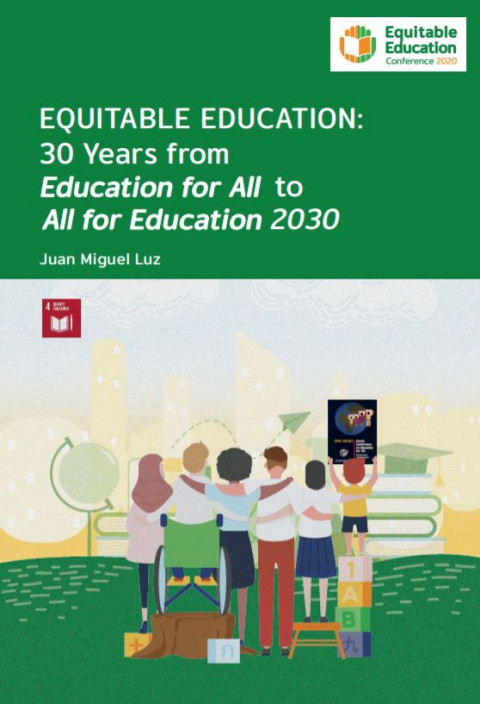 Equitable Education: 30 Years from Education for All to All for Education 2030 Year of publication: 2020 Author: Juan Miguel Luz Corporate author: Equitable Education Fund In the 30 years since the World Declaration on Education for All (Jomtien Declaration, Thailand), the world has made enormous strides in achieving the target of universal primary education.Total enrolment rates in developing regions reached 91 percent in 2015 and the worldwide number of children out of school has dropped by almost half. However, large disparities remain. Children from the poorest households are up to five times more likely to be out of school than those of the richest households. Disparities between rural and urban areas also remain high.As education inequality threatens to widen because of the COVID-19 pandemic, and with only 10 years to go to achieve the Sustainable Development Goals (SDGs), now, more than ever, is the time for the world to come together and accelerate change through innovative and sustainable solutions.
  The Art of Inclusive Exclusions: Educating the Palestinian Refugee Students in Lebanon (Refugee Survey Quarterly, Vol. 33, No. 2) Year of publication: 2014 Author: Maha Shuayb Corporate author: Centre for Arab Unity Studies For more than 65 years, Palestinian refugees have been living in Lebanon in a “temporary” State in over-crowded camps, deprived of basic rights such as the right to have a professional job. It has been argued that these restrictions have had a major effect on the fair provision and quality of education, an effect manifested in the increasing number of Palestinian students who are dropping out of school. This article examines the quality of education offered in United Nations Relief and Works Agency for Palestine Refugees schools and the impact of Lebanese legal restrictions on students’ educational motivation and aspirations.A quantitative survey of the educational experiences and aspirations of 404 secondary students and 48 teachers in five secondary schools of the United Nations Relief and Works Agency for Palestine Refugees was carried out. An in-depth study of a primary school also took place. The findings revealed that Palestinian refugee students are confronted by a paradox: forced inclusion because of having to learn the Lebanese curriculum, but exclusion because of simultaneously being pushed to the periphery of Lebanese society as a result of the Lebanon’s discriminatory laws and regulations. فن الإقصاء الإدماجي : تعليم الطلاب الفلسطينيين اللاجئين في لبنان Year of publication: 2014 Author: Maha Shuayb Corporate author: Centre for Arab Unity Studies ترمي هذه الدراسة إلى إبراز المفارقة التي تواجه اللاجئين الفلسطينيين في لبنان مُتَجَلّيةً في إدماجهم قسراً عبر تلقّي المقرر الدراسي اللبناني مع اضطرارهم في الوقت ذاته إلى البقاء على هامش المجتمع اللبناني نتيجة للقوانين والترتيبات اللبنانية التمييزية. بغية استقصاء ذلك؛ فحصتِ هذه الدراسة، نوعية التربية المتوافرة للفلسطينيين الدارسين في مدارس الأنروا (وكالة الأمم المتحدة لغوث وتشغيل اللاجئين الفلسطينيين) ووَقْع التضييقات القانونية اللبنانية على حافزهم التعليمي وتطلعاتهم التربوية. يتوزّع محتوى الورقة على قسمين اثنين يعرض الأوّل منهما تقويماً عامّاً للظروف الاجتماعية والسياسية والاقتصادية والتعليمية التي يعيشها اللاجئون الفلسطينيون في لبنان.
 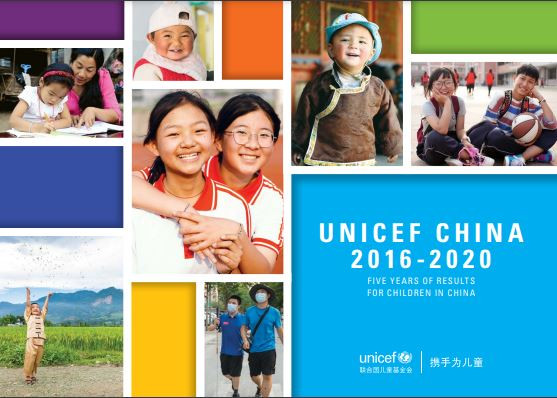 UNICEF CHINA 2016 - 2020: FIVE YEARS OF RESULTS FOR CHILDREN IN CHINA Year of publication: 2021 Corporate author: United Nations Children's Fund (UNICEF) This report introduces the work of UNICEF in China during 2016-2020, including children protection, education and social policies.