
Resources
Explore a wide range of valuable resources on GCED to deepen your understanding and enhance your research, advocacy, teaching, and learning.
24 Results found
 جهود المنظمات الدولية في تأهيل معلمي اللاجئين في تركيا ومصر: دراسة مقارنة (المشروعات الدولية نموذجاً; Vol. 1, No. 47) Year of publication: 2023 Author: Husniah Husayn Abd al-Rahman Iwis Corporate author: Fayoum University. Faculty of Education يتطلب تعليم الطلاب اللاجئين إتقان المعلمين مهارات مختلفة تمكنهم من التغلب على التحديات التي تواجههم في دعم الأطفال عاطفياً، ودمجهم اجتماعيًا وأكاديميًا بشكل عام؛ لذا برزت الحاجة إلى تدريب المعلمين قبل وأثناء الخدمة من أجل التدريس في فصول تتكون من أطفال من جنسيات وثقافات مختلفة؛ ومن ثم يسعى هذا البحث إلى الكشف عن طبيعة الجهود المقدمة لإعداد المعلمين القائمين على تعليم اللاجئين في كل من مصر وتركيا، ولتحقيق هذا الهدف اعتمد البحث على المدخل الوظيفى، وتوصل البحث إلى عدد من النتائج أهمها: أولت المنظمات الدولية أهمية كبرى لتنفيذ مشروعات تأهيل معلمي اللاجئين؛ وذلك من خلال المشروعات التى تمولها المفوضية الأوروبية في إطار برنامج (Erasmus + (KA2 ، كما تبين الأثر الإيجابى للمشروعات فى الجوانب العاطفية، والاجتماعية، والمهنية؛ International Organizations’ Efforts to Qualify Teachers for Refugee in Türkiye and Egypt : A Comparative Study (International Projects as Models; Vol.1, No.47) Year of publication: 2023 Author: Husniah Husayn Abd al-Rahman Iwis Corporate author: Fayoum University. Faculty of Education Educating refugee students requires teachers who master different skills that enable them to overcome the challenges they face in supporting children emotionally, and integrating them socially andacademically; Therefore, there was a need to train teachers before and during service in order to teach in classes consisting of children of different nationalities and cultures. This research seeks to reveal the nature of the efforts made to prepare teachers in charge ofeducating refugees in both Egypt and Turkey. To achieve this goal, theresearch relied on the functional approach and reached a number of results, the most important of which are: Internationalorganizations have attached great importance to the implementation ofteacher for refugee rehabilitation projects; this is through projectsfunded by the European Commission under the Erasmus+ (KA2)programme. It also shows the positive impact of projects on theemotional, social and professional aspects.
  اللاجئون والنازحون والتعليم: تحديات جديدة تقف في وجه التنمية والسياسات Year of publication: 2016 Corporate author: Network for International Policies and Cooperation in Education and Training (NORRAG) يلفت هذا العدد من أخبار NORRAG الانتباه إلى العديد من الأبعاد المختلفة للاجئين والنازحين والتعليم. لا ينصب التركيز على الهجرة الاقتصادية أو على الهجرة من أجل التعليم العالي في حد ذاته ، بل على ما يسميه المنتدى الاقتصادي العالمي "الهجرة غير الطوعية" وعلاقاتها بالتعليم. Refugees, Displaced Persons and Education: New Challenges for Development and Policy Year of publication: 2016 Corporate author: Network for International Policies and Cooperation in Education and Training (NORRAG) This issue of NORRAG News (NN) draws att ention to many diff erent dimensions of refugees, displaced persons and education, but it is not focused on economic migration or on migration for higher education per se, but on what the WEF calls ‘involuntary migration’ and its connections with education.
 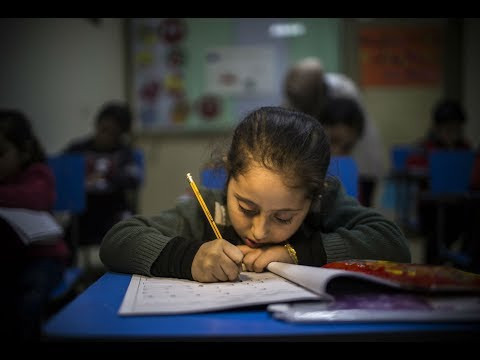 تعليم اللاجئين السوريين في الأردن.. عقبات مالية وتسرب مدرسي Year of publication: 2019 Corporate author: Syria TV يناقش الفيديو قضية اللاجئين السوريين في الأردن. ما هي تحديات تعليم هؤلاء اللاجئين في الدولة المجاورة الأردن؟ ما هي جهود الاردن؟ Education for Syrian Refugees in Jordan: Financial Challenges and School Dropout Year of publication: 2019 Corporate author: Syria TV This video discuses the case of Syrian refugees in Jordan. What are the challenges of educating those refugees in the neighboring country, Jordan? What are the efforts done by Jordan?
  اللغة لتعزيز القدرة على مواجهة الأزمات: فهم الدور الذي تؤديه اللغة في تعزيز قدرة اللاجئين السوريين والمجتمعات المستضيفة لهم على مواجهة الأزمات Year of publication: 2018 Author: Tony Capstick | Marie Delaney Corporate author: British Council | UN. Office of the United Nations High Commissioner for Refugees (UNHCR) يستند التقرير الى دروس مستفادة من برامج اللغة الانجليزية التي يقدمها المجلس الثقافي البريطاني، ويستخدم كمرجع في تطوير البرامج المستقبلية الخاصة بتعليم اللغات للمتأثرين بالأزمة السورية. Language for Resilience: The Role of Language in Enhancing the Resilience of Syrian Refugees and Host Communities Year of publication: 2018 Author: Tony Capstick | Marie Delaney Corporate author: British Council | UN. Office of the United Nations High Commissioner for Refugees (UNHCR) The Language for Resilience report examines the impact of language on refugees and host communities affected by the Syrian crisis, identifying the different ways that language skills enhance resilience and providing suggestions for programme responses that address key needs.The report shows that for children and young people attending schools or post-school education, and for educators in host communities handling influxes of refugee students, quality language learning improves attainment and attendance and builds safer and more inclusive classrooms. It also illustrates how creative approaches to language education can support the development of life skills and help meet psycho-social needs.
  The Art of Inclusive Exclusions: Educating the Palestinian Refugee Students in Lebanon (Refugee Survey Quarterly, Vol. 33, No. 2) Year of publication: 2014 Author: Maha Shuayb Corporate author: Centre for Arab Unity Studies For more than 65 years, Palestinian refugees have been living in Lebanon in a “temporary” State in over-crowded camps, deprived of basic rights such as the right to have a professional job. It has been argued that these restrictions have had a major effect on the fair provision and quality of education, an effect manifested in the increasing number of Palestinian students who are dropping out of school. This article examines the quality of education offered in United Nations Relief and Works Agency for Palestine Refugees schools and the impact of Lebanese legal restrictions on students’ educational motivation and aspirations.A quantitative survey of the educational experiences and aspirations of 404 secondary students and 48 teachers in five secondary schools of the United Nations Relief and Works Agency for Palestine Refugees was carried out. An in-depth study of a primary school also took place. The findings revealed that Palestinian refugee students are confronted by a paradox: forced inclusion because of having to learn the Lebanese curriculum, but exclusion because of simultaneously being pushed to the periphery of Lebanese society as a result of the Lebanon’s discriminatory laws and regulations. فن الإقصاء الإدماجي : تعليم الطلاب الفلسطينيين اللاجئين في لبنان Year of publication: 2014 Author: Maha Shuayb Corporate author: Centre for Arab Unity Studies ترمي هذه الدراسة إلى إبراز المفارقة التي تواجه اللاجئين الفلسطينيين في لبنان مُتَجَلّيةً في إدماجهم قسراً عبر تلقّي المقرر الدراسي اللبناني مع اضطرارهم في الوقت ذاته إلى البقاء على هامش المجتمع اللبناني نتيجة للقوانين والترتيبات اللبنانية التمييزية. بغية استقصاء ذلك؛ فحصتِ هذه الدراسة، نوعية التربية المتوافرة للفلسطينيين الدارسين في مدارس الأنروا (وكالة الأمم المتحدة لغوث وتشغيل اللاجئين الفلسطينيين) ووَقْع التضييقات القانونية اللبنانية على حافزهم التعليمي وتطلعاتهم التربوية. يتوزّع محتوى الورقة على قسمين اثنين يعرض الأوّل منهما تقويماً عامّاً للظروف الاجتماعية والسياسية والاقتصادية والتعليمية التي يعيشها اللاجئون الفلسطينيون في لبنان.