
Resources
Explore a wide range of valuable resources on GCED to deepen your understanding and enhance your research, advocacy, teaching, and learning.
12 Results found
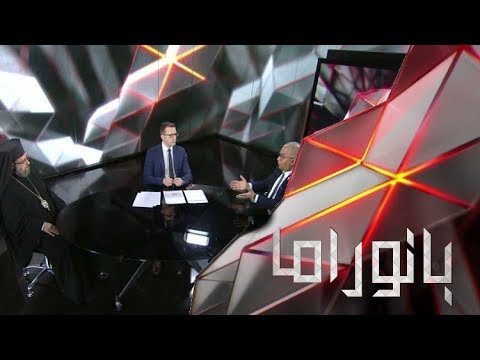 Interfaith Dialogue .. Dialogue of Life and Wise People Year of publication: 2019 Corporate author: RT Arabic Online Through this program, RT channel provides a seminar by hosting speakers to discuss the importance of interfaith dialogue and coexistence between all people from different religions. حوار الأديان .. حوار الحياة وحوار العقلاء Year of publication: 2019 Corporate author: RT Arabic Online تقدم قناة RT من خلال هذا البرنامج ندوة من خلال استضافة المتحدثين لمناقشة أهمية الحوار بين الأديان، والتعايش بين الجميع من مختلف الأديان.
 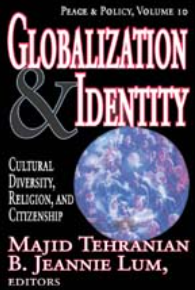 Globalization and Identity: Cultural Diversity, Religion and Citizenship Year of publication: 2006 Author: Majid Tehranian | B. Jeannie Lum Corporate author: Transaction Publishers In the first decade of the twenty-first century, globalization and identity have emerged as the most critical challenges to world peace. This volume of Peace & Policy addresses the overarching question, "What are the effects of globalization in the areas of culture, ethnic diversity, religion, and citizenship, and how does terrorism help groups attain a sense of global identity?"Part I, "Citizenship in a Globalizing World," reexamines globalization in light of the traditions from which human civilizations have evolved. Linda Groff focuses on Samuel R. Huntington's thesis that the Cold War would be followed by a clash of civilizations. Joseph A. Camilleri traces the history of the concept of citizenship and its transformation through the ages to modern times. Kamran Mofid argues that the marketplace is not just an economic sphere but one where economic and business interests must embrace the spiritual assets of the community. Majid Tehranian raises the problem of identity and advocates the assumption of global identity, responsibility, and citizenship. Part II, "Convergence in Global Cultures," explores the complex issues of diversity in religions. Christopher Leeds, Vladimir Korobov, and Bharapt Gupt show how the reconceptualization of the world both geographically and regionally can recreate new sensibilities needed to overcome differences. Part III, "Divergence in Global Conflicts," discusses the multiple dimensions of the globalizing effects of economic expansion and political strife experienced by different cultures at local and regional levels. Audrey Kitigawa and Ade Ogunrinade use Nigeria as an example of political manipulation of religious and ethnic groups to divert attention from the real problems of social and economic marginalization. Fred Riggs looks at how the Web has become a medium in the globalization of religious movements.The authors maintain that continuing efforts for dialogue across cultural and religious boundaries in today's interreligious and interfaith organizations can become a force for healing.
  The Holocaust and Education for Citizenship: the teaching of history, religion and human rights in England The importance of the Holocaust is undeniable. It seems that this truism has long been accepted by teachers and education policy makers. A superficial prediction would be that the Holocaust will continue to have both a high profile and a high status in the schools and colleges of England and Wales. However, on the basis of small‐scale work using data from teachers’ perceptions, we draw attention to certain problems in learning about the Holocaust and begin to suggest issues which should be investigated further. The issues which need further investigation are related to the possibilities that there may be too little time devoted to teaching about the Holocaust; the events of the Holocaust may sometimes be used as a mere context for understanding World War Two; teachers may not perceive the Holocaust as being significantly unique; teachers may not collaborate effectively; there may be a lack of clarity about the nature of the affective and cognitive aims of such work. (By the author)
  Global Security, Religion and Education Development: a Crisis for the Field of Comparative Education? Year of publication: 2011 Author: Yusuf Sayed | Lynn Davies | Mike Hardy | Abbas Madandar Arani | Lida Kakia | Masooda Bano Corporate author: Taylor & Francis Building common ground on shared values should be a high priority for a diverse and devout society in an era of religious conflict. Otherwise we might fall into the equally false and far more dangerous illusion that we agree on nothing at all – and perhaps we tend to assume that education helps to do this, which is not necessarily the case. There is a greater concern that education is not just failing to step up effectively to the task of contesting undifferentiated and negative views of religions, but that it might not always be a force for good at all. It may in some cases help reinforce difference and create the conditions for conflict.The relationship, therefore, between religious difference, security and the assumed supportive role of education is far from a simple one. Global security, religion and education development: a crisis for the field of comparative education? Year of publication: 2011 Author: Yusuf Sayed | Lynn Davies | Mike Hardy | Abbas Madandar Arani | Lida Kakia | Masooda Bano Corporate author: Taylor & Francis Partager des valeurs communes devrait être une priorité absolue dans une société diversifiée et dévote en cette période de conflits religieux. Autrement, on pourrait tomber dans l’illusion, fausse et dangereuse, que nous sommes d’accord en rien - et on pense, probablement que l'éducation contribue à cet état de choses, alors que ce n’est pas forcément le cas. On est de plus en plus préoccupé par la question suivante : celle de considérer que non seulement l'éducation échoue quand il s’agit de contester d’une manière solide et efficace les points de vues non nuancés et négatifs en matière de religions, mais aussi que l’éducation n’est finalement pas une bonne chose. Dans certains cas, elle peut contribuer à renforcer la différence et créer les conditions d'un conflit. La relation, donc, entre la différence religieuse, la sécurité et le rôle présumé de soutien de l'éducation est loin d'être simple.
  مفهوم الدين والمواطنة في الدولة الحديثة Year of publication: 2019 Corporate author: Alghad TV حدث ظهور الإسلام نقلة نوعية في الحياة السياسية بالجزيرة العربية، حيث نجح الدين الجديد في تفكيك البنى القبلية، وتغيير المفاهيم الطبقية القائمة على الانتماءات الضيقة، لصالح مفهوم الوطن الذي يساوي بين الجميع في الحقوق والواجبات، وهو ما تجلى بوضوح في وثيقة المدينة التي نظمت العلاقة بين المسلمين واليهود وغيرهم، باعتبارهم جميعا أمة من دون الناس، و على الرغم من ذلك مازال البعض ينادي باعتبار غير المسلمين مواطنين من الدرجة الثانية، لا ولاية لهم ولا مساواة معهم في بلاد المسلمين، وهو ما يتعارض مع الأسس التي قامت عليها الدولة الوطنية الحديثة، باعتبار الدين لله، والوطن للجميع! ويطرح السؤال نفسه: هل يمكن لمفهوم الدولة أن يقوم على اعتبارات دينية تقصى الآخر وتتجاهل وجوده؟ The Concept of Religion and Citizenship in Modern Country (Yatfakroon Season 3 Episode 22) Year of publication: 2019 Corporate author: Alghad TV The emergence of Islam took a qualitative leap in political life in the Arabian Peninsula, as the new religion succeeded in dismantling tribal structures and changing class concepts based on narrow affiliations in favor of the concept of the homeland, which equates everyone in rights and duties. This was clearly demonstrated in the Medina document that organized the relationship between Muslims, Jews and others, as they are all a nation without the people, and in spite of this, some still call for non-Muslims to be considered second-class citizens, with no jurisdiction or equality with them in Muslim countries. This contradicts the foundations on which the modern nation state was established, considering Religion is for God and the homeland for all! The same question arises: Can the concept of the state be based on religious considerations that exclude the other and ignore his existence?
 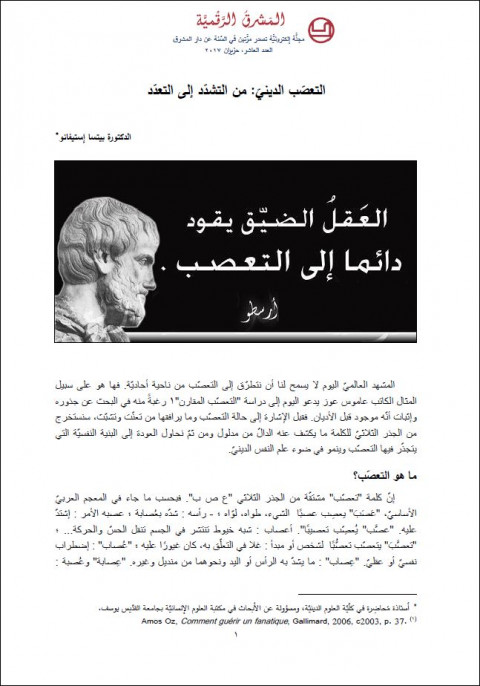 التعصّب الدينيّ : من التشدّد إلى التعدّد Year of publication: 2017 Author: Pitsa Stefano Corporate author: Al-Machriq Digital Mgazine مقال يناقش مفهوم التعصب بطريقة حديثة. وتحاول الكاتبة أن تضع للقارىء مفهوم التعصب من خلال المقارنة بين التعددية والتشدد. Religious Fanaticism: From Extremism to Pluralism Year of publication: 2017 Author: Pitsa Stefano Corporate author: Al-Machriq Digital Mgazine This article discusses the concept of intolerance in a modern way. The author tries to present to the reader the concept of intolerance through a comparison between pluralism and extremism.