
Resources
Explore a wide range of valuable resources on GCED to deepen your understanding and enhance your research, advocacy, teaching, and learning.
56 Results found
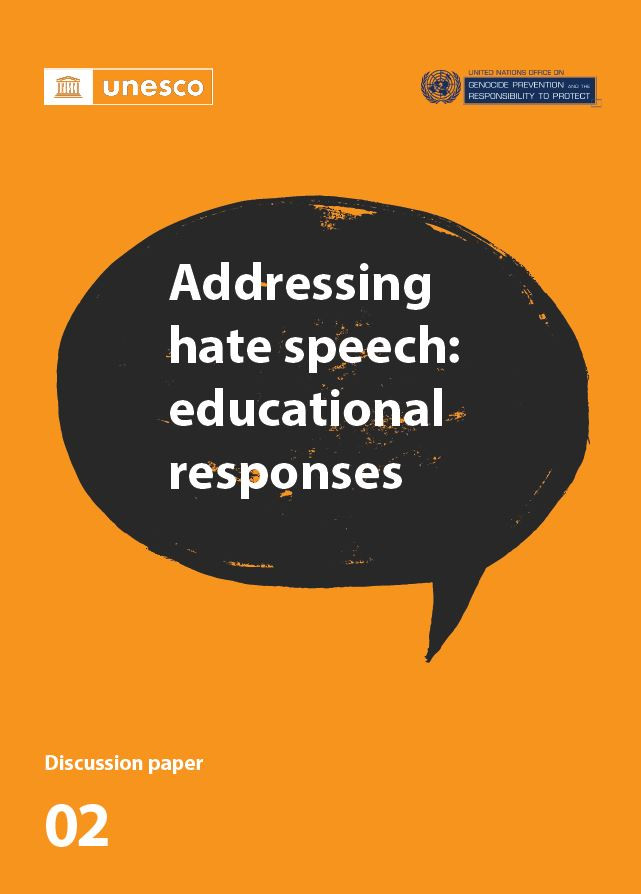 اﻟﺘﺼﺪي ﻟﺨﻄﺎب اﻟﻜﺮاﻫﻴﺔ: ﻫﻞ اﻟﺘﻌﻠﻴﻢ ﻫﻮ اﻟﺤﻞ؟ Year of publication: 2022 Author: Nicole Fournier-Sylvester Corporate author: UNESCO | UN. Office on Genocide Prevention and the Responsibility to Protect هذه الورقة جزء من مجموعة أوراق المناقشة ، التي تمّ إعدادها بتكليف من اليونسكو ومكتب الأمم المتحدة للمستشار الخاص وتعتبر الأوراق مساهمة ، )OSAPG( المعني بمنع الإبادة الجماعية مباشرة في استراتيجية وخطة عمل الأمم المتحدة. في سياق منتدى أصحاب المصلحة المتعددين والمؤتمر الوزاري المعني بمعالجة خطابالكراهية من خلال التعليم في سبتمبر وأكتوبر 2021.وقد سلط تفشي جائحة كوفيد- 19 الضوء على أهمية استراتيجية وخطة عمل الأمم المتحدة ، مما أدى إلى ظهور موجة من خطاب الكراهية في جميع أنحاء العالم - مما يؤدي إلى تفاقم التعصب والتمييز تجاه مجموعات معينة وزعزعة استقرار المجتمعات والأنظمة السياسية. تسعى أوراق المناقشة إلى تفريغ القضايا الرئيسية المتعلقةبهذا التحدي العالمي واقتراح الاستجابات والتوصيات الممكنة. Addressing Hate Speech: Educational Responses Year of publication: 2022 Author: Nicole Fournier-Sylvester Corporate author: UNESCO | UN. Office on Genocide Prevention and the Responsibility to Protect This paper is part of a collection of discussion papers, commissioned and produced by UNESCO and the United Nations Office of the Special Adviser on the Prevention of Genocide (OSAPG).The papers are a direct contribution to the United Nations Strategy and Plan of Action and are published in the context of the Multistakeholder Forum and Ministerial Conference on Addressing Hate Speech through Education in September and October 2021.The outbreak of the COVID-19 pandemic has highlighted the pertinence of the United Nations Strategy and Plan of Action, generating a wave of hate speech across the world –further exacerbating intolerance and discrimination towards particular groups and destabilizing societies and political systems. The discussion papers seek to unpack key issues related to this global challenge and propose possible responses and recommendations. Afrontar el discurso de odio: respuestas educativas Year of publication: 2022 Author: Nicole Fournier-Sylvester Corporate author: UNESCO | UN. Office on Genocide Prevention and the Responsibility to Protect Este documento forma parte de una colección de documentos de discusión, encargados y producidos por la UNESCO y la Oficina del Asesor Especial para la Prevención del Genocidio de las Naciones Unidas (OSAPG). Los documentos son una contribución directa a la Estrategia y el Plan de Acción de las Naciones Unidas y se publican en el contexto del Foro Multilateral y la Conferencia Ministerial sobre Combatir los discursos de odio a través de la educación en septiembre y octubre de 2021.El estallido de la pandemia del COVID-19 ha puesto de manifiesto la pertinencia de la Estrategia y el Plan de Acción de las Naciones Unidas, generando una ola de discursos de odio en todo el mundo, exacerbando aún más la intolerancia y la discriminación hacia determinados grupos y desestabilizando las sociedades y los sistemas políticos. Los documentos de discusión tratan de desentrañar las cuestiones clave relacionadas con este reto mundial y proponer posibles respuestas y recomendaciones. Lutter contre les discours de haine : réponses éducatives Year of publication: 2022 Author: Nicole Fournier-Sylvester Corporate author: UNESCO | UN. Office on Genocide Prevention and the Responsibility to Protect Ce document fait partie d’une série de documents de synthèse commandés et produits par l’UNESCO et le Bureau du Conseiller spécial pour la prévention du génocide des Nations Unies (OSAPG). Ces documents sont une contribution directe à la stratégie et le Plan d’action des Nations Unies et sont publiés dans le cadre du Forum multipartite et de la Conférence ministérielle sur la lutte contre les discours de haine par l’éducation, en septembre et octobre 2021.L’apparition de la pandémie de COVID-19 a mis en évidence la pertinence de la Stratégie et le Plan d’action des Nations Unies, générant une vague de discours de haine dans le monde entier, exacerbant encore l’intolérance et la discrimination à l’égard de certains groupes et déstabilisant les sociétés et les systèmes politiques. Les documents de synthèse visent à analyser les questions clés liées à ce défi mondial et à proposer des réponses et des recommandations possibles.
 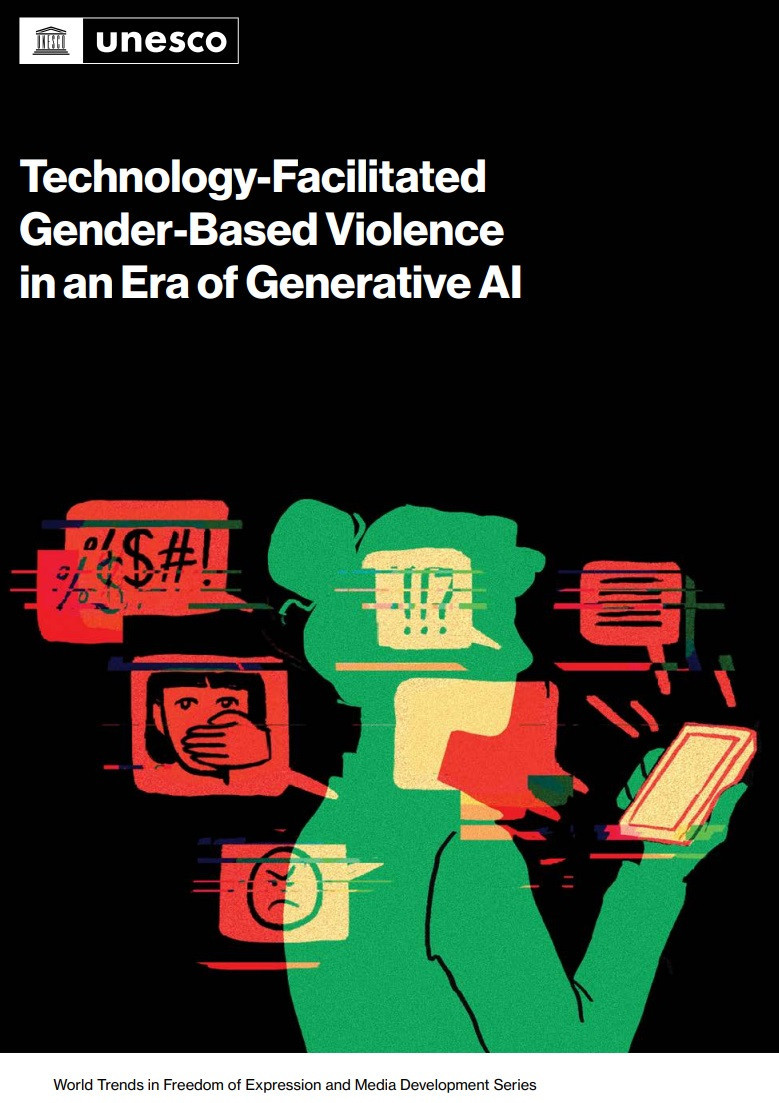 Technology-facilitated gender-based violence in an era of generative AI Year of publication: 2023 Corporate author: UNESCO <Short summary>Experiments reveal how generative AI facilitates gender-based violence Generative Artificial Intelligence (AI) — deep-learning models that create voice, text, and image — are revolutionizing the way people access information and produce, receive and interact with content. While technological innovations like ChatGPT, DALL-E and Bard offer previously unimaginable gains in productivity, they also present concerns for the overall protection and promotion of human rights and for the safety of women and girls.The arrival of generative AI introduces new, unexplored questions: what are the companies’ policies and normative cultures that perpetuate technology-facilitated gender-based violence and harms? How do AI-based technologies facilitate gender-specific harassment and hate speech? What “prompt hacks” can lead to gendered disinformation, hate speech, harassment, and attacks? What measures can companies, governments, civil society organisations and independent researchers take to anticipate and mitigate these risks?A combination of measures are proposed to be put in place by generative AI companies and the technology companies that platform them, regulators and policy makers, by civil society organisations and independent researchers, as well as users.
 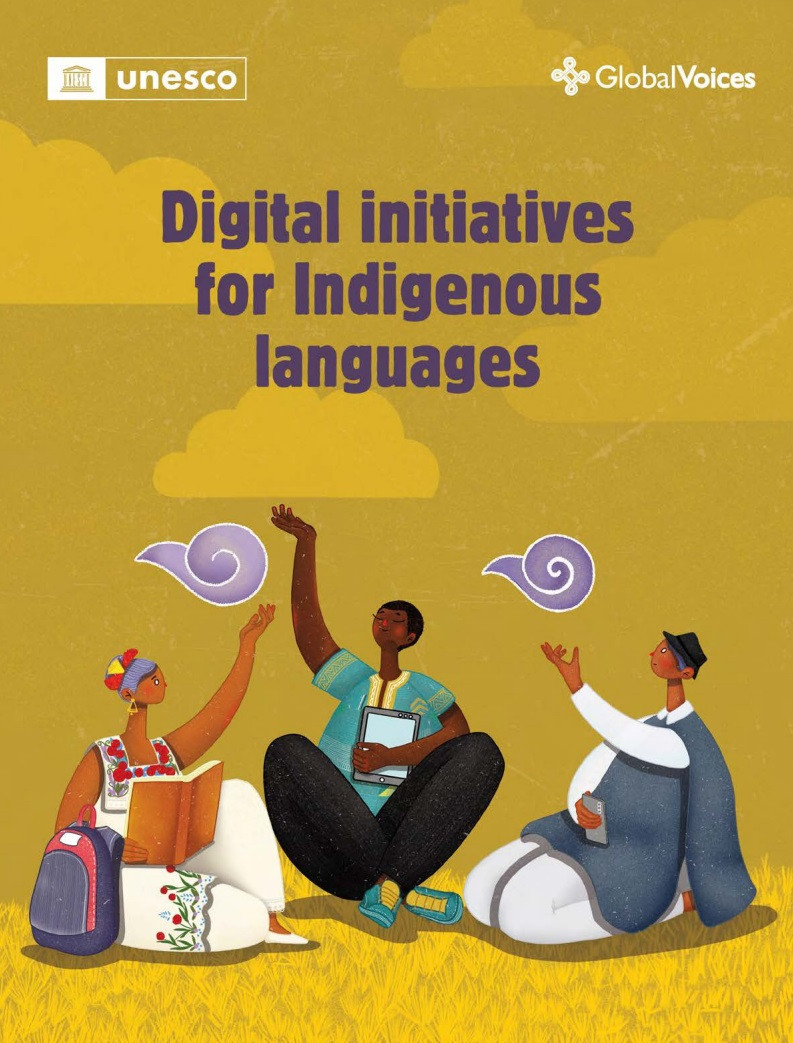 Digital initiatives for indigenous languages Year of publication: 2023 Author: Genner Llanes-Ortiz Corporate author: UNESCO | Global Voices (Amsterdam) <Short summary> Supported by UNESCO and Global Voices’ Rising Voices (RV), this toolkit extends the efforts of dedicated Indigenous digital practitioners. It illustrates how internet and other digital tools can be utilized to conserve, revive, and promote Indigenous languages, as well as other marginalized or minority languages.This toolkit has been co-designed in close partnership with both established and emerging networks of Indigenous digital practitioners, language advocates, and collaborators, within the framework of the International Decade of Indigenous Languages 2022-2032. The toolkit promotes the foundation of language preservation, revival, and promotion on eight key approaches:Facilitating, Multiplying, Normalizing, Educating, Reclaiming, Imagining, Defending and Protecting. It also offers a curated list of valuable resources, including guides, tutorials, and manuals for utilizing digital tools. In conjunction with the advisory group established for the toolkit’s preparation and other collaborating organizations, it presents a wealth of inspiring stories showcasing innovative projects that have made a significant impact on languages at local, national, or global levels.Finally, the toolkit is openly licensed as an Open Educational Resource. It is expected that the toolkit will continue to evolve and grow as the needs of language users and digital language defenders and promoters change alongside the introduction of new technological solutions, innovation and creativity.
 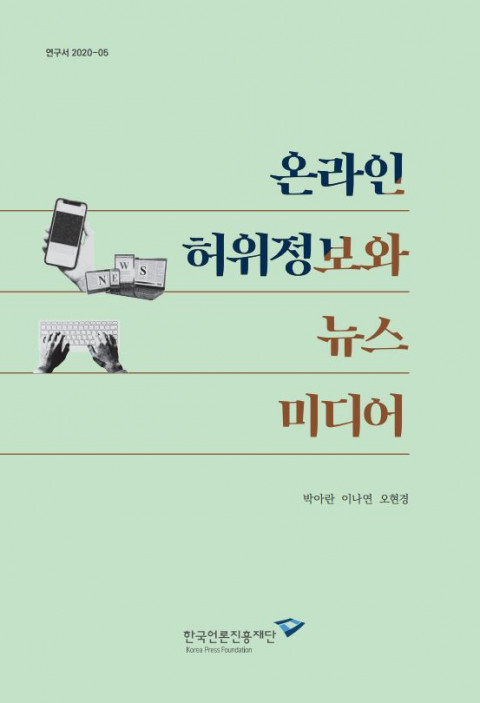 온라인 허위정보와 뉴스 미디어 Year of publication: 2020 Author: 박아란, 이나연, 오현경 Corporate author: 한국언론진흥재단 본 연구에서는 코로나19 사태 등 최근 국내외에서 발생한 주요 사안들과 관련하여 유포되고 있는 허위정보와 가짜뉴스의 사례와 개념 등을 정리하고 각국의 대응방안에 대해 조사하는 것을 목표로 한다. 특히 현재 진행 중인 코로나19 사태는 전 세계적으로 관심이 집중되고 있는 사안이니만큼 코로나19와 관련된 허위정보의 확산 및 피해 사례들을 중점적으로 살펴보고, 최근 선거를 치르거나 앞두고 있는 국가들의 사례를 통해 선거 관련 허위조작정보 문제에 대해서도 살펴봄으로써 사회적 혼란을 가져오고 불신을 양산하는 허위정보 문제에 효과적으로 대응할 수 있는 방안을 모색하고자 한다.
  Social Media 4 Peace Year of publication: 2021 Corporate author: UNESCO | European Union (EU) The overall objective of the UNESCO project 'Social Media 4 Peace' funded by the European Union is to strengthen the resilience of societies to potentially harmful content spread online, in particular hate speech inciting violence while protecting freedom of expression and enhancing the promotion of peace through digital technologies, notably social media. For more information, please visit:https://en.unesco.org/social-media-4-peace
  Guidelines for the governance of digital platforms: safeguarding freedom of expression and access to information through a multi-stakeholder approach Year of publication: 2023 Corporate author: UNESCO Guidelines for an Internet for TrustSafeguarding freedom of expression and the right to information while dealing with dis- and misinformation, hate speech, and conspiracy theories requires a multistakeholder approach. This is the reason why UNESCO, the leading UN agency for the promotion and protection of freedom of expression and to information, is launching Guidelines for the Governance of Digital Platforms. The Guidelines outline a set of duties, responsibilities and roles for States, digital platforms, intergovernmental organizations, civil society, media, academia, the technical community and other stakeholders to enable the environment where freedom of expression and information are in the core of digital platforms governance processes. The Guidelines were produced through a multi-stakeholder consultation that gathered more than 10,000 comments from 134 countries. These global-scale consultations fostered inclusive participation, ensuring a diversity of voices to be heard, including those from groups in situation of marginalization and vulnerability. Cultivating an Internet of Trust is a shared responsibility among all stakeholders. It calls upon us all to sustain an enabling environment for freedom of expression and the right to information.
  Countering Holocaust Denial and Distortion through Education: A Guide for Teachers Year of publication: 2025 Corporate author: UNESCO Antisemitic hate speech, disinformation, and conspiracy theories thrive during crises, making it vital for teachers to address these issues in school curricula. Social media has significantly amplified the spread of such harmful content, including Holocaust denial and distortion. These falsehoods, rooted in antisemitic prejudice and conspiratorial thinking, threaten our shared historical memory and promote hatred. To effectively combat these issues, it is essential to have a comprehensive understanding of the Holocaust —how and why the genocide of the Jewish people occurred. This knowledge helps us recognize the causes and risk factors, contributing to the prevention of future atrocity crimes and the fight against antisemitism. In the digital age, it is also imperative to be able to decipher the manipulation of history, and the misrepresentation of the past.The guide provides teachers with the necessary tools and guidance to prevent the spread of Holocaust denial and distortion. It equips teachers with knowledge, teaching principles, and strategies to foster digital literacy, historical understanding, and critical thinking in learners. Aimed primarily at history and social sciences teachers, it outlines key concepts, teaching methods, and approaches to counter Holocaust denial and distortion.