
Resources
Explore a wide range of valuable resources on GCED to deepen your understanding and enhance your research, advocacy, teaching, and learning.
4 Results found
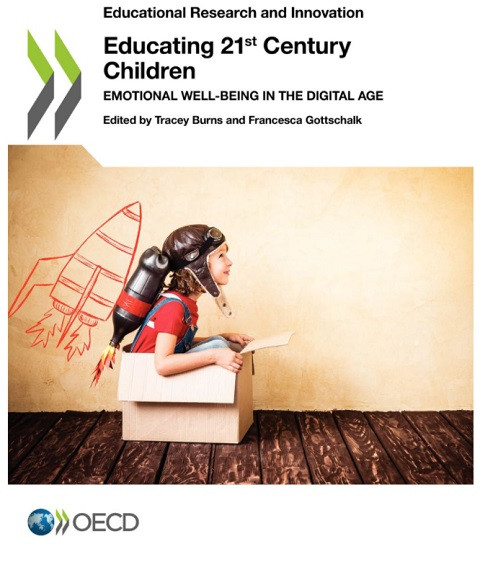 Education 21st Century Children: Emotional Well-being in the Digital Age (Educational Research and Innovation) Year of publication: 2019 Corporate author: Organisation for Economic Co-operation and Development (OECD) This report examines modern childhood, looking specifically at the intersection between emotional well-being and new technologies. It explores how parenting and friendships have changed in the digital age. It examines children as digital citizens, and how best to take advantage of online opportunities while minimising the risks. The volume ends with a look at how to foster digital literacy and resilience, highlighting the role of partnerships, policy and protection.
 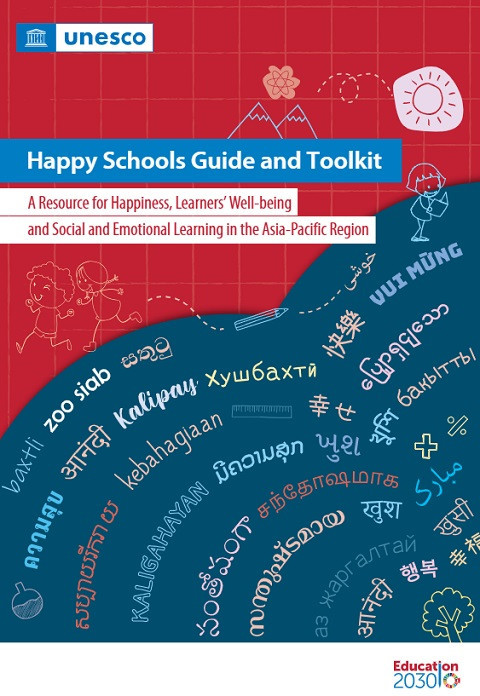 دليل ومجموعة أدوات المدارس السعيدة رافد ومصدر للسعادة ورفاه المتعلم والتعلم الاجتماعي والعاطفي في منطقة آسيا والمحيط الهادئ Year of publication: 2021 Corporate author: UNESCO | UNESCO Bangkok تم إعداد هذا الدليل بــهدف دعم المعــلمين والقــادة فــي مجالــي التعــليم األساســي والثــانوي فــي جميــع مناطــق آسيــا والمحيط الهــادئ فــي التــفكير فــي كيفيــة إنشــاء مدرســة ســعيدة، وهو بذلك يستند علــى عدة ركائز إلطــار عمل المدارس الســعيدة. وفــي حين أن دليل المدارس الســعيدة يستــهدف قــادة المدارس والمعــلمين فيمــا يتعلــق بــالمستوى اإلداري وتطوير عــلوم التربيــة، فــإن مجموعــة أدوات المدرســة الســعيدة قد صممت للمعــلمين علــى مستوى الصف الدراســي. Happy Schools Guide and Toolkit: A Resource for Happiness, Learners’ Well-Being and Social and Emotional Learning Year of publication: 2021 Corporate author: UNESCO | UNESCO Bangkok The Happy Schools Guide and Toolkit is designed to support teachers and school leaders in primary and secondary schools across the Asia-Pacific region, in thinking about how they can create their own Happy School. It has therefore drawn from aspects of the Happy Schools Framework, which can be most readily addressed at the school level. While the Happy Schools Guide is targeted towards school leaders and teachers at the school level of administration and pedagogy development, the Happy Schools Toolkit is conceived for teachers at the classroom level.
 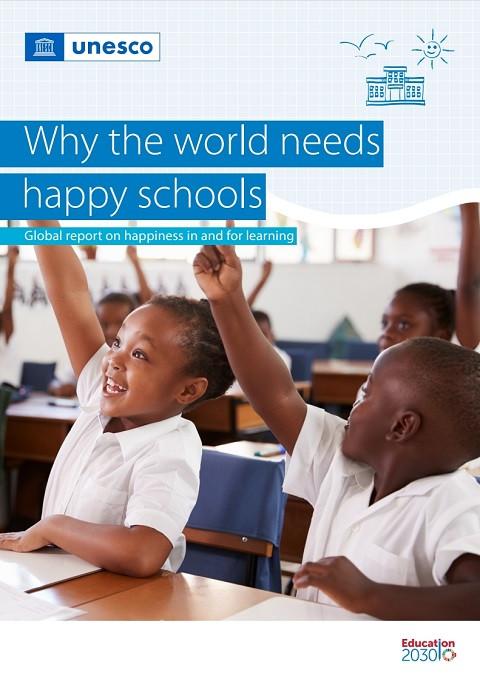 Why the World Needs Happy Schools: Global Report on Happiness In and For Learning Year of publication: 2024 Corporate author: UNESCO Seeing a teacher smile. Hearing students laugh. Feeling a hug from a friend. Smelling fresh air. Tasting a nutritious school meal. These five senses can stimulate happiness at school and improve the learning experiences, outcomes and well-being of students. Through the ‘Happy Schools’ initiative, UNESCO is placing happiness at the core of the transformation of education. It encourages education systems to recognize happiness as both a means to and a goal of quality learning. The initiative is informed by a growing evidence base linking happiness with better learning, teaching, well-being and overall system resilience. This report presents the UNESCO global Happy Schools framework consisting of 4 pillars – people, process, place and principles – and 12 high-level criteria to guide the transformation of learning. It offers a holistic model for embedding happiness into education policies and cultivating it in schools through systemic changes. The report illustrates how the ‘Happy Schools’ initiative aims to create top-down and bottom-up transformation, encouraging governments to recognize happiness as a core objective of education. It supports the scaling of promising practices of joyful learning from the school to the policy level.