
Resources
Explore a wide range of valuable resources on GCED to deepen your understanding and enhance your research, advocacy, teaching, and learning.
126 Results found
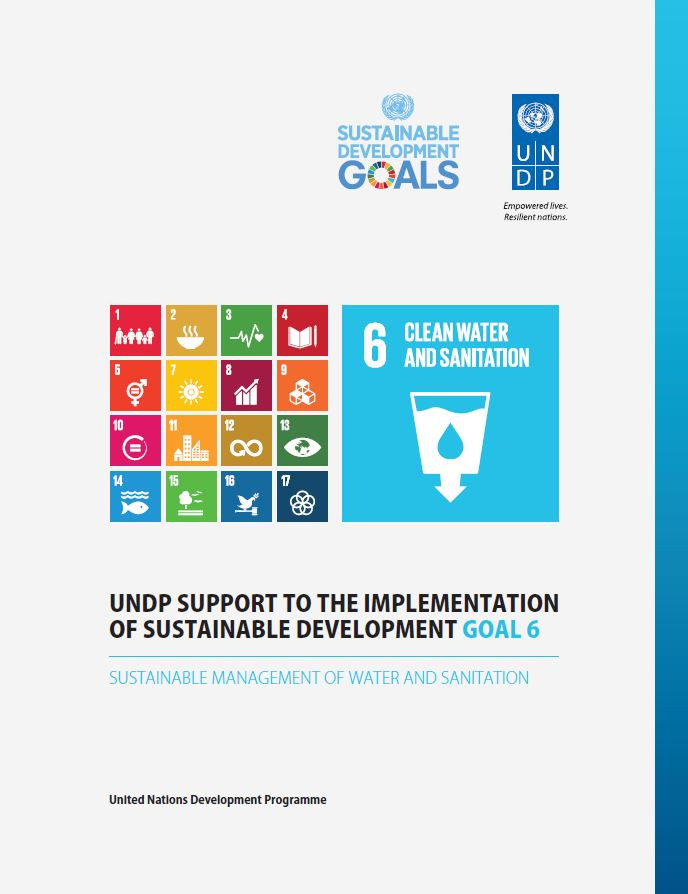 دعم برنامج الأمم المتحدة الإنمائي لتنفيذ الهدف 6 من أهداف التنمية المستدامة: الإدارة المستدامة للمياه وخدمات الصرف الصحي Year of publication: 2016 Corporate author: United Nations Development Programme (UNDP) يقدم المستند تقرير ملخصا عن دعم برنامج الأمم المتحدة الإنمائي لتنفيذ الهدف 6 من أهداف التنمية المستدامة. ويركز التقرير بالتحديد على الإدارة المستدامة للمياه وخدمات الصرف الصحي. يعتبر هذا التقرير مرجع مصغر لهذه الجهود في مجال خدمة المياه والصرف الصحي.
 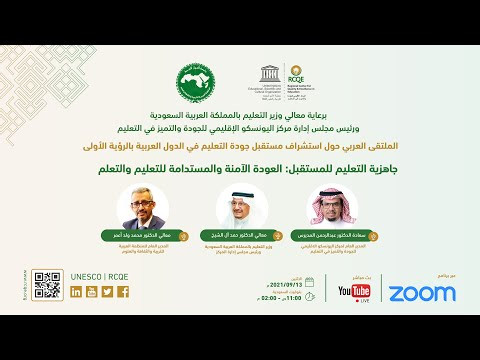 Readiness for Education for the Future: A Safe and Sustainable Return to Teaching and Learning Year of publication: 2021 Corporate author: Regional Center for Quality and Excellence in Education (RCQE) Predicting the future of quality education is a complex process, but it is an inevitable necessity, and anticipation and preparation for every new and changing must be the goal of education in its present and future. Today, education in all countries of the world faces unprecedented challenges, most notably the Corona pandemic, Covid-19, in conjunction with previous challenges of acceleration in knowledge and technological development, as well as economic crises and conflicts in some countries, unfamiliar contexts that made this symposium review the issue of education and its safe return to it after Corona pandemic. جاهزية التعليم للمستقبل: العودة الآمنة والمستدامة للتعليم والتعلم Year of publication: 2021 Corporate author: Regional Center for Quality and Excellence in Education (RCQE) التنبؤ بمستقبل جودة التعليم عملية معقدة إلا أنها ضرورة حتمية، والتحسب والاستعداد لكل مستجد ومتغير يجب أن يكون غاية التربية في حاضرها ومستقبلها. اليوم يواجه التعليم في جميع دول العالم تحديات غير مسبوقة أبرزها جائحة كورونا Covid-19 بتزامن مع تحديات سابقة من تسارع في التطور المعرفي والتكنولوجي، وكذلك أزمات اقتصادية وصراعات في بعض الدول، سياقات غير مألوفة جعلت من عملية تستعرض هذه الندوة قضية التعليم والعودة الامنة له بعد جائحة كورونا.
 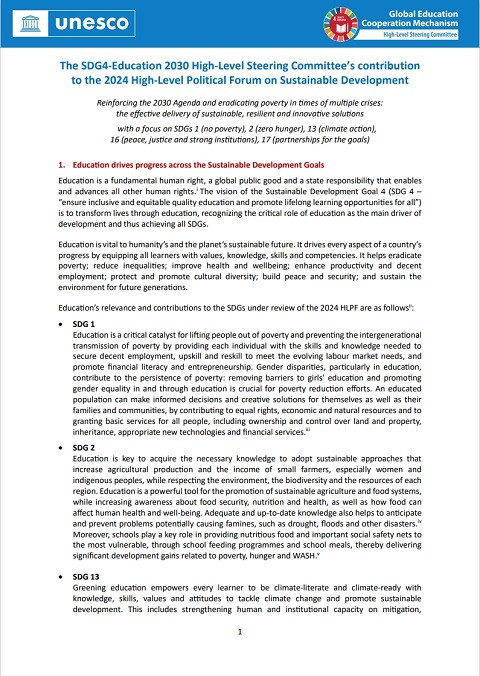 SDG4 High-Level Steering Committee Input Paper for the 2024 High-Level Political Forum on Sustainable Development Year of publication: 2024 Corporate author: SDG4 High-Level Steering Committee In alignment with theHigh-level Political Forum on Sustainable Development (HLPF)’s focus for 2024, this SDG4 High-Level Steering Committee paper provides specific inputs as they relate to the following Sustainable Development Goals: Goal 1. End poverty in all its forms everywhere; Goal 2. End hunger, achieve food security and improved nutrition and promote sustainable agriculture; Goal 13. Take urgent action to combat climate change and its impacts; Goal 16. Promote peaceful and inclusive societies for sustainable development, provide access to justice for all and build effective, accountable and inclusive institutions at all levels; and Goal 17. Strengthen the means of implementation and revitalize the Global Partnership for Sustainable Development.
  SDG 4 Midterm Review: Monitoring Implementation of SDG 4 Target 4.1. ~ 4.c. in Rep. of Korea Year of publication: 2023 Author: Hunwoo Joo | Mikyung Kim | Mugyeong Moon | Jeongwon Hwang | Kirak Ryu | Hyeseung Cho | Yunjeong Choi | Hyosook Shin | Kyungsook Kang | Minseon Park | Eunju Lee | Nayoung Kim | Hwanbo Park | Hannah Kim | Jonghun Kim Corporate author: National Consultative Group on Education 2030 | Korean National Commission for UNESCO This report presents the compiled work from the National Consultative Group and Working Groups on Education 2030 of the Republic of Korea regarding the midterm review on the implementation of SDG 4.
 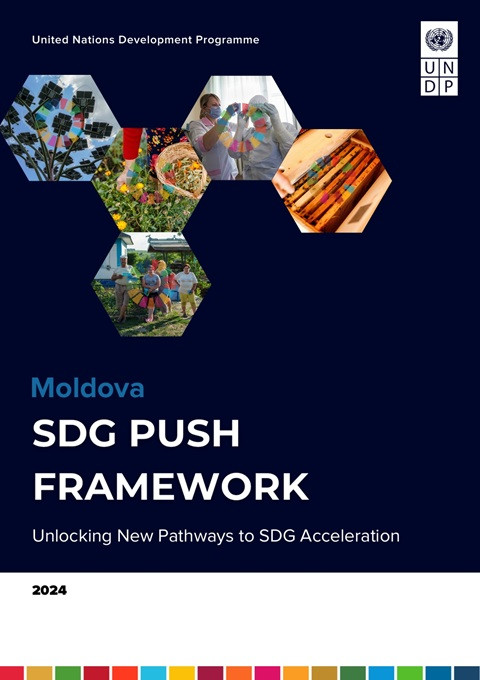 Moldova SDG Push Framework: Unlocking New Pathways to SDG Acceleration Year of publication: 2024 Corporate author: United Nations Development Programme (UNDP) SDG Push is about realizing development ambition and redefining how we build acceleration pathways. It helps pinpoint policy choices that ‘move the needle’ towards the achievement of the Sustainable Development Goals. A UNDP flagship initiative, SDG Push uses digital and data innovation, systems thinking, and futures approaches to provide a comprehensive and country-specific tool to plan and implement SDG breakthroughs in a variety of development contexts. SDG Acceleration Pathways, specific to context and need, were co-created in collaboration with Indonesia, Moldova, Namibia, Peru and South Africa. These pilots helped to refine the SDG Push approach and the digital SDG Push Diagnostic and formed the foundation of the Integrated SDG Insights Reports, presented at the 2023 SDG Summit. This integrated, modular approach includes the analysis of development trends and priorities with data visualization, integrating generative dialogue, foresight methods and economic modelling to assess the impact of potential accelerators.
 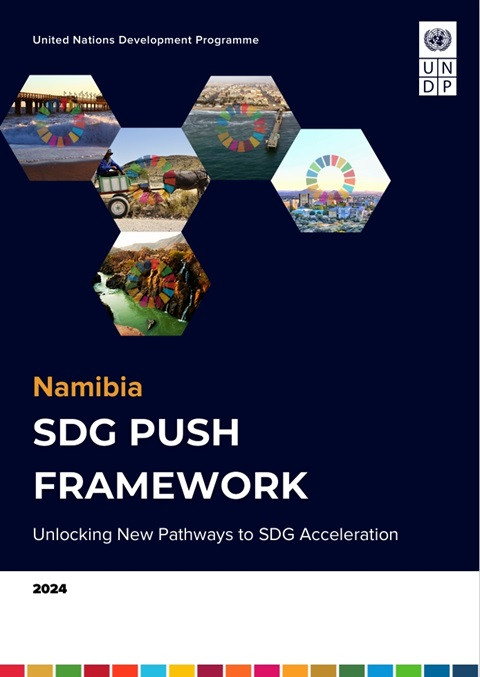 Namibia SDG Push Framework: Unlocking New Pathways to SDG Acceleration Year of publication: 2024 Corporate author: United Nations Development Programme (UNDP) SDG Push is about realizing development ambition and redefining how we build acceleration pathways. It helps pinpoint policy choices that ‘move the needle’ towards the achievement of the Sustainable Development Goals. A UNDP flagship initiative, SDG Push uses digital and data innovation, systems thinking, and futures approaches to provide a comprehensive and country-specific tool to plan and implement SDG breakthroughs in a variety of development contexts. SDG Acceleration Pathways, specific to context and need, were co-created in collaboration with Indonesia, Moldova, Namibia, Peru and South Africa. These pilots helped to refine the SDG Push approach and the digital SDG Push Diagnostic and formed the foundation of the Integrated SDG Insights Reports, presented at the 2023 SDG Summit. This integrated, modular approach includes the analysis of development trends and priorities with data visualization, integrating generative dialogue, foresight methods and economic modelling to assess the impact of potential accelerators.
 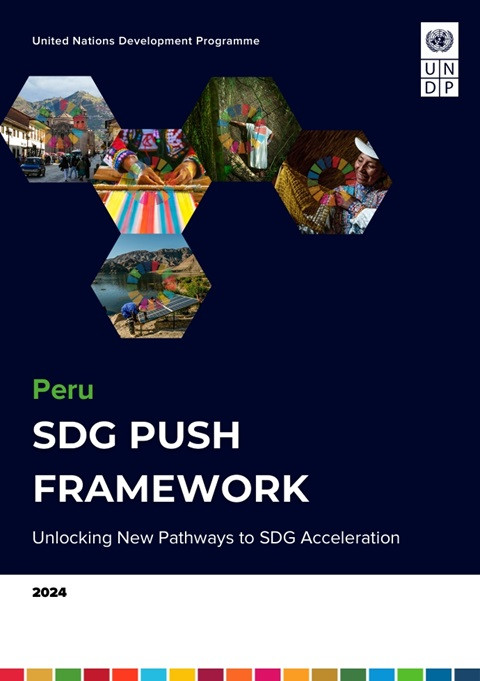 Peru SDG Push Framework: Unlocking New Pathways to SDG Acceleration Year of publication: 2024 Corporate author: United Nations Development Programme (UNDP) SDG Push is about realizing development ambition and redefining how we build acceleration pathways. It helps pinpoint policy choices that ‘move the needle’ towards the achievement of the Sustainable Development Goals. A UNDP flagship initiative, SDG Push uses digital and data innovation, systems thinking, and futures approaches to provide a comprehensive and country-specific tool to plan and implement SDG breakthroughs in a variety of development contexts. SDG Acceleration Pathways, specific to context and need, were co-created in collaboration with Indonesia, Moldova, Namibia, Peru and South Africa. These pilots helped to refine the SDG Push approach and the digital SDG Push Diagnostic and formed the foundation of the Integrated SDG Insights Reports, presented at the 2023 SDG Summit. This integrated, modular approach includes the analysis of development trends and priorities with data visualization, integrating generative dialogue, foresight methods and economic modelling to assess the impact of potential accelerators.
 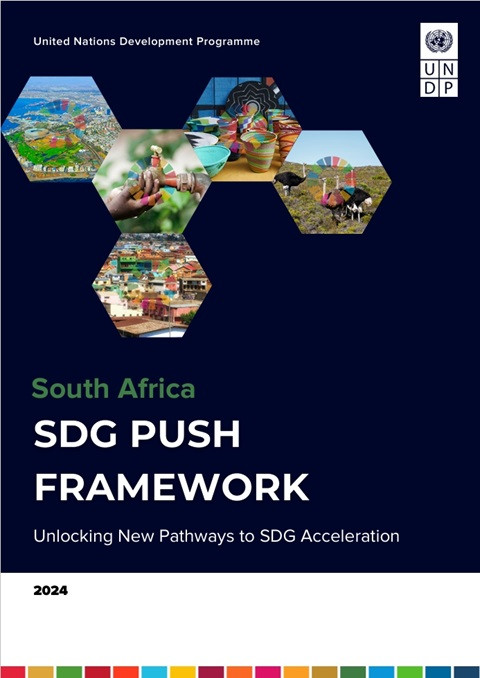 South Africa SDG Push Framework: Unlocking New Pathways to SDG Acceleration Year of publication: 2024 Corporate author: United Nations Development Programme (UNDP) SDG Push is about realizing development ambition and redefining how we build acceleration pathways. It helps pinpoint policy choices that ‘move the needle’ towards the achievement of the Sustainable Development Goals. A UNDP flagship initiative, SDG Push uses digital and data innovation, systems thinking, and futures approaches to provide a comprehensive and country-specific tool to plan and implement SDG breakthroughs in a variety of development contexts. SDG Acceleration Pathways, specific to context and need, were co-created in collaboration with Indonesia, Moldova, Namibia, Peru and South Africa. These pilots helped to refine the SDG Push approach and the digital SDG Push Diagnostic and formed the foundation of the Integrated SDG Insights Reports, presented at the 2023 SDG Summit. This integrated, modular approach includes the analysis of development trends and priorities with data visualization, integrating generative dialogue, foresight methods and economic modelling to assess the impact of potential accelerators.
  SDG4 High-Level Steering Committee’s Key Messages for the Pact for the Future Year of publication: 2024 Corporate author: SDG4 High-Level Steering Committee Education is a fundamental human right and a public good. Quality education and lifelong learning provides individuals with knowledge, skills, and values to lead a meaningful and productive life, and thus it is essential for personal development, empowerment and wellbeing. Education has a transformative power and drives progress across all Sustainable Development Goals. Investing more, more equitably and more efficiently in education transforms the future of humanity and the planet. The Pact for the Future must put education at its center.