
Resources
Explore a wide range of valuable resources on GCED to deepen your understanding and enhance your research, advocacy, teaching, and learning.
24 Results found
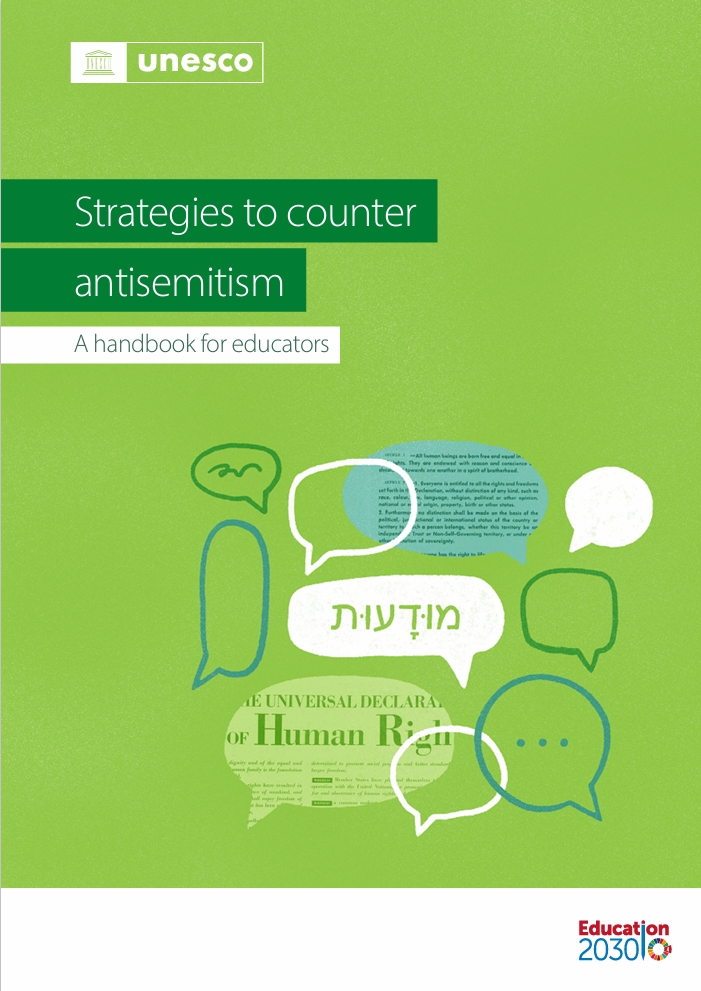 Strategies to Counter Antisemitism: A Handbook for Educators Year of publication: 2025 Corporate author: UNESCO Education is the first line of defence against hate and prejudice. By targeting the root causes of hate ideologies, deconstructing the stereotypes that underlie them from an early age, and promoting inclusive models, education is the keystone of a holistic approach to combating discrimination. Tackling antisemitism through education requires tailored content that addresses its complex, shifting and multilayered forms, both past and present.Acknowledging the topic’s complexity and the paucity of resources available to education stakeholders, this concise guide developed by UNESCO and funded by the European Commission aims to provide a roadmap for policymakers, curriculum developers and educators on current approaches and initiatives. It presents ten educational practices, each grounded in academic literature and illustrated by a promising educational initiative that operationalizes core pedagogical principles. The handbook is built around the three core learning domains which inform UNESCO’s approach to Global Citizenship Education: cognitive, socio-emotional, and behavioural learning.Conceived as an accessible operational guide for practitioners, this resource sets out to start a larger conversation about the needs of educators for tackling contemporary forms of antisemitism. It aims to encourage investments in high-quality empirical research that can pave the way for a better approach to combat antisemitism.
  풀무원재단 환경교육 가이드라인 Year of publication: 2023 Author: 풀무원재단 이 가이드라인은 환경교육 프로그램을 통해 유아, 초등 학습자의 환경 소양(environmental literacy)을 증진시키고자 할 때 참고할 수 있는 안내서입니다.
 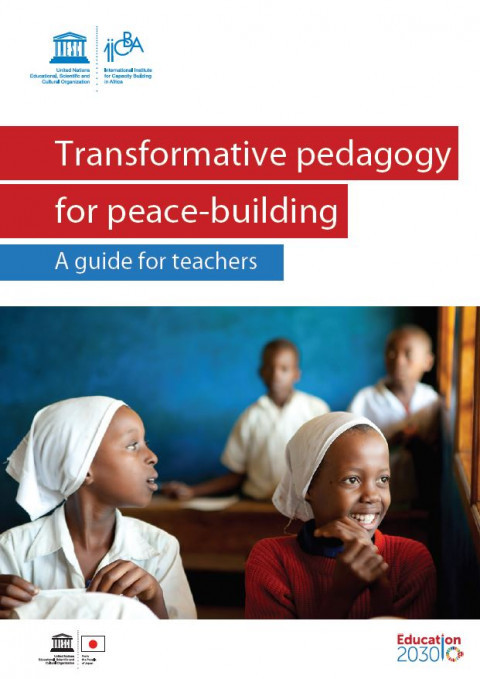 Transformative Pedagogy for Peace-building: A Guide for Teachers Year of publication: 2017 Corporate author: UNESCO International Institute for Capacity-Building in Africa (IICBA) This publication is a guide for teachers and teacher trainers on transformative pedagogy so that they are able to empower youth with peace-building knowledge, skills and competencies necessary to develop into advocates and actors of peace.The guide particularly aims to introduce teachers to the foundation of conflict analysis and peace-building and to equip them with a learner-centered approach to peace education and community engagement.This guide is a resource for educators to engage and support youth in their journey to becoming active peace-builders and fostering transformation in the Horn of Africa and Surrounding Countries.
 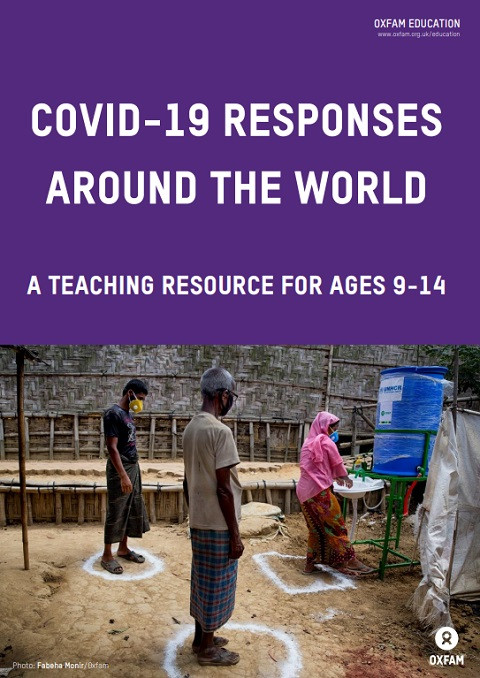 COVID-19 Responses Around the World: A Teaching Resource for Ages 9-14 Year of publication: 2021 Corporate author: Oxfam GB This resource helps learners to discuss their thoughts and feelings about the pandemic with others. Learners will also find out about ways to stop the current ‘infodemic’ – the rapid spread of misinformation and disinformation about COVID-19.This material will help learners to:discuss their thoughts and feelings about COVID-19.investigate some of the incredible ways in which people have been responding to this crisis.understand the difference between information, disinformation and misinformation.consider their own responses to the pandemic and possible actions that they might take to manage their own wellbeing and support others.
 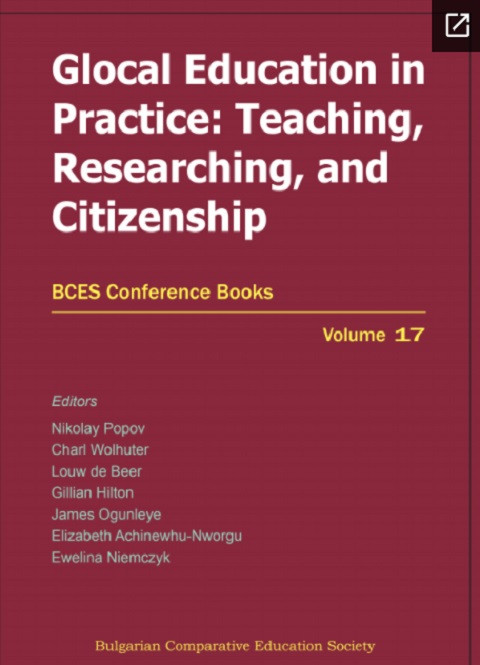 Glocal Education in Practice: Teaching, Researching, and Citizenship (BCES Conference Books; Vol. 17) Year of publication: 2019 Author: Nikolay Popov | Charl Wolhuter | Louw de Beer | Gillian Hilton | James Ogunleye | Elizabeth Achinewhu-Nworgu | Ewelina Niemczyk Corporate author: Bulgarian Comparative Education Society (BCES) This volume contains selected papers submitted to the XVII Annual International Conference of the Bulgarian Comparative Education Society (BCES) held in June 2019 in Pomorie, Bulgaria. The XVII BCES Conference theme is Glocal Education in Practice: Teaching, Researching, and Citizenship. The book includes 34 papers written by 69 authors from 20 countries.
 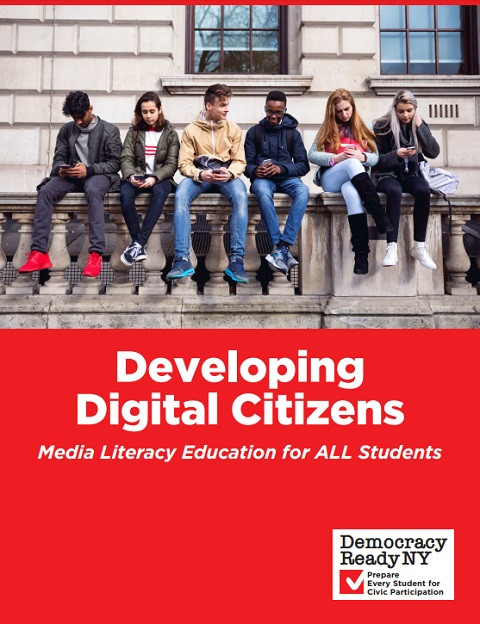 Developing Digital Citizens: Media Literacy Education for All Students Year of publication: 2020 Author: Jessica R. Wolff | Ann LoBue | Michael A. Rebell Corporate author: DemocracyReady NY Developing Digital Citizens: Media Literacy Education for All Students, a new report from DemocracyReady NY, calls for immediate and decisive steps to require media literacy education in schools throughout New York State. Stressing that “the internet has become the new public square,” it asserts that “to be democracy ready, all students must be media literate.”. The report defines what media literacy encompasses in an increasingly digital age, and establishes a clear framework to ensure that all students become media literate civic participants. This report includes recommendations for:Clear state standards for media literacy educationQualified personnel for teaching media literacySuitable MLE curricula and course offeringsUp-to-date facilities, instructional materials, and technologyTransparent monitoring and reporting of MLE resources and results.
 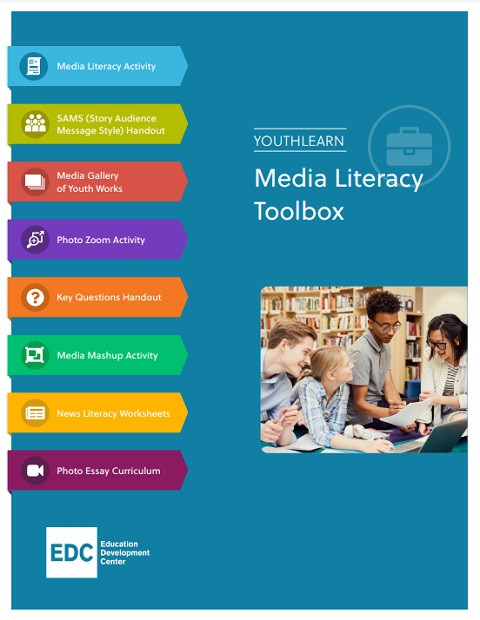 YouthLearn: Media Literacy Toolbox Year of publication: 2020 Corporate author: Education Development Center (EDC) YouthLearn’s Media Literacy Toolbox includes activities, handouts, and curricular resources to support media literacy education in a variety of settings—classroom or afterschool program, low-tech or high-tech, children or teens.
 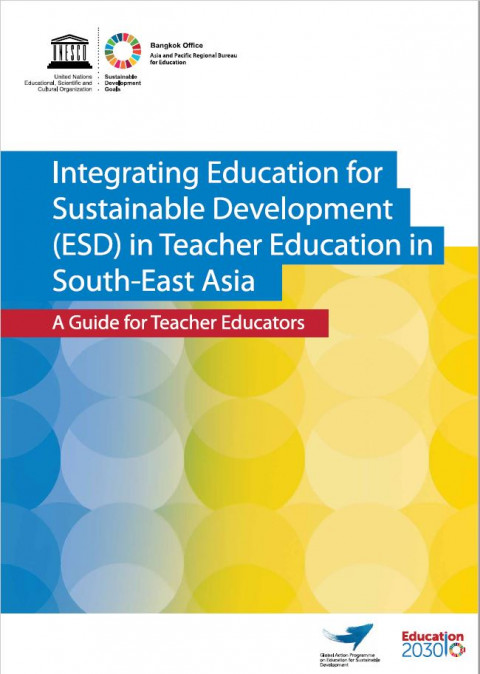 Integrating education for sustainable development (ESD) in teacher education in South-East Asia: a guide for teacher educators Year of publication: 2018 Corporate author: UNESCO Bangkok This publication is a cumulative output of the project Sustainability Begins with Teachers in South-East Asia, implemented by UNESCO Bangkok, in cooperation with SEAMEO from 2017 to 2018, with the generous support of the Government of Japan. The initial content was developed together with the representatives of the universities and teacher education institutions who participated in the South-East Asia Sub-Regional Workshop on Education for Sustainable Development for Teacher Education Institutions, held from 5 to 9 June 2017 in Chiang Rai, Thailand. Content has since been enhanced through the sharing of knowledge and experiences gathered from a series of in-country workshops held in Cebu, Philippines; Luang Prabang, Lao PDR; Kampot, Cambodia; Bangkok, Thailand; and Yogyakarta, Indonesia. This culminated in a project review workshop in Bangkok from 24 to 26 April 2018 in which different in-country experiences were shared and comments on the guidebook collected. Twenty-six universities and teacher education institutions have taken part in the project process in total. This guidebook is a result of this collaborative journey.
  在融合的、学习友好的课堂进行积极管教 Year of publication: 2022 Author: UNESCO Bangkok 在许多国家,儿童在学校遭受体罚很常见,这是一种对儿童的虐待。体罚是针对儿童的蓄意暴力,也是一种广泛存在的现象。在大多数国家,殴打儿童的教师仍然可以获得法律辩护。但是长远地看,尚无证据表明体罚是有效的,而且体罚可能导致儿童羞愧、内疚、焦虑、好斗、缺乏独立性、不在乎他人,进而给老师、看护人和其他儿童带来更严重的问题。体罚持续存在的一个主要原因是教师不理解体罚有别于“管教”,体罚是为了阻止儿童的某些行为,而积极管教是让儿童学习新的、正确的行为,同时不必担心遭受暴力。另一个主要原因是,教师没有学习到儿童行为不当的原因,以及如何根据这些行为对他们进行积极管教。很多时候,当儿童感到需求没有得到满足时(例如想得到关注),他们就可能会行为不当。儿童的不当行为给教师带来挫败感,而教师又缺乏处理的技巧,进而导致一些教师诉诸暴力,对儿童进行体罚或在情感上施以侮辱性的惩罚。这份教师与师训工作者指南,充实完善了联合国教科文组织出版物《拥抱多元化:创建融合的、学习友好的的环境工具包》(ILFE 工具包)(Embracing Diversity: A Toolkit for Creating Inclusive, Learning-Friendly Environments,简称ILFE Toolkit)。这本专题手册旨在帮助教师、学校行政人员和教育官员采取积极、主动的非暴力方式应对学生的不当行为,在课堂上有效地管理学生。手册介绍了多种积极管教的具体工具,可用于代替鞭打、打屁股、掐捏、威胁、劝诱、收买、吼叫、指使、辱骂、强迫劳动等惩罚方式及其他更具侮辱性的做法。
  미디어․정보 리터러시 갖춘 시민 되기: 비판적으로 사고하고 현명하게 클릭하기! Year of publication: 2022 Author: Alton Grizzle | Carolyn Wilson | Ramon Tuazon | C.K. Cheung | Jesus Lau | Rachel Fischer | Dorothy Gordon | Kwame Akyempong | Jagtar Singh | Paul R. Carr | Kristine Stewart | Samy Tayie | Olunifesi Suraj | Maarit Jaakkola | Gina Thésée | Curmira Gulston Corporate author: 유네스코 현명한 클릭으로 우리 사회를 개선할 수 있을까? 도서관을 비롯한 아카이브, 박물관, 미디어와 디지털 통신 회사 같은 콘텐츠 제공자는 모든 이를 포용하고 지속 가능한 개발을 이루어내려는 역할을 지니고 있다. 하지만 콘텐츠 제공자가 그와 같은 이상에 근거해서만 움직이는 것은 아니기 때문에 서비스 사용자들은 어려움을 겪게 된다. 모든 콘텐츠 제공자는 평생학습의 기회를 열어 주기도 하지만 동시에 잘못된 정보나 허위정보, 혐오 표현, 온라인 프라이버시 침해 등과 같은 과제도 안겨 준다. 미디어·정보 리터러시란 사람들이 취할 수 있는 혜택은 최대로 얻고, 입을 수 있는 피해는 최소화할 수 있도록 하는 일련의 역량을 의미한다. 미디어·정보 리터러시는 커뮤니케이션 콘텐츠와 해당 콘텐츠를 제공하는 기관 및 디지털 기술을 비판적이고 효과적으로 이용할 수 있는 역량이다. 이는 나이, 배경과 관계없이 모든 시민이 필수적으로 갖추어야 하는 능력이다. 이 선구적인 커리큘럼은 미디어·정보 리터러시 역량의 종합적인 프레임워크를 제공하며, 교육자와 학습자가 활용할 수 있는 체계적인 교육적 방안을 제안한다. 또한 다양한 모듈을 제시하여 오늘날의 커뮤니케이션 생태계를 이해하는 데 필수적인 역량 범위를 상세하게 다루고 있다. 이 자료에서는 미디어·정보 리터러시를 지금 우리 사회에서 새롭게 부상하고 있는 문제들, 즉 인공지능을 비롯해 디지털 시민 교육, 지속가능 발전 교육, 문화 리터러시 및 허위정보와 잘못된 정보의 급증 등과 연계하여 다루고 있다. 본 커리큘럼을 효과적으로 활용한다면 누구나 미디어·정보 리터러시를 갖춘 시민은 물론, 미디어·정보 리터러시 동료 교육자도 될 수 있을 것이다.