
Resources
Explore a wide range of valuable resources on GCED to deepen your understanding and enhance your research, advocacy, teaching, and learning.
153 Results found
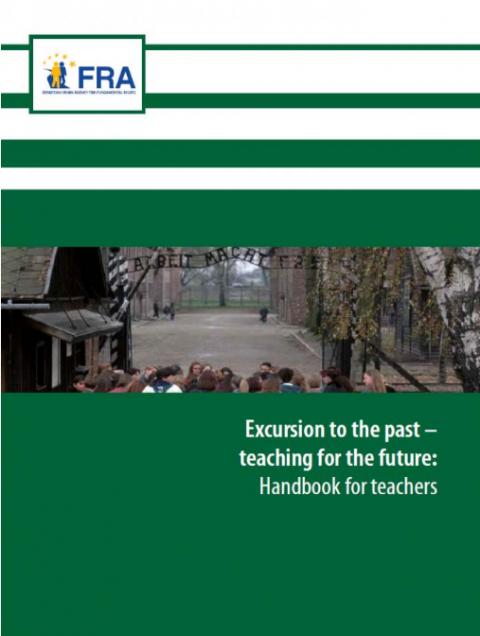 Excursion to the past - teaching for the future: Handbook for teachers What role do Holocaust-related sites play in today's societies? What do they offer young people? What should schools and teachers consider when planning a visit to such a site? And how can teachers make best use of such visits for teaching about the Holocaust and human rights? This Handbook provides a number of examples, hints and historical background information, which will help teachers and students to make visits to Holocaust-related sites and exhibitions a meaningful and enriching experience.
  Shoah Memorial, Museum, Contemporary Jewish Documentation Centre The Shoah Memorial provides access to various resources on the Holocaust, mostly in French. Mémorial de la Shoah - Musée, Centre de documentation juive contemporaine Le Mémorial de la Shoah donne accès à diverses ressources sur l'Holocauste, la plupart du temps en français. Enseigner l'histoire de la Shoah This website, hosted by the Mémorial de la Shoah and the French Ministry of Education is a perfect guide for primary or secondary teachers in their work on the Holocaust. With a collection of literature and film reviews, and an inventory of the different museums or memorials to visit, this platform encourages the educational staff to approach this issuein an interactive way such as the organization of thematic exhibitions or class-participation in national contests. Le grenier de Sarah Sarah’s attic is a website introducing Shoah History that addresses specifically children from age 8 to 12 with full respect of their sensitivity. This website invites them to watch and hear tales and expressions testifying of the diversity of Jewish cultures transmitted before, during and after the Second World War. In addition, nine personal itineraries bear witness to the daily life of Jews during the war, based on archive documents kept at the Mémorial de la Shoah in Paris. Mémoire et Histoire de la Shoah à l'école This publication is organized according three themes: "History of the Holocaust", "citizenship" and "arts and transmission". It is an valuable guide for primary education teachers, where they can find workshop suggestions and materials for a first approach to the Holocaust topic.
 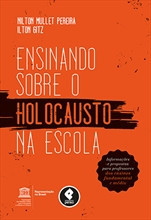 Teaching about the Holocaust in schools: Information and proposals for teachers of primary and secondary education This textbook aims at helping teachers of primary and secondary education to address the Holocaust theme in their classes. This book contains suggested activities, lists of books and films references to help pupils to make connections between the Holocaust and others genocides but also to develop critical thinking and respect for human rights. Ensinando sobre o Holocausto na Escola : Informações e Propostas para Professores dos Ensinos Fundamental e Médio This textbook aims at helping teachers of primary and secondary education to address the Holocaust theme in their classes. This book contains suggested activities, lists of books and films references to help pupils to make connections between the Holocaust and others genocides but also to develop critical thinking and respect for human rights. Enseignement de la Shoah dans les écoles: l'information et de propositions pour les enseignants de l'enseignement primaire et secondaire Ce manuel vise à aider les enseignants de l'enseignement primaire et secondaire pour aborder le thème de l'Holocauste dans leurs classes. Ce livre contient des suggestions d'activités, des listes de livres et de films références pour aider les élèves à faire des liens entre les génocides Holocauste et autres, mais aussi de développer la pensée critique et le respect des droits de l'homme. Teaching Guidelines of the International Holocaust Remembrance Alliance The website of the International Holocaust Remembrance Alliance, an intergovernmental body dedicated to Holocaust education, remembrance and research, contains much practical information on all aspects of Holocaust education.